



Your chicken is safe, for now
Jamaica’s poultry sector has suffered an estimated $2 billion in losses following Hurricane Melissa, with more than 1.2 million birds wiped out across several western parishes. Agriculture Minister Floyd Green told Parliament on Tuesday that the storm destroyed approximately 780,000 broilers and 458,000 layer birds.
“By every measure available to the ministry, Hurricane Melissa is the worst hurricane event our agriculture and fisheries sectors have ever faced. Even with strong preparations, a system of this intensity would have disrupted preparations,” Green admits.
The Ministry of Agriculture is now shifting into recovery mode with a strategic focus on livestock, particularly the revitalization of backyard poultry farming. An initial $40 million has been allocated to provide chicks, feed, and infrastructural support to help small farmers rebuild their operations. Farmers operating within agro-parks will also receive relief as the Government has announced a moratorium on lease payments to ease cash flow pressures while production restarts. Green revealed that these are just immediate response programmes but a larger programme of intervention will be coming in the coming weeks from the expanded budget that will be provided by the ministry of finance. Despite the massive losses, consumers can rest assured that chicken supply will remain stable, as major producers Caribbean Broilers (CB) and Jamaica Broilers Group (JBG) move to sustain national output and support smaller farmers in rebuilding operations.
“In a couple of parishes, St Elizabeth, Westmoreland, Trelawny, and St James, where broilers are concerned, it’s completely wiped out. Those parishes are down to zero in terms of broiler birds,” said Winston Thomas, sales coordinator at Caribbean Broilers Group.
Fortunately, major production hubs which were located in the central parishes, in Clarendon and St Catherine, which house some of the country’s largest poultry farms, were not affected and are operating at 100 per cent capacity. According to Thomas, those areas account for roughly 62 per cent of Jamaica’s total poultry production, with the remaining 38 per cent attributed to smaller farmers. However, breaking down the figures further, Thomas estimates that given the lighter impact on eastern parishes, the number of farms severely affected is even smaller, reduced to about 10 to 15 per cent of small poultry farms. He noted that this level of disruption is not expected to significantly affect the overall poultry supply on the market.
“I don’t think the falling out of the small farmers down there is going to be bad enough to make a dent in our overall poultry production in the country. It may be skewed where the bigger companies will enjoy more of the business, but the small farmers being out will not affect the national numbers so much that the country cannot survive,” Thomas told the Jamaica Observer.
The Jamaica Broilers Group also reassured consumers that it has sufficient inventory of chicken products, having boosted stocks ahead of the holiday season. The company confirmed that distribution to customers resumed on Friday, October 31, 2025, and reported minimal damage to its operations and contract farmers, according to a statement to the Business Observer.
“Our key operations were supported by standby power generation, with the public utility being restored to all major operating locations by Saturday, November 1st, 2025,” the company noted.
Though the overall chicken supply will be maintained, Thomas acknowledged that recovery in the western parishes will take time. Many farmers, he said, are prioritising rebuilding their homes before reinvesting in their poultry operations, which will likely delay a full rebound in production. Despite the fallout being relatively minor at the national level, Caribbean Broilers has already begun assisting with recovery efforts, distributing more than 400,000 baby chicks free of charge to affected farmers and committing to provide additional support. The company is also helping independent farmers in rural areas rebuild coops and restart operations in communities where poultry houses were destroyed.
“We may not be able to do that for everybody, but we definitely will be assisting farmers across the island to rebuild,” Thomas noted.
He, however, warned that everything depends on people being able to rebuild their homes first, and as soon as that is completed, they can go into further rebuilding their poultry farms. JBG has also been offering support with the launch of a range of relief initiatives to support communities hardest-hit by Hurricane Melissa, particularly in western Jamaica. Through their Best Dressed Chicken Division, they have been donating chicken products at no cost to help quick service restaurants and caterers prepare and distribute hot meals to affected residents. Additionally, Hi-Pro is collaborating with the Jamaica Egg Farmers Association, the Jamaica Pig Farmers Association, the Small Ruminants Association of Jamaica and the Jamaica Agricultural Society, amongst others, to assess hurricane impacts and develop a targeted recovery plan for the agricultural sector.
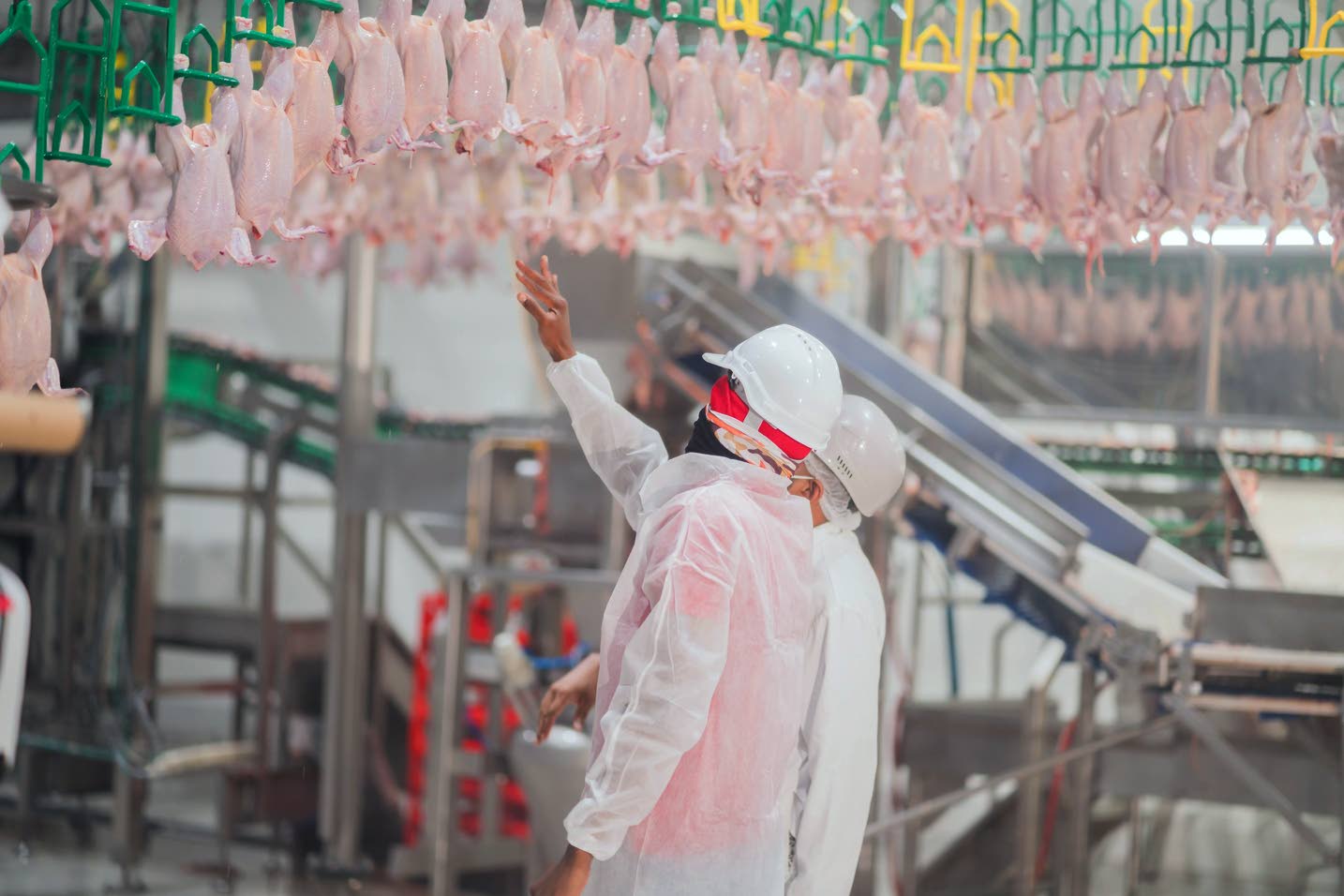
CB Group’s state-of-the-art air chill processing plant at The Nest, its eco-industrial park in Hill Run, St Catherine.
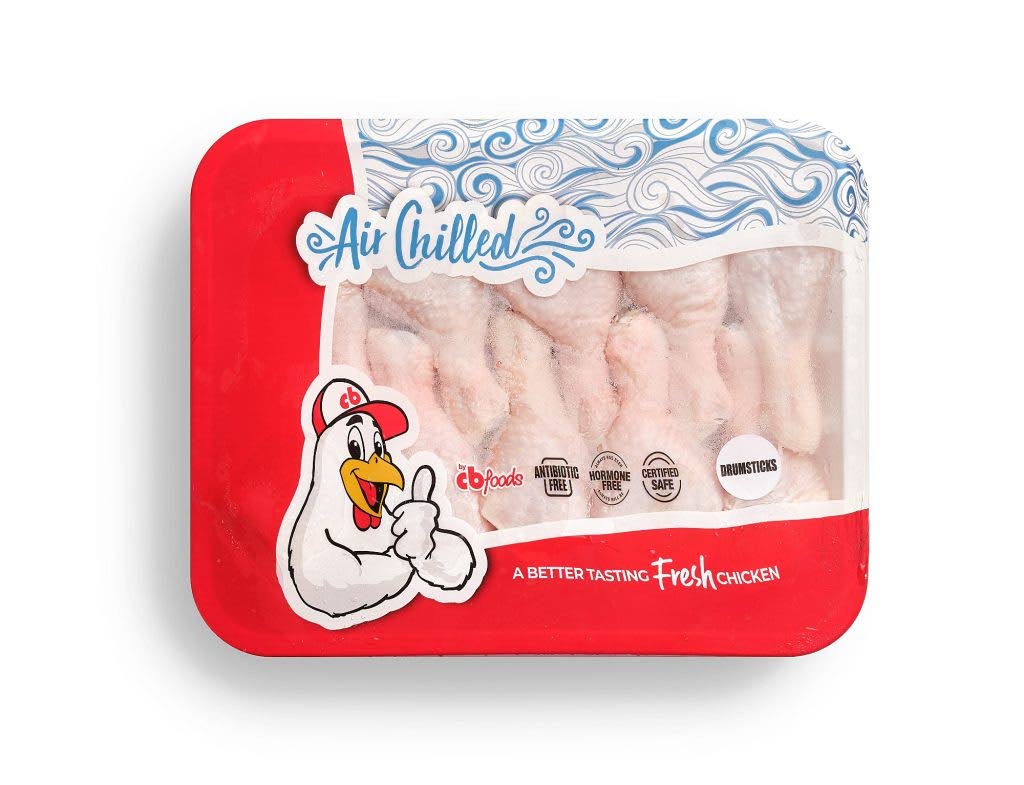
Caribbean Broilers reassures consumers that poultry supply will be maintained, and to expect no fallout from chicken production.
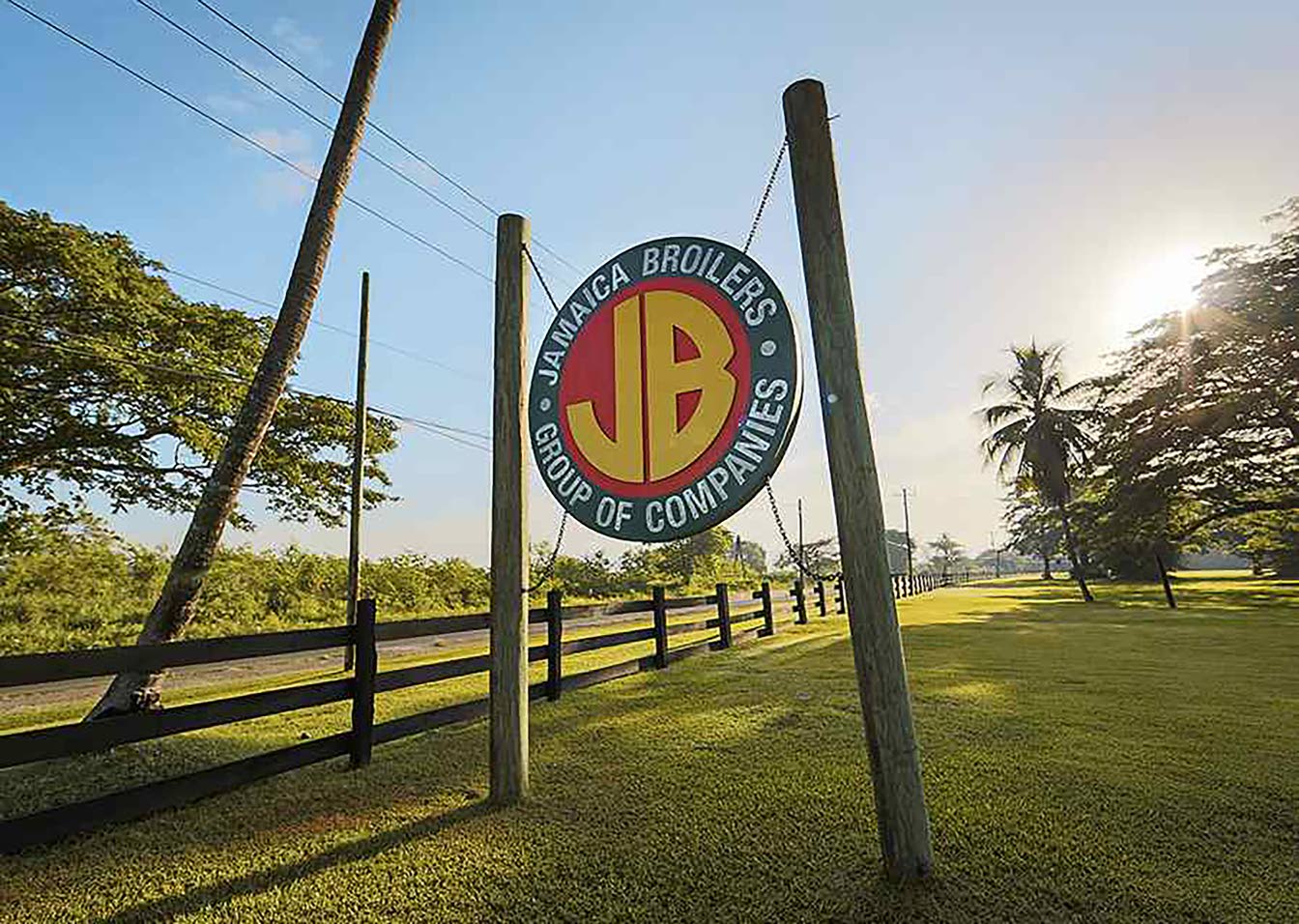
Jamaica Broilers Group head office in Content, McCook’s Pen, St Catherine, where operations have fully resumed following Hurricane Melissa.
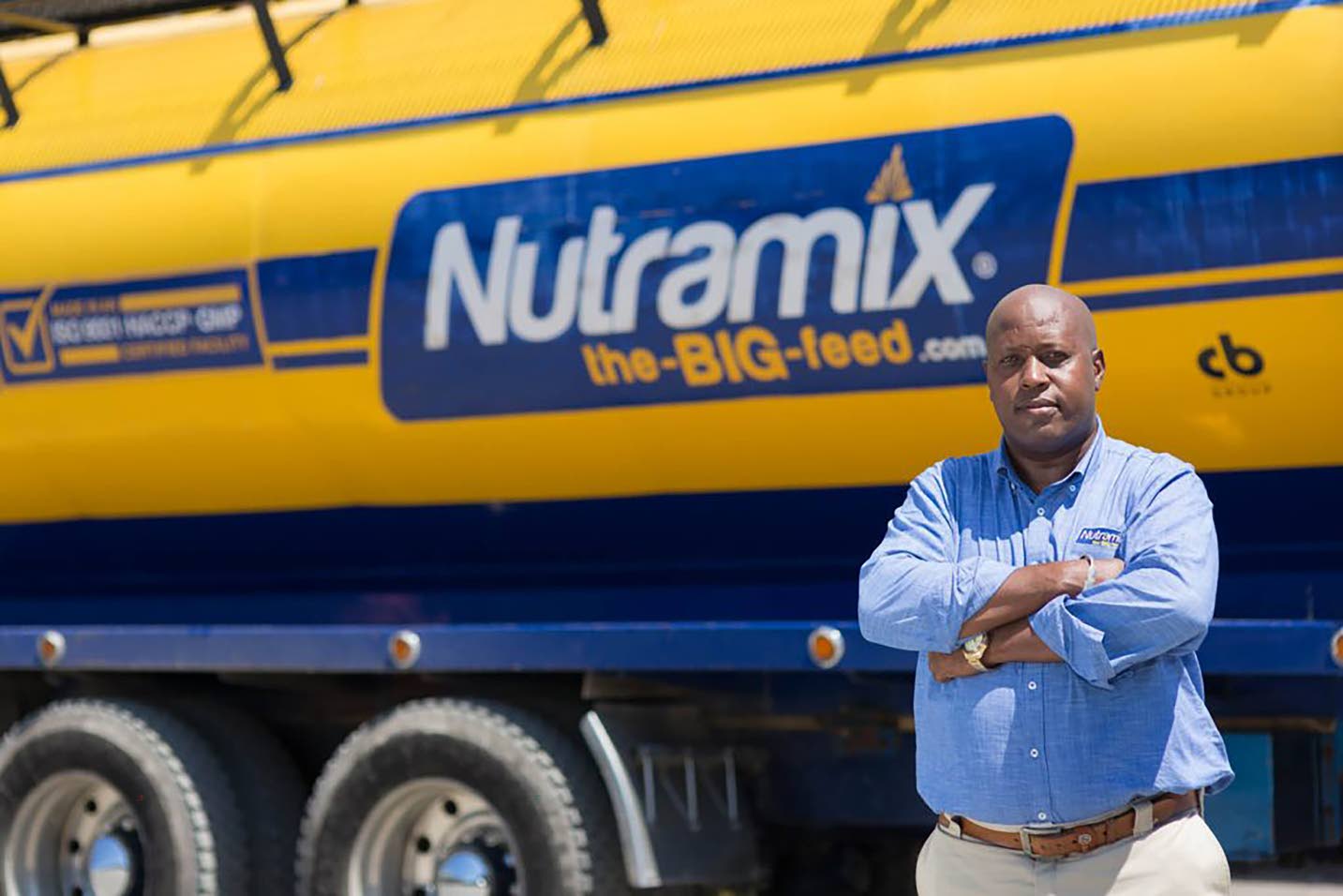
THOMAS… I don’t think, the falling out of the small farmers down there is going to be bad enough to make a dent on our overall poultry production in the country.


