



Cancel Christmas?
Entertainment insiders say J’cans need to embrace celebrations now more than ever
Christmas and New Year’s Eve in Jamaica are vibrant, family-centred, and full of rich cultural traditions, mouthwatering food, and nonstop festivities. But as much of the island grapples with the devastation from Hurricane Melissa, conversations surrounding Christmas celebrations have risen to centre.
While some believe the need to celebrate life and spread joy are even more relevant post-Melissa, others are calling for Christmas to be cancelled, highlighting that now is not the time for excessive spending and over-the-top parties.
“I encourage Jamaicans not devastated by Melissa fi turn down the material aspects of Christmas celebrations. It would be so wonderful if that aspect is muted. Let’s make it a caring and sharing Christmas,” was the post made by Clyde Williams that ignited the conversation on social media.
While some subscribed to Williams’ school of thought, others dismissed his utterance as dense.
Kamal Bankay, chairman of Dream Entertainment Limited, organisers of Dream Wknd, told the
Jamaica Observer’s Splash that, as the Christmas season fast approaches, the conversation is necessary. He indicated that, while Jamaicans can cut back on elaborate decorations or over-gifting, the country’s entertainment, commerce, and tourism sectors must get back on track.
“People who have been calling for Christmas to be cancelled, I don’t know if they’re saying we should tone down Christmas decorations or gifts, because I can see how people will say those are things that may not be necessary. But we have to get the various industries up and running again,” he said. “St Elizabeth, which is our breadbasket parish, was hard-hit by the hurricane, which means it may take a while before the agricultural sector gets back on its feet. With that said, other industries will need to step up their game.”
Outlining that Christmas is usually the busiest season for the entertainment and tourism industries, Bankay said events in this season should not be viewed as parties for the sake of partying, but as events that will have a ripple economic effect on everyone.
“This is not about whether or not this is the time for parties. We have to understand that the entertainment industry is just as important as the banking and finance industry. I think I read somewhere that, in a recent assessment, entertainment contributed about six per cent of GDP [gross domestic product]. That is significant,” he shared. “Every day that the people involved in this sector are not working is a day when revenue is being lost — dollars that are crucial to Jamaica’s economic recovery. It’s a cyclical and symbiotic relationship between the entertainment industry and economic recovery. What we need to do now is invite everyone to come to Jamaica for Christmas and spend as much money as possible. Support local businesses. That’s what’s crucial this Christmas season.”
In a social media comment joining the heated debate, co-founder of the Sandz party series, Jermaule Adair, better known as Nino, shared that Jamaicans must eventually return to some level of normality, even as the west recovers.
“We can’t all be depressed. You can care about what’s happening, live your life and give back. The country has to come to some sort of normality to encourage tourists to visit the unaffected areas,” he said, while encouraging people to support relief efforts, spreading joy this season.
Professor culture and society at The University of the West Indies Donna Hope, in sharing her thoughts, said the conversation holds great significance as many people are now struggling with survivor’s guilt. She said that, as naturally free-spirited people, Jamaicans need to feel they can still enjoy the things that make them happy without being weighed down by the devastation elsewhere on the island.
“We’re in the second week of November, and this conversation has been picking up speed. It’s like, basically, all of us in Jamaica — those who have been severely affected, those minimally affected and those who haven’t been affected — should put on sackcloth and ashes and drown in a pool of despair, but that has never been the Jamaican way,” she said.
“Our culture predisposes us to be ‘little but tallawah’, to ‘kinteet and kibbah heart bun’. So we use humour to mask sadness and despair. We use our culture and practices to engage with life and build ourselves up. We are in a time of mental, emotional, psychological… and for many, physical captivity because of this hurricane, and we must find spaces of celebration and healing. We will have to have a Christmas that is based on community, a spirit of healing, but we must celebrate our lives and the fact that so many people across the world love Jamaica and are bringing aid, sending us good vibes, and praying for us to recover,” Hope added.
The professor went on to say that parties and get-togethers at Christmas not only provide entertainment, but also contribute to securing the mental health of those who indulge.
“A lot of people see people go to stage shows and parties and other entertainment events, but they don’t just go to drink and party; it’s also a space of healing and renewal. They go to release some of the stresses of life because it is cathartic, and Jamaicans look forward to Christmas, especially because it is about family, fun, food, friends, and it’s the one time in the year in Jamaica when people feel like they can breathe easy and people are focusing on getting together, celebration, community, and renewal, and it’s important.
“We have to advocate for Christmas and push back against the cancel culture at this time. We have to remind people of the centrality of the end-of-year celebrations, especially at this time when stress is high and the economy needs to be boosted. We have to protect it. We have to have Christmas,” championed Hope.
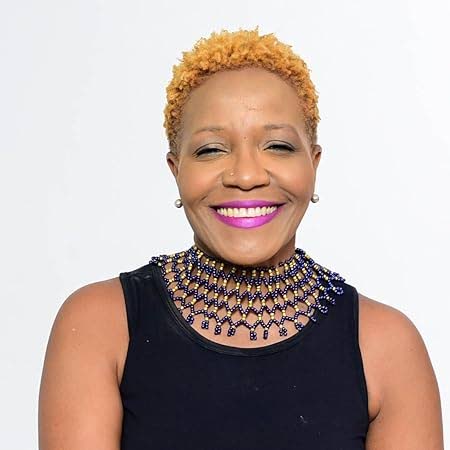
Kamal Bankay, chairman, Dream Entertainment
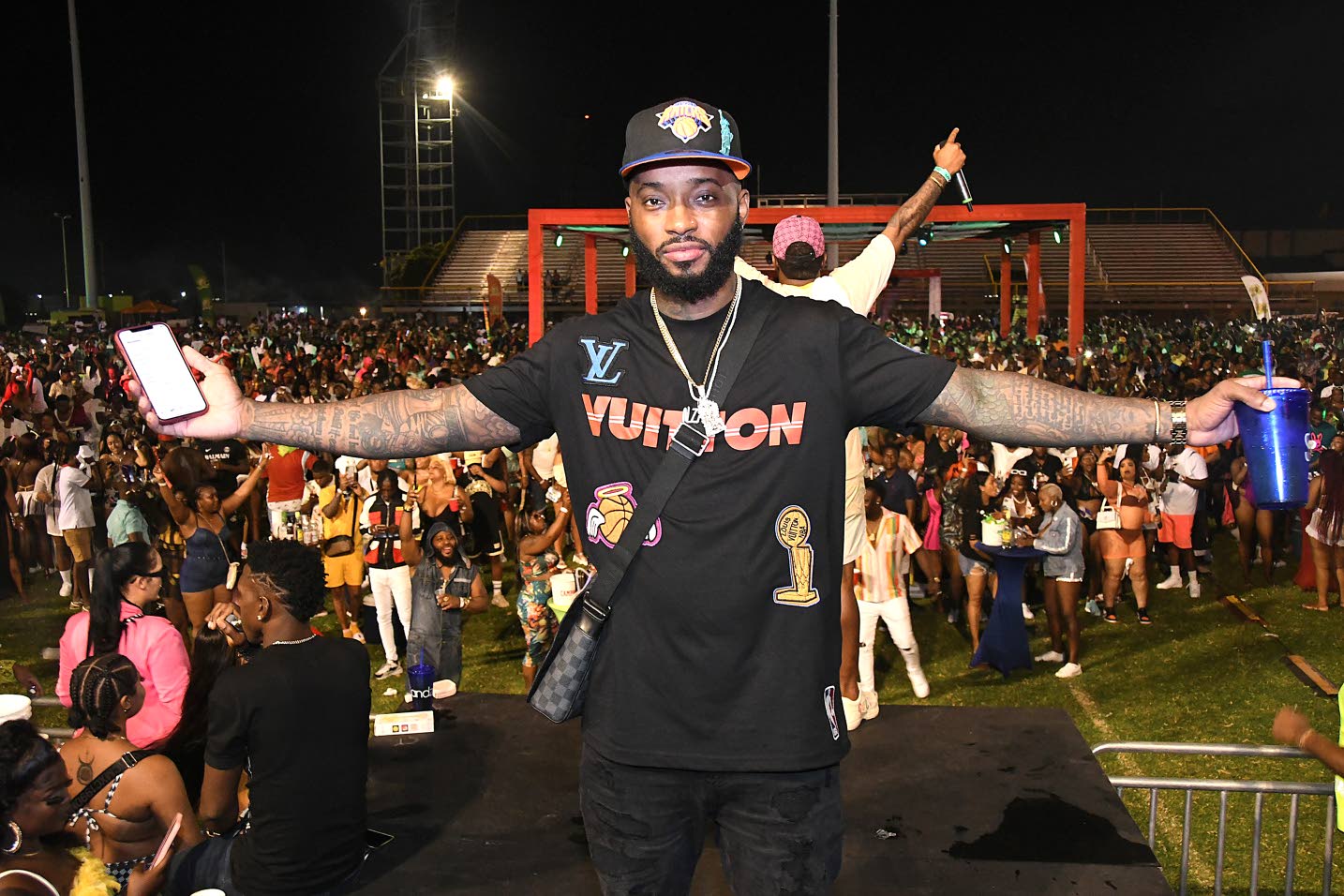
Co-founder of the Sandz party series Jermaule “Nino” Adair (Photo: Garfield Robinson)
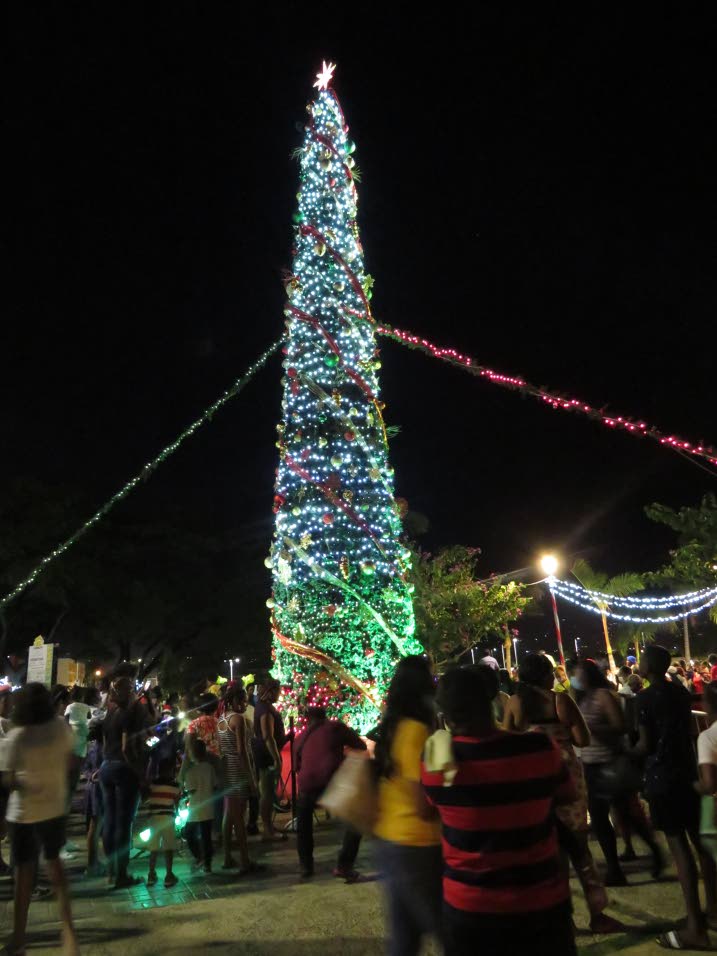
Scores of people who flock Harmony Beach Park in Montego Bay for a Christmas tree-lighting ceremony. (Photo: Rochelle Clayton)
Kamal Bankay.
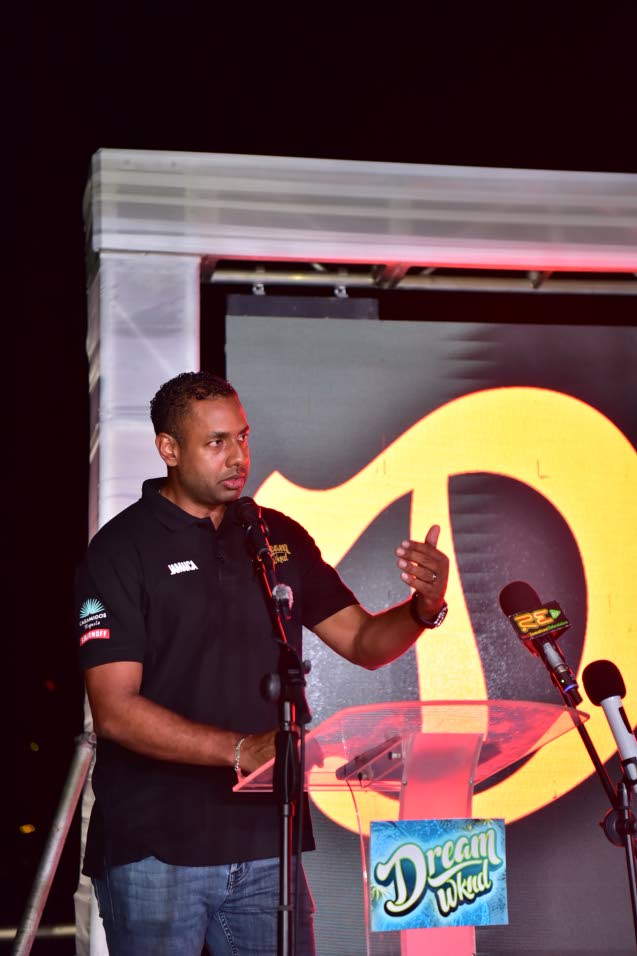
Kamal Bankay, chairman, Dream Entertainment (Photo: Aceion Cunningham)


