Health alert!
Officials outline measures to stave off water-borne illnesses
The island’s health authorities on Sunday outlined some of the steps taken to prevent water-borne illnesses from spreading in the aftermath of Hurricane Melissa and shared advice on how the public can help stave off their expansion.
“Dead livestock, contaminated meat, fish, egg, and dairy products can quickly lead to disease, foul odours, pests, contamination of water sources if not properly managed,” Health and Wellness Minister Dr Christopher Tufton said during a webinar titled ‘Let’s talk recovery: Protecting against food and water-borne illnesses after a disaster’.
Tufton disclosed that the health and wellness ministry is “working through the veterinary public health unit in collaboration with the Ministry of Agriculture, alongside public health inspectors of local authorities to remove and bury — following strict national and international standards — or otherwise destroy animal carcasses or related waste”.
Category 5 Melissa devastated a large section of western Jamaica with heavy rains and winds on October 28. The hurricane caused widespread displacement and deaths of many animals, whose carcasses ended up in waterways and other areas, posing a risk to the human population.
On Sunday, Tufton, said that the disposal of dead animals and spoiled foods of animal origin has become an urgent public health priority.
The webinar also heard from Chief Medical Officer (CMO) Dr Jacquiline Bisasor-McKenzie, who pointed to several post-hurricane factors that can cause issues affecting health.
“These are the loss of power, reliable water supply, compromised food supply, solid waste build-up, increased pooling of water and, where persons end up in shelters, we have overcrowding issues to manage,” she said.
Those issues, the CMO said, increase the likelihood of a rise in infections and diseases.
“These include food, water-borne and vector-borne diseases and, of course, if you are in an overcrowded situation, air-borne diseases like respiratory tract infection and even diseases that spread by contact,” Dr Bisasor-McKenzie said, adding that the Ministry of Health and Wellness has increased its surveillance and preparation to manage these problems.
The CMO pointed out that the hurricane has left health facilities across the island compromised.
She said the Accident and Emergency Department at Falmouth Hospital in Trelawny has been severely affected. A field hospital has been erected there to try to alleviate some of the challenges. Bed capacity at Cornwall Regional Hospital has been affected and there are also challenges at the Accident and Emergency Department.
Noel Holmes Hospital in Hanover was also affected, so too Savanna-la-Mar Hospital in Westmoreland and Black River Hospital in St Elizabeth.
The CMO said that 99 per cent of health centres were affected in five hurricane-hit parishes, 60 to 70 per cent of clinics are back up and running, while 10 to 20 per cent are partially operating.
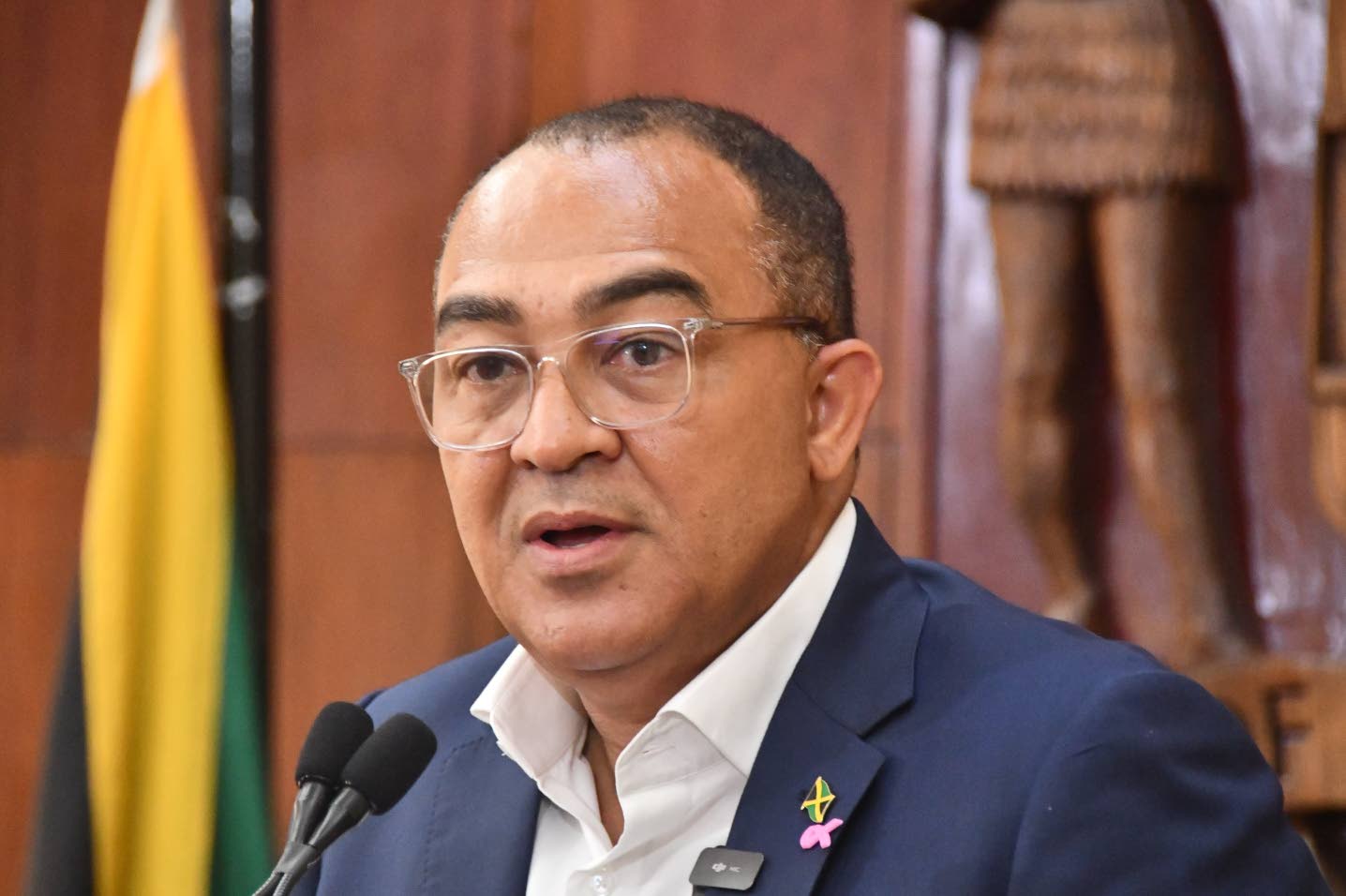
TUFTON… health ministry working with veterinary public health unit, Ministry of Agriculture, and public health inspectors to remove, bury or otherwise destroy animal carcasses or related waste

BISASOR-MCKENZIE… pointed to several post-hurricane factors that can cause issues affecting health
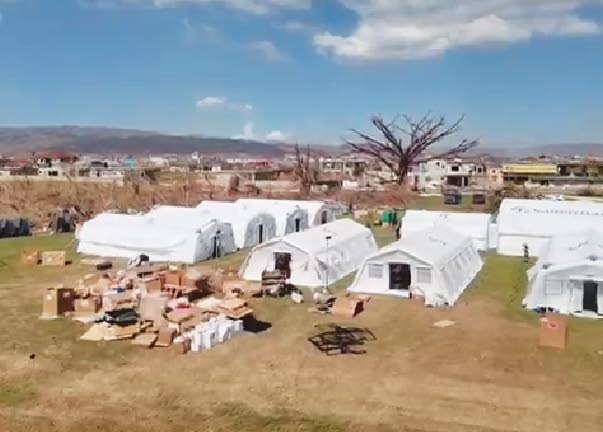
The field hospital erected in Black River, St Elizabeth, after the passage of Hurricane Melissa.