



Not charity, but justice
Samuda signals Jamaica’s intention to benefit from UN loss and damage fund
Jamaica has welcomed the loss and damage fund established by the United Nations (UN) to help vulnerable countries recover from the devastating impacts of climate change and indicated that the island intends to be among the first beneficiaries.
Matthew Samuda, Jamaica’s minister of water, environment, and climate change, made the declaration in his address Monday morning at the UN Climate Change Conference (COP30) in Belem, Brazil.
Samuda advocated Jamaica’s access to the fund in light of the devastating impact that Category 5 Hurricane Melissa had on the island on October 28.
The mechanism for the fund was agreed at the COP27 conference in Egypt in 2022 after wealthy countries finally caved to years of pressure from developing nations.
The fund launched its first call for project proposals on Monday, November 10, 2025 at COP30.
The initial package totals US$250 million, with grants expected to be disbursed from mid-2026. Eligible countries will be able to apply for between US$5 million and US$20 million per project.
The mechanism provides only grants, not loans, to help address the harm caused by storms, floods, droughts, and rising sea levels.
In his presentation on Monday, Samuda said Jamaica’s intention to be among the fund’s first beneficiaries is not to be viewed “as charity”, but “as justice”.
Pointing to scientific evidence showing that human-induced climate change is intensifying storms, heating oceans, and turning what was once rare into routine, Samuda said Jamaica, like many small island nations, is “paying the price for a crisis we did not create. Yet we are not victims of circumstance — we are agents of action”.
He listed a raft of mitigation measures put in place by the Jamaican Government, among them the US$150-million catastrophe bond issued in 2021 and renewed in 2024 with the World Bank; an enhanced Nationally Determined Contribution (NDC 3.0); and a long-term strategy for a low-carbon, climate-resilient future.
Additionally, Samuda told the conference that Jamaica is preparing a National Adaptation Plan and exploring initiatives at local and sub-national levels as the Government regards investing in resilience as a strategic necessity, particularly for a country whose gross domestic product depends heavily on tourism, agriculture, and natural resources.
“A single large-scale disaster can wipe out years of progress and impose long-term fiscal and social costs. Building better now reduces future repair costs, shortens economic downtime, and safeguards our development trajectory,” Samuda said, adding, “These are not small steps for a small island, they are acts of foresight, courage, and hope.”
He thanked the international community, particularly the UN secretary general, Caricom, and many heads of government, for standing with Jamaica through outreach, humanitarian aid, and solidarity in the wake of Hurricane Melissa’s devastation.
However, he stated that “solidarity must be more than sympathy. It must be sustained through reliable, accessible, and predictable finance — funds that reach those on the front lines before disaster strikes”.
Samuda urged other countries to contribute to the loss and damage fund, as he argued that it “will assist developing countries in coping with the unavoidable consequences of climate change, including displacement and biodiversity loss”.
He further argued that the developed world bears a profound responsibility to honour and strengthen its commitments to climate finance, recognising its capacity to mobilise resources at scale.
“Developed countries must fulfil their pledges to support vulnerable nations, especially small island developing states, in mitigation and adaptation efforts. We must also strive for a more ambitious collective finance goal beyond 2025,” he told the conference.
“This commitment is not only financial, but moral and strategic — essential for ensuring equity, trust, and shared prosperity in the global response to climate change. By scaling up concessional finance, leveraging private investments, and enhancing transparency, developed nations can catalyse transformative action, strengthen resilience, and reaffirm leadership in building a sustainable, low-carbon future for all,” Samuda said.
He also issued a reminder to the conference that resilience is not solely the responsibility of governments — it is a national effort that requires strong international support.
“In a world where storms grow stronger, faster, and more unpredictable, our greatest defence is preparedness,” said Samuda.
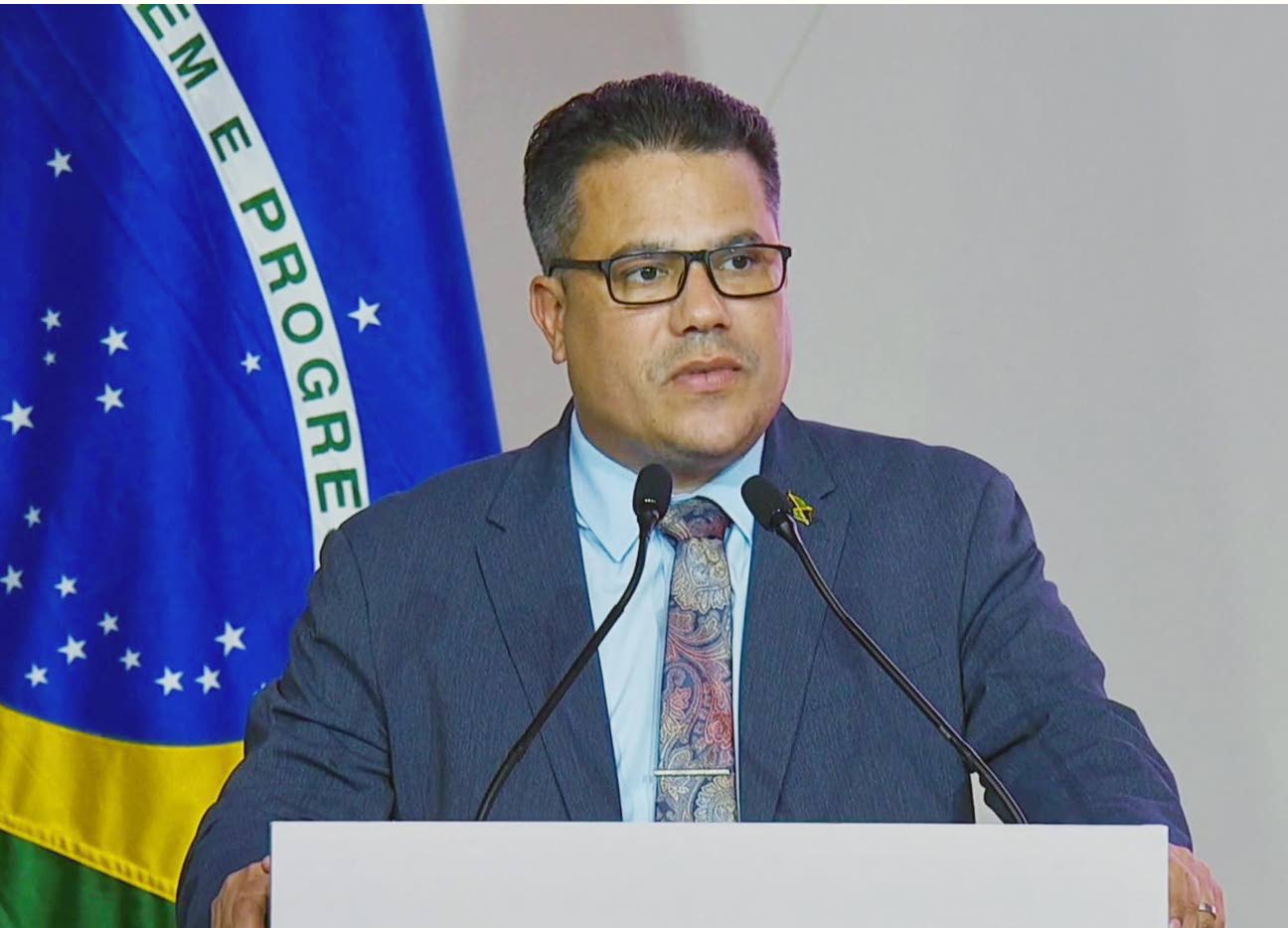
Matthew Samuda, Jamaica’s minister of water, environment, and climate change addressing the UN Climate Change Conference (COP30) in Belem, Brazil on Monday.
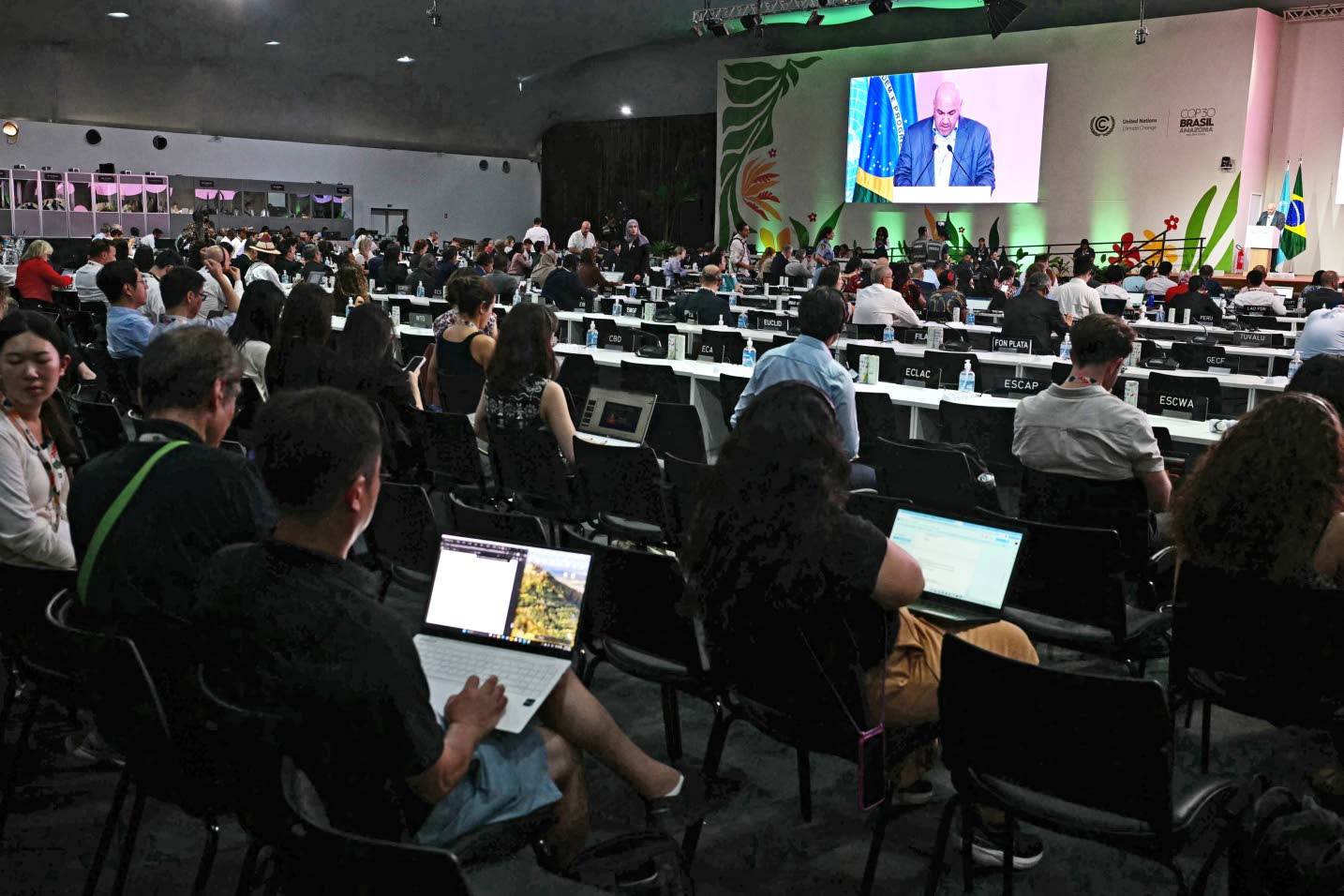
General view of the plenary session of the COP30 UN Climate Change Conference in Belem, Para State, Brazil on Monday where Matthew Samuda, Jamaica’s minister of water, environment, and climate change made his presentation. (Photo: AFP)


