



Let’s not waste the opportunities
The spirit of generosity towards Jamaica in the aftermath of Hurricane Melissa has been phenomenal. We have benefited in the past from local and international generosity when natural tragedies strike, as was the case with Hurricane Gilbert in 1988 and, to a lesser extent, Beryl more recently.
It is easy to take such acts of kindness for granted; to have a sense of entitlement that goodwill from others will always flow because of the great suffering heaped upon us. It is foolhardy to assume this even though history repeatedly bears this out to be so. It is, therefore, prudent that we do everything in our power to see to our own needs and be open in gratitude when a hand of kindness, however big or small, is extended to us.
It is clear that no one, least of all a recipient, can prescribe the bounds of the generosity one should receive. This is so whether that generosity comes from a person, an organisation, or another country. Generosity is something that flows from the heart or the wellspring of goodness of the giver. The recipient is really not in any position to say what level of help he/she should receive from any donor. The donor has his/her own constraints and the best that the recipient can say when the gift or help is given is: “Thank you.” Gratitude and generosity are like peas in a pod.
I make these observations in light of criticism that has been levelled against the British Government and the European Union with respect to what has been described as their paltry response to the devastation wrought on Jamaica by Hurricane Melissa. This criticism has been fuelled by remarks made especially against the British Government by Dennis O’Brien, leading Irish businessman and owner of Digicel communication, one of the leading telecommunication outfits in Jamaica. He is of the opinion that the £7.5 million (roughly $1.2 billion) given by Britain is a sum that is unworthy of that country. He anchors his opinion in what the British got out of Jamaica in its over 300 years of exploitation of the black population during slavery. He rightly affirms that when the slaves were freed they did not receive any compensation, yet millions of pounds were given to the plantation owners to compensate them for losing their valued labourers.
The point is well understood, but I believe it is a stretch to conflate reparation for slavery with the need for Britain to give more to the country’s rebuilding efforts after Melissa. There is certainly no moral equivalence between the two, and it might be best to allow the issues to stand on their own integrity. But I must admit that, like O’Brien, I was dumbstruck by the paltry sum given considering our long-standing relationship, spoken of so eloquently by the British Deputy Prime Minister David Lammy on the occasion of the gift being offered to Jamaica.
Notwithstanding my general observations on generosity given above, I believe that this is a token sum, not only because of the quality of the relationship enjoyed between our two countries, but given the extent of the tragedy that has been wrought upon Jamaica. The European Union’s response is even more so. Every gift is and must be welcomed, but there is an innate expectation from people that those who can do better must do so. There is a biblical affirmation that to whom much has been given, much is expected.
In saying this I am aware that Britain also has its own problems at this time. Its economy is not doing well. Its gross domestic product (GDP) has slowed immensely and remains mostly flat. Unemployment is on the rise and households are struggling with high cost of living. There is also tremendous uncertainty in the housing sector. So, as I said, donors have to examine their own generosity within the constraints of the economic variables they have to be grappling with. So must Britain, but one wonders. Perhaps there is more help to come.
Bauxite lands for housing
There was a decent and fairly robust discussion in the House of Representatives last Tuesday on the use of bauxite lands to assist with the grave housing problems in the country. Salient points were made that the bauxite companies collectively own hundreds, if not thousands, of acres of land that will never be used by them for mining. These lands could be deployed for agricultural and housing needs. Much of this idle land is not suitable for agriculture on a mass scale, but could be freed up to enhance the delivery of housing units.
Hurricane Melissa has given the country the opportunity to take a second look at a number of things that we have largely taken for granted as a country. One of these is recalibrating the energy needs of the country for the generation of cheaper power to support the productive needs of the country.
The parameters of the new utility contract with JPS are certainly in the spotlight. How we rebuild infrastructure and buildings is another matter. The use of bauxite lands for housing, long talked about by successive administrations, is another. These are in urgent need of reset. I would urge the Ministry of Agriculture, Mining and Fisheries to look more seriously and robustly at this problem as it seeks to get compliance from the companies for the reclamation of mined-out lands.
I believe the time has come, if we are serious, to re-examine the contracts we have signed with these companies to see what can and must be done to free up these lands so that developers, both in Jamaica and the Diaspora, can play their part in investing in housing solutions for our people. The opportunity has been given to us by this tragedy to think boldly and do the number of things we have talked about incessantly over the years but have been too lethargic and lacking in will to confront. It is a tragedy and an opportunity that must not be wasted, especially as far as bauxite lands are concerned. Over to you, Minister Floyd Green.
Dr Raulston Nembhard is a priest, social commentator, and author of the books Finding Peace in the Midst of Life’s Storms; Your Self-esteem Guide to a Better Life; and Beyond Petulance: Republican Politics and the Future of America. He hosts a podcast — Mango Tree Dialogues — on his YouTube channel. Send comments to the Jamaica Observer or stead6655@aol.com.

It is easy to take acts of kindness for granted.
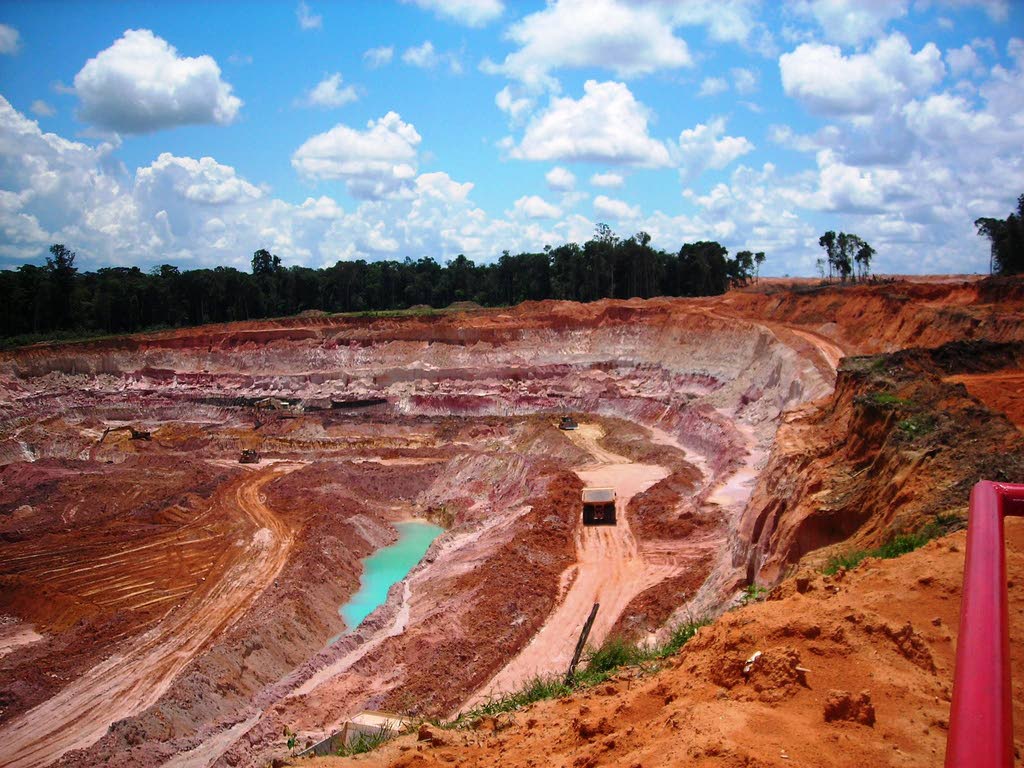
Bauxite land which is unsuitable for agriculture could be used for housing.
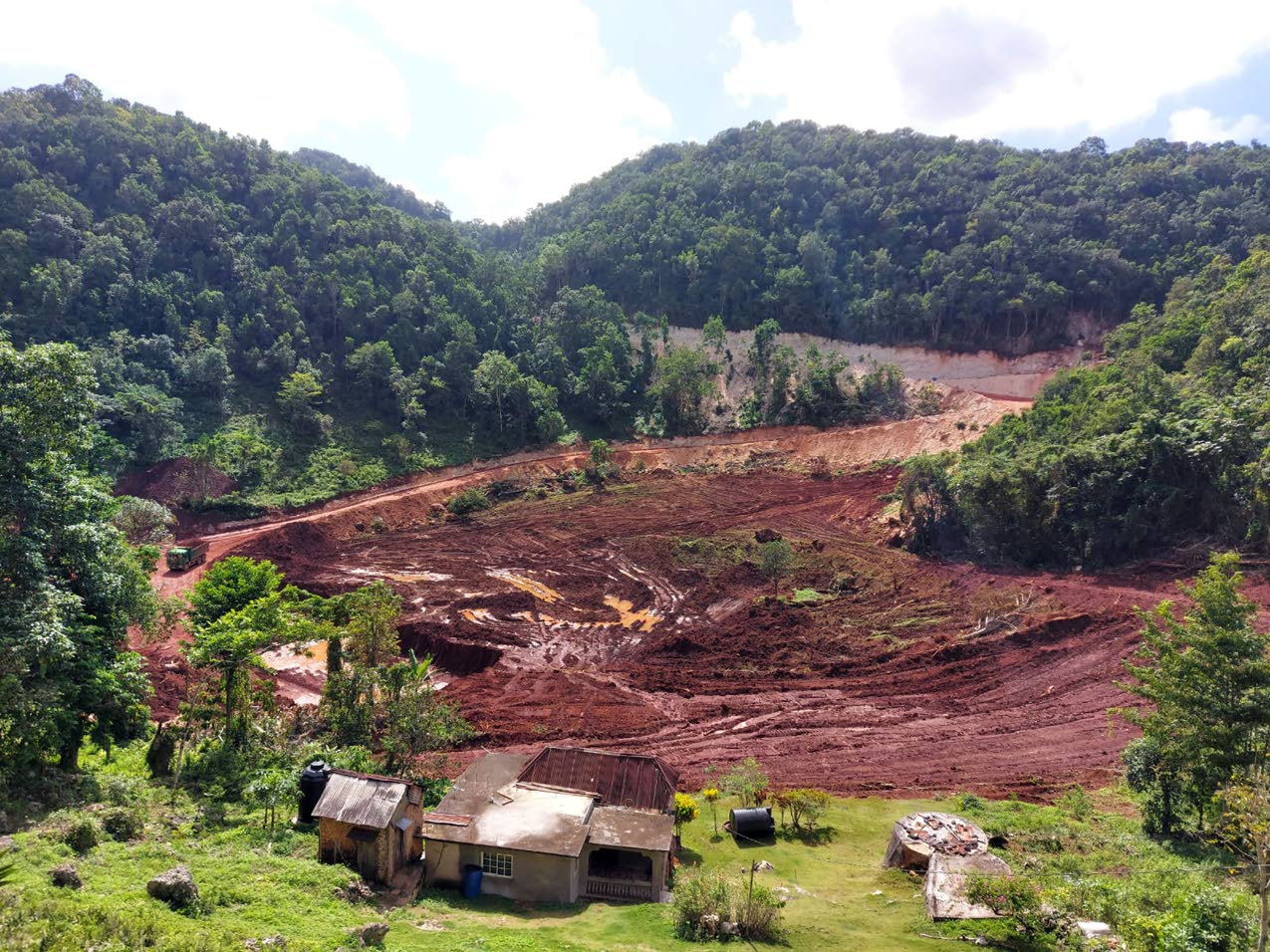
Bauxite land which is unsuitable for agriculture could be used for housing.


