



Fire alarm!
Structural, electrical blazes dominate post-Hurricane Melissa calls to Jamaica Fire Brigade
FIREFIGHTERS have been kept busy in the aftermath of Hurricane Melissa, responding to a wave of mainly structural and electrical fires, a high number of which were ignited on downed utility poles and from candles being used as a source of light.
Fire Chief Stewart Beckford told the Jamaica Observer in an interview that the reports are mainly from the hard-hit parishes Westmoreland, St Elizabeth, St James, Trelawny, and Hanover, which are struggling with debris, garbage piles, dry mountain ranges, and downed utility poles following the history-making storm’s rampage.
According to a situation report from the Jamaica Fire Brigade (JFB), firefighters responded to 143 calls from October 28 — the day the Category 5 weather system made landfall in the western region of the country — to November 19, with 58 of them being structural fires and 34 being electrical or utility pole fires.
There were also 25 landfill or rubbish fires, 17 bush fires, and nine motor vehicle fires. Seven carbon monoxide-related deaths due to fumes inhaled from generators were also recorded for the three-week period.
The JFB commissioner noted that most reports of structural fires were from Westmoreland and deep-rural communities that are using candles as a source of light due to the absence of electricity and the downed utility poles that are also sparking fires.
“We are seeing instances in Westmoreland where those houses are quickly destroyed because they are made up of wood with zinc roofing, so once you have a fire starting in one of those [homes], they are going to be destroyed quickly. [Two Wednesdays ago], we responded to three incidents involving house fires in Westmoreland. All three were destroyed, and there were neighbouring properties that would have been impacted as a result of these fires,” he told the Sunday Observer.
Beckford urged Jamaicans to exercise caution when using candles.
“Make sure that you don’t place it near any flammable materials, meaning curtains, sheet sets, and tablecloths or paper. I know sometimes we have a lot of papers scattered about the place and so on, make sure we don’t place it in close proximity. The rule of thumb is that you place it about three feet away from any of these materials,” he urged.
“Secondly, put it in a container with some water at the base, so that if it burns and burns down, then that water will extinguish it. If you don’t have a container to put it in, you have to put it on a surface. Make sure you put it on a hard surface, not a wooden surface, [use] a concrete surface, so if it burns out and burns down, then it won’t cause a fire.
“Never, in any circumstances, go to bed with a candle burning. Make sure you put that candle out before you go to sleep,” he cautioned.
The fire chief further noted that, given the large volume of debris left behind by the hurricane, Jamaicans have resorted to burning waste, which has also resulted in uncontrolled fires.
“If you have to burn, we recommend that you do so using a metal drum, punch some holes in it, and have a cover for it so that oxygen and wind can pass through to allow for the burning. It may take a little bit longer, but that is the safest way we recommend that you do it.
“Another way is to make sure that you package garbage, debris, and allow for the [National] Solid Waste Management Authority and other agencies that have been charged with the responsibility to help with the clean-up to cart these away, instead of trying to burn them,” said Beckford.
He noted, too, that bush fires are common in Jamaica, with 4,000 reports made last year, and the dry state of forested areas in the west has created the perfect environment for such fires.
Last week, firefighters in Westmoreland responded to two bush fires in the Beeston Spring and Watercress areas. Both locations were inaccessible for fire engines, forcing firefighters to allow the fires to burn out on their own. Beckford noted that similar reports of bush fires across western Jamaica after Hurricane Melissa resulted in several blazes being left to burn out due to limited access.
“The danger that poses is that sparks from that [fire] could now travel a distance away and start another fire, so we could have multiple fires occurring within a short space of time, which would overwhelm our resources. Some of the roads are still inaccessible, either through flooding or land slippages and so on, and there are some areas that I’m told that there are maybe still downed utility poles,” he told the
Sunday Observer.
“While we have been clearing roads, in terms of using our chainsaws to cut through some of these [blockages] to get to some of the locations where we are responding to fires, it slows us up a bit to stop to clear a road and then to proceed, so we really want to ask Jamaicans at this time, especially in those areas, to desist from lighting the fires,” the fire chief pleaded.
He also expressed regret that, despite his pre-Hurricane Melissa warnings, seven deaths related to carbon monoxide poisoning due to generators have been reported. He stated that, while it is recommended that generators be placed 25 feet away from a house, threats of theft have seen some Jamaicans keeping the equipment in confined spaces or close to the house, which can be deadly.
“What we say to persons, try to find a way to secure it as best as you can. I don’t know how, just figure out a way to secure it. I would rather that somebody steal that generator than you end up dead from carbon monoxide poisoning. Whatever you do, keep it away from your house, and when you put it at a distance, it’s highly unlikely that it will pose a danger to you. What we also ask is that you ensure that the exhaust pipes on those generators are not turned to your doors and windows…
“Depending on how the wind is blowing outside it could very well allow the fumes to come back into the house, even though you may have put it a distance away, so make sure that the exhaust pipes are turned away from openings, such as windows and doors. Of course, if you are using it, then make sure that you follow the manufacturer’s guidelines as to how you are to utilise it, how you are to refuel it, and the safety precautions that you must observe in refuelling,“ he insisted.
“If you do that, then everybody will be safe. It’s really regrettable that we have had so many persons being lost from carbon monoxide poisoning,” added the commissioner.
Downed utility poles on a street in the town of Santa Cruz, St Elizabeth after the passage of Hurricane Melissa. (Photo: Garfield Robinson)
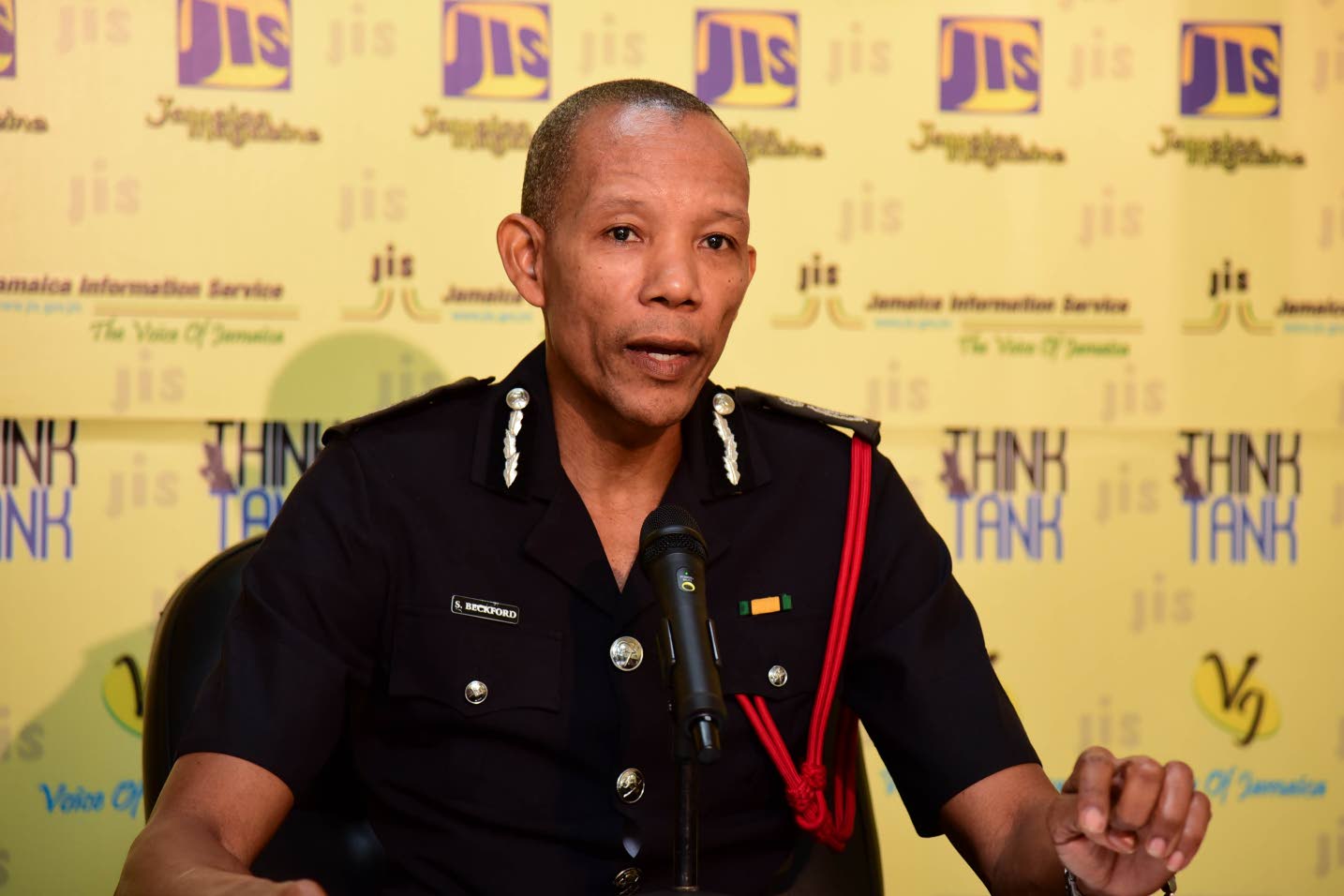
BECKFORD…two Wednesdays ago, we responded to three incidents involving house fires in Westmoreland

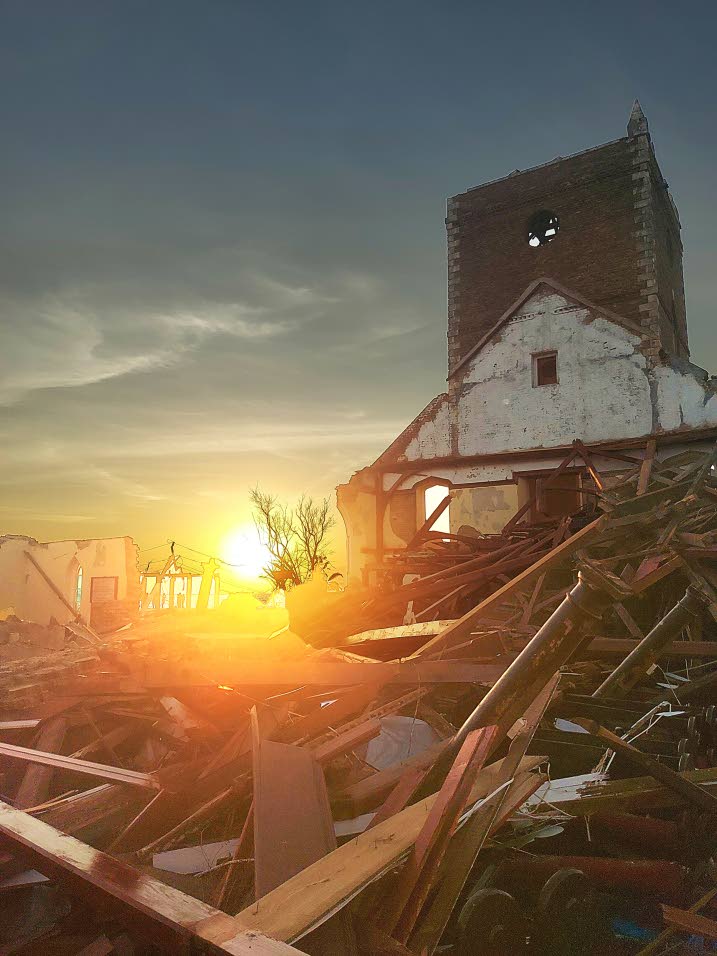
Debris left behind by Hurricane Melissa, near St John’s Anglican Church in Black River, St Elizabeth, is on display in this Jamaica Observer file photo. (Photo: Garfield Robinson)


