



Restoring Orchids Post-Melissa (Part 1)
In various cultures, orchids symbolise resilience, among other things, like luxury, beauty, fertility and strength. That resilience was savagely challenged recently by the raw power of Hurricane Melissa. Across many neighbourhoods, the work of restoring blooms now falls to dedicated gardeners.
For those who poured their time, money, and heart into cultivating these vibrant oases, the loss is devastating, and the thought of rebuilding might seem daunting. However, complete restoration is achievable. By taking careful, measured steps, restarting a thriving orchid collection is absolutely within reach.
Firstly, treat orchids like patients: Assess their condition to determine if they can be salvaged by thoroughly checking for physical damage. However, Plantology876 principal Stacy Thompson cautions gardeners not to be too hasty going into treatment mode. “Immediately after the storm, avoid rushing to prune or repot. Because plants often go into shock after an event, it’s crucial to delay deep intervention,” Thompson shared with Style Observer Gardening (SOG). “Wait three to five days for any hidden damage or delayed symptoms to appear before taking major action.”
After the requisite wait period, isolate damaged plants immediately to curb the spread of harmful pathogens. Using sterilised scissors or shears, trim away all dead or damaged roots and leaves. For those orchids that are damaged, apply fungicide to affected areas to prevent infection by either using professional fungicide or natural alternatives like ground cinnamon.
Orchid survival hinges on proper lighting, and post-storm conditions require an immediate assessment. For outdoor orchids: If the storm caused you to lose large trees or branches, your orchids’ previous filtered light source is gone. Immediately relocate them to a shadier area or beneath a temporary covering to prevent orchid sunburn. If the collection was taken inside for safety, do not leave in the dark while tackling other repairs. Ensure these protected orchids are quickly returned to a spot where they can receive plenty of filtered sunlight. Additionally, orchids sheltered indoors, often suffer from humidity. Mist them frequently with water to prevent dehydration while they are away from their normal environment.
If the orchids were hit by storm surge, immediate action is essential. Salt water is extremely damaging to orchids. Thoroughly flush the pots with fresh water to clear all salt residue. The faster you remove the salt from the plant, the greater your orchid’s chance of survival.
Outdoor drainage is important as heavy rainfall can leave pots saturated, creating a perfect environment for root rot. Inspect all pots and ensure they are drained completely. Eliminating standing water prevents the area from becoming a breeding ground for mosquitoes.
Above all else, patience is paramount. Orchids often take months to bloom, and the recovery period after a major storm will require even more time. The final result, however, makes the effort worthwhile. Join
SOG next week for more on orchid restoration.
Sources: https://www.better-gro.com/orchid-blogs/caring-for-orchids-after-a-hurricane, https://www.motesorchids.com/fogblog/2017/9/12/recovering-from-a-hurricane, https://www.repotme.com/pages/rescue-orchid#:~:text=Isolate%20the%20plant%20from%20others,plant%20is%20free%20of%20parasites.
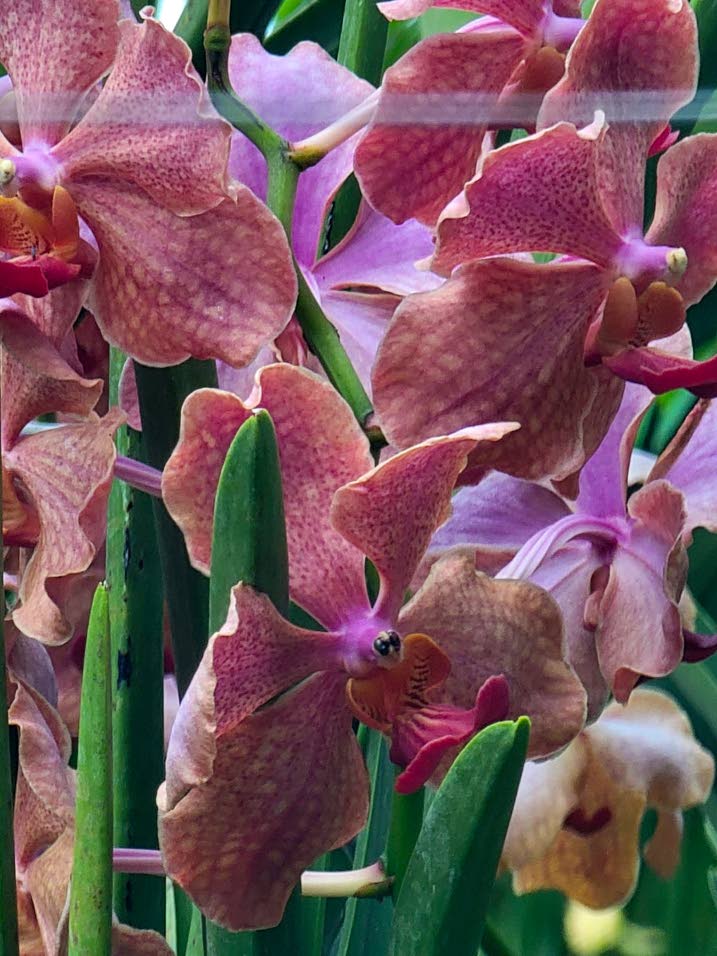
Waling-waling (Photo courtesy of Michelle Bingham Williams)
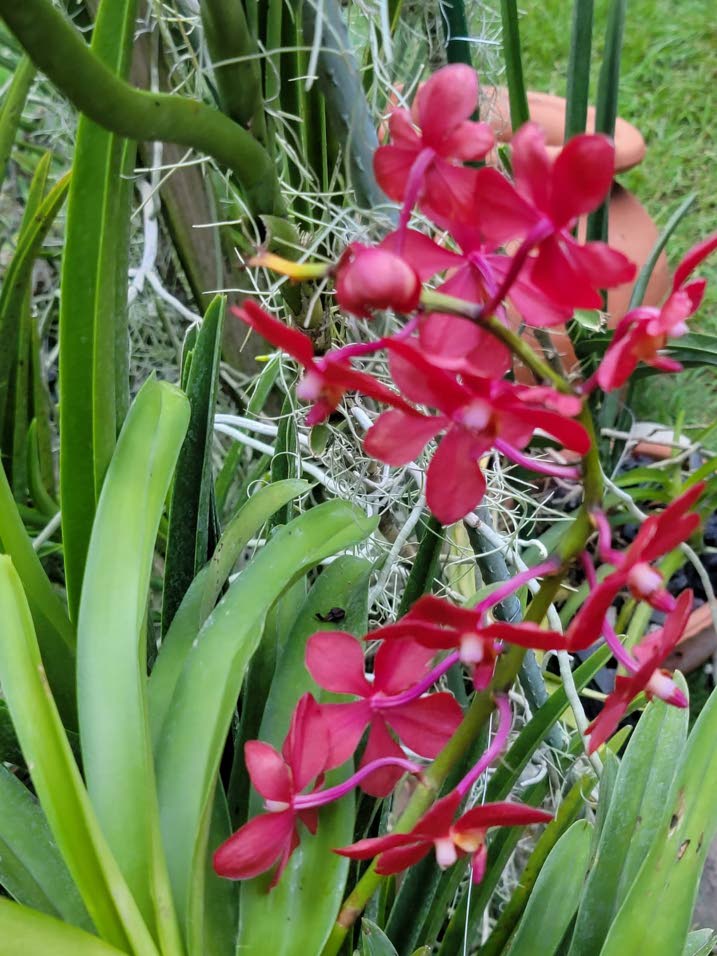
Vanda (Photo courtesy of Michelle Bingham Williams)
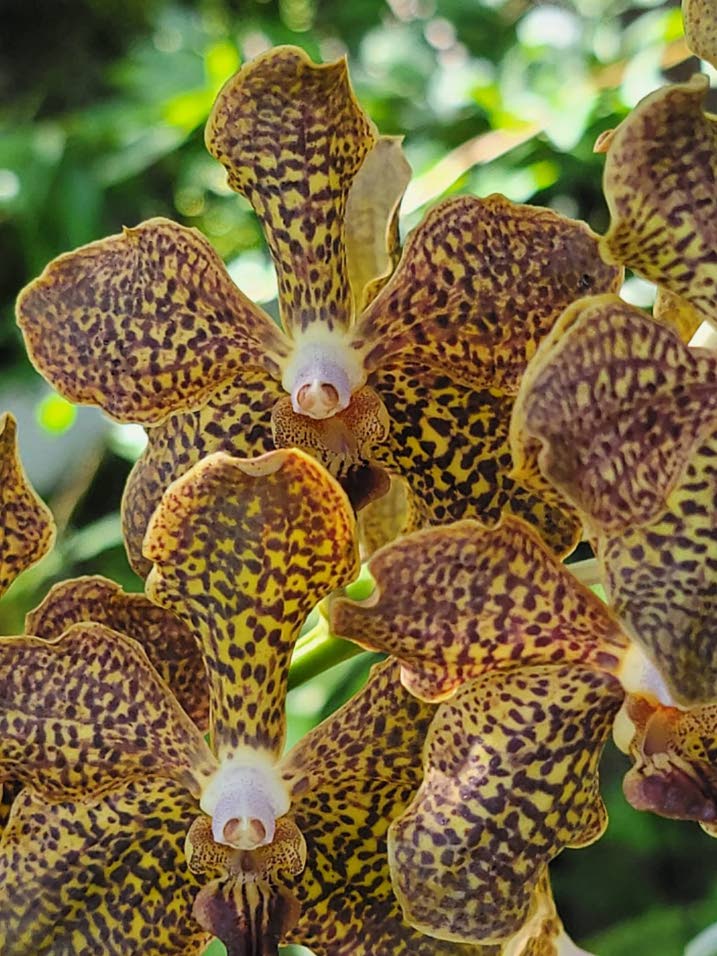
Vanda brunnea (Photo courtesy of Michelle Bingham Williams)
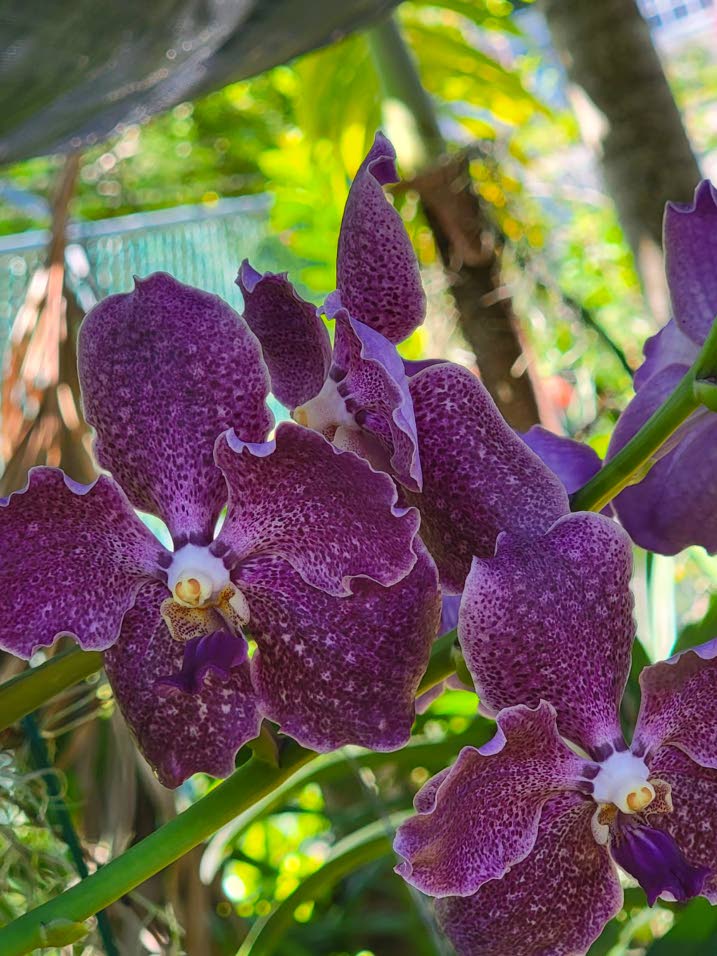
Waling-waling (Photo courtesy of Michelle Bingham Williams)
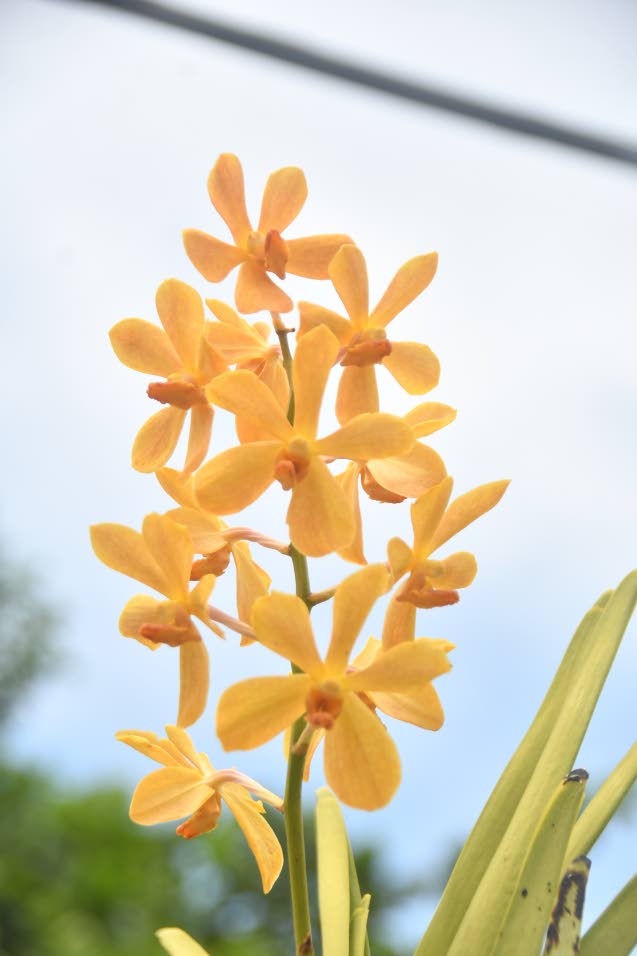
Mokara (Photo: Garfield Robinson)
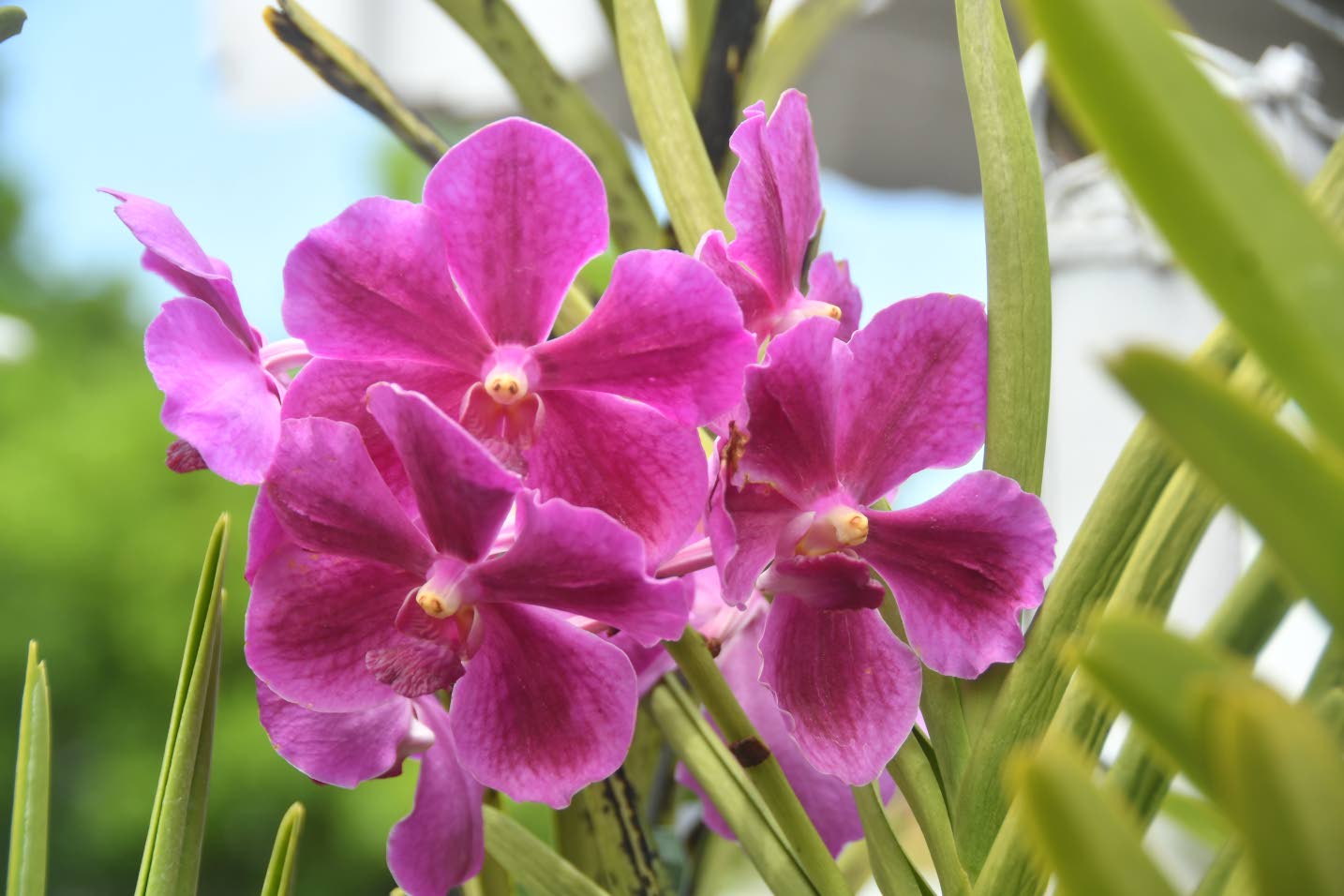
Vanda (Photo: Garfield Robinson)

Stacy Thompson principal, Plantology


