



Final river crossed
Jamaica celebrates life and work of cultural icon Jimmy Cliff
JIMMY Cliff on Monday completed his final crossing after 81 remarkable years of artistry that played a significant role in lifting Jamaican culture from its island shores to the global stage.
News of his death sent a swell of tributes surging across Jamaica and abroad, celebrating the singer, songwriter, and actor whose crystal-clear voice and powerfully haunting lyrics made him one of reggae music’s most respected icons.
His achievements resulted in the Government of Jamaica vesting him with the Order of Merit (OM), Jamaica’s third-highest national honour, on August 6, 2003. He was presented with the honour at the National Honours and Awards Ceremony in October that year.
Prime Minister Dr Andrew Holness described Jimmy Cliff as “a true cultural giant whose music carried the heart of our nation to the world”.
“Through timeless songs like Many Rivers to Cross, The Harder They Come, You Can Get It If You Really Want, and Sitting in Limbo, Jimmy Jimmy Cliff told our story with honesty and soul.
”His music lifted people through hard times, inspired generations, and helped to shape the global respect that Jamaican culture enjoys today,” Holness posted on X.
“We give thanks for his life, his contribution, and the pride he brought to Jamaica,” Holness said and extended condolence to the artiste’s family, loved ones, and every Jamaican who “feel this loss deeply”.
Holness also said Jimmy Cliff’s “legacy lives on in every corner of our island and in the hearts of the Jamaican people”.
Former Prime Minister PJ Patterson, in his tribute, described Jimmy Cliff as “an iconic pioneer whose crystalline voice and visionary artistry transformed Jamaican music into a global phenomenon”.
Hailing the veteran artiste as more than a musician, Patterson said “he was a cultural architect who helped build the bridge that connected Jamaica’s soul to the consciousness of the world. When we honoured him with the Order of Merit… we recognised what the global community had long known: that his contributions to music and film had achieved eminent international distinction and brought immeasurable pride to our nation”.
Patterson, who like Jimmy Cliff attended Somerton Elementary School in St James, though at different times, added: “The creative genius of this legend ensures the immortality of one who sought to inspire and uplift. Through songs like Many Rivers to Cross; The Harder They Come; and Wonderful World, Beautiful People, Jimmy gave voice to the struggles, dreams, and indomitable spirit of our people. His music was never merely entertainment — it was prophecy, protest, and celebration all at once.
“As we mourn his passing, coming just weeks after Hurricane Melissa devastated his native St James, we are reminded of the cyclical nature of life itself. But while storms pass, legacies endure. Jimmy Jimmy Cliff’s music will continue to inspire, his message will continue to resonate, and his contributions will continue to elevate Jamaica’s cultural standing for generations to come,” said Patterson, himself a former music producer who shared a very close relationship with Jimmy Cliff whose discography spans several genres of Jamaican music from ska to rocksteady to reggae.
Opposition Leader Mark Golding, in his tribute, labelled Jimmy Cliff “a legendary son of Jamaica whose influence on our culture and global music is immeasurable.
“Jimmy Jimmy Cliff has occupied a special space in Jamaican popular music and culture. His sound was like no other. His identity was unique. His musical longevity is remarkable,”
Golding added: “Always a rebel, his cause was the upliftment of humanity from injustice and oppression, interlaced with anthems of personal empowerment that have inspired generations.”
Meanwhile, Culture, Gender, Entertainment and Sport Minister Olivia Grange, who also had a close friendship with the icon, said, “Jamaica and the world have lost undoubtedly one of the greatest proponents of Jamaican music and a film pioneer.
“He gave so much of his life to delivering music which had a peculiar and relevant message and resonated in every corner of the globe,” said Grange, who added that he “is no doubt a pioneer of music and must also be appropriately hailed as a legend of our time”.
Jimmy Cliff, real name James Chambers, died at approximately 1:00 am Monday in hospital.
His wife Latifa Chambers announced his passing on Instagram, saying: “It’s with profound sadness that I share that my husband, Jimmy Jimmy Cliff, has crossed over due to a seizure followed by pneumonia. I am thankful for his family, friends, fellow artists and co-workers who have shared his journey with him. To all his fans around the world, please know that your support was his strength throughout his whole career … Jimmy, my darling, may you rest in peace. I will follow your wishes.”
Born July 30, 1944, in St James, he moved to Kingston at an early age.
Although he made his name in Jamaican entertainment in the 1960s, it was his lead role in the 1972 Jamaican film The Harder They Come that catapulted his career.
The film has become a cult classic and is regarded as a cornerstone of Jamaica’s movie industry.
Over the decades Jimmy Cliff compiled an impressive discography spanning several genres of Jamaican music resulting in at least 11 albums.
On Monday, VP Records, the Jamaican-owned independent record company, in its tribute, noted that Jimmy Cliff began his musical journey aged six, performing in the local Pentecostal church.
“Later, inspired by the sounds of Fats Domino and Little Richard, as well as home-grown talents such as Derrick Morgan, his prodigious vocal talents led him to songwriting,” the company said.
It recalled that it was after he moved to Kingston at age 14 that he changed his name to ‘Jimmy Cliff’, as it symbolised the heights he intended to reach, and recorded his first song, Daisy Got Me Crazy for producer Count Boysie and Make It Up for Leslie Kong on his Beverly’s imprint.
The company said that soon after becoming integral in the set-up at Beverley’s Jimmy Cliff and Derrick Morgan auditioned Desmond Dekker and Bob Marley for the label.
“Jimmy Cliff caught the attention of Chris Blackwell at Island Records. Blackwell’s vision of turning the mainstream rock audience onto reggae began with Jimmy Cliff, who initially paired him with the Rolling Stones’ producer Jimmy Miller for the album Hard Road To Travel in 1967.
VP recalled that in 1969 Jimmy Cliff returned to Jamaica and during that era he became a worldwide phenomenon, recording the self-titled album Jimmy Jimmy Cliff that year, which included evergreen hits such as Wonderful World, Beautiful People; Many Rivers To Cross; and
Vietnam.
“The album cover photograph also piqued the interest of director Perry Henzell, who rang Blackwell to pitch the idea to Jimmy Cliff of playing the lead in The Harder They Come.
In the years that followed, Jimmy Cliff continued to record and maintained an extensive tour itinerary that saw him deliver huge performances in Africa, Europe, North and South America, as well as across the Caribbean.
In 2010 he was inducted into the Rock And Roll Hall Of Fame and in 2012 he won the Grammy for Best Reggae Album with the solo effort Rebirth.
”He was at true pioneer whose passion, vision, and unwavering commitment profoundly shaped the appreciation of Jamaican music,” VP Records said.
“Throughout his life and distinguished career, he championed its positive messages, opening doors, building bridges, and inspiring countless individuals across cultures and generations. His contributions leave an indelible mark on our industry and all who had the privilege of working with him,” the record label added.
In March 2019 the Jamaican Government spearheaded the renaming of the Hip Strip in Montego Bay to Jimmy Jimmy Cliff Boulevard.
In January 2021, the Government also presented him with an official passport in recognition of his status as a reggae ambassador and during Jamaica’s 55th Independence anniversary celebrations he was specially recognised for his outstanding contribution to Jamaica and the world.
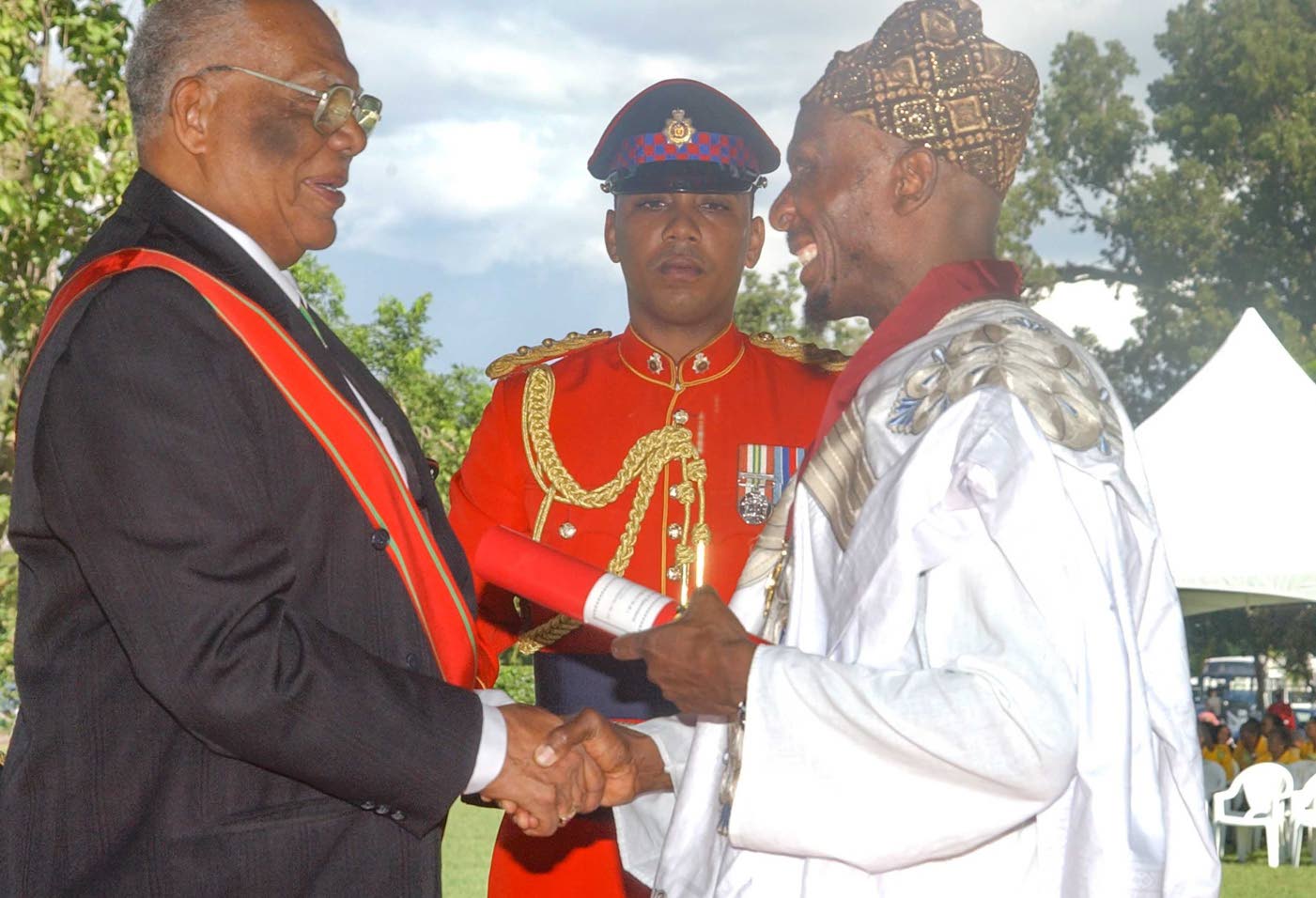
Jamaican music icon Jimmy Cliff (right) is vested with the Order of Merit, Jamaica’s third-highest national honour, at the National Honours and Awards Ceremony in October 2003 by then Governor General Sir Howard Cooke.
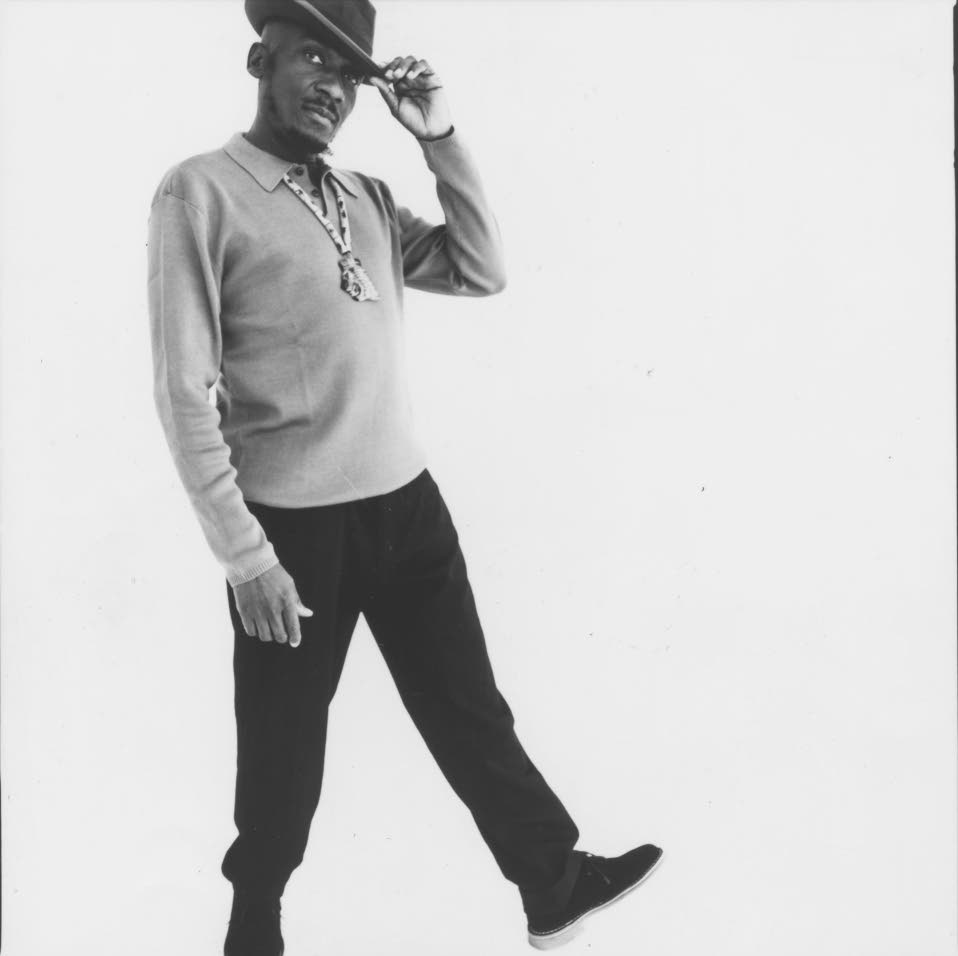
Jimmy Cliff began his musical journey aged six, performing in the local Pentecostal church.
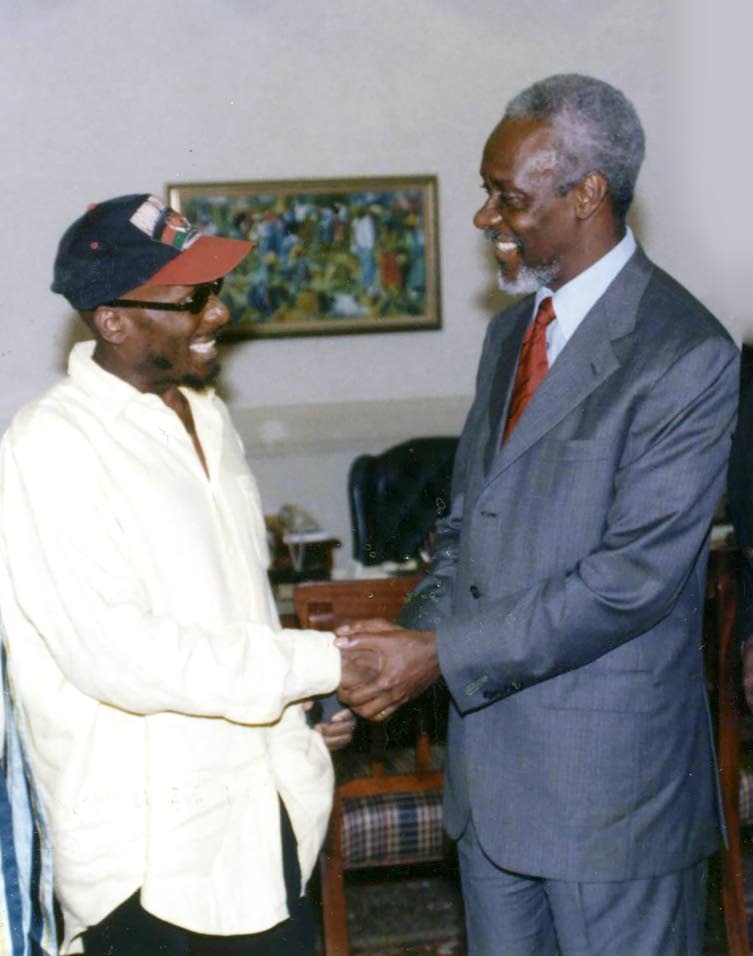
In this file photo Prime Minister PJ Patterson (right) greets Jamaican music Icon Jimmy Cliff.

Jamaican reggae legend Jimmy Cliff sings at the Gurten Festival near Berne, Switzerland, in this July 20, 2003, file photo.
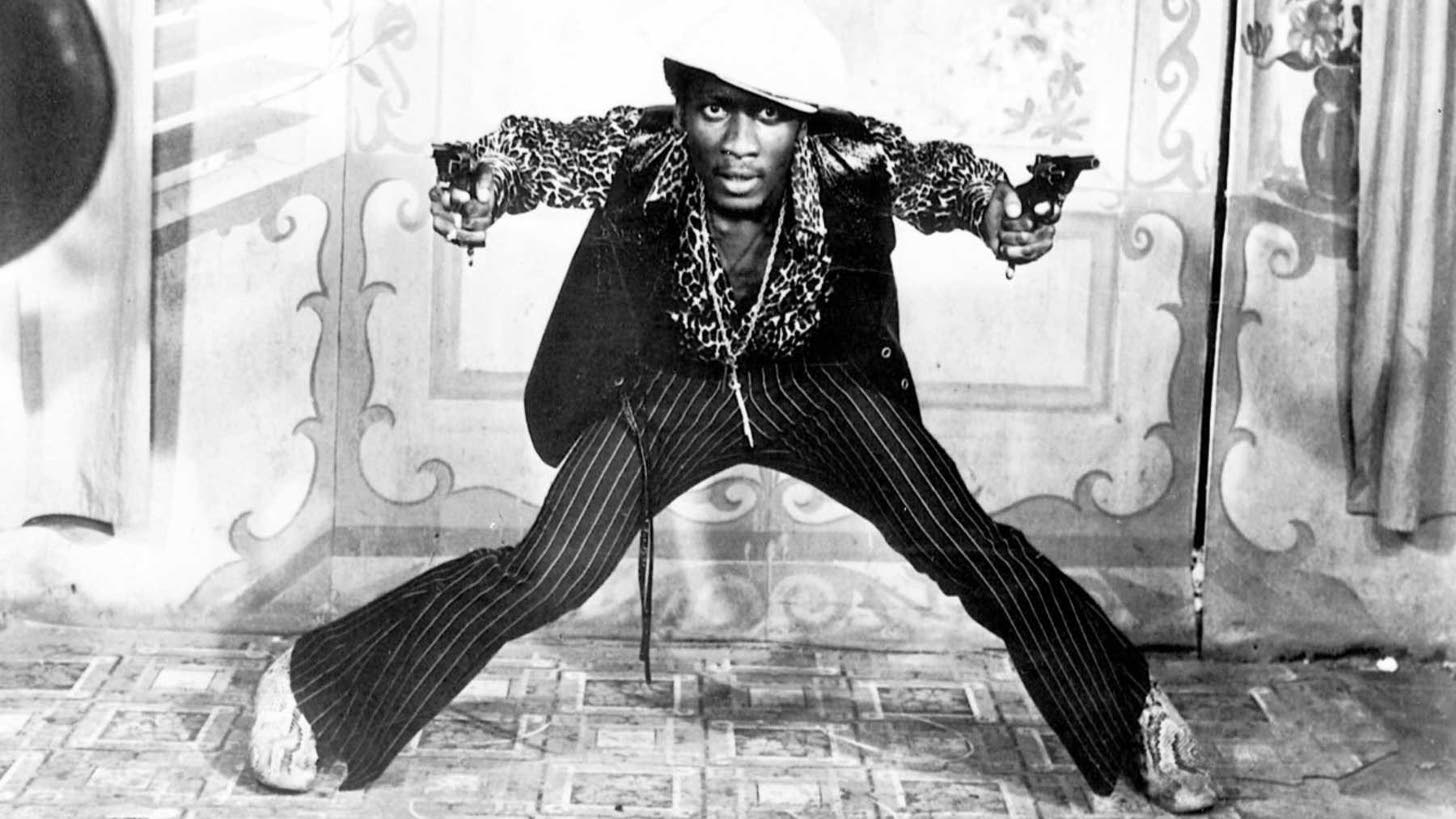
This photo of Jimmy Cliff in his role as Ivanhoe “Ivan” Martin from Perry Henzell’s 1972 cult classic The Harder They Come is one of the images most associated with the singer and actor who died on Monday. He was 81.


