



JPS CEO points to importance of energy mix
...backs selective use of underground cables
CEO of the Jamaica Public Service (JPS) Company Ltd, Hugh Grant has emphasised the importance of having multiple energy sources to help the country keep the lights on, especially during national disasters.
“[If] you have the luxury of an interconnection to another state or facility to bring power in when you’re down, then it’s a different dynamic. But when you stand alone on an island it’s important that you have a diverse fuel mix,” stated Grant.
He was responding to a question from the Jamaica Observer at a media briefing in Negril, Sunday, on the way forward given that Eight Rivers Solar Park in Paradise, Westmoreland, was destroyed during the pounding Hurricane Melissa gave sections of the country.
The 37-megawatt facility is one of a number of renewable plants in Jamaica. Another well known source that supplies energy to the JPS network is Wigton Energy Limited (formerly Wigton Windfarm Limited) in St Elizabeth.
The limits of renewables became more apparent as Grant explained that days before the hurricane, all of those power sources were shut down. He also noted that days following the storm, some remain unavailable.
“If we were dependent on just renewables we wouldn’t have been able to ride through the hurricane and keep 23 per cent of our customers in service. That is part of our reality,” stated Grant.
While fuel prices on the world market continue to soar and push up Jamaica’s electricity bill, the JPS CEO noted that diversification had provided a buffer.
“It was actually diesel oil — a thermal fuel for our plants — that was what was holding us together to ride through this,” he explained.
Responding to a question from Negril resident Lenbert Williams on whether JPS was exploring running its network underground, as done in other countries, Grant chose his words carefully.
“You know why I appreciate the question so much? I operated in New York for over 25 years with one of the largest underground infrastructure — more than 100,000 miles — so I do underground systems very well. I have built them and have operated them, so let me tell you about underground systems,” he began.
“Underground systems come at a tremendous cost. The cost to underground the system here [in Jamaica] is going to be more than 10 times the cost that we have right now,” stated the JPS CEO.
Then there are the maintenance costs.
“If you have a fault on that cable, how are you going to find the fault? You need special equipment to go in and send what I call tracing current and figure out where the fault is. You have to have submersible equipment in terms of transformers that can be inundated with water and still operate,” explained Grant.
Those factors are why he believes a partial underground system is more ideal for Jamaica.
“We could look at some major corridors with critical facilities and partner to figure out how we could [do] selective underground [systems],” stated Grant.
He questioned what it would look like to undertake such a costly project in Negril.
But, despite the challenges, the CEO said the company has not ruled out the possibility of going underground.
“It is something that we have on our radar. It is something where we are looking at [different] models and is something that we will… continue to look at,” Grant said.
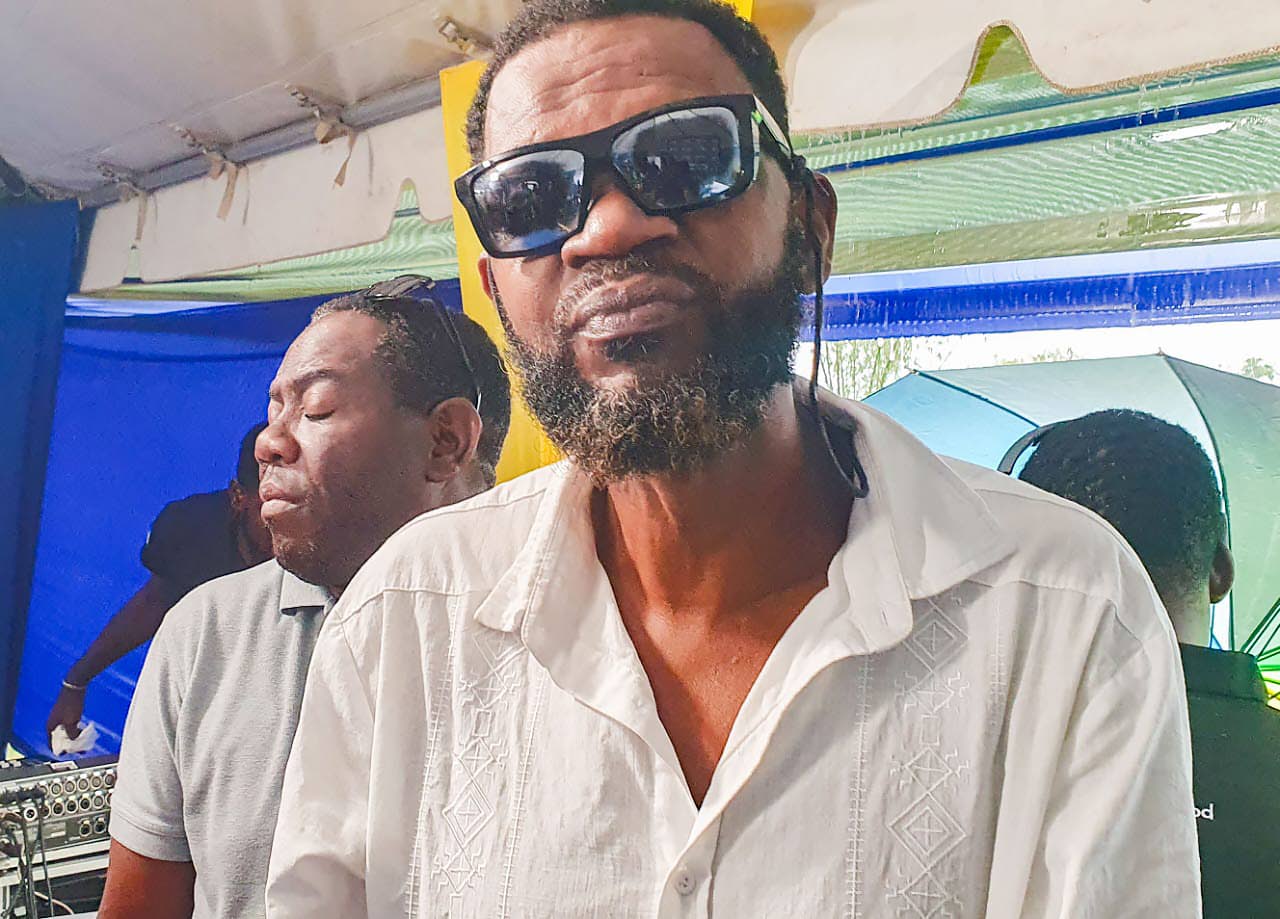
Negril resident Lenbert Williams who posed a question about underground cables during a JPS update in Negril on Sunday. (Anthony Lewis)


