Jamaica ‘not out’
J’can leaves Canada for home after Melissa, calls on others to follow suit
FOR Don Woodstock, a Jamaican living in Canada, the decision to return home after Hurricane Melissa was an easy one, especially after repeated attempts to reach family members in the hardest-hit areas proved difficult.
As he walked through communities devastated by the Category 5 hurricane that ravaged Jamaica on October 28, Woodstock said he was moved by the resilience of the people and the opportunity to offer meaningful, face-to-face support.
Being on the ground, according to Woodstock, has brought the true scale of the need into sharp focus. He is, therefore, urging the more than four million Jamaicans living overseas to consider taking a trip home. He believes their presence could have a greater impact on the hard-hit individuals who are craving personal connections with those willing to help.
“There are people out there who love this country, who weren’t born here but appreciate the country, but what is missing is us answering the call in droves. Yes, the musicians are going to do their thing; yes, a few political people are going to do their thing; yes, a few millionaires are going to do their thing, but we need a rally cry that touches everybody and every walk of life.
“If you have $10,000 to go and spend, book a ticket and go spend your $10,000. If all you have is $1,000, with that [money] just book your ticket; book your ticket and come. At the end of the day, that $1,000 that you’re coming here to spend is a lifeline to someone. That person is going to look you in the eye, you’re going to look that person in the eye, and feel connected to somebody,” said Woodstock.
Born and raised in Ginger Hill, St Elizabeth, Woodstock shared with the Jamaica Observer that, while he left Jamaica in 1996, the island has never left him. In fact, he said he is still very connected to his family in Jamaica and his heritage.
He explained that after three cancelled flights, he and his family arrived in Jamaica on November 18, three weeks after Melissa made landfall. Since then, they’ve been doing all they can to assist eight relatives living in St Elizabeth, Hanover, Westmoreland, and Trelawny.
He said they’ve also assisted individuals they’ve encountered along the way. One of those individuals was a young lady who, Woodstock learnt, had been abandoned in her time of need. He related that she expressed gratitude that a stranger found it in their heart to visit her, show compassion, and extend support.
“That is what people are looking for, that’s the hope people are looking for. It’s not political handouts; yes, politician handouts will come, they’ll eventually get to people, but in the interim we got to lift the soul of the people who are affected, and the way to do that is not to stay a foreigner and send $10 to them. I don’t believe that one bit.
“People want to see you come and say, ‘Make me sit down and do something to help you,’ ‘Let me nail up a zinc fence with you,’ ‘Let me help you clean out something.’ Simple things like those will make a big difference,” he said while appealing to members of the diaspora.
Woodstock told the Sunday Observer that one of the most devastating phone calls he had after the passage of Hurricane Melissa was with a cousin. Woodstock had called him to find out if he had made contact with another relative. However, telecommunications connectivity issues led him to believe, for a split second, that the other relative could not be found, and his “stomach dropped”.
“When I finally got hold of him, because of the telecommunication issues, the [signal] was coming and going. For WhatsApp messages and direct phone calls we were hearing bits and pieces, not full sentences. So, for about a week everybody was on pins and needles, [having] sleepless nights. I said, ‘No, I am going to go to Jamaica no matter what,’ ” he recounted.
When he finally reconnected with family in Jamaica, he was overjoyed.
“I started talking to people on the ground, and I recognised that, yes, we have been broken, shaken, stirred, kicked in the mouth, we have been kicked in the stomach, and we have been punched down… A lot of folks lost their life; loved ones, their house is gone — water, mud, and other things cover a whole neighbourhood. Yes, we get that, but the general theme is that we’re not out, we’re alive,” said Woodstock.
He noted that many government workers are operating in buildings with no roofs, and citizens are living under tarpaulins and in tents. Yet, many citizens still find joy in their circumstances, and he is happy to bear witness to it all.
While he does not have much to give, Woodstock said: “My sincere prayer is that the good Lord would take my five loaves and two fish and multiply them.”
He again appealed to members of the diaspora to come home, emphasising the importance of human connection and their presence in the midst of disaster.
“I guarantee you, people will be in a much better shape. I am confident in what I have seen, in the strength and the resilience of the people. I am very confident that all we need to do, as people who live outside of this beautiful island, is book a flight and find our way back to Jamaica. That’s all we have to do. No matter how much time the flight is cancelled,” he charged.
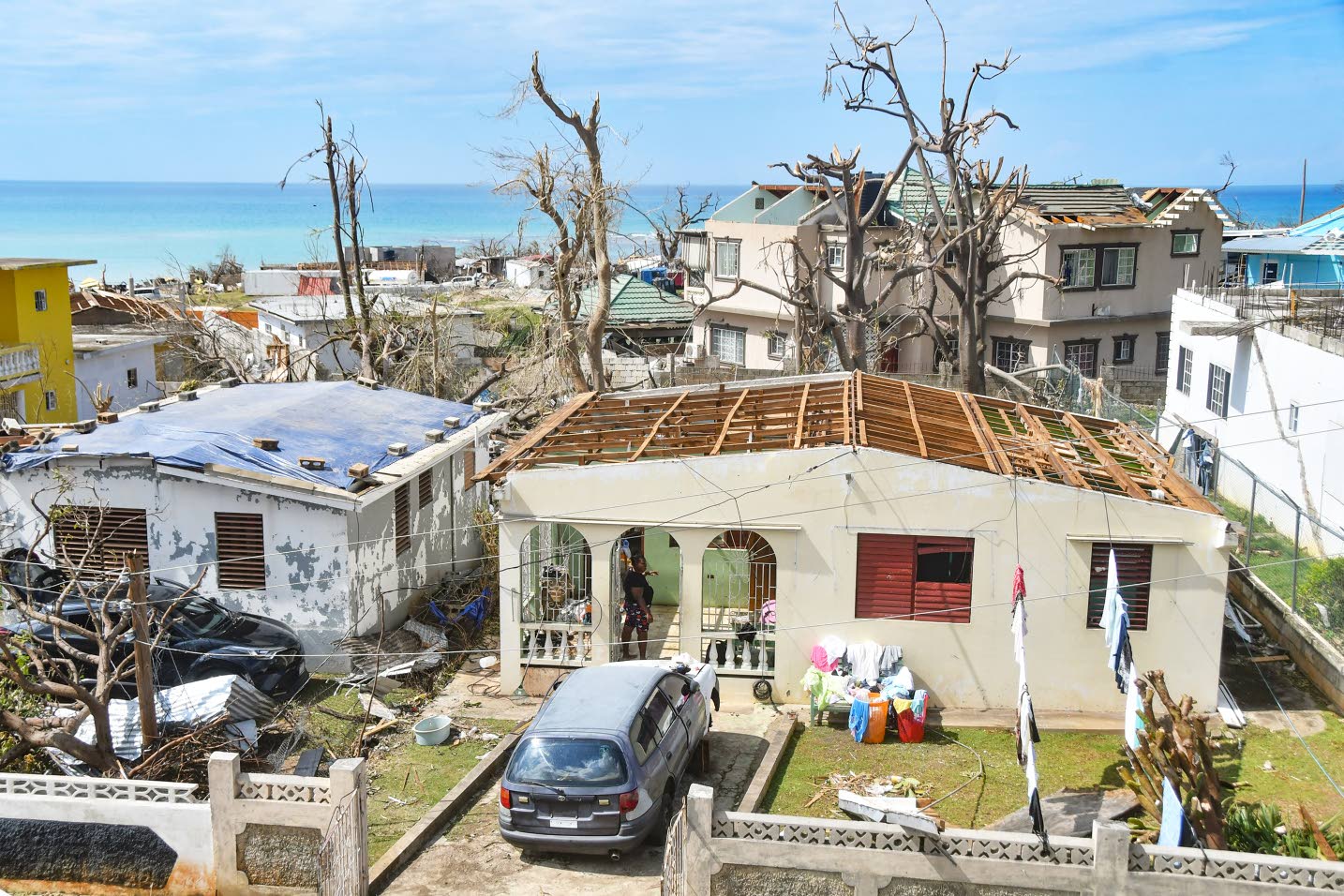
The parishes hardest hit by Hurricane Melissa are St Elizabeth, Westmoreland, St James, Hanover and Trelawny. (Photo: Garfield Robinson)
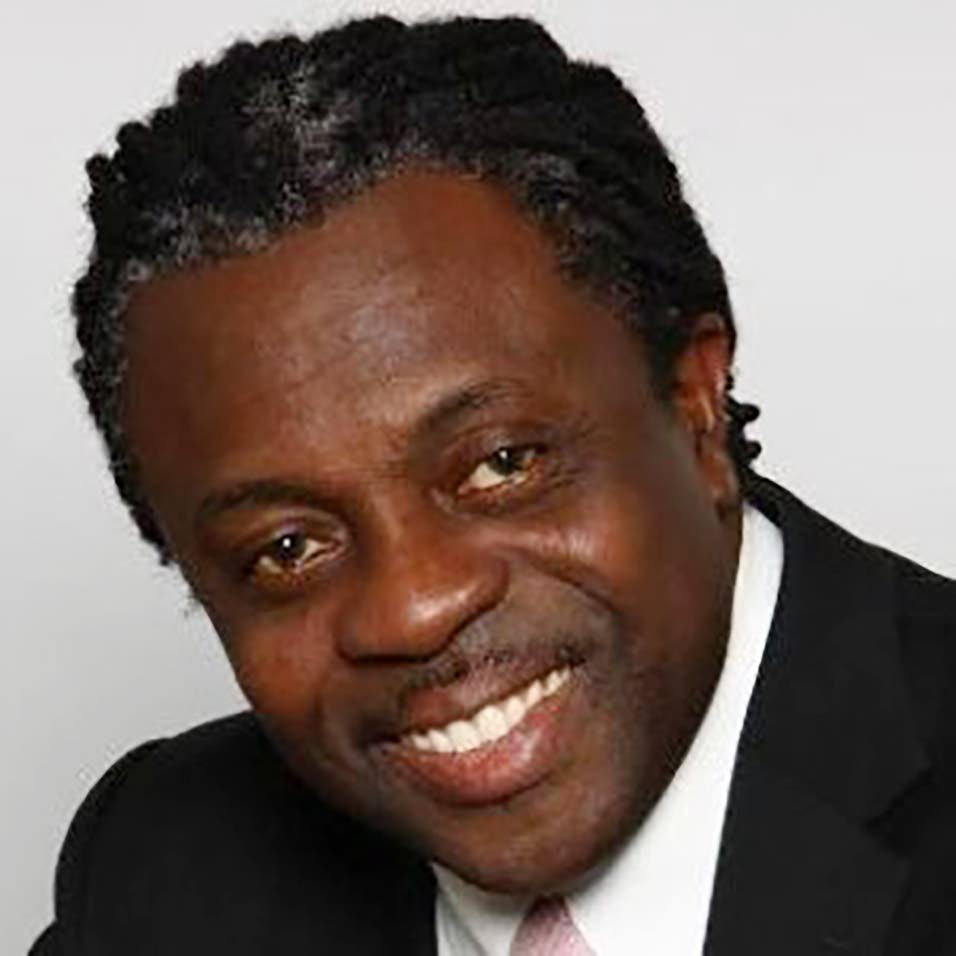
Don Woodstock, a Jamaican living in Canada.