Trauma coping strategies for teachers
Guidance counsellor Bishop Dr Jeremy McGregor has welcomed a recent session by the Ministry of Education on psychosocial measures to address the trauma left behind by Hurricane Melissa.
The session was hosted by the ministry in collaboration with Pamella’s Sunrise Foundation and Jamaica Poets Nomadic College and School Tour.
Thanking the ministry for the session that was geared to helping educators grasp coping strategies, Dr McGregor said that it sharpened the empathetic skills of how you processed grief and emotions.
“The hurricane deeply affected national psyche and has opened up room for us to be more helpful and attentive to the vulnerable,” said Dr McGregor who works at Trench Town Polytechnic School.
He argued that going forward counsellors should regularly leave Kingston and be on the ground in the hardest hit areas.
“As counsellors we should be travelling in partnership with the ministry and mental health professionals going to affected areas two to three times each week with care packages as well, addressing students, members of the school community, and parents.
“We should be staging Back to Jamaica Day – spreading hope through counselling, poetry, songs and storytelling – thinking out of the box with new strategies to connect with people at their level. We have to be the agents of the new psychosocial pattern that is needed. It can’t be business as usual,” added Dr McGregor.
The online session was interactive and designed to mirror an in-person therapeutic visit using guided questions to help educators move towards positive outcomes and healing.
Hosted by Kennecy Davidson, head of the education ministry’s Guidance Counselling Unit, the main presentations were made by Dr Marjorie McWilliams, director of counselling at Pamella’s Sunrise Foundation; Denise Johnston, its founding director; poets Malachi Smith, founder of the School Tour; Curtis Myrie, journalist and author; and Dr Natalie Corthesy, senior lecturer at The University of the West Indies, Mona.
Dr McWilliams addressed several topics including normal responses to hurricanes, healthy grieving, practical strategies for educators coping with trauma, and the importance of self-care as she reminded participants to “put on their own life vest first”.
She also discussed how educators can support students’ recovery, how to recognise when additional mental health help is needed, and the role of faith in times of trauma.
In the meantime, Johnston explained how faith factored into her own trauma experience — her sister Pamella Johnston was the first female member of the Jamaica Constabulary Force killed in the line of duty.
Johnston stressed that through faith people could transform their life from pain to purpose.
She highlighted the importance of finding a support group or supportive friend to talk about the trauma.
“You should not let anyone shut you up about it,” she said as she noted the many times she was asked, “Are you talking about the killing of your sister again?”
According to Johnston, “Healing doesn’t come without talking and working through it.”
Meanwhile, long-serving guidance counsellor at St Elizabeth Technical High School (STETHS) Eackle Levy, who was not a participant in the seminar, argued that it cannot be business as usual as children return to the classrooms post-Melissa.
“We were hit hard [and] it is very bad, but we’re trying to work with what we have to see how far we can go,” said Levy, who has been guidance counsellor at STETHS since 2013.
“There are mental challenges as a lot of parents are unemployed, farmers losing their livelihood, with families having to be relocated and many still staying with relatives and friends. A number of students are withdrawn — only talking about [the impact of Melissa] when increasing group sessions are held, sharing how they are affected with some bursting out and crying.
“Individual follow-up sessions are held. Many have admitted that they have now learnt not to take hurricanes for granted — as they were outside playing,” said Levy. According to Levy, she is pleased that the education ministry has given the go ahead for the guidance counselling curriculum to be adjusted — with sessions now placing more emphasis on psychosocial and emotional needs.
“We have to get the students back to that place where they can function normally as they used to do before. We have to also bear in mind that with the loss of livelihood for many parents we have to provide more free meals to students.
“Care packages are needed and we now have to contribute to their transportation costs to enable more students to attend school,” said Levy as she pointed out that there will be an overload on the guidance counselling departments as schools resume post-Melissa.
“We would therefore welcome more mental health professionals in schools. With so many schools in Region 5 [Manchester and St Elizabeth] we certainly need more sessions for students — and educators too who have also been affected and are faced with these traumatic challenges as well. More engagement is a plus,” added Levy.
The Jamaica Poets Nomadic College and School Tour will be part of the effort to help members of the school community deal with the post-Melissa trauma with its motivational messaging.
Initially set for November 1-15 and postponed following the hurricane, the tour is now being staged from December 1-13.
Sponsored by a recently registered company DONKARDLA, the tour will visit schools in the affected from December 1–6 with care packages to be provided by LASCO.
The tour will then focus on schools primarily in St Catherine and Kingston and St Andrew from December 8-13.
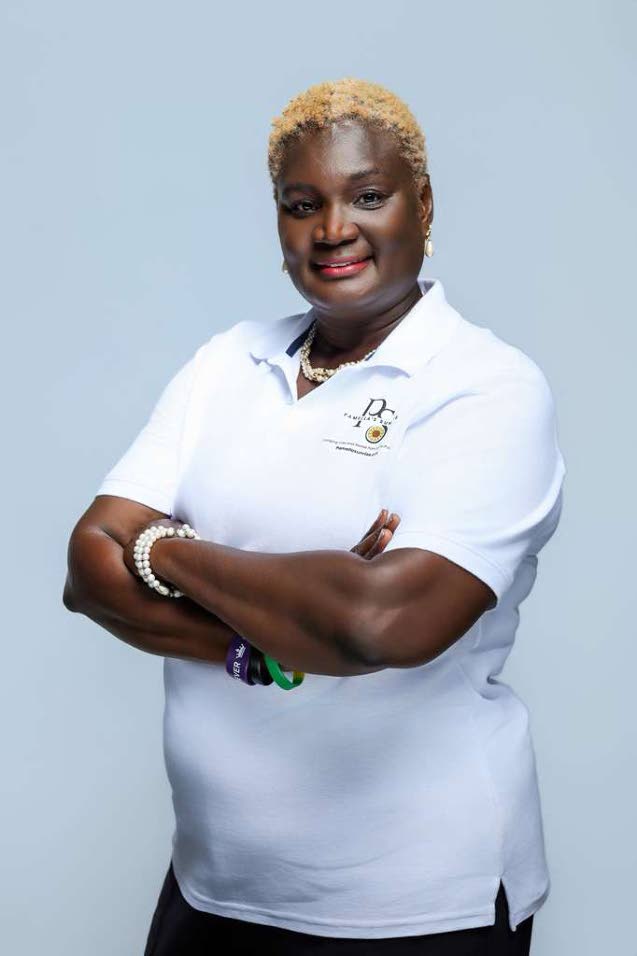
JOHNSTON… healing doesn’t come without talking and working through it
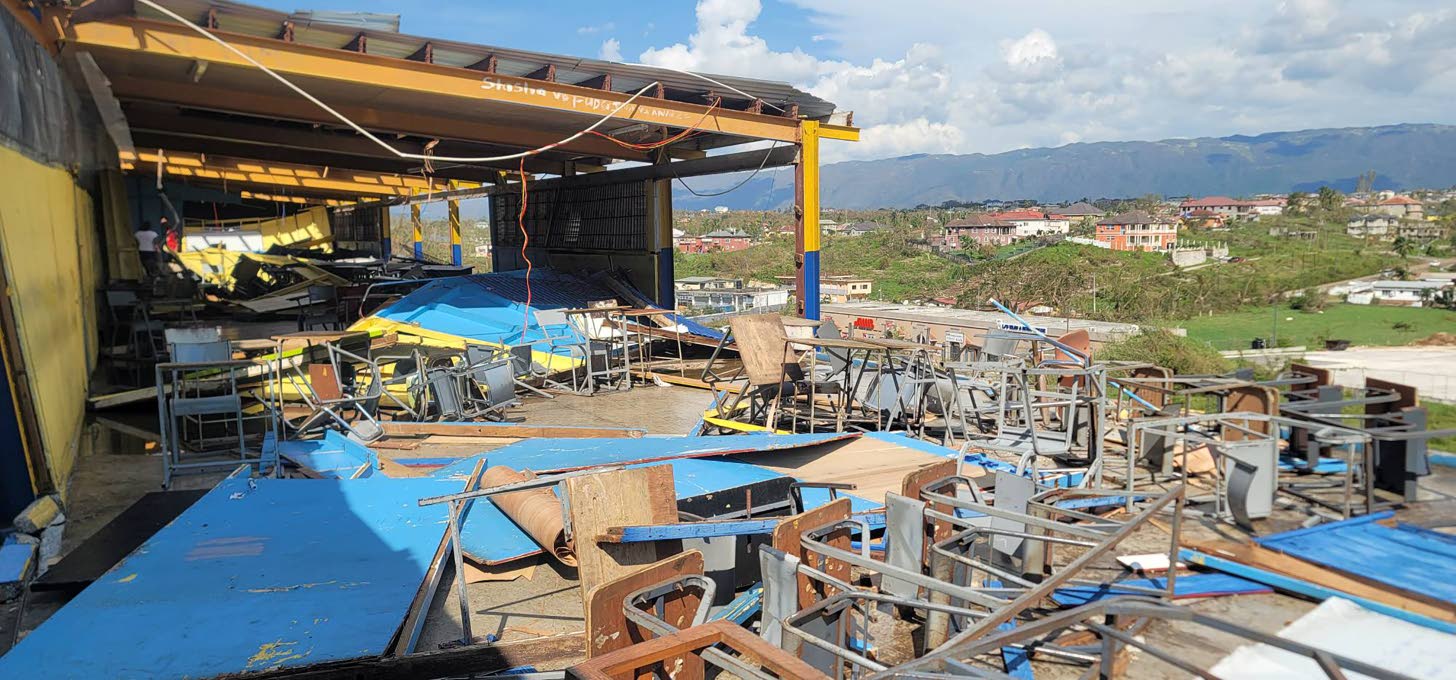
A section of St Elizabeth Technical High, one of many high schools in the country damaged by Hurricane Melissa.