



Before you go live…
Live streaming has quickly become one of the most popular ways to connect online. From sharing daily routines to promoting businesses, platforms like TikTok, Instagram, Twitch, and YouTube allow anyone to broadcast themselves to an unlimited audience in real time.
The attraction is clear: Live video feels authentic, immediate, and interactive. But while the opportunities are exciting, live streaming also carries serious risks for both those who broadcast and those who watch.
In May 2025, the tragic case of Mexican influencer and entrepreneur Valeria Márquez highlighted these dangers on a global scale. Márquez, who had built a large following on
TikTok, was live-streaming from her beauty salon when she was fatally attacked on camera. Her death drew international attention not only to Mexico’s femicide crisis, but also to the vulnerability that comes with sharing real-time content.
Her story serves as a reminder that live streaming, though engaging and entertaining, is not without risks.
The risks for streamers include:
1) Inappropriate content and impulsive behaviour: The live format encourages spontaneity, but this can lead to regrettable decisions. Under the pressure of being watched in real time, streamers — especially children and teens — may say or do things they would not normally consider offline. Jokes, arguments, or actions performed “in the moment” can quickly spiral out of control. Even if deleted, streams can be recorded and circulated, leaving behind a permanent digital footprint that may damage reputations or careers.
2) Privacy and doxxing: Privacy is one of the most significant risks of live streaming. Streamers often share personal details without realising it — such as street signs, licence plates, or the view outside a window. This information can reveal a location and make someone vulnerable to stalking or harassment. In some cases, streamers become victims of doxxing, whereby personal information, like a home address, school, or phone number, is deliberately exposed online.
3) Online harassment and cyberbullying: Going live exposes individuals to public commentary in real time. Unfortunately, this often invites trolling, cyberbullying, or harassment. Negative comments can affect mental health, while more aggressive forms of online abuse can escalate into coordinated attacks.
4) Exploitation and targeting: Predators may use live streams to exploit vulnerable individuals. Both children and adults can be targeted by strangers who misuse the interactive nature of live video to manipulate, groom, or threaten them. In extreme cases, as seen with Valeria Márquez, streamers can also become vulnerable to real-world violence. Her death underscored how easily criminals can exploit the visibility of live streaming to locate and target individuals.
Live streaming is not only risky for those who broadcast but also for those who watch. This may take the form of:
1) Exposure to inappropriate content: Because live content is difficult to regulate in real time, viewers — especially children — may unexpectedly encounter offensive, violent, or sexually explicit material. Unlike pre-recorded videos, live streams cannot be fully screened before broadcast, making age-inappropriate exposure a constant risk.
2) Scams, malware, and fraud: Not all live streams are hosted on official platforms. Unauthorised or unregulated sites may contain links to malicious software, phishing schemes, or fake donation pages designed to steal personal or financial information. Clicking on these links can compromise devices and lead to identity theft.
3) Unpredictable and unfiltered content: Viewers must also recognise that live content can take unexpected turns. A stream that begins innocently may suddenly involve disturbing events or illegal activity. Because of the unfiltered nature of live video, there is no guarantee that what viewers see will be safe or appropriate.
Beyond the risks faced individually by streamers and viewers, there are broader dangers tied to live streaming as a technology, such as:
1) Cyber threats: Public live streams can attract cyberattacks. Streamers may experience distributed denial-of-service (DDoS) attacks that disrupt broadcasts or expose sensitive data. Hackers may also target accounts to gain unauthorised access, posing risks to both personal and financial security.
2) Legal consequences: Live streaming has legal implications. Broadcasting offensive or illegal content, engaging in harassment, or violating copyright laws can lead to penalties under cybercrime regulations. Many streamers mistakenly assume that online behaviour is exempt from legal consequences, but laws increasingly extend to digital activity.
3) Misconception of impermanence: A common misconception is that live streams disappear once the broadcast ends. In reality, anyone can record and redistribute a live stream without the streamer’s consent. Words and actions shared in a moment of spontaneity can be permanently preserved and circulated, often beyond the individual’s control.
The risks of live streaming should not discourage people from using it altogether. Instead, they highlight the importance of awareness and precaution. Both streamers and viewers can take steps to protect themselves.
For Streamers:
•Use privacy settings to limit who can view or comment on streams.
•Avoid sharing identifiable details like addresses, schools, or workplaces.
•Stream with a short delay to allow content moderation before it goes public.
•Think carefully before broadcasting sensitive or emotional moments.
For Viewers:
•Stick to trusted platforms with moderation systems in place.
•Do not click on suspicious links or donation pages.
•Report inappropriate or harmful content when encountered.
•Parents should supervise children’s viewing habits and educate them on online safety.
For Everyone:
•Remember that live streams are not temporary; they can be saved, shared, and accessed indefinitely.
•Treat live content with the same level of caution as any other permanent digital record.
Live streaming is a powerful tool that connects people across the globe. It provides entertainment, builds communities, and even creates new business opportunities. Yet, as the case of Márquez tragically illustrates, it also comes with profound risks. Márquez’s murder while broadcasting online demonstrated how visibility and accessibility in the digital age can make individuals vulnerable — not only to online harassment but also to real-world harm.
The dangers of live streaming range from cyberbullying and scams to lasting digital footprints and, in rare but devastating cases, physical violence. By understanding these risks and practising safer habits, both streamers and viewers can reduce their exposure and make live streaming a safer experience.
Courtanae Heslop
courtanaewrites@gmail.com
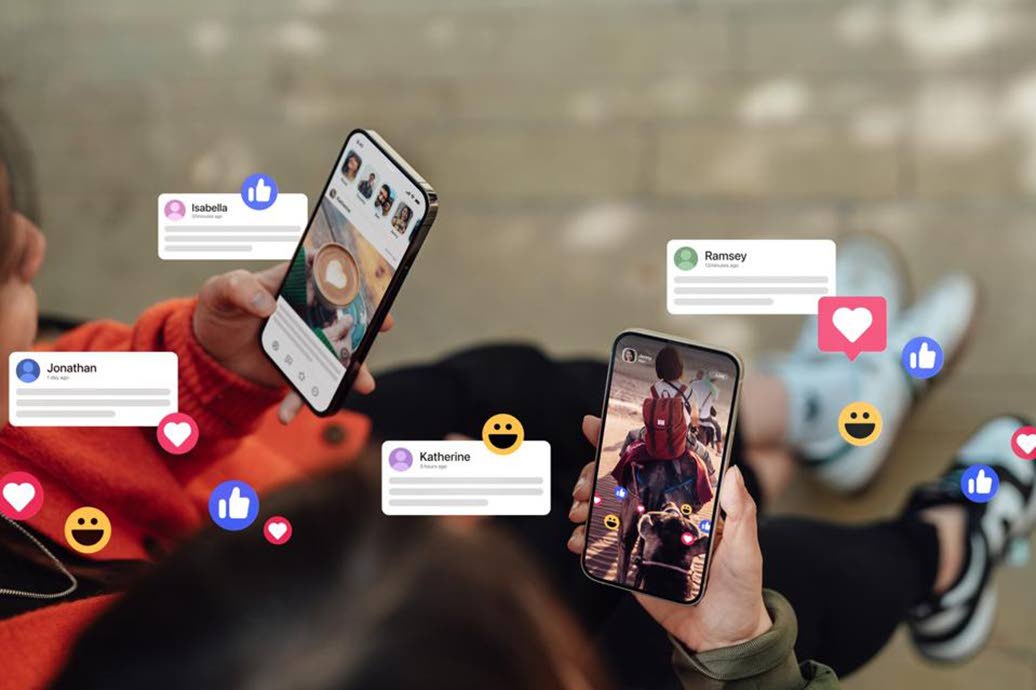
The dangers of live streaming range from cyberbullying and scams to lasting digital footprints and, in rare but devastating cases, physical violence.


