



Rebuilding your investment portfolio after Hurricane Melissa
HURRICANE Melissa forced many Jamaicans to make difficult financial decisions in a matter of days, including drawing down on long-term investments to rebuild homes and restore a sense of normalcy. While this setback was unavoidable, it highlights the importance of rebuilding with intention and creating a more resilient financial foundation for the future.
The process of reconstruction provides an opportunity not only to replace what was lost, but to strengthen your financial strategy so that you are better protected whenever an emergency occurs.
The first step in restoring financial stability is replenishing your emergency fund. During the aftermath of Melissa, many households realised how essential liquidity is in moments of crisis. An emergency fund acts as the first line of defence and should ideally cover a few months of essential living expenses. This reserve should be held in safe, liquid instruments, such as repurchase agreements, where funds can be accessed quickly without incurring any loss. An adequate emergency fund helps ensure that future events do not force you to liquidate long-term investments at unfavourable times.
Once adequate liquidity is restored in the form of an emergency fund, attention can shift to rebuilding an income-generating investment portfolio. Hurricane Melissa also disrupted cash flows for many families, reinforcing the value of stable, predictable income. A well-structured, US-dollar (USD) bond portfolio can provide this stability, offering consistent interest payments regardless of short-term market volatility. Owning investment-grade bonds, diversifying across sectors, and staggering maturities can help create a portfolio that generates strong income while maintaining flexibility. This structure ensures that even in periods of recovery your investments continue to support you with reliable and consistent earnings.
Jamaica as a country conveyed a powerful lesson in preparedness through its use of the catastrophe bond, which was designed to provide immediate liquidity when a major natural disaster occurs. When the hurricane struck, this bond was triggered, delivering pre-arranged funding that reduced the need for emergency borrowing. This is the perfect real-world example of how your own emergency fund should function: available, reliable, and sufficient at the exact moment it is needed. Jamaica’s forward-thinking approach underscores the value of planning ahead, long before the crisis unfolds.
Layering financial protection through insurance, savings, and diversified investments also helps reduce vulnerability and ensures faster, less stressful recovery in the future. As we focus on rebuilding, it is useful to reflect on the broader financial lessons uncovered during the storm. Along with saving and investing, assess whether your insurance coverage is adequate, and ensure your policies include protections that can prevent out-of-pocket surprises during a disaster.
Ultimately, Hurricane Melissa served as a reminder that financial resilience is built long before a disaster strikes. Rebuilding your investment portfolio is not simply about recovering lost ground but about ensuring that your finances are stronger, more diversified, and more adaptable going forward. Whether through restoring your emergency fund, creating an income portfolio, or strengthening insurance coverage, each step helps provide greater security and confidence. The storm may have caused damage but it has also underscored the importance of thoughtful preparation so that the next time life becomes unpredictable, your financial future remains steady and protected.
Dwayne Neil, MBA, is the AVP, personal financial planning at Sterling Asset Management. Sterling provides financial advice and instruments in US dollars and other hard currencies to the corporate, individual and institutional investor. Visit our website at www.sterling.com.jm Feedback: if you wish to have Sterling address your investment questions in upcoming articles, e-mail us at info@sterlingasset.net.jm.
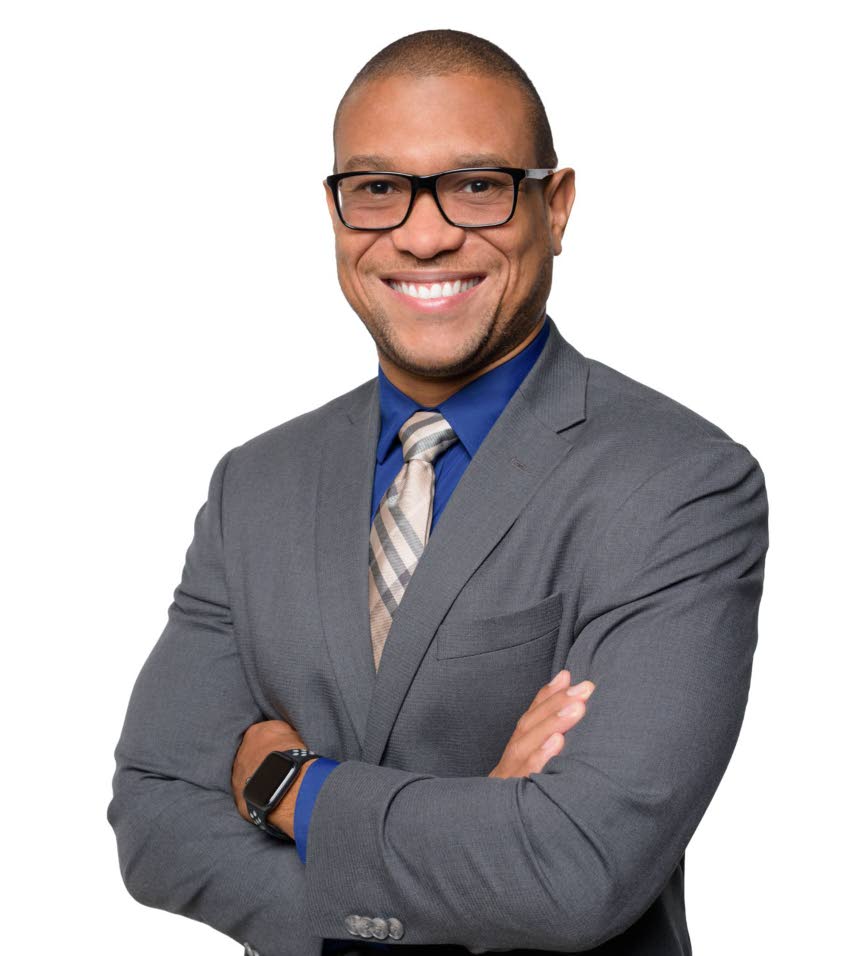
Dwayne Neil


