



Trading blame
Farmers, market vendors point fingers as food prices increase after Hurricane Melissa
FARMERS and vendors are locked in a blame game over food prices which have climbed in the wake of Hurricane Melissa’s October assault on the country.
Now, as disagreements emerge across the supply chain, one St Elizabeth farmer told the Jamaica Observer that frustration is running so deep that some growers are considering selling their produce straight to consumers.
Dale Williams, who cultivates corn and cassava on a half-acre plot in Hope River Lane, Burnt Savannah, believes farmers are being unfairly blamed for high food prices.
“The higglers them a buy [the produce] for a price; them a hike it up because them feel like them can make a food because it’s in demand,” Williams said during an interview last Wednesday.
“I feel like the higglers can do much better. Them will get pepper for $300 per pound and them a triple up them money, and because it’s in demand people just buy it; what else you have to do?” he argued.
“The higglers are to be blamed, not the farmers, because the farmers sell it for a price, and the higglers take it, and then they triple up the price weh them get it for and carry to market and say a that them buy it for, when a nuh that them buy it for,” Williams charged.
This practice, he said, hurts consumers, especially those facing economic hardship after the hurricane, while giving farmers an undeserved bad reputation.
“Most of the farmers a say right now, better them just carry them produce go sell themselves, because it come like a just rich people the higgler them a do it for, because poor people can’t buy it at those prices. So it’s not the farmer,” he added.
Anthony Smith, a potato and watermelon farmer from Ridge Pen, also in St Elizabeth, told the Sunday Observer that farmers are forced to accept low farm gate prices from higglers, who then resell the same produce for significantly higher prices in urban markets.
“Them always bawl down our price. Right now, sweet potato a $250 inna ground and they do not want to pay that, but when them buy it from you and you go Kingston… because I hear say in Kingston a $400 and $500 a pound for sweet potatoes,” the 60-year-old said.
Smith noted similar issues with other crops, such as yam selling for $600 per pound and even low-grade scallion climbing to $1,000 per pound.
During a visit to his farm, he told the Sunday Observer that he had packaged nine bags of sweet potato, which were later collected by a higgler. The sweet potato was sold at $100 per pound.
He said the farm gate prices are discouraging many farmers, some of whom have abandoned agriculture to become buyers and sellers.
“I have people who used to do farming with me and them stop and start to buy and sell, and me tell you say them nah do no farming again,” he said.
A survey of food prices at Coronation Market, the island’s largest fresh produce bazaar in downtown Kingston, shows that, in general, prices have moved by $50 over the past two weeks. For instance, last week yam was being sold for $300 per pound; sweet potato and onion, $200; cabbage and carrot, $350; pumpkin and okra, $250, while sweet pepper and tomato were priced at $800 per pound.
However, Scotch bonnet pepper, which two weeks ago was being sold at $3,000 per pound, leaped to $4,000 last week.
Moya, a pumpkin farmer, also from Ridge Pen, criticised the hike in vegetable prices and argued that many items, such as white-root scallion, yam, and sweet potato, are being sold at reasonable farm gate prices.
“It don’t have to [be so] expensive, it no suppose to dear so. People just wicked; them make it seem like things really can’t get. Things can get. It’s just the price. You a get it inna the ground cheap and then when you go out a road them a sell it for cow price make the people don’t want to buy, or fraid fi get it to buy [say] we as farmers are the problem,” she said.
According to Moya, white-root scallion is being sold at the farm gate for $300 per pound, yam for $250 per pound, and sweet potato for $250 per pound.
“We feel bad, but that’s not helping the situation; but we just have to take it because we don’t want the goods to spoil. We don’t have a controlled price, we just have to take it,” she added.
However, Sheldon Dockery, owner of Destiny Goat and Duck Farm in St Elizabeth, insisted that rising prices cannot be blamed solely on vendors.
“You can’t blame it on the higglers because… if you have one acre of peppers, compared to 10 acres, and workers to pay continuously, you have to sell the higglers at a different rate,” he said.
Dockery emphasised that rising costs of fertiliser, fuel, transportation, and other factors all contribute to higher prices.
“Everything is going to cost money right now… for a truck to come from Kingston with fertiliser, they are charging more money. It takes them longer because of traffic and bad roads; it contributes to the price,” he said.
However, vendors at Coronation Market have rejected the farmers’ claims, saying farm gate prices have climbed while their profits are shrinking.
One vendor, who gave her name as Iesha, explained that they have to shoulder numerous expenses before goods reach their stalls, making mark-ups necessary.
“Them dig down country now and come give we one bag a expensive price; we have to sell it to make back something. If the farmer sell it for $10, we can’t sell it for $10,” she said, adding that hurricane damage has made local produce scarce, forcing reliance on more expensive imported goods.
Kerry, another vendor, was equally dismissive of the farmers’ arguments.
“They come to the market and they sell us the goods at a high price, so we have to sell the goods to make a profit,” she insisted.
A scallion vendor, who gave his name only as Mark, said that prices are beginning to ease as supply recovers, but vendors are still barely breaking even.
“Right now, what they are selling for, we barely a make back what we buy it for, because the market is bad now. We buy it for $500 now and still sell it for $500,” he said, noting that customer resistance has forced vendors to cut margins.
Anthony Smith, a potato and watermelon farmer from Ridge Pen, St Elizabeth (Photo: Karl Mclarty)
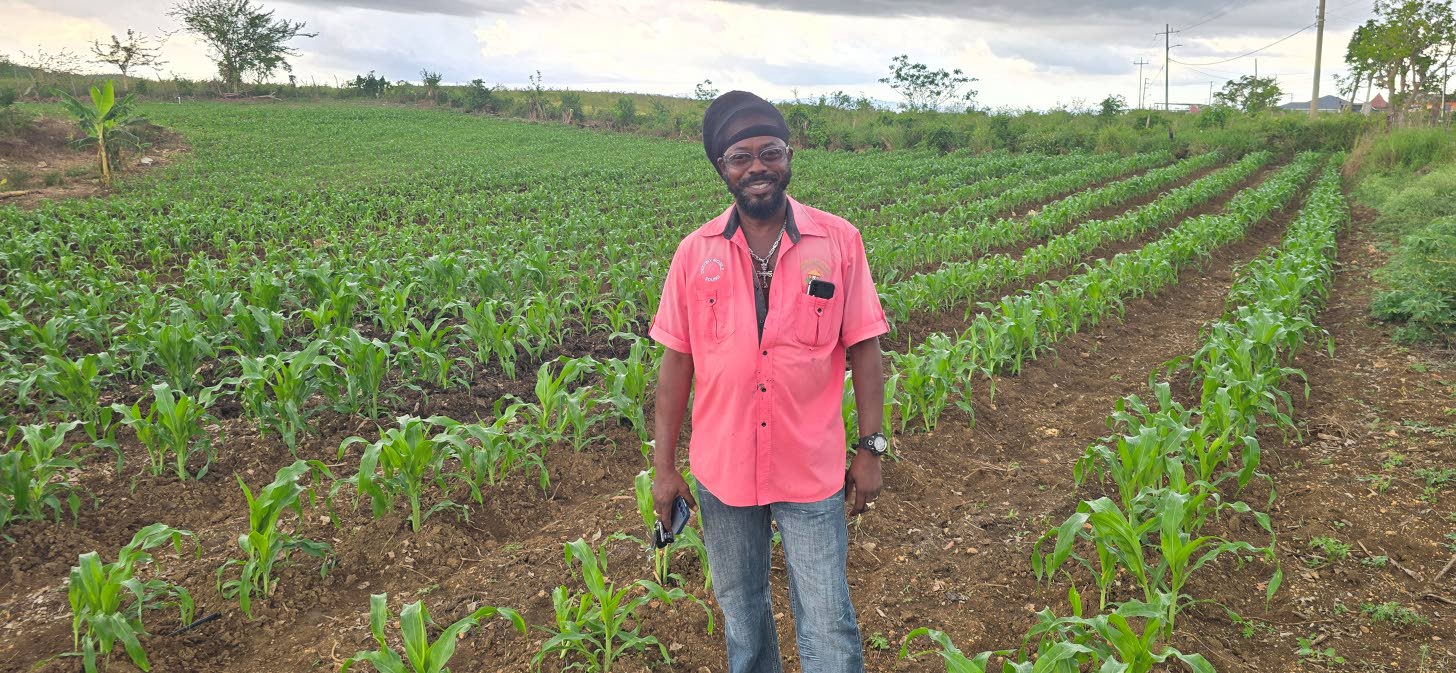
Sheldon Dockery, owner of Destiny Goat and Duck Farm in St Elizabeth (Photo: Karl Mclarty)


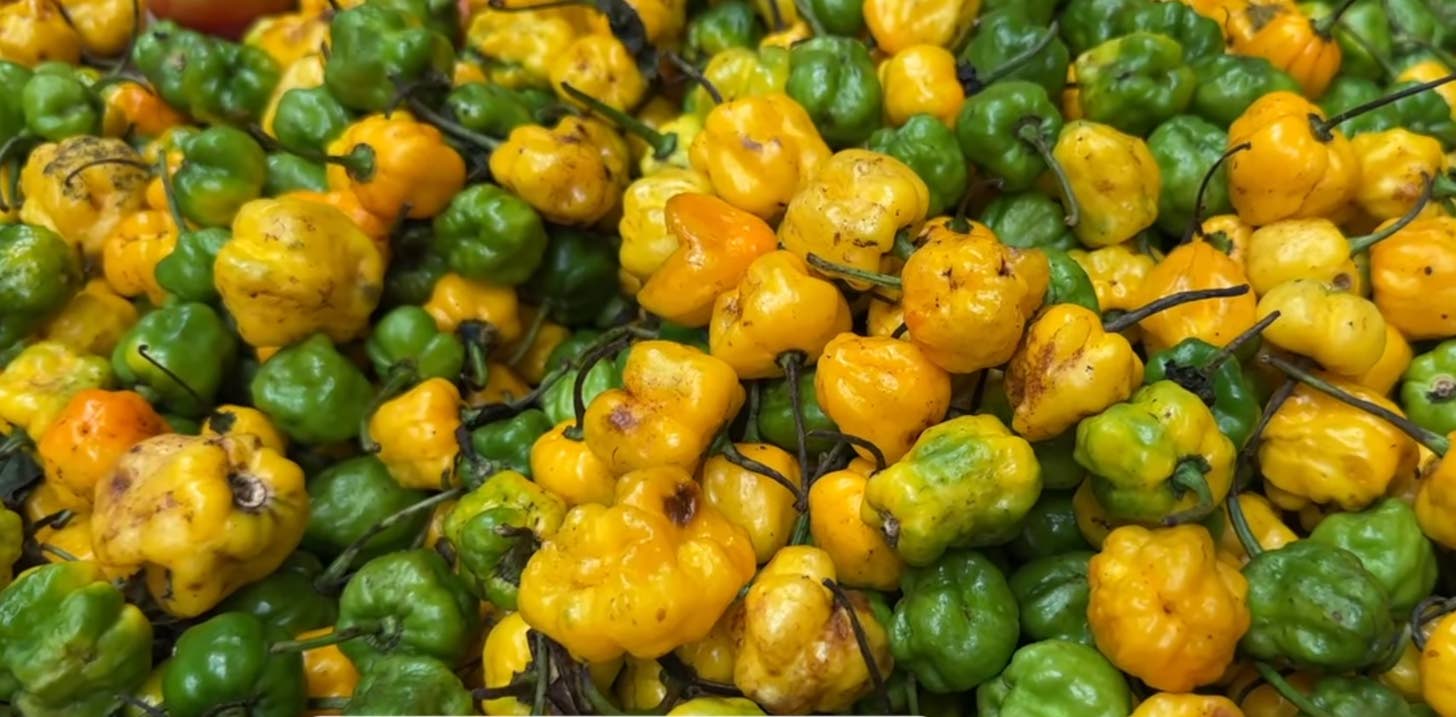
Scotch bonnet pepper, which two weeks ago was being sold at $3,000 per pound, leaped to $4,000 last week at Coronation Market.
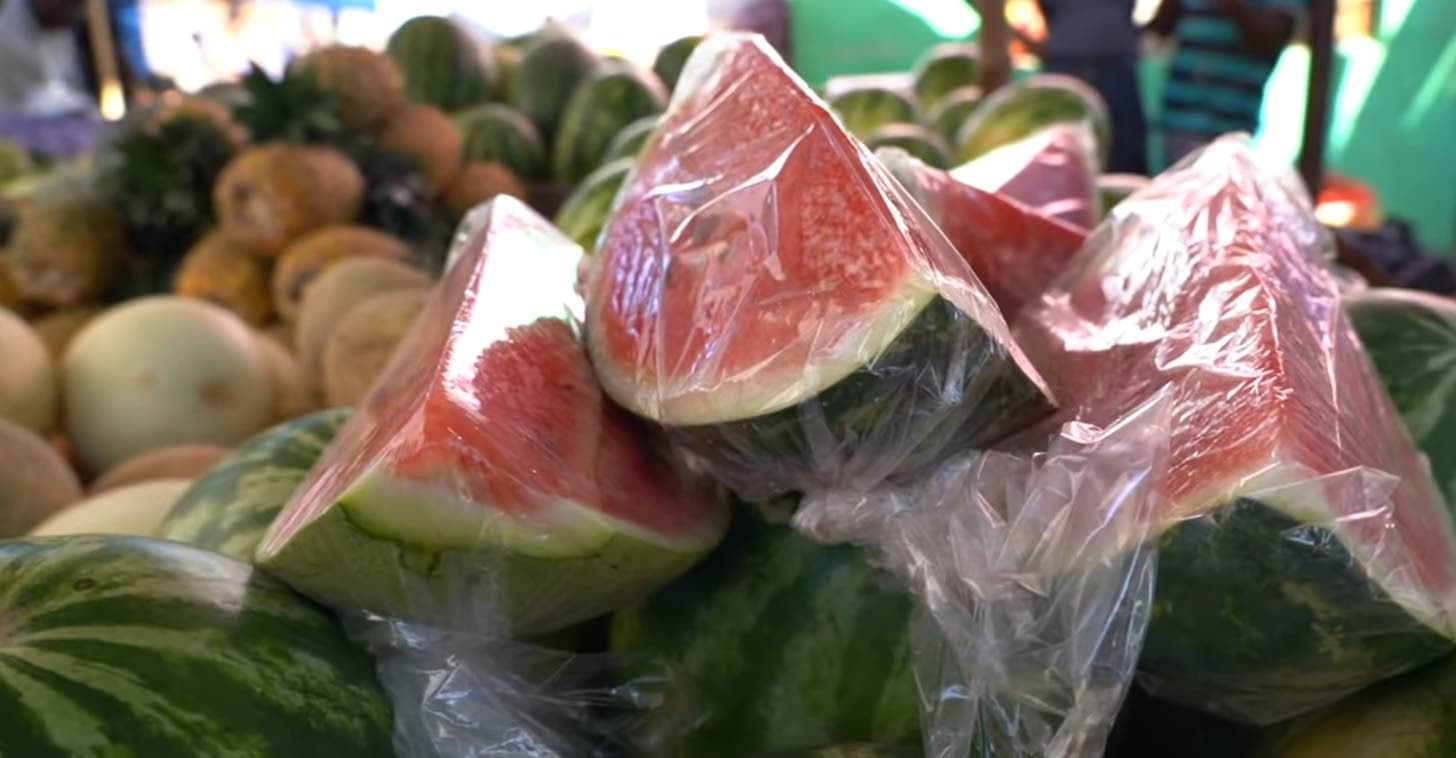
Watermelon on display inside Coronation Market in downtown Kingston last week.
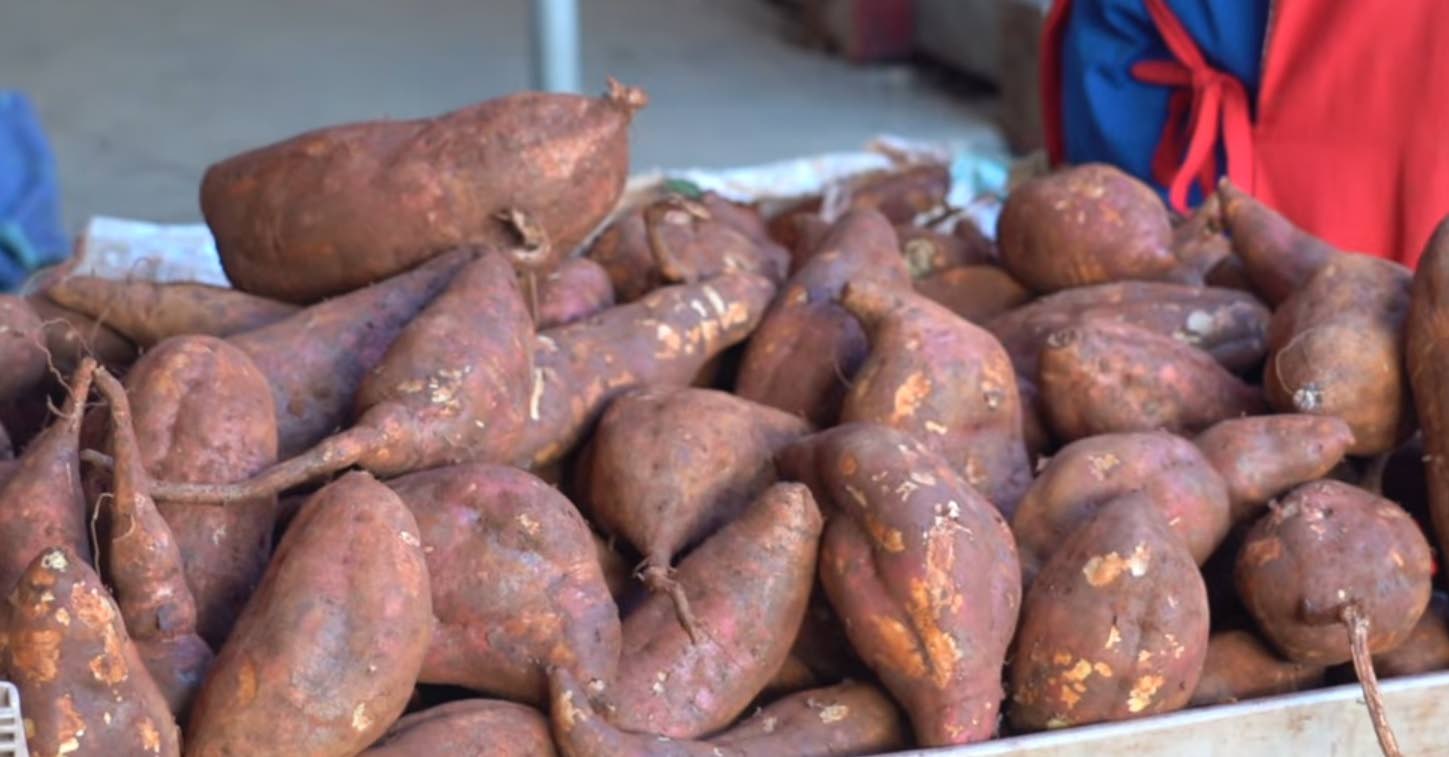
One farmer said the current farm gate price for sweet potato is $250.


