



Auto claims up 30 per cent post-Hurricane Melissa
At least one general insurer in the local market has noted a significant rise in motor insurance claims following Hurricane Melissa, pointing to an increase in overall notifications by about 30-35 per cent when compared to that processed within a typical month.
“I would say we have so far seen about a 30 per cent increase in claims than we normally would. But bearing in mind that we have extended our notification period to December 31, this number is likely to increase to at least 35 per cent as more persons complete their claim notifications and obtain estimates,” General Manager at Key Insurance and head of GraceKennedy’s Insurance business Tammara Glaves-Hucey told the Jamaica Observer during an interview this week.
Despite the uptick, Glaves-Hucey said the volume of claims is neither surprising nor alarming given the destructive force of Hurricane Melissa, which ravaged the island in late October, leaving a trail of damage and widespread losses.
She said with the storm causing severe destruction — particularly in western parishes — glass damage remains the leading claim type as shattered windscreens and windows from falling debris account for the bulk of reports. A smaller number of vehicles were also either washed away or severely damaged by landslides and floodwaters.
For the latter, Key’s sister insurer, GK General Insurance, has seen a heavier impact, especially in Montego Bay where flood damage has led to a higher number of total and partial losses.
“We’ve had a few total losses, but the majority seen has been for glass damage,” Glaves-Hucey also said to the Business Observer, while reiterating that the trend is consistent with what typically obtains following a major storm.
In the aftermath of Melissa, some policyholders questioned whether natural disasters — often labelled “acts of God” — are covered under Jamaican motor policies, but Glaves-Hucey moved quickly to dispel any misconception.
“In Jamaica, all motor policies cover catastrophe losses. Comprehensive policyholders are eligible to claim for all hurricane-related damage, while third-party customers who purchased glass coverage separately may also claim for shattered windows or windscreens,” she explained.
Glaves-Hucey said while some Caribbean territories may require separate catastrophe coverage, Jamaica traditionally includes it in motor policies. “For GK — our two companies, Key Insurance and GK General — we do cover catastrophe. As a result, any damage to the vehicle, depending on the type of coverage, would be covered.”
With claim payouts already begin done across both motor and property portfolios, the general manager however warned that the speed of settlements will be largely dependent on how quickly customers can provide repair estimates and cooperate with loss adjusters to keep the process moving. She further stressed that while the process has been slower than ideal due to the high volume of assessments, both adjusters and insured parties are working to finalise valuations.
Other insurers, such as BCIC, have also indicated that while windscreens and windows can often be replaced within 24 hours of reporting damage, the overall turnaround time still depends on completing all required steps, including assessments and documentation.
With motor insurance accounting for roughly 62 per cent of Key’s business, Glaves-Hucey said the surge in claims is also expected to impact the company’s financial performance. This, as higher-than-budgeted claims costs and a possible drop in renewal premiums — especially from customers unable to insure damaged vehicles immediately — will likely weigh on revenues.
Despite this, she remains confident that profitability will stabilise once customers recover from the hurricane’s impact and resume normal insurance activity.
Urging customers to maintain their policies — even in cases where their vehicles are awaiting repairs — she said her company continues to offer flexible payment plans to help customers keep their coverage active.
“Third-party policyholders are encouraged to consider switching to comprehensive coverage. Sometimes the difference in the premium between comprehensive and third party is not much, so it’s really just for customers to come in, talk to us, and see what solution works best for them,” she further noted.
For IronRock Insurance, CEO Christian Watt said that while motor claims across the industry have risen — and have contributed to an eroding of profit in the third quarter — his company has not seen a material spike since Melissa.
“For us at IronRock, claims since Melissa have not been as significant. We do have some motor claims which we have already even started to pay out to clients that have had their vehicles flooded in Montego Bay, but we are also seeing some claims on the property and commercial side as well,” he said.
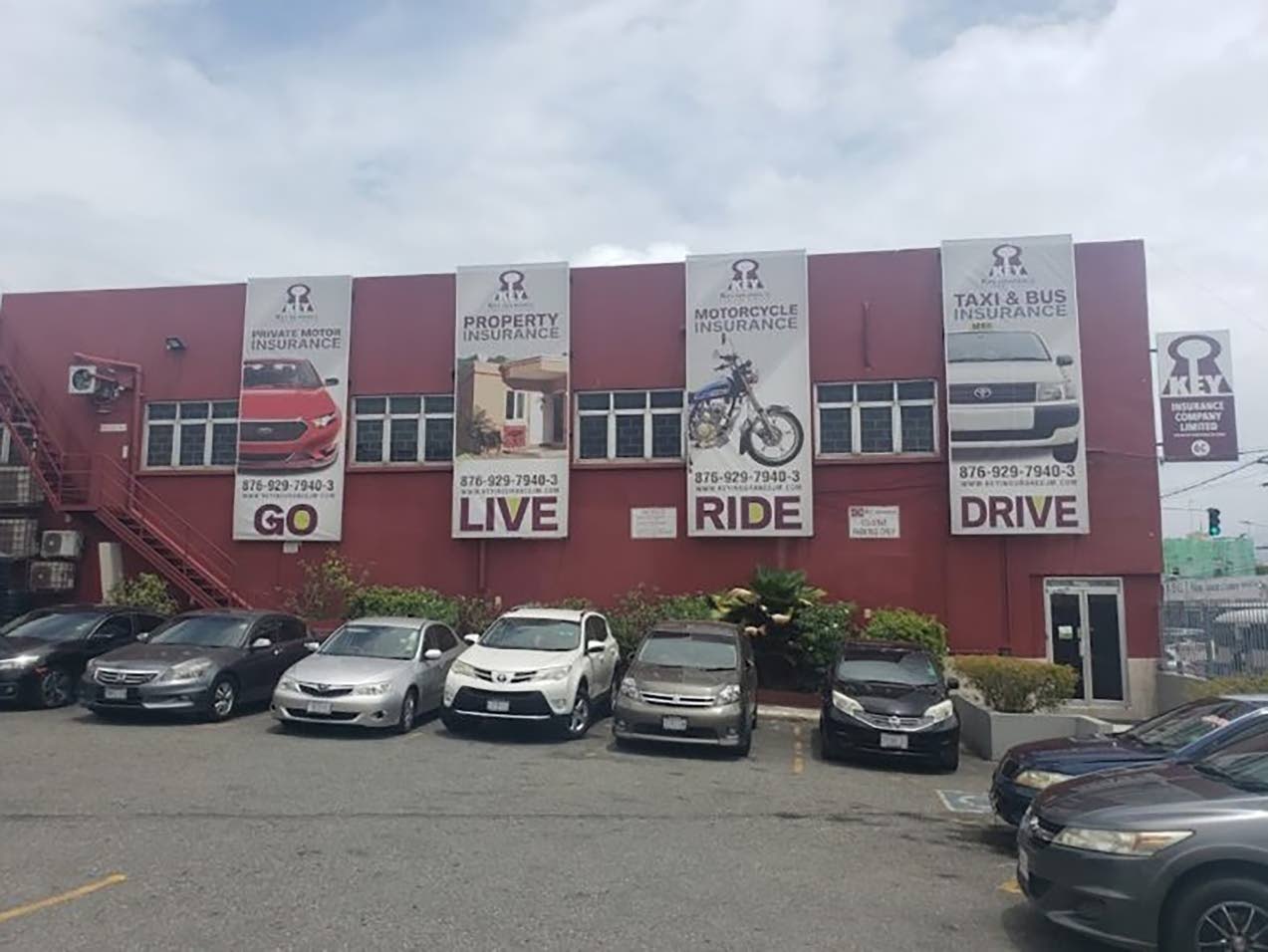
Motor insurance now accounts for roughly 62 per cent of Key Insurance’s business.

GLAVES-HUCEY…I would say we have so far seen about a 30 per cent increase in claims than we normally would


