



Sustainability matters
Making the case for building a resilient tomorrow
These days, there’s a lot of talk about sustainability. Companies are promising to ‘go green’, and people are looking for ways to live in a more environmentally friendly way. But what does sustainability really mean for everyday life, and why does it matter? My mom would ask, “How does this affect the price of rice?” Sustainability can in fact impact everything — from the air we breathe to food security and the cost of everyday items. It’s not just about saving the planet for future generations — it affects our health, economy, and daily lives today.
Understanding sustainability
Sustainability is about meeting our needs today while making sure future generations have what they need to thrive. It means using natural resources carefully so they aren’t depleted. Sustainability isn’t just about the environment — it also focuses on fairness, economic growth, and protecting our planet. It includes reducing waste, cutting pollution, and using renewable energy. At its heart, sustainability is about creating a better life for everyone, now and in the future.
I’ve got enough to worry about
In a world filled with competing priorities, the significance of sustainability cannot be overstated. Our region is one of the most impacted by climate change, facing challenges like rising sea levels, increasingly severe hurricanes, and prolonged droughts.
In 2024, the world experienced its hottest year on record. In Jamaica alone, over 300 earthquakes were recorded, with 19 strong enough to be felt. In the same year, above- average storm activity brought devastating hurricanes such as Milton, Beryl, and Helene, leaving destruction in their wake. The financial toll of Hurricane Beryl on Jamaica’s road network was estimated to exceed $10 billion. These disaster events are only becoming more frequent and severe.
And beyond climate is the social impact. Many communities are already struggling with displacement due to rising seas and coastal erosion, putting homes and livelihoods at risk. Access to clean water, food, and energy is becoming harder, worsening existing inequalities. Low-income families and small island communities are hit the hardest, often with limited resources to recover.
Public health systems are also under added pressure. Rising temperatures and extreme weather are causing more heat-related illnesses, increasing the spread of diseases like dengue, and increasing mental health struggles. Tackling these challenges is key to building stronger, more resilient communities and creating a sustainable future for everyone in the region. The urgency is clear.
Globally, the stakes are just as high. The World Economic Forum’s 2025 Annual Meeting identified extreme weather as one of the top risks to the global economy in 2025. Even seemingly ‘small things’, like the ‘price of rice’, are affected. Changes in the climate affect how crops are grown, moved, and delivered, causing prices to rise and fall around the world.
Experts warn that without action, global GDP could shrink by up to 18 per cent by 2050 due to rising temperatures, extreme weather, and other climate-related challenges. Additionally, millions of people are at risk of being pushed below the poverty line as crops fail, food prices rise, and jobs are lost in vulnerable industries.
Keeping global warming under control is crucial to prevent serious damage to the environment and the economy. If temperatures rise too much, more people will face extreme heat, and 70-90 per cent of coral reefs could disappear. It would also worsen social inequalities, hitting vulnerable communities the hardest, and cause global economic problems like resource shortages, supply chain issues, and expensive efforts to adapt. We need to act quickly to cut greenhouse gas emissions and invest in sustainable solutions because doing nothing will cost far more in the long run.
Governments, businesses, and communities can work together to adapt to these challenges and build a more resilient future. For example, switching to renewable energy not only helps fight climate change but also lowers electricity costs. Sustainable farming practices can improve crop yields and reduce expenses, helping farmers stay profitable. On a larger scale, investing in green infrastructure creates jobs, while protecting people from the worst effects of extreme weather.
Business has a role to play
In June 2023, the International Sustainability Standards Board introduced two new rules, IFRS S1 and IFRS S2, to create a global standard for sustainability reporting. These rules are part of the International Financial Reporting Standards (IFRS), which aim to make financial statements clear, consistent, and comparable.
IFRS S1 explains the general requirements for reporting sustainability-related financial information, while IFRS S2 focuses specifically on climate-related information. Together, they aim to improve transparency and accountability in how companies report on sustainability.
Companies would then need to share clear details about their sustainability risks, opportunities and related efforts. This includes how they manage risks, their plans, and how they measure progress. This may also show they care about sustainability and can help them stand out from competitors. Of course, to deliver on their commitments and ensure they do not give misleading information, companies would need to have policies, procedures and roles supporting the execution of the sustainability actions, as well as monitoring at the highest levels of the business.
Looking ahead to tomorrow
Sustainability is about creating a better future for everyone by taking care of our planet and each other. It means making smart choices to protect the environment, support communities, and ensure fairness in how we live and work. It’s about using renewable energy, cutting waste, and protecting nature. It also means treating people fairly and breaking down barriers to equity. Good leadership plays a big role too, ensuring decisions are made with honesty and responsibility.
The need for action is urgent. Every person, business, and organisation have a part to play. This isn’t just about meeting goals — it’s about building a world where future generations can thrive. The choices we make today will shape tomorrow. It’s time to take responsibility and work together to create a healthier planet and stronger communities. Tomorrow starts now.
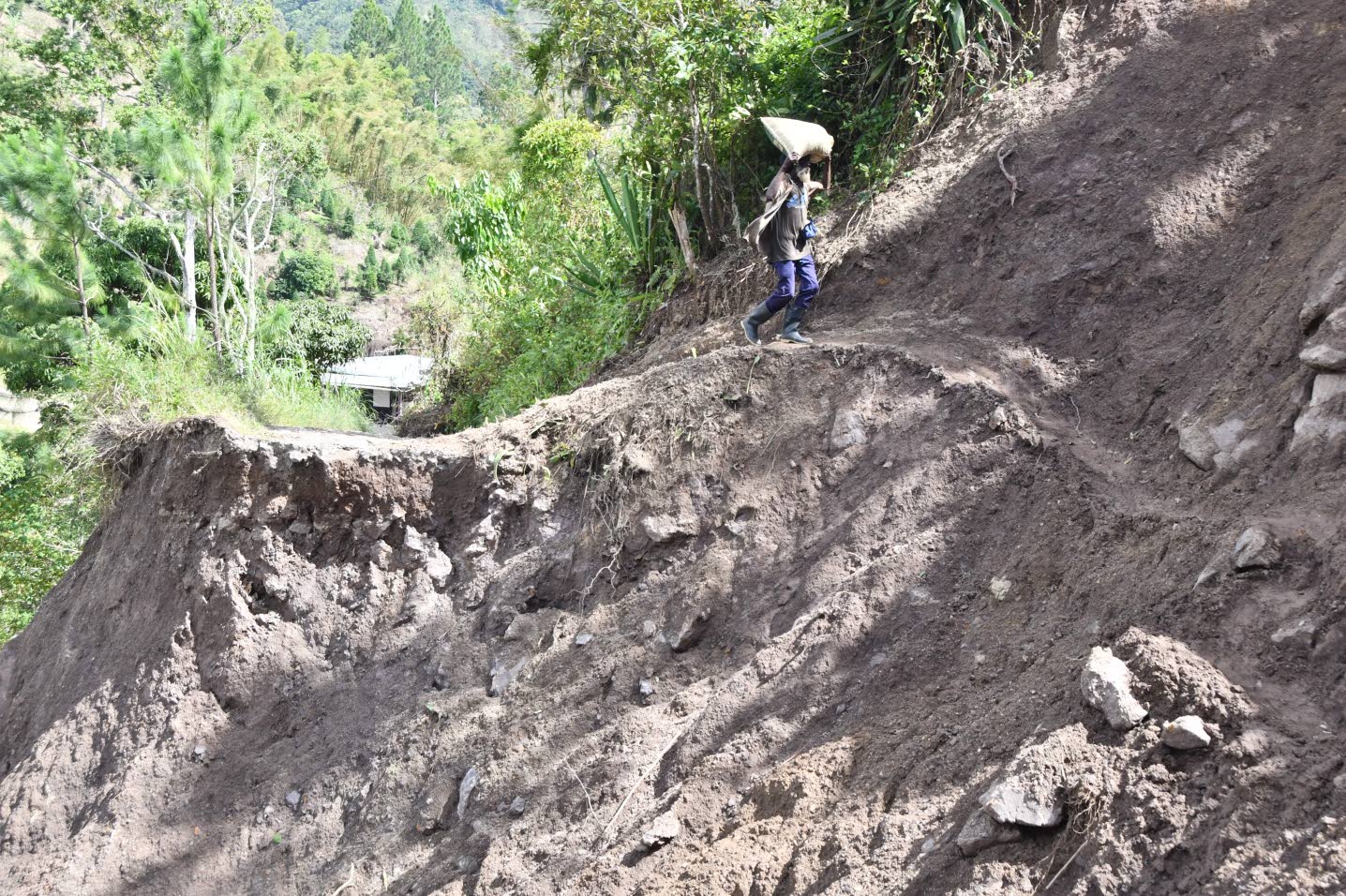
Danny Hall Coffee Farmer cross the road that breakaway as a result of Hurricane Melissa (Photo: Naphtali Junior)


