



Reward in full will bring relief to all
We must be in the world but not of the world. This is a depiction of the radical nature of Jesus’s message presented in the essay Our Common Poverty written by David Driedger, pastor of the First Mennonite Church in the United States. He notes that, for conservatives, those who take the Bible literally and view every word as coming from God, Jesus’s instruction is to be content with reality as it is. This perspective supports the status quo, does not ask too many questions and, if questions arise, adherents pay little or no attention to those who advocate for changing the way things are presently.
Such malaise in the face of change is especially poignant in the context of the onslaught of Hurricane Melissa, which some conservatives see as the direct hand of God in Jamaica. With lives lost and countless people suffering the impact of the greatest natural disaster in the history of the island, some are of the view this is judgement or God’s punishment on the people.
Liberals, on the other hand, those who largely grew up conservatives but broke ranks because they felt the characters of that world view were too stifling, believe that the present situation is an opportunity to turn towards history and the overall human condition. In this sense, economic, social, political, cultural, and religious arrangements are death dealing and must be changed if life is to flourish in the world.
At the same time, liberals embrace Jesus’s message only insofar as it does not jeopardise their having “received our reward in full” (Matthew 6). In other words, at least for Driedger, liberals are happy with structural or other changes insofar as things are not disrupted for them. In the case of the destruction of Hurricane Melissa, however, life has been seriously disrupted and things will not be the same again for this Jamaica, land we love.
REWARD IN FULL
Hurricane Melissa’s onslaught is an opportunity to put into perspective Jesus’s message that we must be in the world but not of the world. As such, the well-being of those adversely affected by the hurricane, especially the poor and vulnerable, must be front and centre in response to the disaster.
With the passage of the hurricane, the number of homeless people in Jamaica has increased and this presents a massive problem, which only serves to aggravate existing ones, such as 1.7 per cent of the population living with HIV. Among other things, this means, with the distinct possibilities of unprotective sex, in the context of large-scale homelessness, present the reality of increased infection of HIV and other sexually transmitted infections (STIs). These are matters of concern for the Church in the world and must be addressed at all cost.
The response to homelessness and other problems that come with the devastation of Hurricane Melissa must be of concern to everyone. This is true, not just so that we may receive reward in full, which may come in various forms, such as transition from the large-scale delivery of food to the affected areas to secure homes and livelihood for all. It must of necessity be also focused on the intentional creation and sustenance of safe spaces for all, especially children and the most vulnerable, thereby reducing the likelihood of sexual and other types of abuse.
At the same time, it’s not that we should do one and not the other. For example, having done research into the experiences of people infected by HIV, I have found it is worth noting that transactional sex is one of the root causes of STIs generally, and HIV in particular. With this in mind, it is absolutely necessary, especially now that we recently observed World AIDS Day, to enable and empower women and girls to protect themselves.
In order to overcome the vulnerability for transactional sex, there must be ongoing access to food, water, toiletries, feminine products and other essential items, along with secure homes, in order to stop the spread of infection and achieve the goal of zero HIV infection by 2030.
Recent reports that in the island of Barbuda there was evidence of a rise in HIV infections, especially among young people between the ages of 15 and 40, it is vital that we protect this generation at all cost. After all, this is the generation we look to for sustainability in the job market and securing pension funds.
COMMON POVERTY
A fundamental priority, however, in keeping with Jesus’s message, must be to take the world in which we live seriously. Indeed, given the stark reality of climate departure, whereby we can expect abnormal activities in nature, we must demonstrate care for people, especially the most vulnerable, and do everything in our power to decrease homelessness and poverty.
As Pastor David Driedger notes, we share a common poverty, that is, our vulnerability to the vicissitudes of nature. Indeed, as someone reminded us, the onslaught of Hurricane Melissa was a timely reminder of how vulnerable we all are to a Category 5 hurricane. This is therefore a lesson in humility which we would do well to heed.
A reward in full, consistent with Jesus’s message, must be grounded in a turn towards humanity in all the vagaries of life, especially in the face of a natural disaster. From all indications, more natural disasters and hurricanes like Melissa are expected to be the norm for the present and future generations. Indeed, with some key developed countries either absent from COP30, or having a marginal presence, the world we live in requires strong and courageous advocacy not just for people living with HIV and AIDS, but for all vulnerable populations. All this is to ensure the planet has its reward in full, and therefore relief for all.
.Garth Minott
The Right Reverend Garth Minott is the Anglican Bishop of Kingston
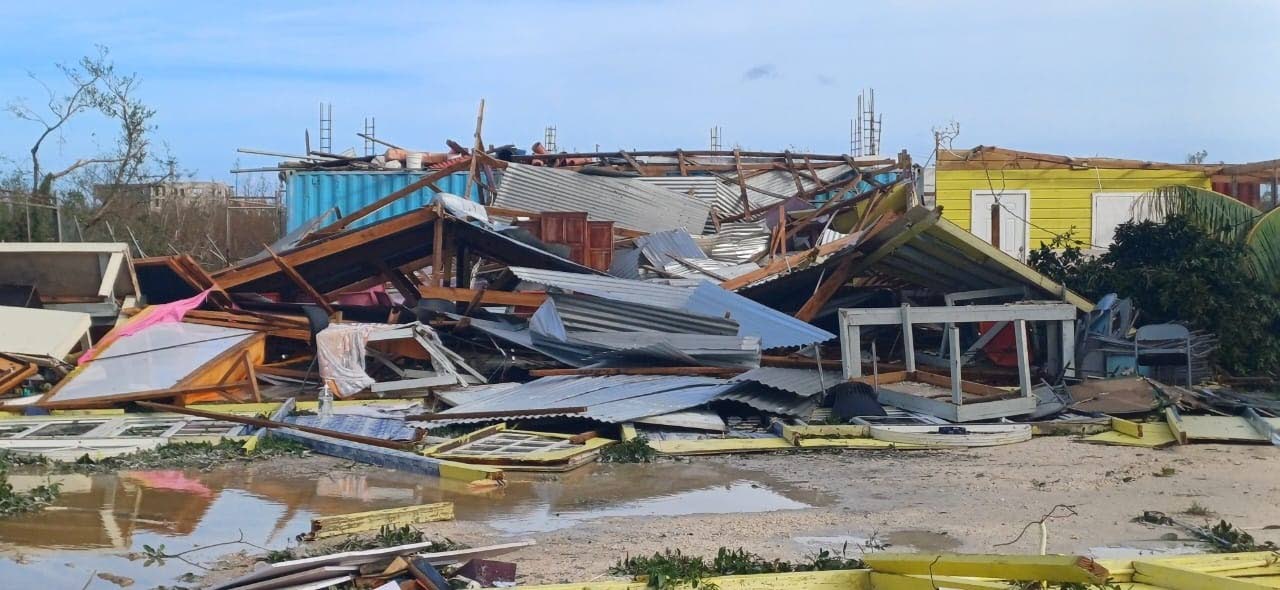
We must demonstrate care for people, especially the most vulnerable, and do everything in our power to decrease homelessness and poverty. a


