



Small clique, big damage
Vaz says utility vandalism targeted, not widespread
AS utility companies struggle to restore services amid ongoing vandalism, Minister of Transport, Telecommunications, and Energy Daryl Vaz has declared that these are not random acts, insisting that the damage is being carried out by a small number of organised groups deliberately targeting critical infrastructure.
Speaking at the Jamaica Observer Press Club last Thursday, Vaz said intelligence gathered by both the security forces and his ministry points to a tight network of repeat offenders whose actions are significantly slowing recovery efforts following Hurricane Melissa. He rejected suggestions that vandalism is widespread, instead framing it as a calculated activity driven by short-sighted gain.
“It’s not a lot of people that’s doing it; it’s a tight group. We won’t call any names, but there’s a tight group. It’s not being randomly done, and the bottom line is that there is enough intelligence there for the police to really move and take some swift decisions and actions,” the minister said.
According to Vaz, tougher penalties are central to the Government’s strategy, particularly as vandalism has directly affected the pace of telecommunications recovery in several areas.
“Based on the fees and the fines and jail terms, et cetera, those persons, when they are caught and when they are convicted, won’t get a slap on the wrist — they will go to jail. And if they do it a second time they’ll go to jail even for a longer period — and that’s the only thing that’s going to deter them,” Vaz added.
Telecommunications companies have repeatedly complained that cable theft and damage to infrastructure are setting back restoration work, sometimes plunging entire communities or business districts into darkness or cutting off mobile and Internet service. Vaz underscored the national cost of such attacks, explaining that even a single act of sabotage can have far-reaching consequences.
He added that, in many cases, offenders are damaging equipment that has little or no resale value, highlighting the senseless nature of the crimes.
“For them to interfere with telecommunications, especially in [Hurricane] Melissa, for short-sighted gains… they don’t even know that what they are vandalising has no value, or what they are stealing has no value to them, because they think they have copper… It’s, as I said before, not something that is widespread. It’s a clique… and I have told the telcos [and] they have passed on intelligence and information. We have also got information at the ministry that we have passed on as well,” he said.
The minister’s comments come amid growing concern from utility providers that vandalism is compounding the challenges of post-hurricane recovery. In recent weeks Digicel and Flow have raised repeated alarms at parliamentary committee meetings, arguing that the destruction of cables and equipment is undermining efforts to restore normal service levels.
In the meantime, the Jamaica Constabulary Force (JCF) announced through a press release on Friday that a taxi operator has been charged after he was allegedly caught stealing telecommunications cable wires from a manhole in Moneague, St Ann, during the early hours of Friday, December 5.
According to the release, the taxi operator, from St Catherine, has been charged with simple larceny and malicious destruction of property.
The police reported that cops on mobile patrol, about 1:45 am, observed the accused allegedly removing service cable wires from a manhole and loading them into a motor car. When approached by the police, he reportedly fled the scene, prompting a pursuit. The vehicle was later intercepted and the stolen cables recovered. The car was seized and he was taken into custody. He is scheduled to appear in court on February 3, 2026.
The incident has added weight to Government claims that utility vandalism is neither accidental nor opportunistic.
Vaz said such incidents demonstrate why the Government is pressing ahead with legislative changes aimed at imposing tougher penalties on offenders, particularly repeat violators.
“It’s a huge cost to the telcos, and a huge cost to the country and, of course, obviously, a great inconvenience because one slice can put the whole of New Kingston out for a day or two,” he said, warning that the economic fallout extends far beyond the utilities themselves.

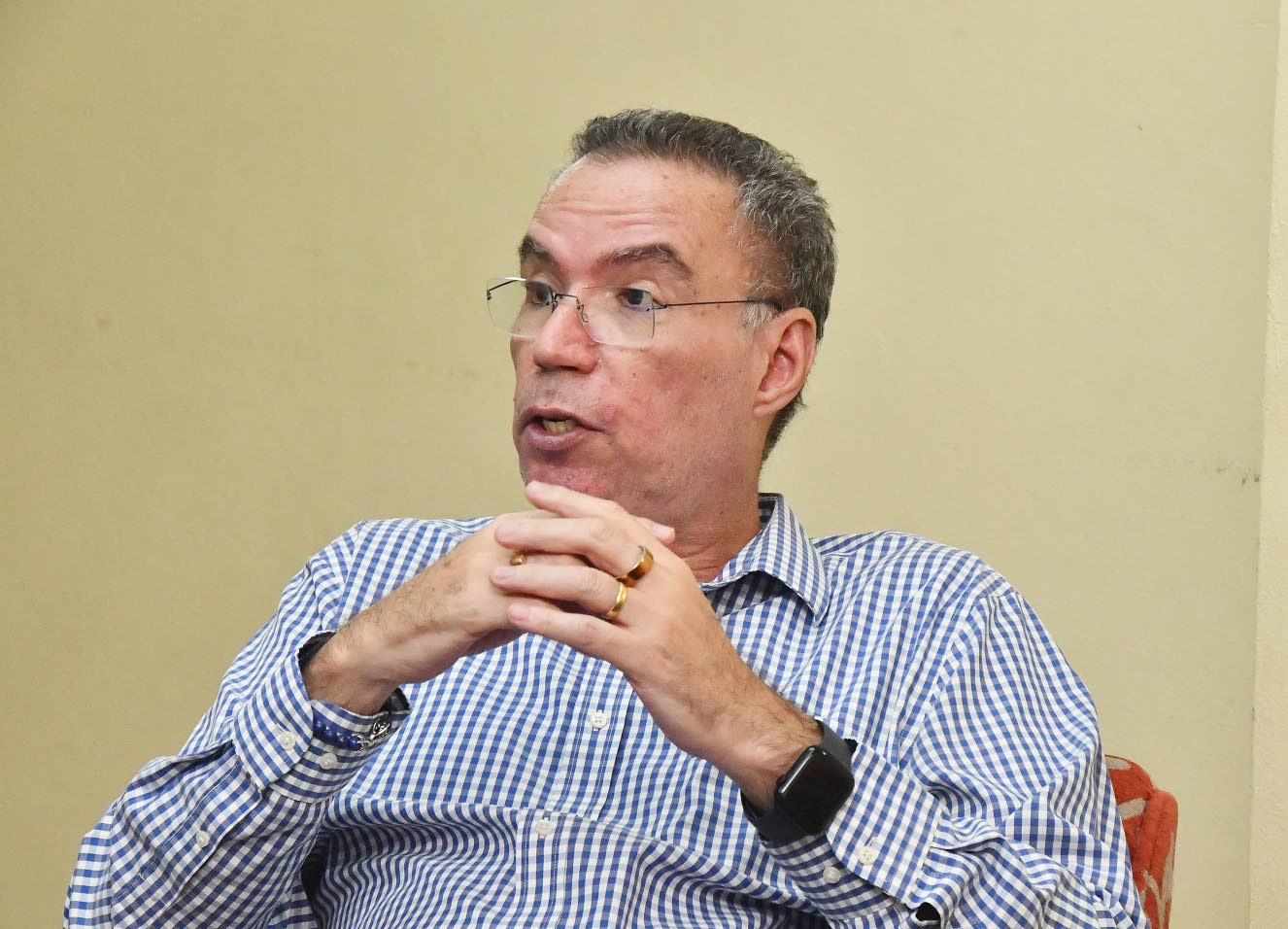
Transport, Telecommunications and Energy Minister Daryl Vaz speaking at the Jamaica Observer Press Club last Thursday. Photo: Naphtali Junior
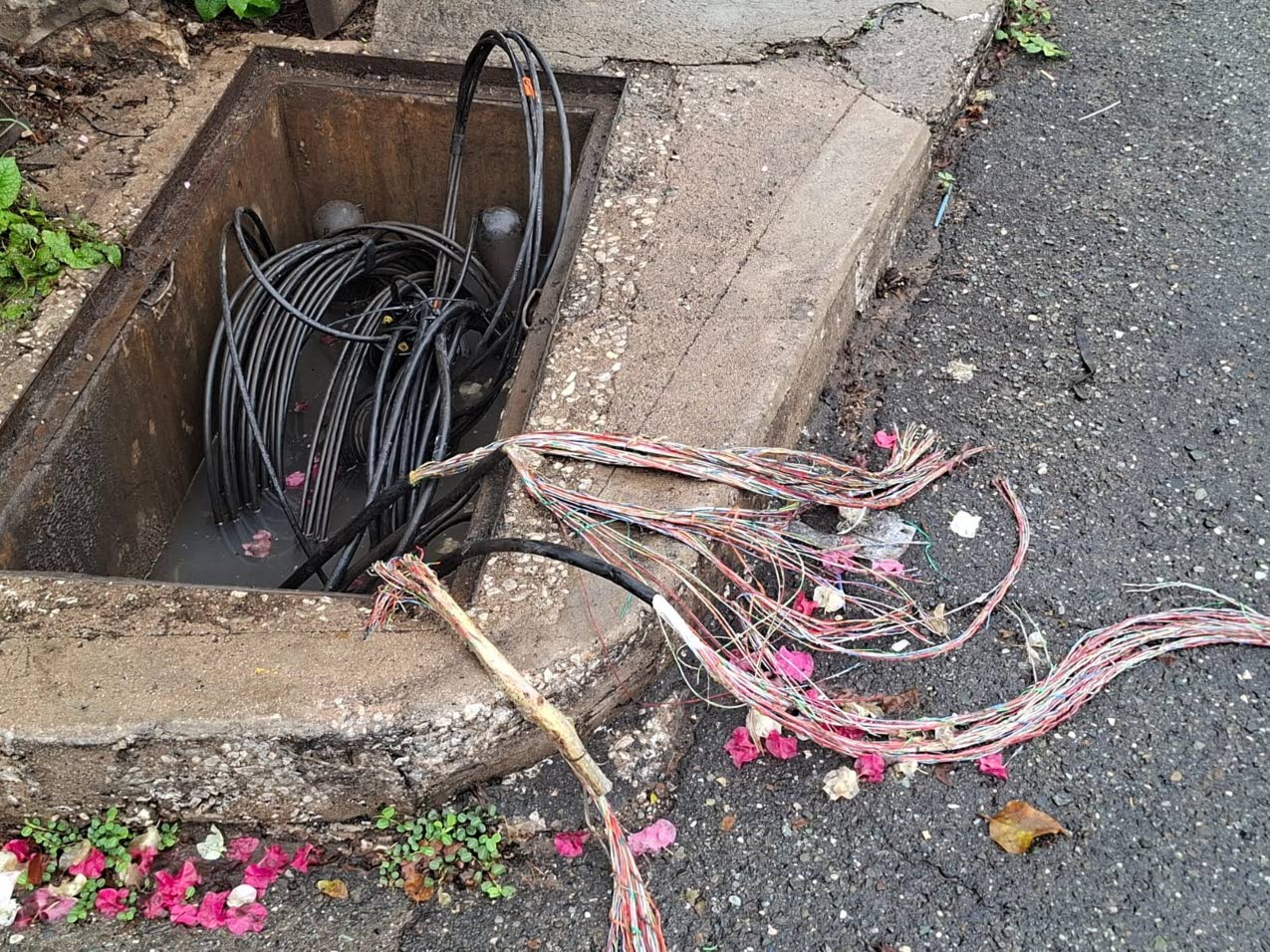
File photo shows telecoms cables seized by police officers in Christiana, Manchester, during an operation.
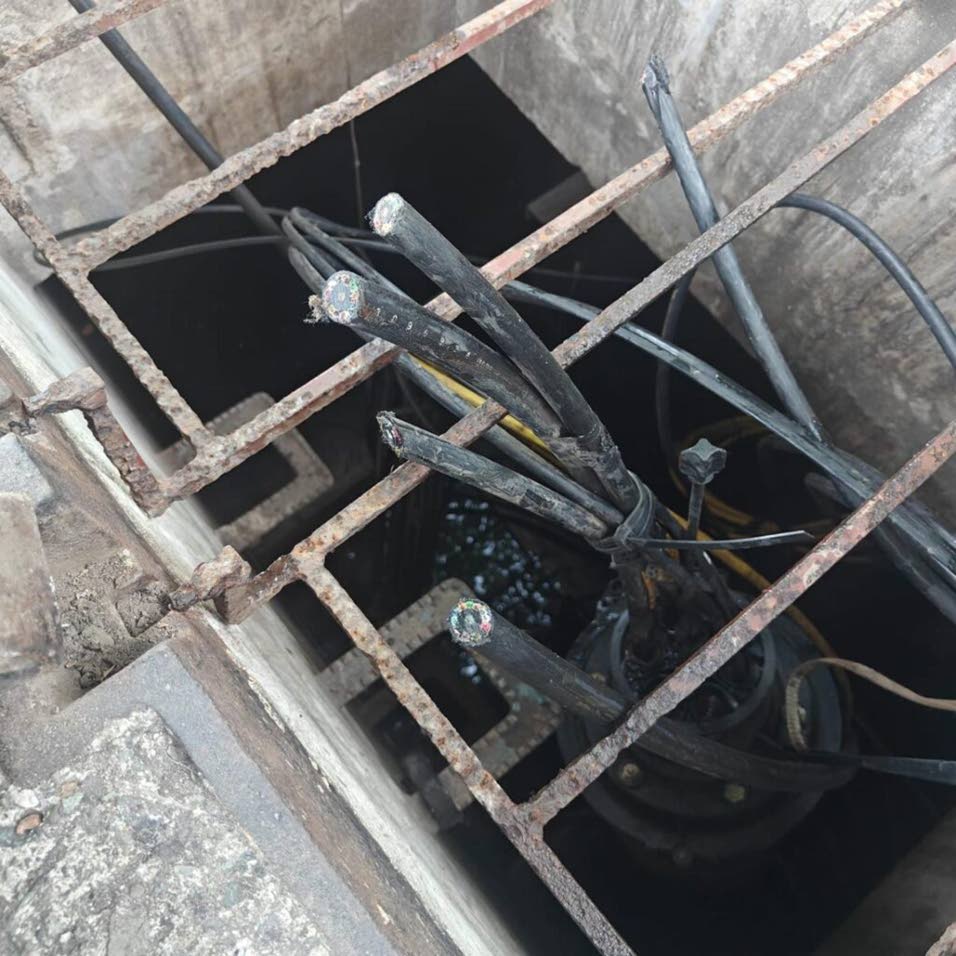
Digicel cables cut by vandals earlier this month in New KIngston.


