



One sovereign nation under God
Ever since the Maroons were taken to Jamaica as slaves by the Spanish, they and their descendants have cemented themselves as an important part of the country’s history. A brief historical perspective is necessary to give us a sense of where we are in terms of the sovereignty of the Maroons, which is an ongoing point of contention in the society. This matter has again raised its head in the post-Melissa recovery effort, especially in the Maroon communities in the Cockpit Country.
The term “maroon” comes from the Spanish “cimarron” which means wild or untamed. They were so named by the Spanish because of their defiance of any attempt to enslave them. Having fled the Spanish, they allied themselves with the indigenous Taino population and settled in the rugged interior of the country. By the time the British seized Jamaica from the Spanish in 1655, the Maroons had already established themselves in Jamaica, having built settlements in the Blue Mountains in the east and the Cockpit Country in the west. Queen Nanny was the leader of the Maroons in the east and Cudjoe was the leader in the west.
As Africans who had escaped slavery, they developed a fierce independence in the areas they settled, and became thorns in Britain’s side. Its attempts to subdue them ended in futility as the Maroons proved themselves impregnable in their guerilla warfare against the colonial forces. To remove this irritant, the British thought it best to befriend them, and entered into treaty arrangements with the Maroons. These treaties, signed in the 1730s, granted land and autonomy to the Maroons in exchange for peace and for them to work with the colonisers to prevent slave uprisings.
The argument can perhaps be made that participation in this effort was reminiscent of how slaves were rounded up in Africa and eventually taken to the West Indies. It would not be difficult to find discomfort with the thought that they who were themselves slaves under the Spanish allowed themselves to be co-opted in an effort to subdue their black brothers and sisters in service to another metropolitan power, the treaty arrangements notwithstanding. But one guesses that they did what they had to in order to survive. Moral impeccability in hindsight often brings comfort to those who did not have to face the vagaries of an existential threat at given moments in a people’s history. But I digress.
The treaties did give the Maroons a certain autonomy, especially in the manner in which they governed themselves. They became self-sufficient communities and this has continued even to this day. But the rub is there has always been a contention or confusion as to whether the limited autonomy that Maroon communities enjoy can be translated as sovereignty — defined as a State within a State.
A careful analysis of the treaties certainly does not convey this idea. Successive colonial governments up to the point of Independence in 1962 have honoured the original treaties signed with the Maroons, but none has ever stated categorically that the Maroons are a sovereign entity abiding side by side with the Jamaican State as a sovereign power. Neither have successive governments since Independence affirmed this.
But there seems to be the thinking among some Maroon leaders, including the present head of the Maroons, colonel ( or as he prefers to be called) Chief Currie, that this is so or ought to be so. In the instance of the Melissa recovery, the Maroon leader has stated his opposition to the military being participants in relief efforts in his communities. He sees it as a form of militarisation by the Government.
Among other things, there is one important consideration that the Government ought to make pellucidly clear to Colonel Currie and the Jamaican people: With or without a national emergency, there is no square inch of Jamaica that the Government cannot enter freely to administer help to its people. If they have to use the security forces in the furtherance of this, they should do so without intimidation or fear. Where intimidatory tactics are indicated or where violence is visited on these forces in the pursuance of their work, this must be met with the utmost severity, in keeping with the laws that govern all Jamaicans.
At the end of the day, the Maroons are Jamaicans living on Jamaican soil. They must be respected as such and given the help they need, whether or not the army is used to deliver that help. It is apparent that members of this community would welcome this help. Logistically, the Jamaica Defence Force (JDF) is best equipped to render the help they need. How this can be interpreted as militarisation of a community boggles the mind.
We respect the history of the Maroons and their contribution to the country. Over the years they have left a long legacy of resistance against oppression in the fight for social justice. As such they have been good for the fabric of the Jamaican society. They continue to inspire national pride in the self-sufficiency they have demonstrated over the years in seeing to the well-being of their people. This must not be tampered with, either by a bellicose Jamaican Government or a recalcitrant Maroon leader.
If the people need help, which they do now, get it to them by whatever legal means necessary. After all is said and done, we affirm that we are one sovereign nation under God.
That Nagging JPS Loan
The Government in its wisdom and common sense has seen it prudent to lend the Jamaica Public Service (JPS) US$150 million to assist in the power recovery effort in the wake of Hurricane Melissa’s devastating blow to the country.
The loan stipulates that electricity must be restored in all affected areas by February 2026. Important in this consideration is the fact that there will be no extension of the present licence now enjoyed by the company and for which they argued. The recovery of the loan will be an important plank in the discussion going forward.
The Government, in granting the loan, erred on the side of full resumption of electrical power to residents, some of whom have been terribly affected by the storm. It is difficult to find disagreement with this. While the Opposition must ask questions and get pertinent answers to their inquiries, as I averred in my last piece, care must be exercised that one is not quibbling about that which is inevitable.
The quibbling on the part of the Opposition in this matter is reminiscent of that which was engaged in the roll-out of the rural bus service for schools. By the way, there is not much being said about this now and one has not heard any instance of poor people’s children being killed because of the use of old and rickety buses.
In being able to lend this money, the country should pause and consider the context in which the Government is able to do this. There was a time in recent history when a Jamaican Government could never consider lending a public entity US$5 million, let alone US$150 million. There were never enough resources to do so. Now that a Government is able to, it should not escape well-thinking Jamaicans that this is a result of the fiscal prudence and strength of the Jamaican economy at the present time. This is something to celebrate, especially when the money is not being frittered away on some “run wid it” reckless scheme.
There are times when patriotic sentiments are more desired than careless or superficial banter.
Dr Raulston Nembhard is a priest, social commentator, and author of the books Finding Peace in the Midst of Life’s Storms; The Self-esteem Guide to a Better Life; and Beyond Petulance: Republican Politics and the Future of America. He hosts a podcast — Mango Tree Dialogues — on his YouTube channel. Send comments to the Jamaica Observer or stead6655@aol.com.
Raulston Nembhard
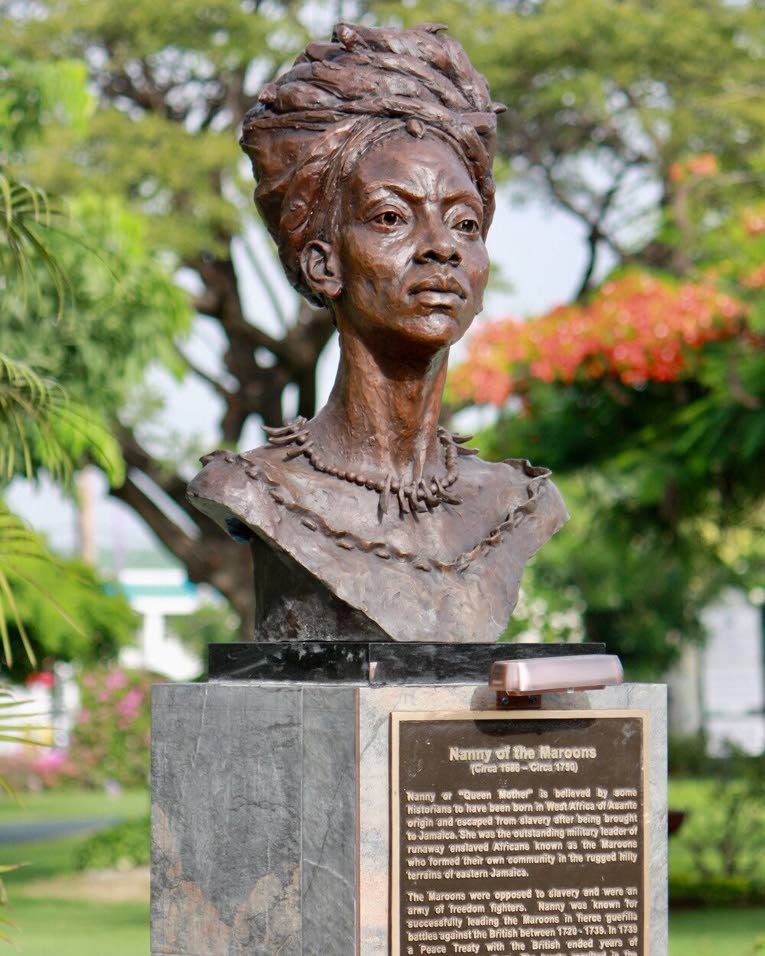
A bust of Nanny, who is recognised as one of the Maroon leaders
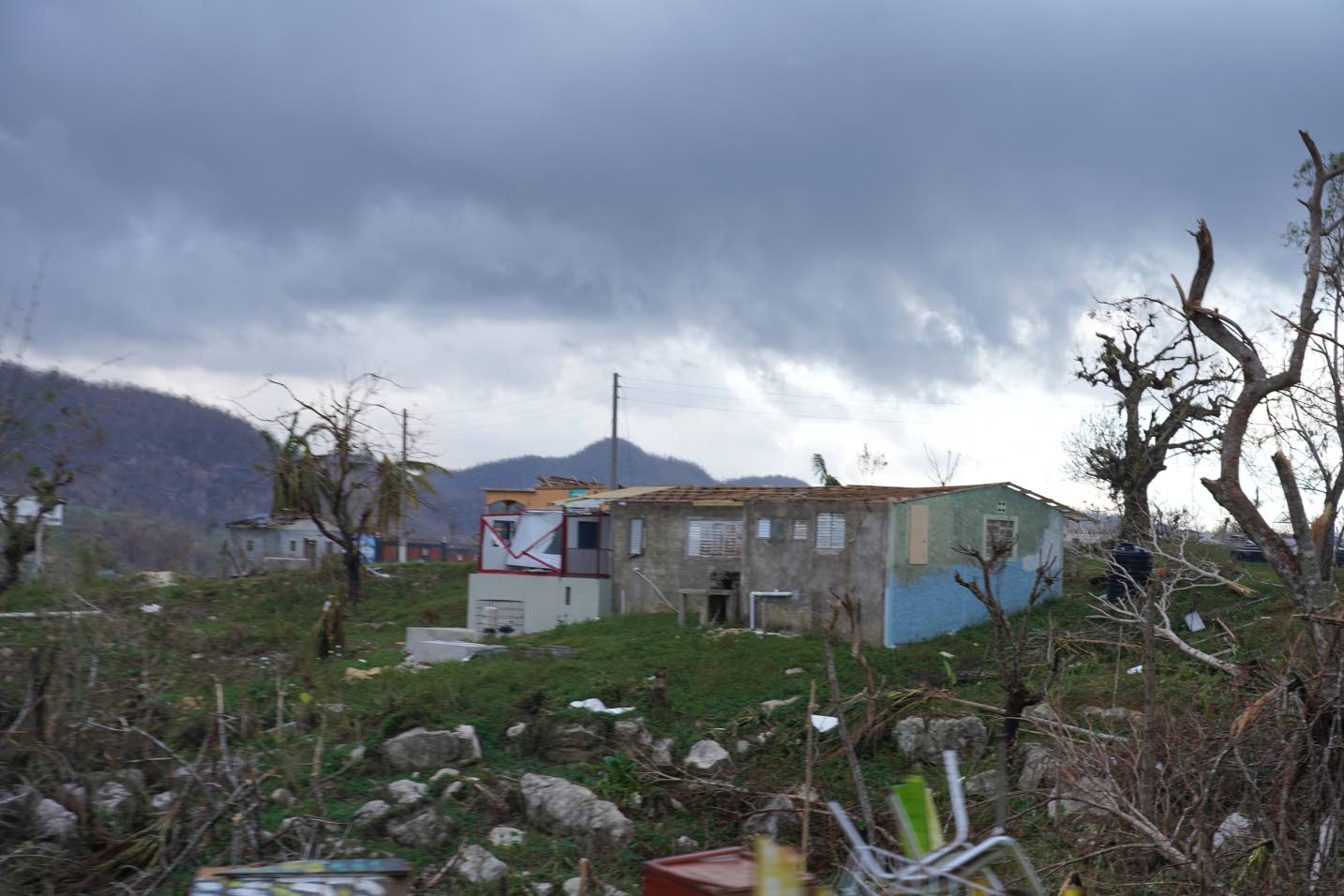
A number of houses in Maroon communities were damaged by Hurricane Melissa. (Photo: Gavin Jones)
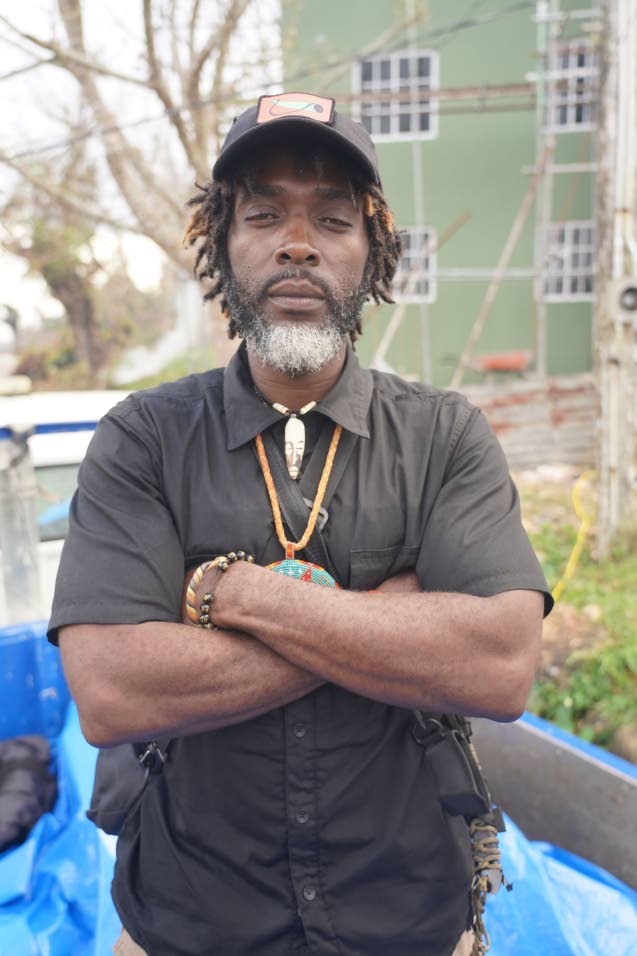
Richard Currie (Photo: Gavin Jones)
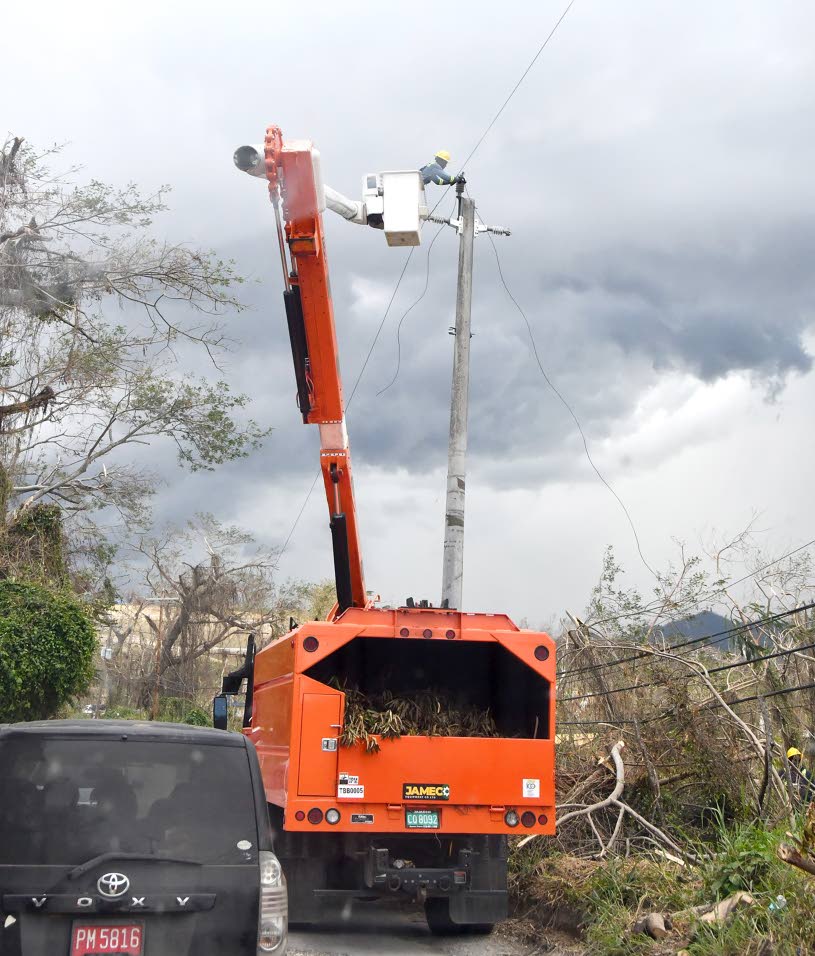
Jamaica Public Service workers carrying out power restoration activities in the wake of Hurricane Melissa. (Photo: Naphtali Junior)


