Egg farmers want controlled importation
FALMOUTH, Trelawny — President of the Jamaica Egg Farmers Association (JEFA) Mark Campbell is appealing to the Government to ensure that the planned importation of eggs in the aftermath of Hurricane Melissa is tightly controlled to prevent further harm to already-struggling local farmers.
Speaking with reporters, Campbell said while egg farmers understand the need to fill gaps in the national food supply, unmanaged imports could deliver a “double blow” to producers still reeling from storm damage.
About two weeks after the devastating passage of the Category 5 storm on October 28, Agriculture Minister Floyd Green told Parliament that Jamaica would have to turn to external sources to offset anticipated shortages in critical food items, including eggs, fruits and vegetables.
On Tuesday Green expanded on the plan during a meeting of the Jamaica Observer Press Club.
He pointed out that Jamaica has been facing challenges with the supply of eggs since last July when Hurricane Beryl brushed the island, taking the lives of some 40,000 layers.
“And then after that, unfortunately, the laying patterns of the birds were different. A lot of the birds were traumatised and then [Hurricane] Rafael compounded it by bringing a lot of rain to Jamaica. Remember that November was almost non-stop rain and the cold weather; the birds don’t like that.
“We have been trying to get back to our numbers and initially our look was at liquid eggs, especially trying to allow some of the heavy users…to bring in liquid eggs. But now coming from Hurricane Melissa, after we met with the [Jamaica Egg Farmers] Association they were the ones who said we would have to import,” said Green.
He told Observer editors and reporters that the Government and Development Bank of Jamaica (DBJ) are prioritising financial assistance for medium-and large-scale egg farmers.
“Larger farmers need significant financial intervention; we’re going to be working with the DBJ to provide them with that sort of support. The good thing is that most of those egg farmers are well established, have ready markets, have good record keeping because they treat with hotels or the top retailers. So I think as we work together, we’ll be able to get them some support through that,” added Green.
That support is something many egg farmers would welcome. As Campbell pointed out, JEFA members are currently rebuilding at enormous personal and financial cost and the right balance has to be found if external supplies are tapped.
“Many of them borrowing money at very high rates from the banks to reposition themselves. If the importation is not managed, it can be very damaging to the industry, and these farmers who have been in it may find that [in] handling the delicate product such as egg[s] they may be either boiled, fried or scrambled,” said the concerned JEFA head.
“All these farmers who were impacted by Melissa, all of them are trying to put back their farms together. If they put back and when the product sell they encounter imported eggs with their customers, it is going to be a double blow to them. It’s a concern, I hope that it is unfounded,” he added.
Despite the concern, Campbell made it clear the association supports the principle of temporary importation, noting that it was, in fact, recommended by the body after the hurricane’s impact on the sector.
“We actually welcome the decision. The decision was actually a recommendation coming from us, given the devastation of the egg industry by Melissa the hurricane,” he explained.
He said JEFA had, nonetheless, outlined specific conditions to safeguard local stakeholders.
“We had put some conditions [in] that all importation should be under the management and the supervision of the Jamaica Egg Farmers Association, because we are very fearful of damage that can be done to the local egg industry if the importation is not managed [by] a lot of the farmers,” he said.
Campbell, who runs Campbell’s Egg Farm, can relate to JEFA members as his farm suffered severe damage during the hurricane. However, he remains undaunted by the loss and is moving expeditiously to recover.
“Personally, I suffered quite extensive damage here — my production suffered a 70 to 75 per cent loss. I lost about 20,000 birds here and, as you can see, God really had a hand in my situation. I was in the process at the time of constructing a new house, which we have just completed, and birds will be placed here now,” he said.
“I took a direct hit but I am prepared to fight back, and I am fighting back. I won’t lose the fight!” he vowed.
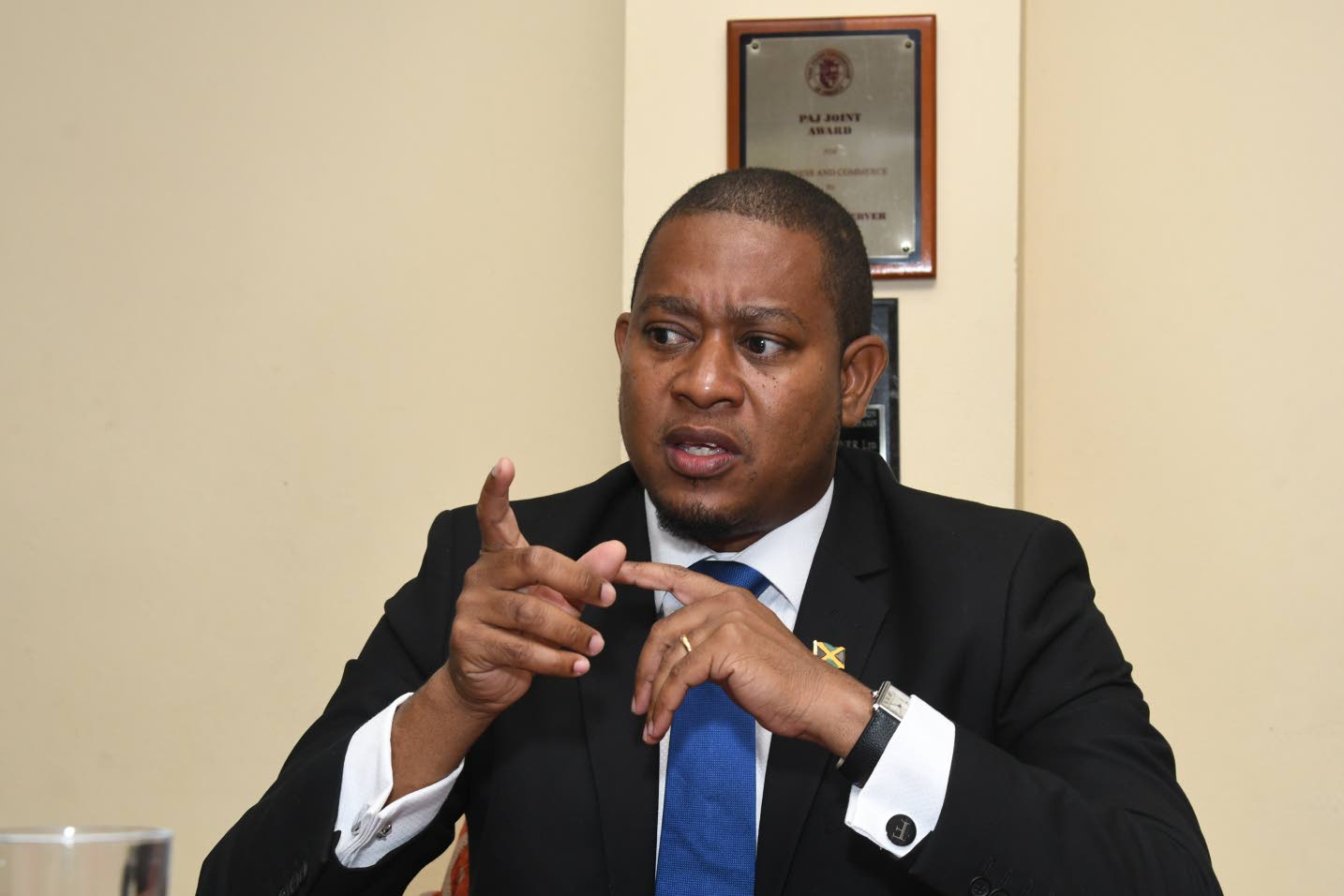
Minister of Agriculture and Fisheries Floyd Green addressing a meeting of the Jamaica Observer Press Club on Tuesday. (Photo: Karl Mclarty)
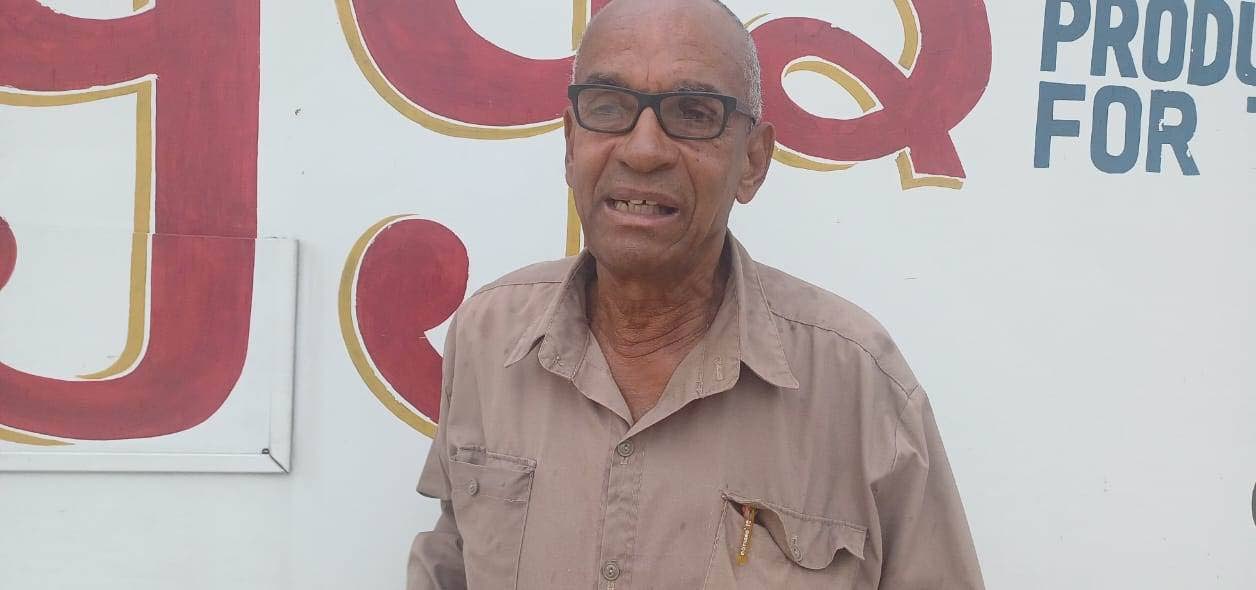
CAMPBELL… if the importation is not managed it can be very damaging to the industry.