



Luján De Cuyo’s Legacy
The viticultural identity of Lujan de Cuyo has roots in the 19th century, when waves of European immigrants arrived in the Mendoza valley. Coming from Italy, France, Spain, as well as other parts of Europe, they carried knowledge, tools, and plant material adapted to their homelands. They recognised that the combination of high altitude, dry air, and irrigated alluvial soils could yield grapes unlike those grown anywhere else in Argentina.
Small family vineyards appeared around hamlets such as Chacras de Coria, Vistalba, Perdriel, and Agrelo that were practical, built of local stone and clay, with cool cellars that borrowed from European tradition. Families planted vines close to home, tending them by hand and learning from the land and, over the decades, these homesteads became the region’s custodians, preserving older parcels along with practices that later winemakers would prize.
Included amongst the pioneers were families who later lent their names and reputations to the area. Generations invested in careful pruning, in row orientation, and in trialing varieties until a sense of place emerged. That sense, increasingly refined during the twentieth century, turned local wine from bulk production into a living craft.
Lujan de Cuyo earned formal recognition as one of Argentina’s earliest controlled appellations in 1993, a milestone that coincided with broader changes in Argentine winemaking. The late 20th century brought investment in technology, temperature control, and modern cellar practices, changes which refined fruit expression in addition to stabilising quality across vintages. International expertise arrived thereafter, alongside capital, and partnerships formed that brought new viticultural methods along with a focus on terroir.
Winemakers began to map soil, test vineyard parcels, and treat each block as an individual expression. The results appeared in bottles that combined the generous fruit of Mendoza with structural poise and precise acidity. Malbec emerged as the emblematic variety. Brought originally from France, Malbec found a new identity in Lujan de Cuyo as the high altitude intensified colour and aromatic lift, while cool nights preserved acidity. The grape developed a velvety texture and notes of plum, red and black fruit, violet, and a mineral underpinning that many tasters associate with the region’s stones and riverbed sands. The 21st century deepened this evolution as vintners adopted more measured irrigation, embraced low intervention techniques where appropriate, and explored organic and biodynamic farming on selected parcels.
At the same time, precision winemaking allowed for elegant, age-worthy wines that retained regional character. To travel through Lujan de Cuyo is to move between intimate, storied estates and forward- looking wineries that favour glass and steel. The terrain ranges from roughly 800 to 1,100 metres above sea level, a band that gives vineyards both intensity and finesse. Whether you visit Vistalba, where wine cellars feel like extended living rooms, or Agrelo in the south, where modern wineries open their doors with polished tasting rooms, the region unveils how varieties transform a wine and visitors learn how structure emerges from balance. It is in these moments the vineyard feels like an archive of decisions, each stake and trellis a record of past seasons.
With the help of Anetza Concierge, curators of bespoke wine experiences in Mendoza, Thursday Food highlights four exclusive red vintages worth knowing from this region, all produced by Bodega Septima. Located in Agrelo, Luján de Cuyo at the foothills of the Andes Mountains, the winery introduced an exclusive limited edition range of wines, 10 Barricas Gran Reserva, of which only 10 barrels are produced. The line consists of Malbec, Cabernet Sauvignon, Cabernet Franc and Tannat, four collectible wines from exceptional grape varieties and vintages that the winery considers to be examples of current winemaking.
Septima 10 Barricas Gran Reserva Malbec bears aromatic notes of ripe red fruit, toasted almonds, accompanied by subtle notes of graphite. Septima 10 Barricas Gran Reserva Cabernet Sauvignon exhibits aromas of black pepper and red pepper, blackcurrant and licorice.
Septima 10 Barricas Gran Reserva Cabernet Franc has aromas of red fruits, cherries, blueberries, blackcurrants, plus spices such as white pepper, light menthol touches and tobacco typical of oak aging. Septima 10 Barricas Gran Reserva Tannat offers aromatic notes of spices such as red and white pepper, menthol, and vanilla yogurt. After a few minutes in the glass, fig, raspberry, and a light floral aroma reminiscent of roses emerge.
Lujan de Cuyo holds an inheritance of craft. It balances respect for the past with disciplined innovation. The region offers a feeling of privilege to the traveller who arrives with curiosity and patience. Here, you take away more than bottles, you take away an understanding of how altitude, irrigation, stone, and human care shape a wine. You also take away stories of families who planted vines, and of modern teams who refine them. Lujan de Cuyo remains a central voice in Argentine wine, its vintages holding both the warmth of sun-kissed fruit and the structural clarity that speaks of place and intent. The region welcomes those who want to listen, and in that welcome it reveals its deepest gift — the sustained pleasure of a wine that carries a sense of home. Salud!
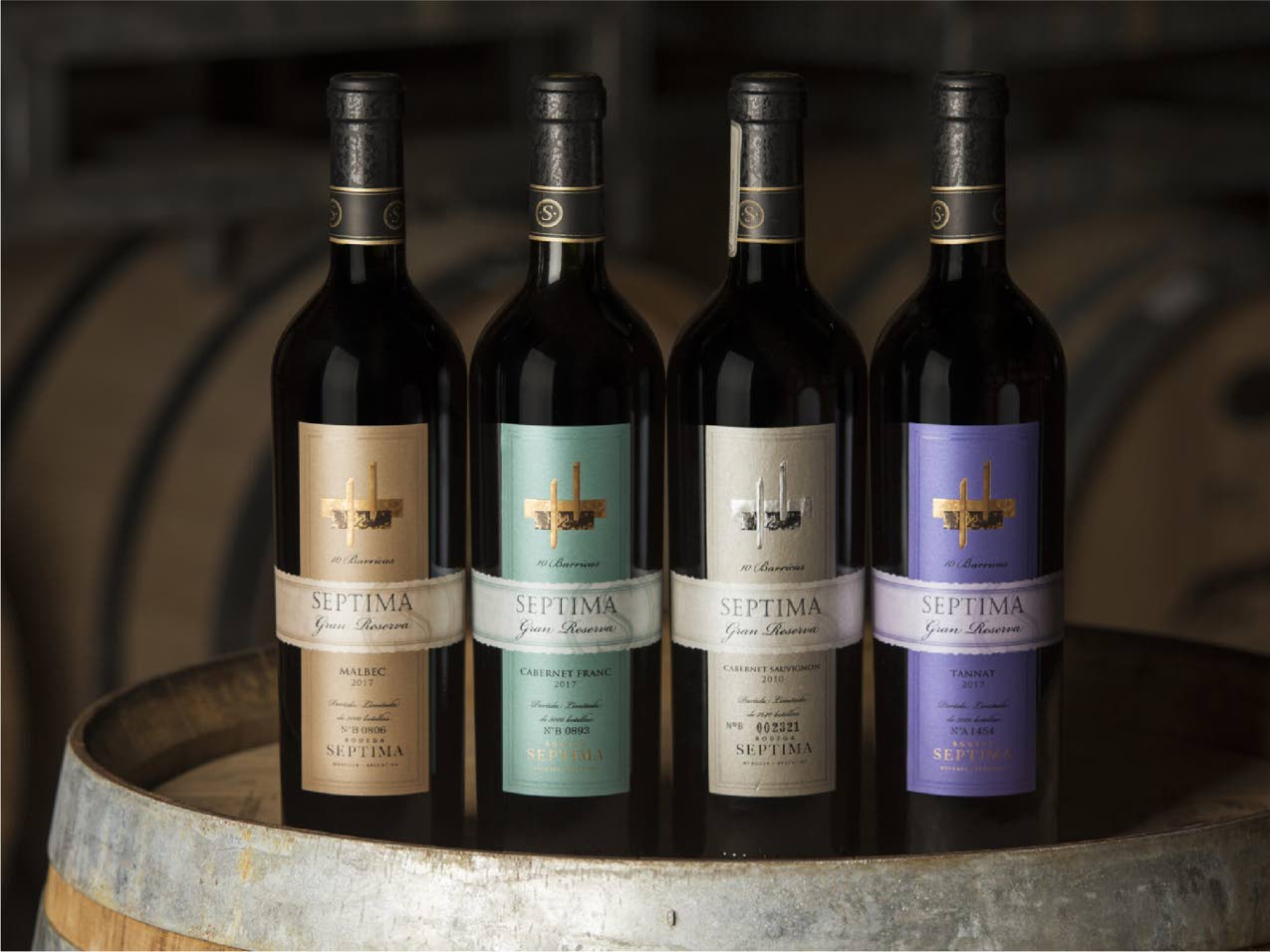
Septima 10 Barricas Gran Reserva (from left) Malbec, Cabernet Franc, Cabernet Sauvignon, and Tannat.
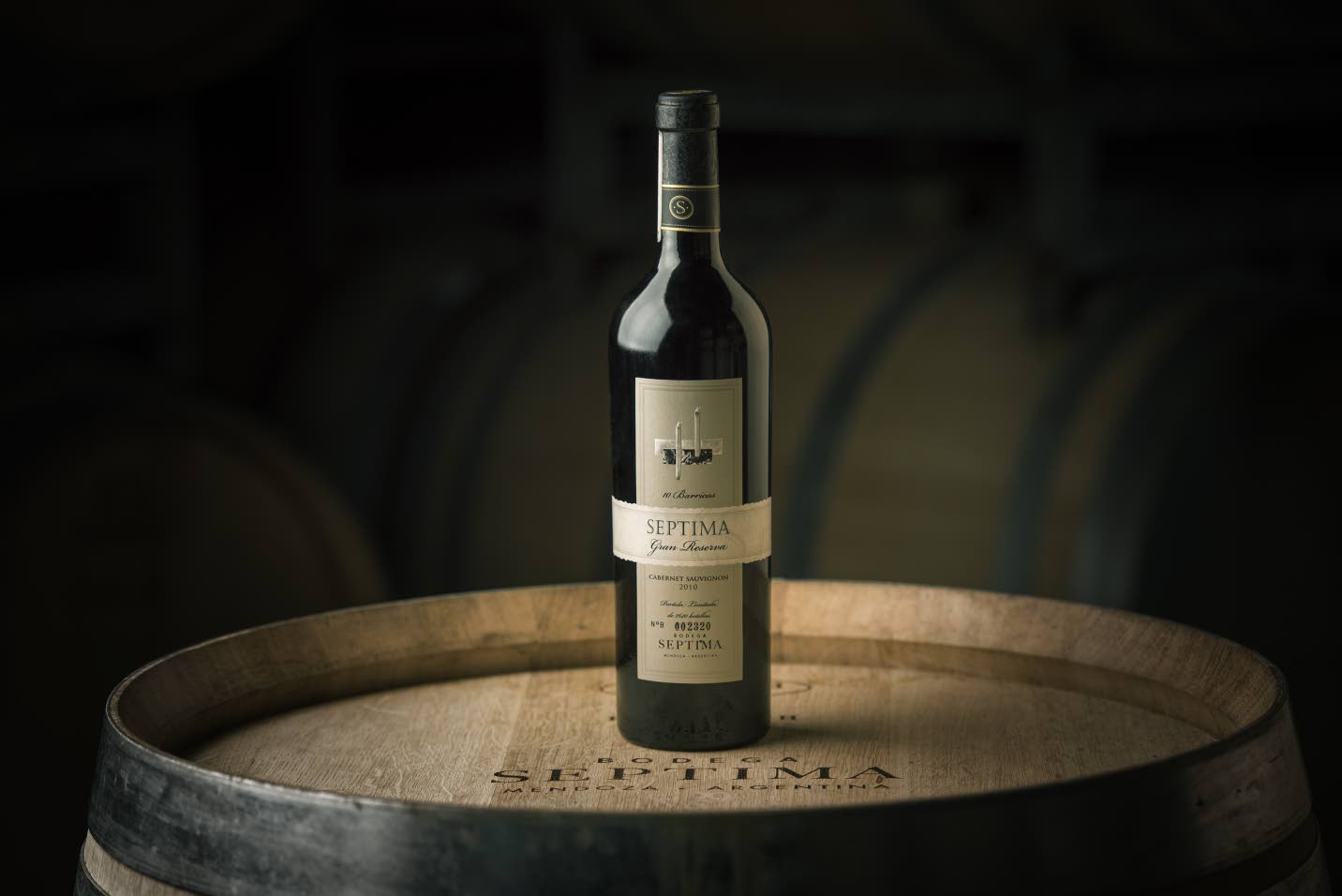
Septima 10 Barricas Gran Reserva Cabernet Sauvignon exhibits aromas of black pepper and red pepper, blackcurrant and licorice. (Photo by Bodega Septima)
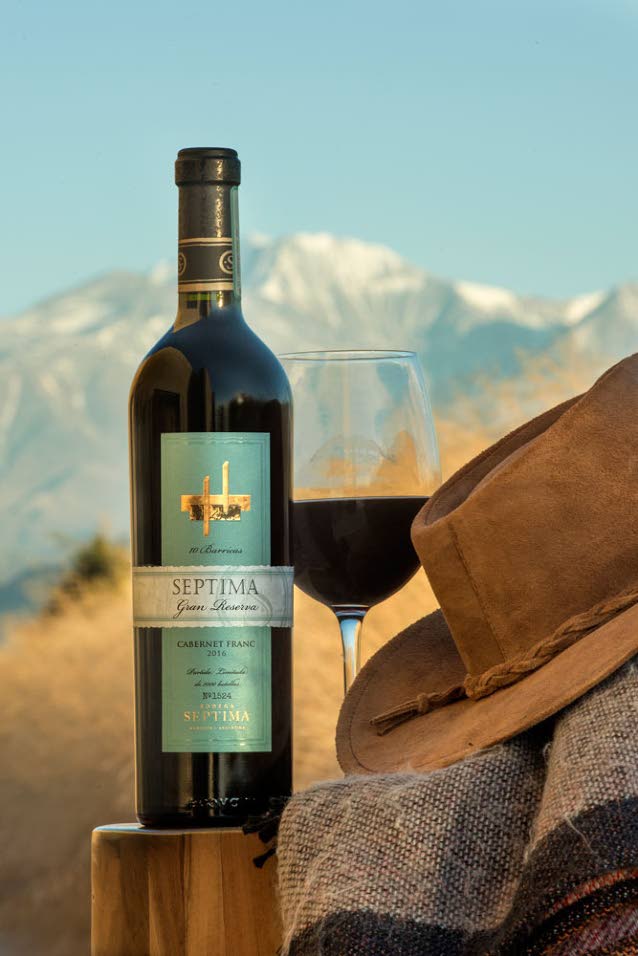
Septima 10 Barricas Gran Reserva Cabernet Franc has aromas of red fruits, cherries, blueberries, blackcurrants, plus spices such as white pepper, light menthol touches and tobacco typical of oak aging.
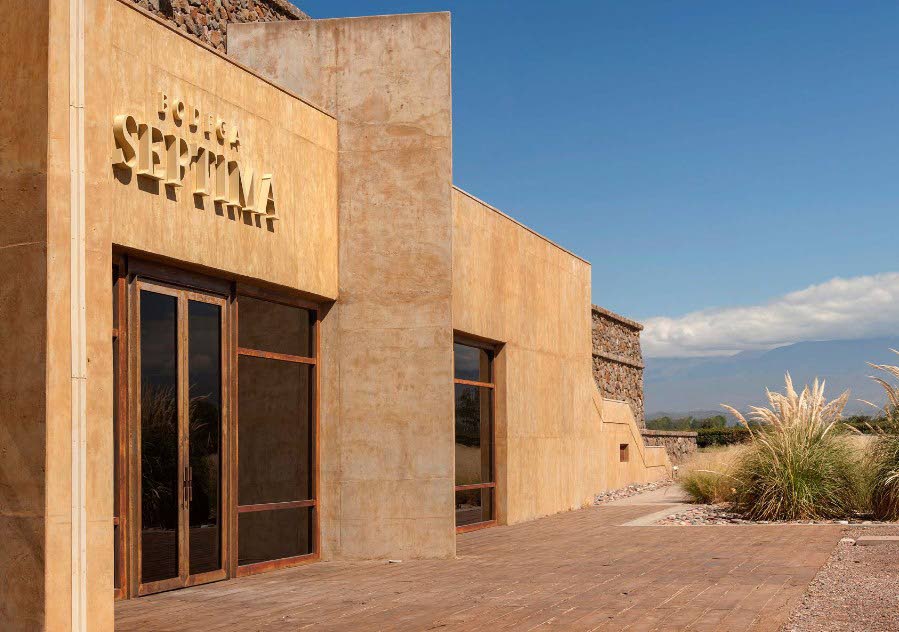
Bodega Septima is located in high Agrelo area in Lujan de Cuyo. (Photo by Bodega Septima)
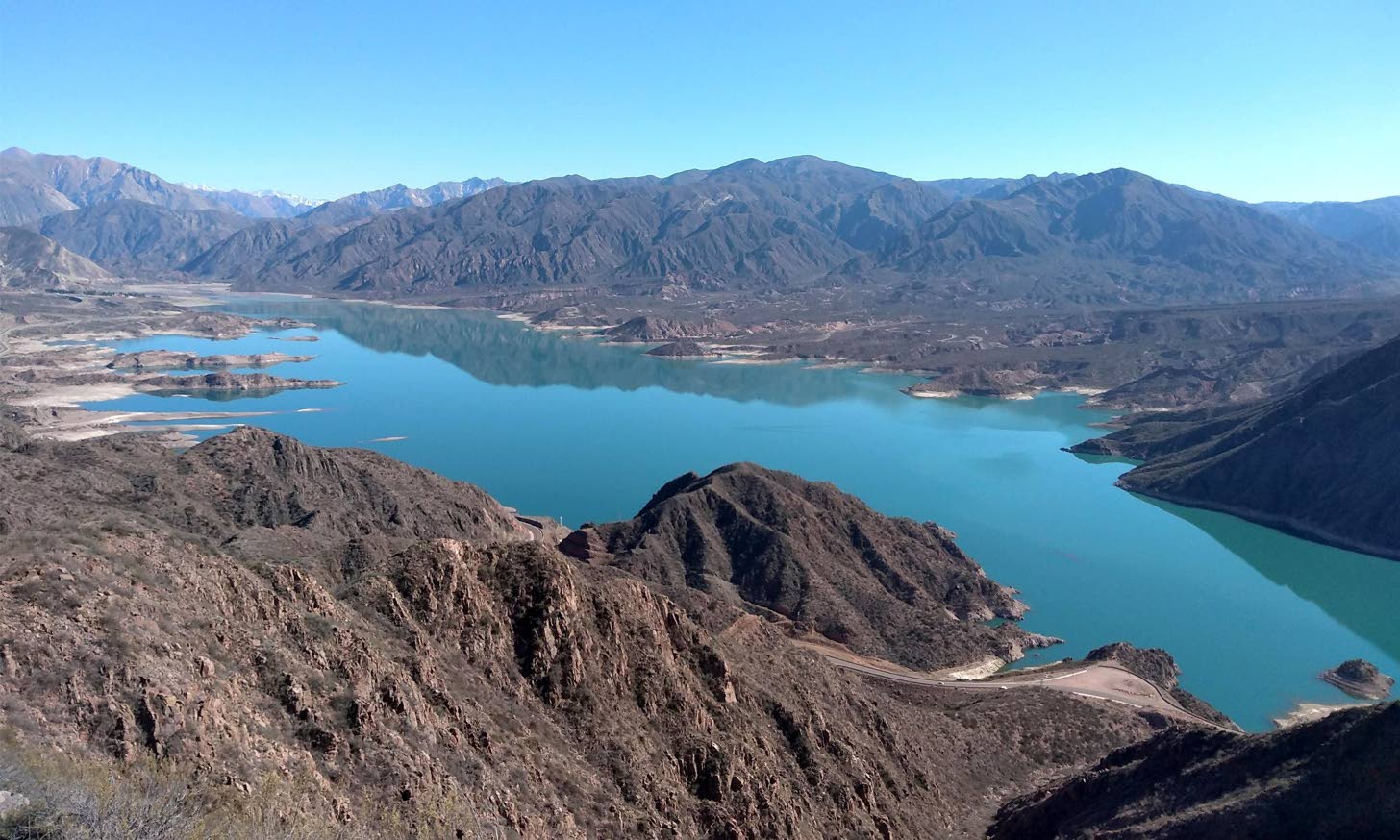
Cerro Nahuel’s breathtaking views of the Cordón del Plata mountain range (Photo by Destino Luján)


