



Gov’t touts real-time damage assessment updates
JUST six weeks after Hurricane Melissa’s assault on the south-western region of the island, the Ministry of Labour and Social Security (MLSS) has completed over 50,000 household damage assessments — more than doubling the number done eight months after Hurricane Beryl.
The ramped-up assessment is a move to accelerate the country’s transition from emergency relief to long-term recovery.
Portfolio Minister Pearnel Charles Jr explained at a Jamaica Observer Press Club that, up to 10:00 am last Thursday, 49,635 household assessments had been completed using the electronic Jamaica Household Damage Impact Needs Assessment (JHDINA) system, with an additional 4,000 paper-based evaluations done in the initial emergency phase.
He said that the completed assessments represent approximately 151,888 affected individuals, noting that the figure is added in real time so it is constantly increasing as new data is uploaded.
According t Charles Jr, the lessons learnt from Hurricane Beryl, which sideswept the island’s south-western parishes on June 28, 2024, the ministry was able to improve the JHDINA system to ensure a faster and more accurate assessment process.
“We use an upgraded, modernised system from Beryl, where we used to use paper. Now the Jamaica Household Damage Impact Needs Assessment form is an electronic, digitised form that allows us to take the information, take the pictures, do the GPS location, and upload automatically,” he said.
Through the use of the upgraded JHDINA, he noted that assessors have been able to double their productivity since Hurricane Beryl, which he says is a testament to its reliability.
“For Hurricane Beryl we did under 20,000 in about six to eight months. Now we have completed more than 50,000 in one and a half months; that means we have doubled what we did in eight months in one month,” the minister said. “That is due to us stopping, listening, learning, and applying better best practice mechanisms and procedures, and from having a very committed team and a committed set of partners.”
Charles Jr also explained that through JHDINA households have been categorised into five tiers relative to level of damage: ranging from no damage, no significant damage, minor damage, major damage, and destroyed.
He added that most of the destruction was accounted for in Westmoreland and St Elizabeth, particularly in communities like Whitehouse and Black River, which received the worst of the Category 5 storm that smashed into the island on October 28.
“In terms of ‘no damage’, we have 965 [households]; we have 5,035 with ‘no significant damage’; 18,582 with ‘minor damage’; 17,182 with ‘major damage’; and 7,871 ‘totally destroyed’,” the minister said as he explained that people will receive aid based on their tier.
In addition to JHDINA, the ministry has also implemented a self-report system which allows people that might have been missed by assessors to enter their information into the system so that they can receive aid.
“The self-reporting is a new tool in our toolbox. Up to 3,000 now have self-reported. We are contacting those persons and working with them. Many of that 3,000 have already been assessed, and we continue [a] 24-hours-a-day operation to work with them,” he said.
In the meantime, Charles Jr said that his ministry also recently rolled out a contact card system that will put people in direct communication with assessors in cases in which their damage assessment began while they were away from their premises and unable to provide the necessary information.
“Let’s say we went to your street and you weren’t there, but we were able to speak to someone else who gave us access to your space — we would start the assessment. So we immediately take the pictures, we do the GPS location, we take whatever information we have and then when you get your contact card, you call us and complete the delivery of information to us,” explained Charles Jr.
The social security minister further divulged that Cabinet has approved an accelerated strategy, which allows for the expansion of the number of assessors deployed, which, when combined with the use of digital tools, has contributed to the improved efficiency of hurricane damage assessments.
“It will improve and increase the number of assessments that we are doing so that we can get that done as quickly as possible, to have accurate data that will form the basis of everything else that will follow — whether it is the cash grant, vouchers, remittances, or housing solutions. Who will get what is all based on that.
“Our goal now is to transition from the relief phase to the recovery phase, which means our assessments are the basis upon which all other benefits will flow to the persons who have been impacted,” said Charles Jr.
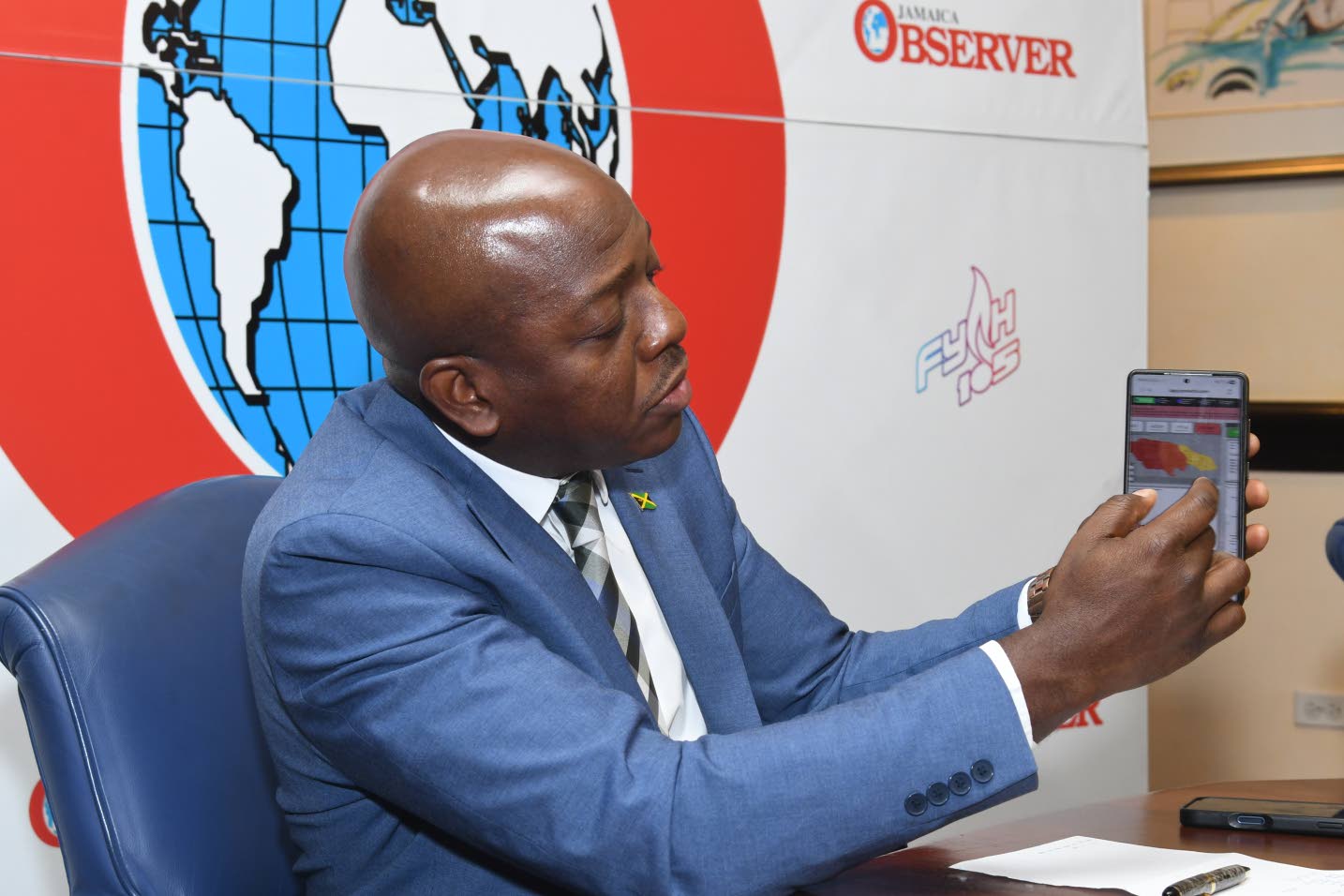
Minister of Labour and Social Security Pearnel Charles Jr showing journalists at a Jamaica Observer Press Club meeting last Thursday, how the upgraded JHNIDA system reports in real time. (Photo: Karl Mclarty)


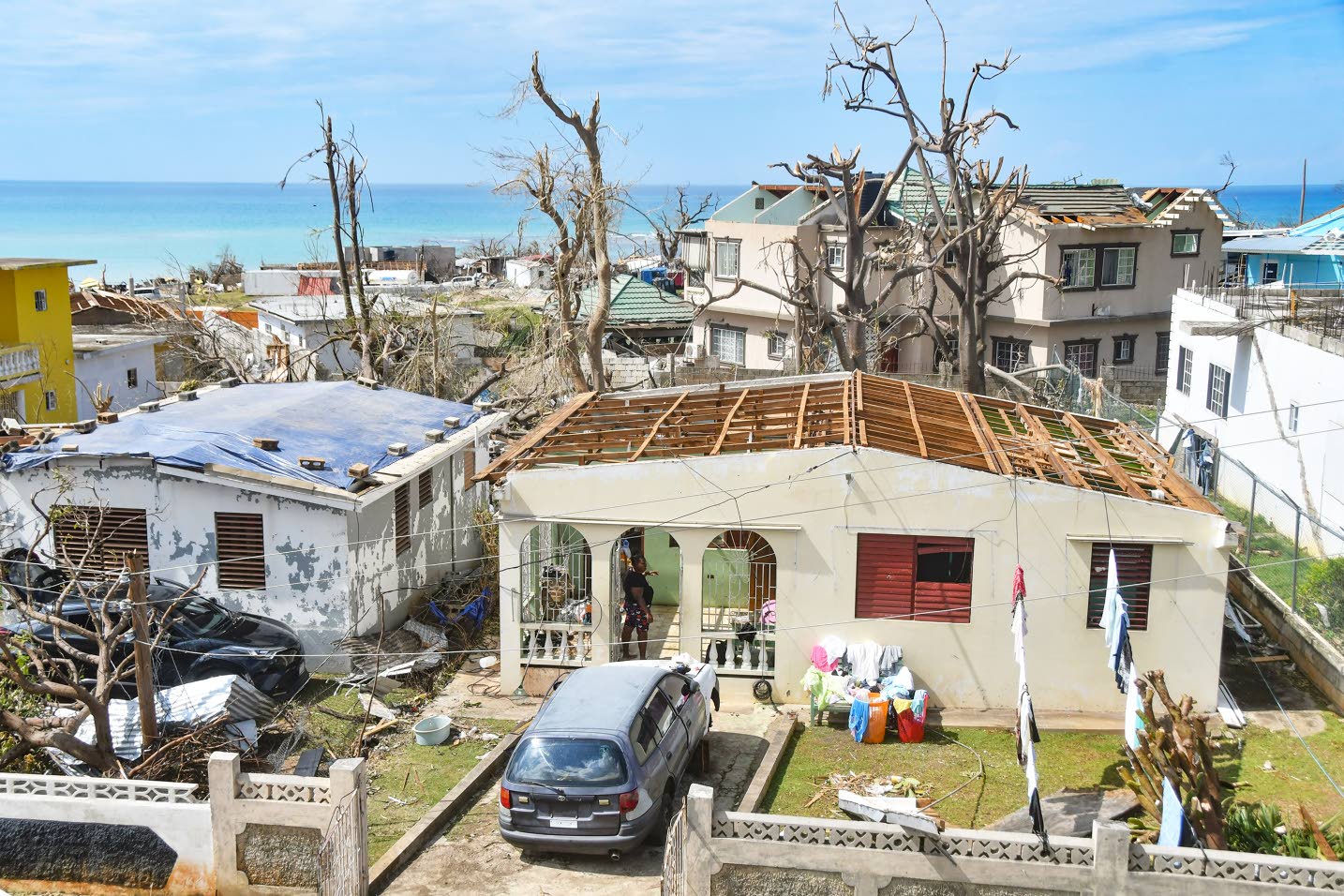
Houses in Whitehouse, Westmoreland, left in ruin by Hurricane Melissa. (Photo: Garfield Robinson)


