



Enjoy the Feast, Not the Food Poisoning
Christmas is a time of joyous gatherings, abundant feasts, and cherished traditions in Jamaica. From glazed ham and curried chicken to rice & peas, sorrel, and hearty soups, tables are laden with festive fare. But with celebration comes risk: foodborne illness is a serious public health concern worldwide — and holiday gatherings can amplify those dangers if proper precautions are not taken.
According to the World Health Organization (WHO), an estimated 600 million people — nearly one in 10 worldwide — fall ill each year after eating contaminated food, and 420,000 people die annually from foodborne diseases. Children under five carry a disproportionate share of the burden, accounting for 40 per cent of foodborne disease deaths globally.
In the Caribbean region, including Jamaica, seasonal gatherings and large meals place additional pressure on food handling systems and household practices. Data from the Caribbean Public Health Agency (CARPHA) estimates that about 1 in 49 people in the region will acquire a foodborne illness each year; this risk increases to 1 in 11 during large gatherings such as holidays.
Let’s explore the key risks and considerations every home cook should understand to keep holiday celebrations safe and healthy.
Advance Cooking & Improper Cooling
One of the greatest food safety challenges during Christmas is the preparation of large quantities of food in advance. Traditional Jamaican meals like rice & peas, soups, hams, and poultry are often prepared hours — or even a full day — before they are served. While advanced cooking helps manage time, it creates the need for effective cooling and storage.
Food left to cool too slowly provides ideal conditions for bacteria to multiply. The temperature range where bacteria grows fastest (commonly called the danger zone) is between 5°C and 60°C (41°F and 140°F). Food held in this range for too long can quickly become unsafe.
Proper practice involves dividing large pots and batches into smaller, shallow containers that cool quickly and can be refrigerated promptly. Once cooled to room temperature within two hours, food should be stored in a refrigerator set at ≤5°C (≤40°F). This minimises the time food spends in the danger zone and slows bacterial growth.
Inadequate Reheating
It’s common for leftover Christmas food to be reheated later in the day. However, warming food “just enough” to serve is not sufficient to ensure safety. According to recent guidance, improper time and temperature control during reheating contributes to outbreaks of foodborne illness. To be safe, the World Health Organization (WHO) recommends that leftovers be reheated rapidly to steaming hot throughout — ideally to at least 74°C (165°F) — before serving. Slow heating allows bacteria to survive and multiply.
Cross-Contamination in Busy Kitchens
Christmas gatherings often bring multiple cooks and helpers into the kitchen. While this collaborative energy is part of the fun, it also increases the risk of cross-contamination — when harmful bacteria from raw foods are transferred to ready-to-eat dishes.
Raw poultry, meat, and seafood can harbour harmful pathogens like Salmonella, Campylobacter, and E coli. If cutting boards, utensils, or hands are not properly cleaned after handling these foods, bacteria can spread to salads, cooked foods, and serving platters.
Avoid this by using separate cutting boards and knives for raw and cooked food, washing hands frequently with soap and water, and keeping raw meats physically separated in the refrigerator from foods that will not be cooked before eating.
Temperature Abuse at Serving Time
Outdoor serving and buffet-style presentations are hallmarks of Jamaican holiday celebrations, but leaving food out for extended periods is risky. The WHO cautions that pathogens can multiply rapidly when food is held in the danger zone, especially in warm climates.
Hot foods should be held above 60°C (140°F). Cold foods should remain below 5°C (41°F). If food sits at room temperature for more than two hours, it should be discarded — and if the weather is hot, even sooner. Temperature abuse is a common contributing factor in outbreaks and can undo all other safe handling practices if not carefully monitored.
High-Risk Jamaican Dishes
Certain beloved Christmas dishes require extra attention. Chicken (fried, jerked, curried) must be cooked through to safe internal temperatures. Rice & peas is cooked in large batches and need rapid cooling to prevent spore-forming bacteria such as Clostridium perfringens from multiplying. Soups and stews are thick, dense foods that cool slowly if left in huge pots. Seafood dishes and salads are high-moisture foods and are susceptible to contamination if not properly chilled.
Foods with high water content and limited acidity are particularly favourable for bacterial growth. Ensuring thorough cooking, prompt cooling, and proper reheating protects against many common foodborne pathogens.
Alcohol & Food Safety Blind Spots
Holiday celebrations often include generous servings of sorrel, rum punch, and other beverages. But alcohol should never be viewed as a safeguard against food contamination.
Contrary to common myth, alcohol does not make food safe, nor does it kill foodborne pathogens in food. While it might offer comfort and camaraderie, mixed drinks and rum do not substitute for proper food handling, temperature control, or hygiene practices. Hosts and guests alike should remain vigilant about basic food safety, even amid festive cheer.
Vulnerable Groups at the Table
Not everyone at the Christmas table is at equal risk. Children, the elderly, pregnant women, and persons with weakened immune systems are more likely to develop severe illness from foodborne diseases — including dehydration, hospitalisation, and in extreme cases, death. These groups should be prioritised for the safest-prepared foods. Serve food that has been freshly cooked or properly reheated. Avoid risky items such as undercooked eggs or meats and unpasteurised dairy. Encourage guests to practice good hygiene, especially handwashing.
Leftovers Management
After the last plate is cleared and the family departs, leftovers become a second potential risk window. Improper storage can convert yesterday’s feast into today’s stomach upset. Refrigerate leftovers within two hours of cooking. Store food in shallow, airtight containers. Label and date containers. Consume within 48–72 hours, or freeze for longer storage. When in doubt: throw it out.
Christmas food should be a source of pleasure and festive spirit, not illness and regret. Whether you’re a seasoned cook preparing a large family meal or a guest contributing a dish to the table, understanding these food safety considerations will help ensure everyone goes home happy — and healthy.
Safe food handling, temperature control, and basic hygiene practices can significantly reduce the risk of foodborne illness, which affects millions globally each year. Celebrate with care and protect your loved ones by keeping safety at the heart of holiday traditions.
About the Author
Allison Richards is a food safety communicator, trainer, and the founder of The Food Safety Girl, a consumer awareness platform dedicated to promoting food safety in Jamaica. She is also the host of The Big Bite Food Safety Show, a radio program that educates listeners on food safety issues. With over 14 years of experience in food safety regulation, Allison is passionate about empowering consumers and industry stakeholders to make informed choices that protect both health and the environment.
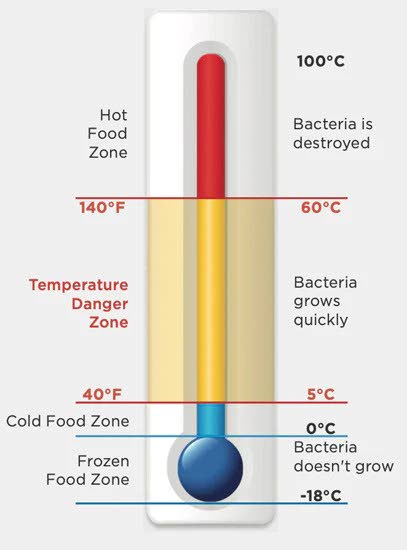
The temperature range between 5°C and 60°C is known as the Temperature Danger Zone. This is because in this zone food poisoning bacteria can grow to unsafe levels that can make you sick.
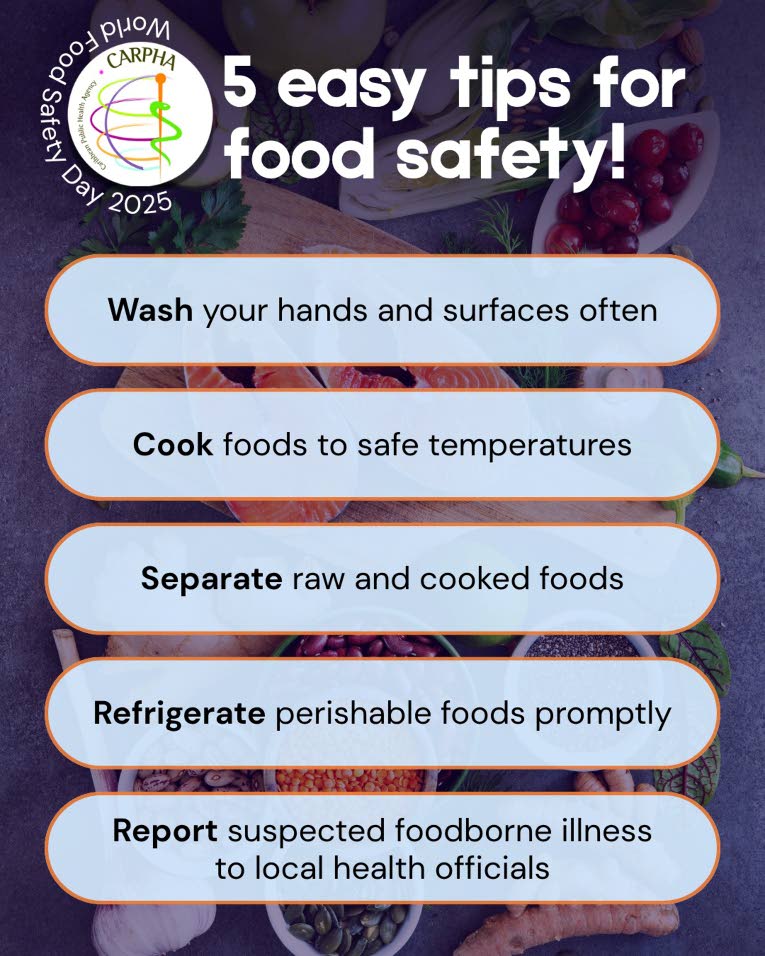
The Caribbean Public Health Agency (CARPHA) provides various health and safety guidelines tailored to different situations like food safety.

Allison Richards | thefoodsafetygirlja@gmail.com


