



A bold new policy to harness culture as economic power
When Minister of Culture, Gender, Entertainment and Sport Olivia “Babsy” Grange rose in the House of Representatives to table a green paper on October 7, the air in Parliament crackled with possibility. What began as routine policy business quickly unfolded as a visionary manifesto — a strategic blueprint to unlock the full economic and cultural power of Jamaica’s creativity.
The National Policy for Culture, Entertainment and the Creative Economy 2025-2035 is more than a government document, it is a 10-year roadmap to transform Jamaica’s distinctive cultural assets into structured engines of growth, jobs, and global influence.
A Creative Economy Already Punching Above Its Weight
Jamaica’s creative economy — spanning music, visual arts, film, fashion, cultural heritage, food culture, innovation, and more — is already a significant contributor to national well-being. According to the latest industry survey, the cultural and creative industries contribute an estimated $107 billion annually, representing about 5.1 per cent of Jamaica’s gross domestic product (GDP), with some estimates reaching as high as 7.6 per cent when extended impacts are included.
These figures comfortably exceed the global average of roughly 3 per cent for similar sectors, underscoring Jamaica’s comparative advantage in cultural production and cultural export.
Despite its impact, the sector has long operated in silos, with talented practitioners thriving on talent and hustle but lacking the formal structures that support growth in other industries. The green paper confronts this reality head-on.
Cornerstones of the Policy
At its heart, the policy proposes three transformative pillars designed to institutionalise support and unleash economic potential:
1) Institute for Cultural Practitioners, Innovators, Entertainers and Creatives (ICPIEC): This proposed centre of excellence will offer flexible, cutting-edge training across disciplines — from arts and digital technology to archaeology, gastronomy, and creative entrepreneurship. Designed in partnership with universities and colleges, the institute will use micro-credentialing so practitioners can upskill without interrupting their careers.
2) Jamaica Entertainment and Cultural Development Foundation: Structured as a charity, this foundation is intended to mobilise sustainable funding from Government, Diaspora investors and private donors — addressing the finance gap that has historically constrained festivals, community arts projects, and heritage initiatives.
3) The Entertainment, Culture and Creative Economy Act: The forthcoming legislation will provide the legal backbone for the sector, streamlining government engagement, safeguarding intellectual property, incentivising private-sector participation, and ensuring the industry can adapt to technological advances like artificial intelligence without sacrificing ethical standards.
Practical Gains for Creatives
Beyond institutional reform, the policy embeds near-term benefits that will strengthen practitioners’ welfare and opportunities. These include expanded health and life insurance through a tailored insurance plan, incentives for tools of trade, easier international mobility for cultural workers, and stronger support for sector associations.
Broad Support, Strategic Calls for Inclusion
The green paper has garnered bipartisan support. Opposition spokesperson on Culture, Creative Industries and Information Nekeisha Burchell described the initiative as “timely and necessary” but urged deeper engagement with grass roots practitioners islandwide — from Kumina drummers to craft vendors and community performers.
Opposition Leader Mark Golding echoed the policy’s promise but emphasised the need for a clear implementation blueprint, especially for new governance structures. Member of Parliament Damion Crawford called for greater awareness of existing incentives and practical registration drives to ensure wide-ranging uptake.
Strengths and Opportunities
The timing of this policy could not be more decisive. Jamaica’s creative output — from reggae’s UNESCO inscription to dancehall’s global traction — has solidified the island’s cultural footprint worldwide. Yet formalising the sector’s role in national development could generate exponential gains.
Key strengths of the policy include:
• broad consultation with practitioners, building buy-in and relevance
• emphasis on frontier technologies, such as artificial intelligence (AI), digital storytelling and blockchain for rights management
• alignment with broader national goals, including Vision 2030 and sustainable development
The Diaspora presents a compelling investment partner, ready to fuel exports across music, film, fashion, culinary tourism, and digital innovation. Stronger intellectual property protections could also help ensure Jamaican creators benefit more equitably from global use of their work.
Challenges and Practical Solutions
No policy of this ambition is without hurdles. Fragmented associations, uneven access between urban and rural creatives, and perennial underinvestment threaten impact unless met with strategic action. Moreover, implementation gaps that have slowed past initiatives must be pre-empted.
Practical steps to ensure success include:
• expand consultations now, while the policy is still a green paper. Conduct mobile parish town halls, digital diaspora forums, and targeted sessions for under-represented groups;
• build strong data and reporting systems from the outset, with annual impact assessments tied to jobs created, export revenues, and heritage sites preserved;
• leverage public-private partnerships early, pairing the new foundation with corporate sponsors in exchange for branding opportunities or tax incentives;
• integrate with existing frameworks, aligning ICPIEC credentials with technical and vocational education and training and university qualifications;
• safeguard against politicisation by embedding bipartisan oversight and civil society representation into the Creative Economy Act.
A Vision for the Future
If executed with fidelity and foresight, this policy could propel Jamaica’s creative economy from a source of cultural pride to a strategic national asset — driving jobs, fostering inclusion, preserving heritage, and demonstrating that small islands can wield outsized influence in global culture and economics. As Minister Grange aptly put it, this initiative is about transforming lives, communities, society, and the economy.
In an era when creativity and innovation define competitive advantage, Jamaica’s bold cultural vision may well become a blueprint for other nations seeking to harness the power of culture for sustainable development.
Janiel McEwan is an economic consultant. Send comments to the Jamaica Observer or janielmcewan17@gmail.com.
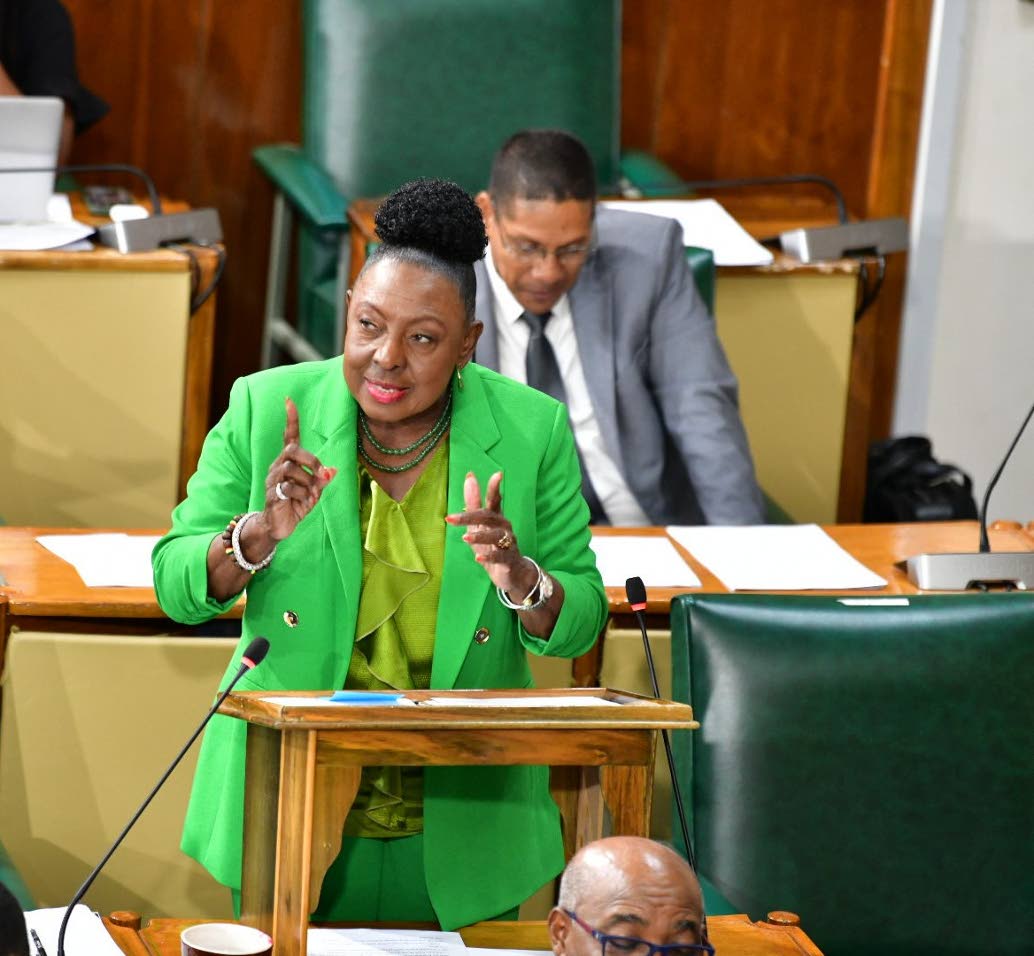
Olivia Grange (Photo: JIS)

Jamaic’s creative economy is a significant contributor to the nation’s well-being.
Janiel McEwan


