



Coffee beans rot in field as roads remain inaccessible post-Melissa
JCGA head calls for better support of sector in 2026
TWO months after Hurricane Melissa tore through sections of Jamaica’s Blue Mountains, coffee farmers are facing a deepening crisis as inaccessible roads leave both ripe and immature coffee berries rotting in the fields, compounding already heavy losses to the sector.
President of the Jamaica Coffee Growers Association (JCGA) Donald Salmon told the Jamaica Observer this week that even before the Category 5 hurricane struck, road conditions in coffee-farming regions were poor, but Melissa pushed them “beyond deplorable”.
“In many farming communities across St Thomas, St Andrew and Portland, several roads have remained impassable, preventing farmers from reaching their plots with vehicles, fertilizer, manure, and sometimes even labour,” he said, while adding that vehicle maintenance costs, as a result, have more than doubled as farmers struggle to navigate the increasingly rough terrain.
Affected road networks span multiple areas, including Penlyne Castle in St Thomas, Clydesdale and Westphalia in St Andrew, and communities such as Claverty Cottage and Mahoe in Portland.
With some roads still blocked and providing little to no access, Salmon said a significant portion of the crop continues to be lost in the fields. Over the past few weeks, farmers have reported that berries have been wilting, drying or dropping prematurely from trees. In other areas, where coffee is ready to be harvested, he said the commodity sometimes cannot be collected because there is no viable way to transport it off the mountains.
“Some farmers are forced to park miles away and walk long distances, paying extra to have inputs or produce carried by hand, or simply having to leave their coffee to rot and fall from the trees,” Salmon explained.
These run the risk of increasing pest infestation, particularly from the coffee berry borer, recognised globally as the most destructive pest affecting coffee crops. Damaged and fallen beans left in the fields provide ideal breeding grounds for these insects, threatening future harvests and worsening an already dire financial situation.
The full scale of the impact, Salmon said, is already severe, with losses running into the millions. This is in addition to overall damage from Hurricane Melissa, which growers estimate exceeds $1 billion across the sector or at least 100,000 buckets of coffee berries lost.
As these challenges compound recovery efforts, Salmon warned that it could take another two to three years for the sector to return to normal, resulting in reduced supply for both local and export markets in the near term.
While lauding recent efforts by the Jamaica Agricultural Commodities Regulatory Authority (JACRA) to support recovery through the distribution of 5,000 bags of fertilisers valued at approximately $35 million, Salmon stressed that proper road infrastructure is equally critical to the industry’s survival. JACRA is a Government agency set up to regulate, promote, and standardise Jamaica’s key agricultural export crops: coffee, cocoa, coconut, and spices.
“You can’t give us fertiliser and then we can’t go in,” he said as he called on government to act swiftly to repair roads leading to affected farms.
Beyond road access, Salmon pointed to other long-standing challenges he wants addressed, including limited access to credit, the absence of crop insurance, and the slow implementation of key policy initiatives.
He pointed to the Coffee Rehabilitation Expansion Programme (CREP) as a key example. Although launched in 2021 to support seedlings, research, and industry rehabilitation, the programme remains largely on paper with little tangible impact on farmers. He is now calling for concrete action by 2026.
Salmon also noted that while dialogue has increased since Hurricane Melissa among growers, exporters and regulators, stronger leadership and more direct engagement remain necessary.
“There is currently not enough dialogue between farmers and JACRA chairman, Wentworth Charles, but in the coming year we want to see engagement similar to what we have had with CEO Wayne Hunter and other members of the authority’s executive team,” he said.
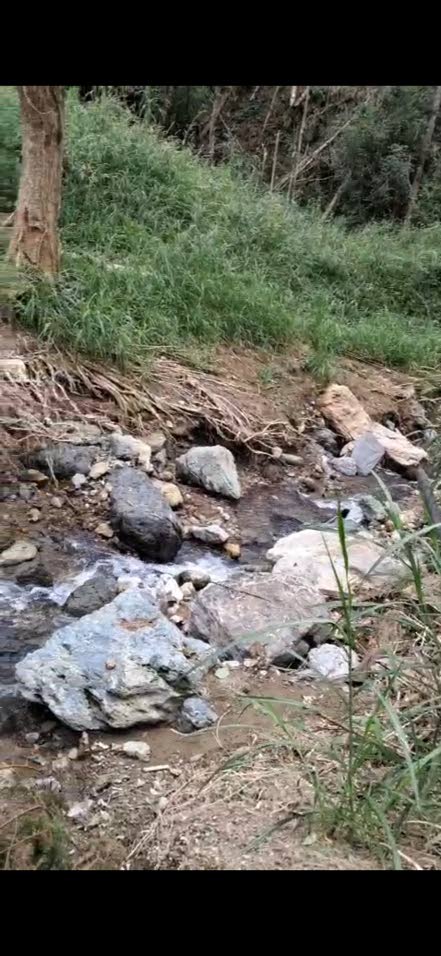
A section of the roadway leading to a coffee farm in St Andrew
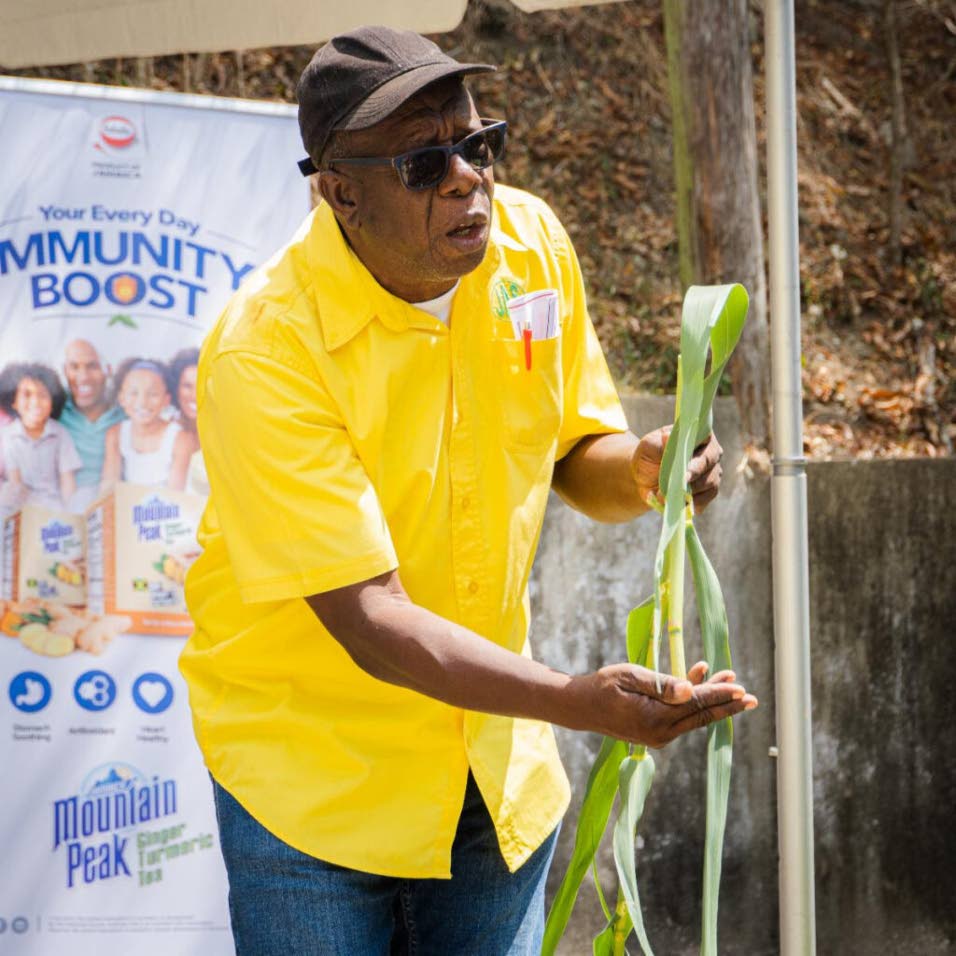
SALMON…in many farming communities across St Thomas, St Andrew, and Portland, several roads have remain impassable, preventing farmers from reaching their plots with vehicles, fertiliser, manure and sometimes even labour


