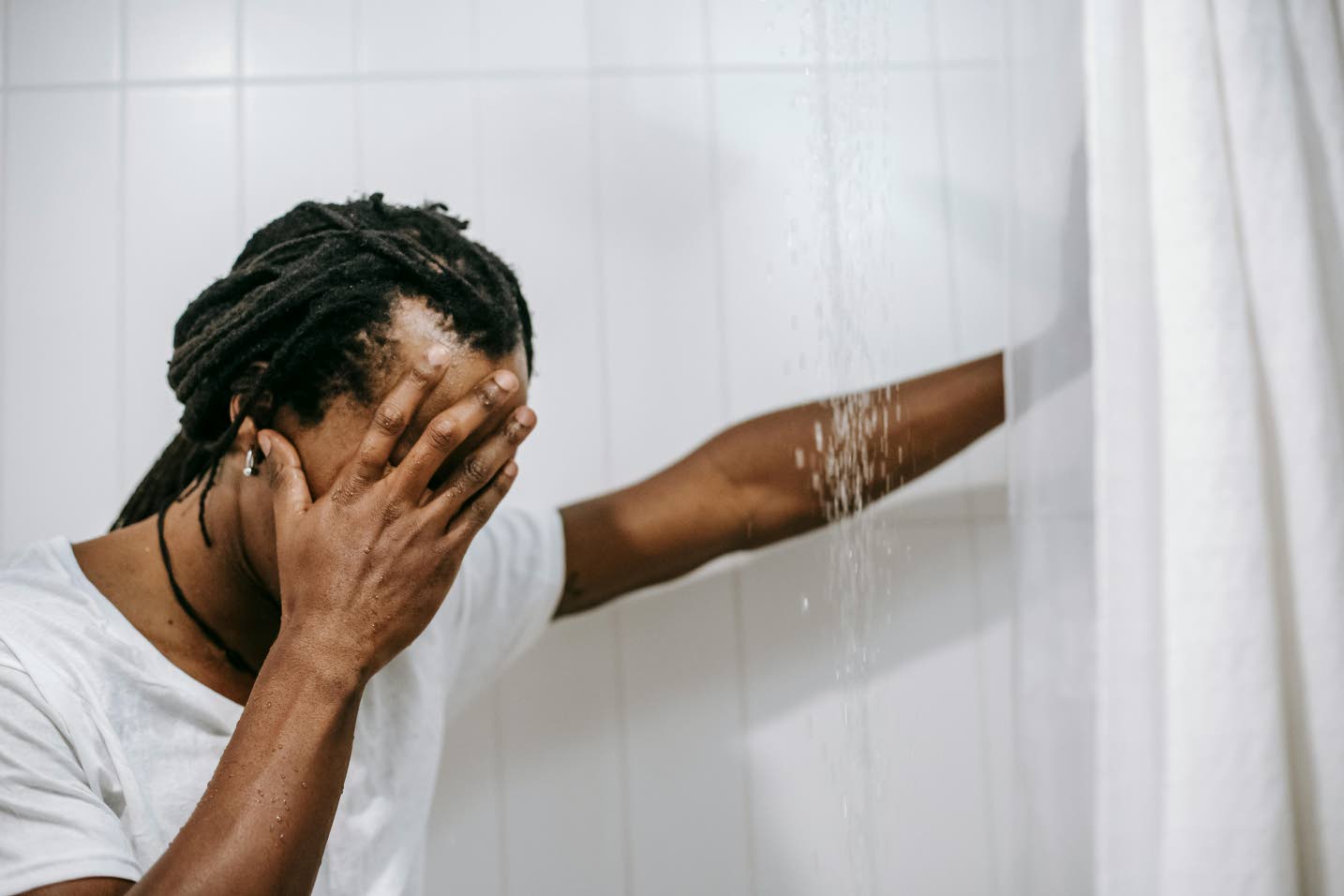
Strength, silence, and the cost of carrying too much
Jamaica understands strength. We respect endurance. We admire men who work hard, provide for their families, and hold things together regardless of pressure. But when it comes to men’s mental health, that same definition of strength has quietly become part of the problem.
We are seeing clear patterns that show Jamaican men are significantly more likely to die by suicide than women. Behind those patterns are real people and real families. Men who struggle silently. Men who were praised for coping while privately running out of options. Men whose pain was real but never given language or space.
From lived experience and professional practice, this is not surprising. Trauma is not always one dramatic event. More often, it is cumulative. Emotional neglect, exposure to violence, unresolved grief, financial strain, migration stress, and growing up in environments where vulnerability was discouraged all leave an imprint. Over time, many men learn not how to process pain, but how to survive it.
Many Jamaican men are taught from an early age that emotional restraint equals maturity: “Man strong.” “Man stan up inna di ting.” That message may build resilience, but it also teaches disconnection. When distress has no safe outlet it finds other ways to surface. Irritability, emotional withdrawal, substance use, risk-taking, and anger often sit where sadness and fear were never allowed.
This experience is not limited to the island. Jamaican, African, and Caribbean men living in the UK often share the same expectations of strength and self-reliance compounded by additional pressures such as racism, isolation, and mistrust of systems that have historically misunderstood them. Many delay seeking support until a crisis forces intervention. By then the cost is high, not only for individuals but also for families and entire communities.
A more compassionate approach asks us to shift the question — not: What is wrong with him? but: What has he lived through? It recognises that behaviour we label as difficult are often survival strategies shaped by unsafe or unsupportive environments. Judgement shuts men down. Understanding opens the door to healing.
Silence remains one of the greatest dangers. Jamaican-born mental health advocate Asante Haughton has spoken about the importance of storytelling in healing, reminding us that when people hide their pain they deny themselves the possibility of recovery. Courage, in this context, is not found in silence but in honest conversation.
Stigma continues to be a major barrier. Mental distress is still too often framed as weakness, personal failure, or something that should simply be prayed away. Faith can be a powerful source of strength, but it should never be used to silence suffering. Prayer and professional support are not opposites; they work best when they walk together.
One practical step worth serious consideration is the development of a national mental health ambassador programme — not as a replacement for professional services, but as a layer of community-based support.
Such a programme would equip everyday people with the confidence and basic skills to recognise signs of emotional distress, respond with empathy, and guide someone towards appropriate help. Much like first aid prepares people to respond in a physical emergency, this approach would empower friends, family members, co-workers, and community members to offer early, informed support when someone is struggling.
For many men, especially those who are reluctant to engage formal services, the first person they speak to is not a clinician. It is a friend, family member, co-worker, or someone they trust within their community. Ensuring those everyday interactions are informed, compassionate, and safe could make the difference between escalation and early intervention.
Encouragingly, change is beginning to happen. Community-led initiatives, culturally informed practitioners, and more accessible services are reaching men who would never walk into a traditional clinic. These approaches work because they meet men where they are without judgment or shame.
If we are serious about changing outcomes, it is time that, as a society, we allow our boys to cry without shame and our men to heal with dignity. This requires a cultural shift — teaching boys emotional literacy alongside discipline; encouraging fathers, elders, and community leaders to model openness, not just toughness; and creating workplaces, churches, and community spaces where men can speak honestly without fear of ridicule or consequence.
Jamaican men are resilient, resourceful, and deeply committed to their families and communities. But resilience should not mean suffering alone. A healthier future depends on our willingness to rethink what we have taught men about coping, courage, and care.
Mental health is not foreign. It is not a Western invention. It is about how we survive, how we relate, and how we heal. When we allow men to be fully human, we do more than save lives, we strengthen families, communities, and our nation.
Silence has had its time, and now necessary healing requires a different kind of strength.
Lee Townsend is a former guidance counsellor and currently works in community engagement and mental health advocacy, focusing on awareness, prevention, and culturally appropriate support in the UK. Send comments to the Jamaica Observer or lee@leetownsend.co.uk.
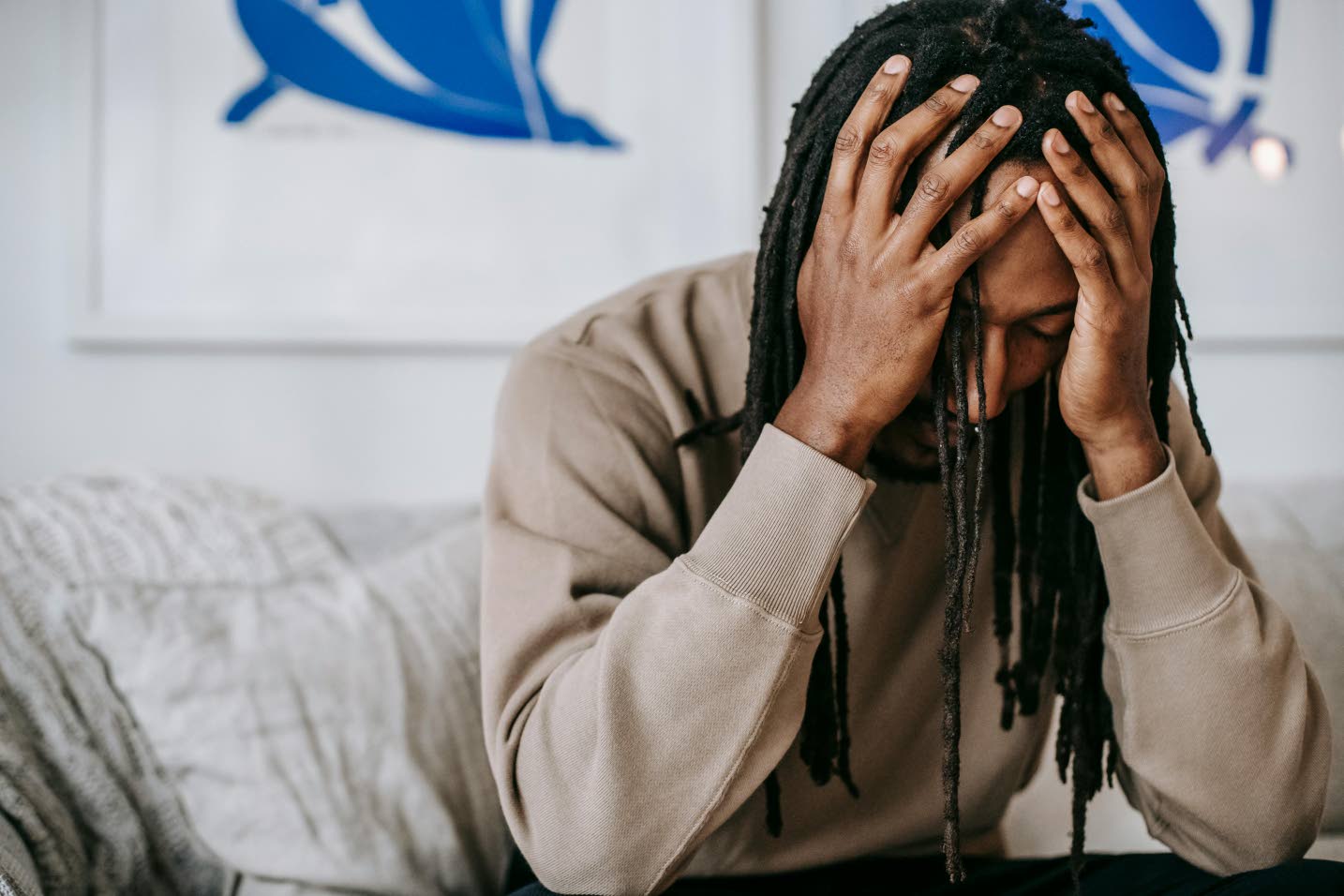
We are seeing clear patterns that show Jamaican men are significantly more likely to die by suicide than women.