



When black gold turns to ruin: The Venezuelan paradox
Once celebrated as the crown jewel of Latin America — a nation that has immense cultural vibrancy matched only by the staggering scale of its oil reserves — Venezuela stood as one of the richest countries on Earth. Its vast petroleum wealth promised unending prosperity, positioning this South American State as a symbol of natural abundance and global economic potential.
However, many Western academics and critics have dubbed Venezuela a failure. A country that was once recognised as a beacon of hope and pride for the Latin American region today grapples with the realities of economic mismanagement, political conflict, and even social unrest over the last decade.
Yet one may ask: Were there external forces that played a major role in the downfall of Venezuela? Was the collapse of the Venezuelan economy solely caused by the domestic leadership of the country? And can the failure of the Venezuelan economy be the cause of the “resource curse”? These are questions that political analysis regard as important when studying the root causes of Venezuela’s economic collapse.
Nevertheless, during the period of the Venezuelan oil boom many Latin American and Caribbean countries concluded that Venezuela’s oil reserves are a blessing to the Latin American and Caribbean region; however, these sentiments proved to be short-lived.
To successfully understand the actors at play we must examine the history of Venezuela’s oil discovery and the events that unfolded thereafter. According to Andrey Movchan et al in
Managing the Resource Curse: Strategies of Oil-Dependent Economies in the Modern Era: “Venezuela’s oil history began in 1914 with the discovery of oil reserves at Mene Grande, close to the Gulf of Maracaibo. Between 1920 and 1935, the percentage of oil in the nation’s exports increased from 1.9 per cent to 91.2 per cent. Simultaneously, the oil business started to draw in additional workers, mostly from the agricultural sector (coffee was once a significant export from Venezuela). During this time, domestic production became less competitive due to the Venezuelan bolivar’s increasing value relative to the US dollar. The government discovered in 1940 that importing numerous commodities was less expensive than producing them domestically.”
This suggests that Venezuela would have seen a massive oil boom from the 1920s through to the 1970s, this can also be situated in the context of global energy as well as the changing regimes within the nation’s history. Diego Restuccia in The Monetary and Fiscal History of Venezuela, 1960–2016 best explains this idea: “Venezuela’s structural development and transition throughout the 1920s were significantly influenced by oil production, which at the time was primarily carried out through concessions to international corporations. Even though nationalisation of the oil industry wasn’t officialised until 1976, talks about it in the late 1960s and early 1970s eventually stopped this progress.”
Restuccia went further, noting that: “Between its peak between 1970 and the mid-1980s, overall crude oil production fell by 55%, and labour productivity in the oil sector fell by over 70% during that time. Furthermore, the nationalization of the sector and its effects on fiscal policy suggested that distortions built up over time since government personnel and various programs, rather than market forces, were allocating enormous sums of resources. However, the Venezuelan government’s handling of oil as a natural resource is the most crucial area to concentrate on.”
This can be seen when Restuccia outlined that: “The rise in oil prices in 1974, which resulted in a windfall in government revenue and the greater volatility seen in oil prices since then, made the distortions worse. Between 1960 and 2016, oil accounted for about 60% of government revenue and, on average, 90% of all exports. However, in contrast to certain hypotheses, like the “Dutch disease” theory, the Venezuelan economy’s problem is not oil; rather, it is the way the enormous sums of resources produced by oil were used. Other economies, like Norway, have successfully handled their oil wealth, but the results have been completely different.”
In this analysis, we can also note that a more nuanced way of looking at this phenomenon is also by examining Venezuela shift of regimes from democracy to military rule in the mid-century to the nationalisation of oil. Looking at how this regime change would have in the long run harm the nation. Aaron Kappeler perfectly referenced this in one of his latest works. He noted that: “Perez Alfonzo was one of ‘the prophets of petroleum’ in the late 1960s, praising its virtues and potential to free Venezuela from underdevelopment. But by the middle of the 1970s he was among its most outspoken detractors. ‘Ten years from now, twenty years from now, you will see: Oil will bring us ruin,’ he said, criticizing Venezuela’s economic policies in an interview conducted just before his death in 1979. This statement would subsequently become widely used. It only causes problems. We have not benefited from it. Consider all this waste, corruption, consumption, deteriorating public services, and the debt we will have for a very long time. Oil is what I refer to as ‘the devil’s excrement’.”
The unbalanced growth on which Venezuela’s prosperity depended was unsustainable, and a decade later, when oil prices fell, his dire predictions came true.
To begin with, in critically analysing Venezuela’s economic downfall, it proves necessary to understand what many critics refer to as the “resource curse. This was first put forward by the theorist Richard M Auty in his book Sustaining development in mineral economics, The resource curse thesis. Auty said: “An increasing amount of research indicates that nations with low and mid-income levels of development may not benefit as much from a favourable natural resource endowment as is commonly believed. The postwar industrialization efforts of developing nations and the performance of mineral-rich developing nations during the 1960s are two significant examples of this evidence. According to the new data, resource-rich nations can not only fail to reap the benefits of a favourable endowment, but they might even perform worse than less-endowed nations. The resource curse theory is based on this unexpected result.”
The resource curse, or paradox of plenty, describes how countries rich in natural resources (like oil, gas, minerals) often experience worse economic growth, development, and democracy than resource-poor nations, leading to stagnation, corruption, and conflict instead of prosperity. This happens because wealth from resource extraction can weaken other industries, fuel corruption, create over-reliance on volatile commodity prices, and allow governments to neglect public welfare, as they rely on resource revenues rather than taxes.
Venezuela became, in my opinion, a victim of this curse. When Venezuelan oil began booming it crowded out the agricultural sector. This was a double-edge sword of two unfavourable consequences, ultimately leading to failure for Venezuela because of the heavy economic dependence on the oil sector. This resulted in increased levels of corruption and mismanagement of the country’s natural resources. Rima Mondal and Shweta Bahl in Venezuela: Escaping the Resource Curse noted that: “The decline in competitiveness of different sectors of the economy, coupled with mismanagement and corruption, contributed to the economic crisis that Venezuela is currently experiencing.”
This can now be used to analyse the management of oil revenues under Venezuelan presidents Hugo Chavez and Nicolas Maduro. It shows that the Venezuelan economy collapsed due to the lack of strategic investment of the oil revenues that could have safeguarded the country in times of major economic distress. Bahl and Mondal also explained that: “The 1975 nationalization of the oil industry under socialist President Carlos Perez was reliant on exports. The 1980s saw a sharp decline in oil prices, which reduced Venezuela’s oil revenue. He pointed out that in 1989, the national debt had risen to $35 billion. As a result, Venezuela’s currency started to decline. Additionally, as a result of a drop in oil prices and currency depreciation, Venezuela’s economy opened up. Venezuela was forced to liberalise its economy with the help of international institutions like the IMF [International Monetary Fund].”
This was primarily because the citizens could feel the real-life effects of the mismanagement of the country’s economy, in comparison to the last decade, we must consider President Hugo Chavez as one of the many reasons the economy collapsed. Henry Aray and David Vera in A Tale of Oil Production Collapse mentioned that: “Undoubtedly Chavism played a significant role in the diminished performance of the Venezuelan oil industry and its eventual collapse. This is because no other nations that would have experienced any such oil shock during the period of study was affected to a massive negative extent.
“Furthermore, other exporting countries with similar profiles have performed relatively close to their expected trends, while Venezuela’s oil production has followed an unthinkable trend. Moreover, the declining Venezuelan oil production cannot be attributed to the depletion of oil reserves. Since the 2000s the nation has become the country with the most oil reserves in the world. This shows the lack of capital investment and mismanagement tend to explain the collapse of the Venezuelan oil industry, having as exacerbating factors PDVSA (the Venezuelan Oil company) taking over non-oil activities to support social programs and the lack of foreign investors in the oil sector due to the uncertainty in Venezuela’s institutional framework and, in particular, unexpected changes to the oil industry-related legislation”.
And this was what ultimately led to the mismanagement of Venezuela’s economy within the last decade. What can be seen is that regardless of the different regime changes throughout the history of Venezuela, even as late as during the 2014 to 2016 period, it shows that the Government continues to make no effort to focus on strategic investments to try to recover the failed economy. One must ask themselves: Is the inaction of Venezuelan Government towards strategic investments a domestic, strategic, or diplomatic move towards the fight against the USA hegemonic influence casting a shadow over its economy, and is this a strategic move towards building up stronger south-south cooperation among states?
Moreover, this is crucial to understanding the extent to which oil shaped politics in Venezuela and the link between social unrest, oil, and poverty. According to one scholar: “The political decline in Venezuela is a perfect example of how oil profits can undermine democracy. After Hugo Chávez was elected in 1998, democracy began to erode…However, after Chavez’s death in 2013, this country did not see a turnaround; [instead,] Maduro inherited a system of deeply ingrained corruption in addition to power. Maduro’s response to political opposition was characterized by systematic repression, especially after the opposition won the 2015 parliamentary election. The administration disbanded the National Assembly, suppressed opponents, and used arbitrary arrest, torture, and executions to quell opposition as Venezuela’s socioeconomic disaster worsened.”
This shows the country’s oil dependency would have enabled dictatorship and the central control over the oil industry by the Government would have become the common denominator to the fierce politicised conflicts. According to a United Nations internal assessment released in March 2019, 60 per cent of Venezuelans currently live in extreme poverty, and between 2014 and 2017, the country’s intake of meat and vegetables fell sharply. Undernourishment affects about 3.7 million individuals, with chronic malnutrition affecting 22 per cent of children. Diseases that may be prevented, such as malaria, measles, diphtheria, and tuberculosis, have returned. Lack of access to medications, dialysis, and Parkinson’s and HIV treatment puts about 300,000 patients at acute risk.
According to the Financial Times, by the end of 2020, there will be 6.5 million migrants leaving Venezuela.
This deterioration can be directly linked to mismanagement of the oil industry and the collapse of the economy. Ultimately, this can be used to show how the political conflict within the nation continues to have a lasting ripple effect on the citizens of the country as they are the real ones affected by the political unrest and economic failures of the country.
Furthermore, several pundits would have critically developed counter arguments to effectively contrast the nation of “oil as culprit” view to the Venezuelan economic crisis. One such is Ibéyise Pacheco, who argued that: “Half-truths, dishonest chroniclers, and obstinate advocates of established dogmas are likely to be encountered. The most frequently cited causes of Venezuela’s slow development in the explanations offered by academics and commentators are the negative impacts of oil rent. Nevertheless, despite its appeal, this argument is, at best, oversimplified.”
This perspective is worthwhile because it shows that to blame everything on the resource curse theory would be oversimplifying this very advanced and nuanced phenomenon. It shows how even the 2014-2016 global crisis oil crash that reduced Venezuela’s oil revenues should have sent a wake-up call to the nation’s Government that the country needed to strategically seek investment in the country’s oil industry, which leads to the conclusion that Venezuela’s economy collapsed due to populist policies and corruption, not just the oil as a national resource itself.
Pacheco concluded that: “The challenge of preserving Venezuela calls for the eradication of the old beliefs that have kept the country anchored in the past.” He went further to note that: “Oil does not have to be managed by the government. Oil is not magical or miraculous, and a black box should not represent the industry’s alleged secrets. The real miracle lies in the productive force of society and in the inviolable right of each citizen to have a voice in the direction his or her country takes.”
In summary, when examining the extent of oil being the dominant cause of Venezuela’s economic downfall it is imperative that we understand that Venezuela’s oil wealth and the nationalisation of the industry did fuel majority of the systemic mismanagement, rent-seeking, social unrest, and political conflict. Yet it is also critical that we understand that oil alone did not cause Venezuela’s downfall, it also included domestic political choices and external sanctions.
mrtajayfrancis@gmail.com
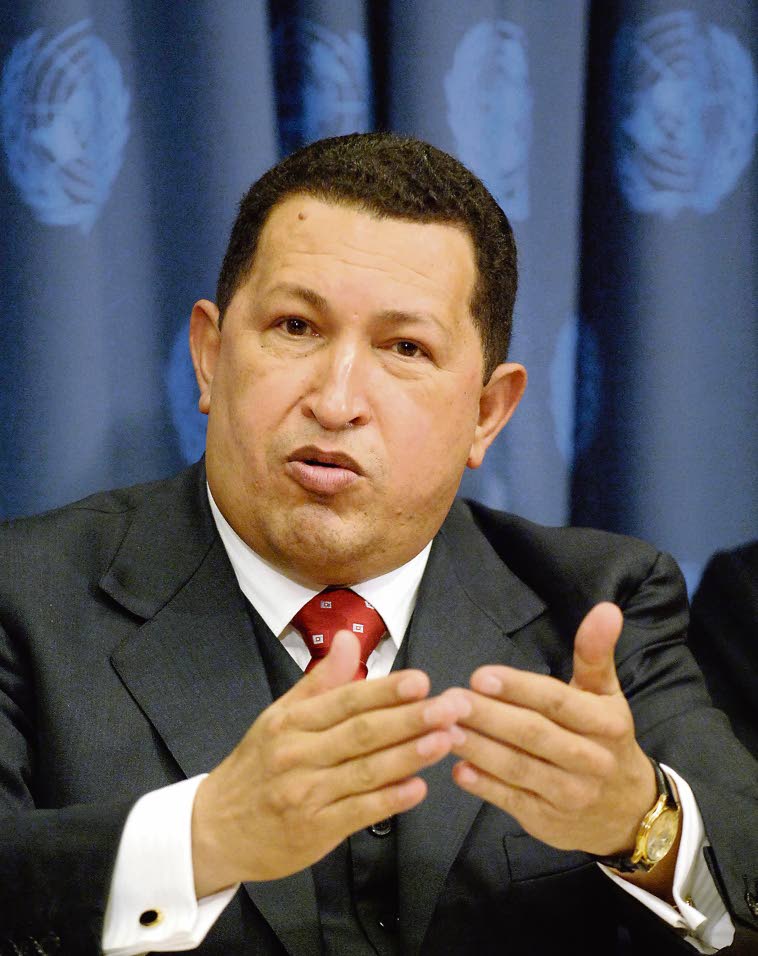
Hugo Chavez.
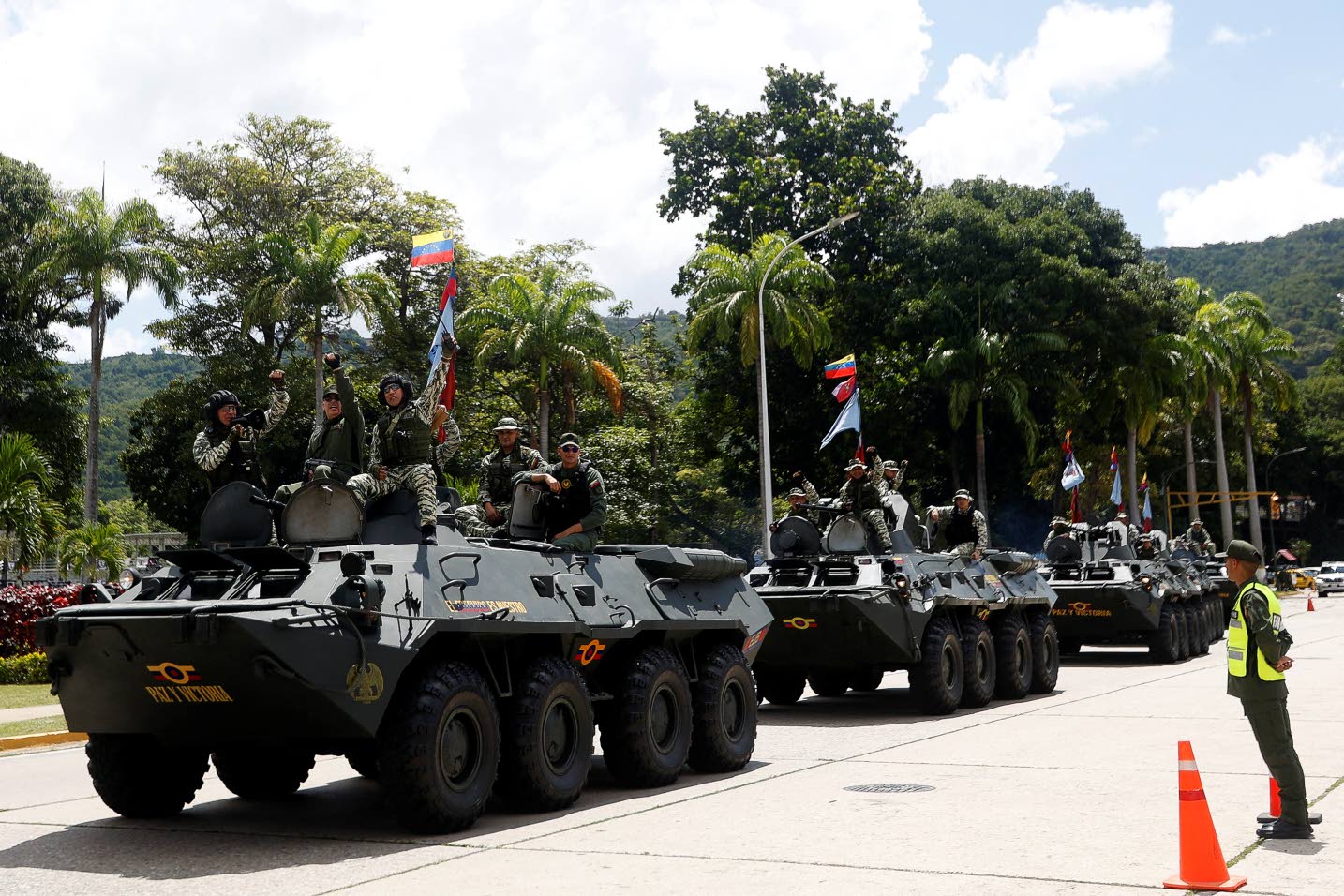
CARACAS, Venezuela — Venezuelan army tanks are seen during a military exercise at a highway in Caracas on September 20, 2025. (Photo: AFP)
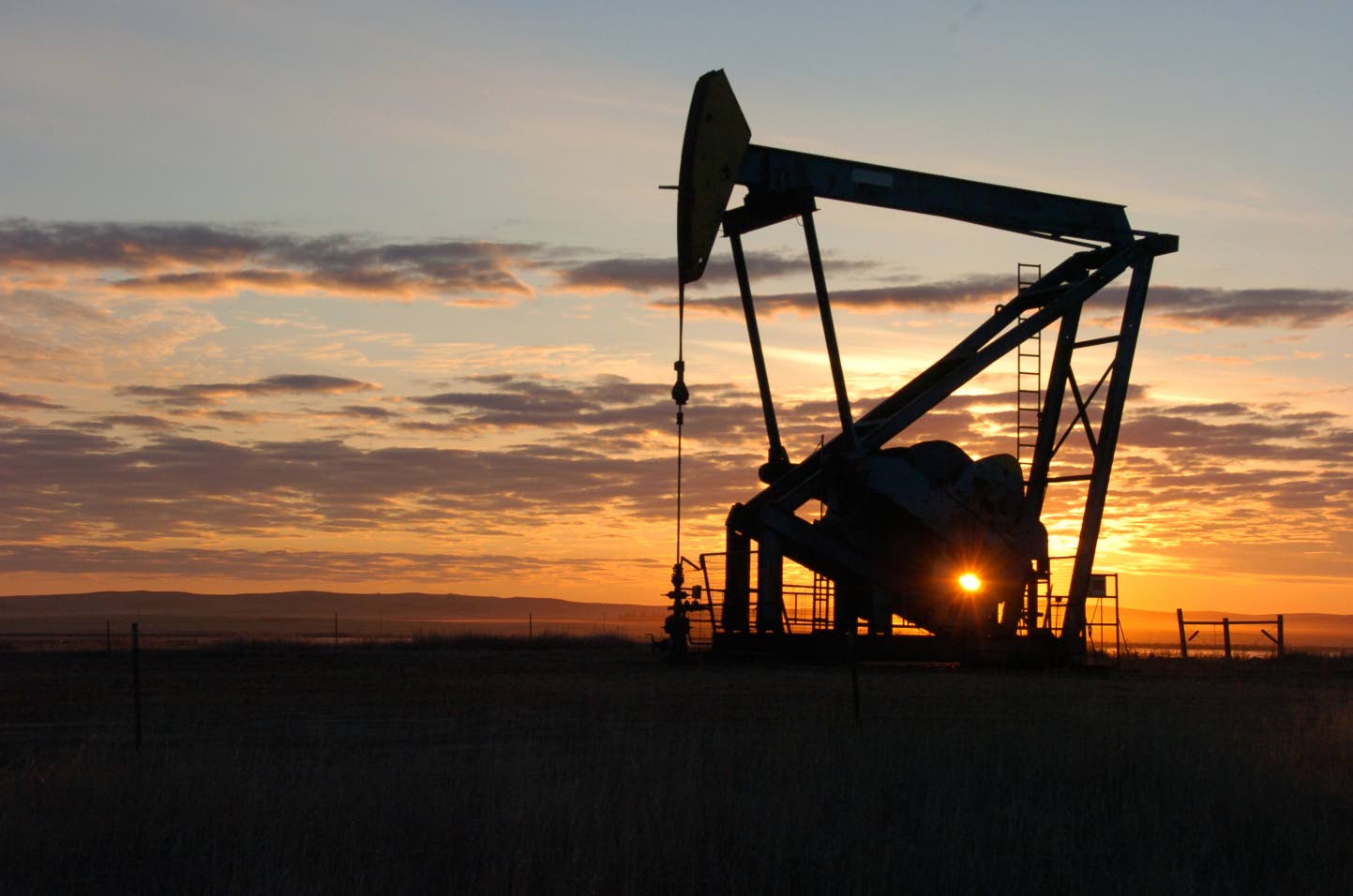
Oil was first commercially discovered in Venezuela in 1914. (Photo: Matthew Brown)
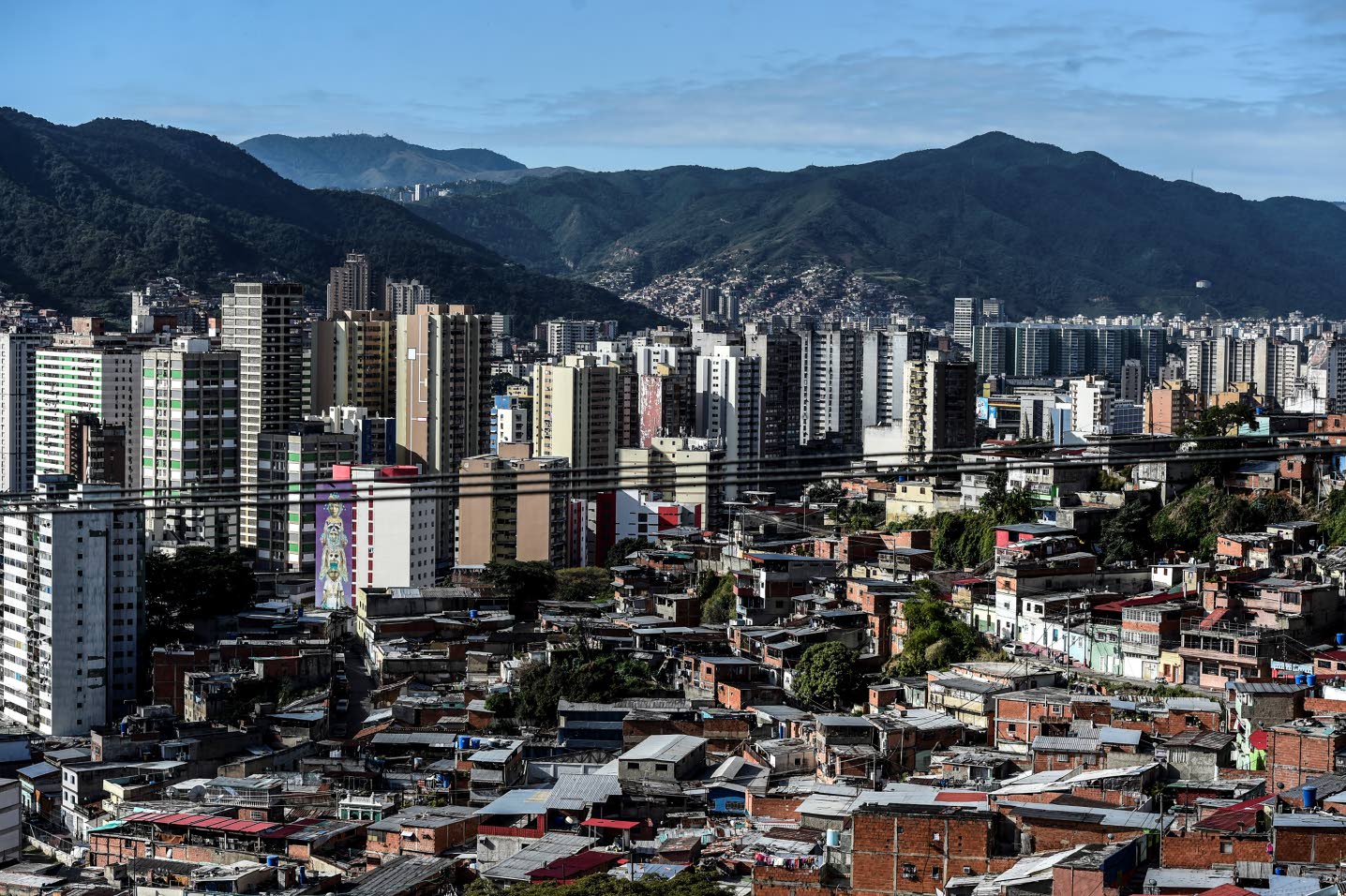
Venezuela was once celebrated as the crown jewel of Latin America. (Photo: AFP)

File photo showing a demonstrator clashing with riot police in Caracas, Venezuela. (Photo: AFP)

This file photo shows thousands of Venezuelan political activists demonstrating in Caracas, Venezuela. (Photo: AFP)

Tajay Francis


