



The anti-inflammatory lifestyle diet
INFLAMMATION is a natural and necessary process. It helps your body heal and defend itself. But when inflammation becomes chronic it can contribute to fatigue, joint pain, digestive issues, heart disease, and metabolic problems.
“An anti-inflammatory lifestyle diet focuses on whole, nutrient-dense foods that calm the immune system while minimising foods that trigger inflammatory responses,” said dietician Claudhia Ashley.
“This diet isn’t about perfection, but rather about consistency. It focuses on whole foods, healthy fats, and natural spices while reducing processed and sugary foods, so you create an internal environment that supports healing, energy, and long-term health,” she added.
So what should you eat more of on this diet?
Ashley said foods that reduce inflammation include berries, many of which are readily accessible locally.
“Blueberries, strawberries and raspberries are rich in antioxidants called anthocyanins, and they reduce oxidative stress and inflammatory markers,” she explained. “They support brain and heart health.”
She said berries can be added to oatmeal or yoghurt, blended in smoothies, or eaten as a snack.
Other foods and their benefits are listed below:
Fatty fish (salmon, sardines, mackerel)
Why they help:
• high in Omega-3 fatty acids
• reduce inflammation linked to joints, heart, and brain
• support hormone balance
Turmeric (with black pepper)
Why it helps:
• contains curcumin, a powerful anti-inflammatory compound
• helps reduce joint and muscle inflammation
• supports gut health
“Pairing turmeric with black pepper improves absorption,” Ashley said.
Leafy greens (spinach, kale, arugula)
Why they help:
• high in vitamins A, C, and K
• support detoxification and immune balance
Healthy fats (olive oil, avocado, nuts)
Why they help:
• reduce inflammatory markers
• support heart and brain health
On the other hand, there are some foods that Ashley said actually aggravate inflammation. These include refined sugars and sweets that spike blood sugar and are found in soda, candy, pastries, and flavoured yoghurts.
“There is also refined carbohydrates like white bread, pasta, and baked goods which lack fibre and cause blood sugar swings,” Ashley said. “Swap these with whole grains like quinoa, oats and brown rice.”
She also cautioned about processed and fried foods which contain trans fats and refined oils and promote oxidative stress.
“Examples are fast food, chips, and packaged snacks,” Ashley said.
She said excess red and processed meats can also trigger inflammatory pathways when consumed frequently, and as such you should limit bacon, sausage, and deli meats; choose fish, poultry, and legumes instead.
“Stay away from excess alcohol which can irritate the gut lining and increase systemic inflammation,” she said.
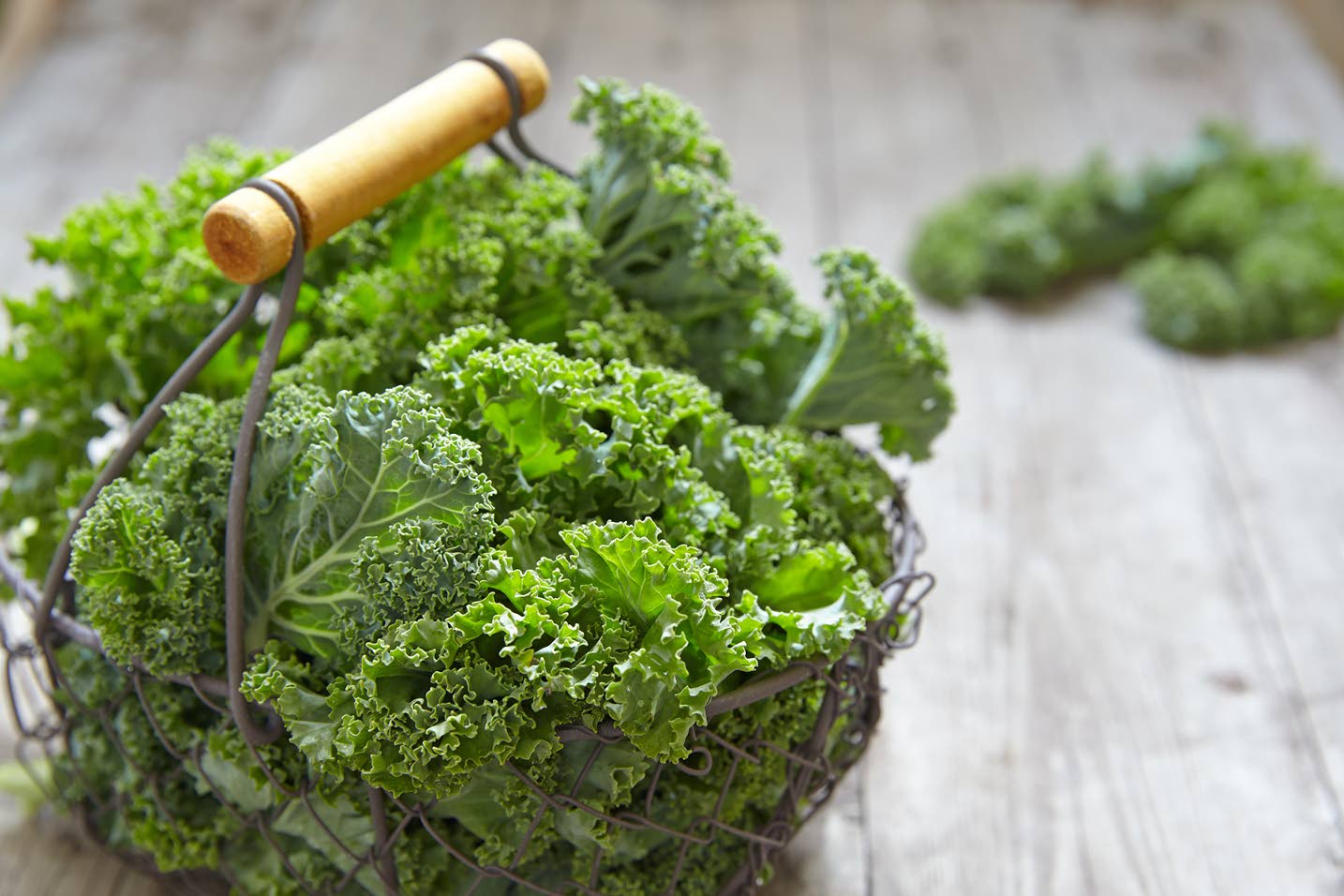
Leafy greens like kale support immune balance.
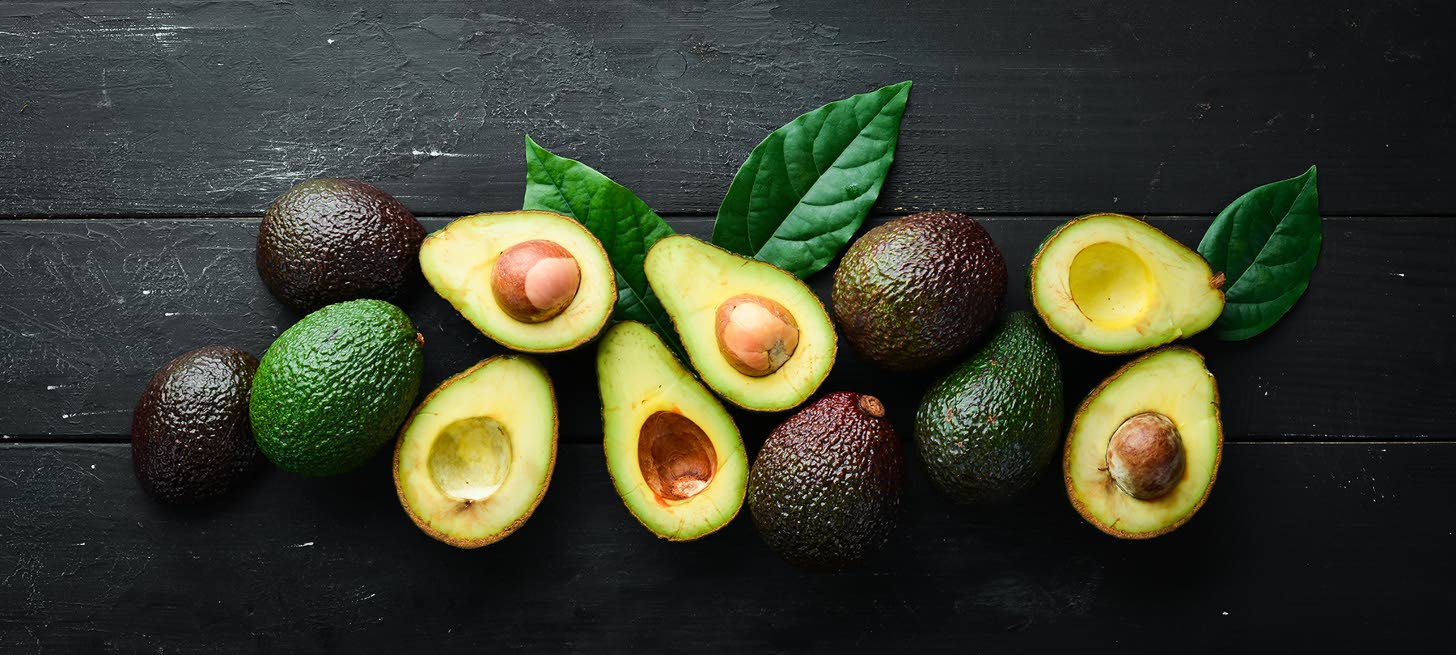
Healthy fats like avocado support heart and brain health.
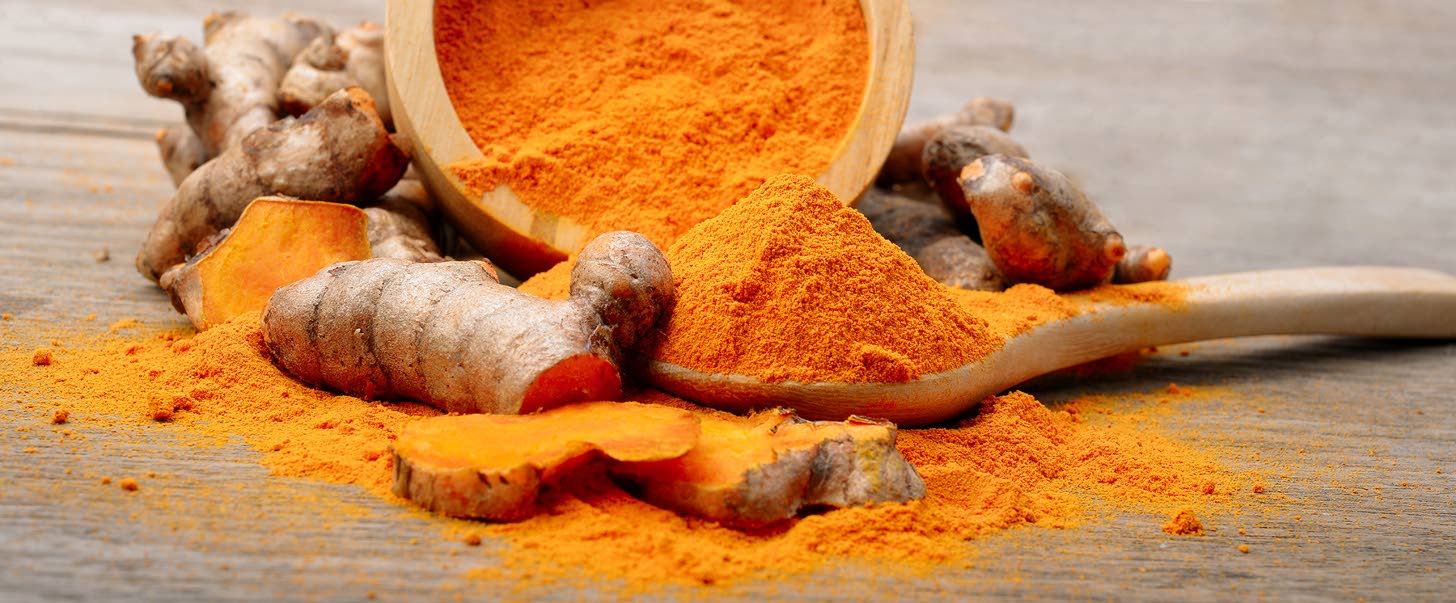
Turmeric contains curcumin, a powerful anti-inflammatory compound.


