



‘The cost of knowing is cheaper’
Engineer urges post-hurricane home assessments before rebuilding, repairing
NOTING that most residential properties in Jamaica are non-engineered and not multi-hazard-compliant, Jamaica Institution of Engineers (JIE) President-elect Leighton Ellis is urging citizens to have their homes structurally assessed by trained professionals post-Hurricane Melissa.
He warned that although a building may appear sound in the wake of the Category 5 weather system, hidden weaknesses could cause it to fail if another disaster strikes.
His call is a timely one as Jamaica seeks to recover from the catastrophic storm and transition into Earthquake Awareness Month, observed annually in January.
Ellis acknowledged that professional assessments can be costly, but stressed that “the cost of knowing is always cheaper than not knowing”, noting that early detection of structural failures can save lives. He encouraged Jamaicans rebuilding or undertaking repairs to seek approval from their parish council and educate themselves on proper construction standards.
Ellis explained that Jamaica’s location leaves it vulnerable to hurricanes, earthquakes, and tsunamis, and that multihazard-compliant structures are designed to withstand these threats, unlike buildings that are not engineered.
“For the non-engineered structures, unfortunately, many of those are exposed. Where there may be some level of coverage is that the builders may have learned a thing or two from an engineered structure and try to replicate those on the non-engineered structures, and so that may give some level of coverage, but it always comes back to the person’s pocket. A large percentage of the residential structures in the country are, you could say, non-engineered structures, and as a result, they are exposed more than the other ones,” he told the
Jamaica Observer.
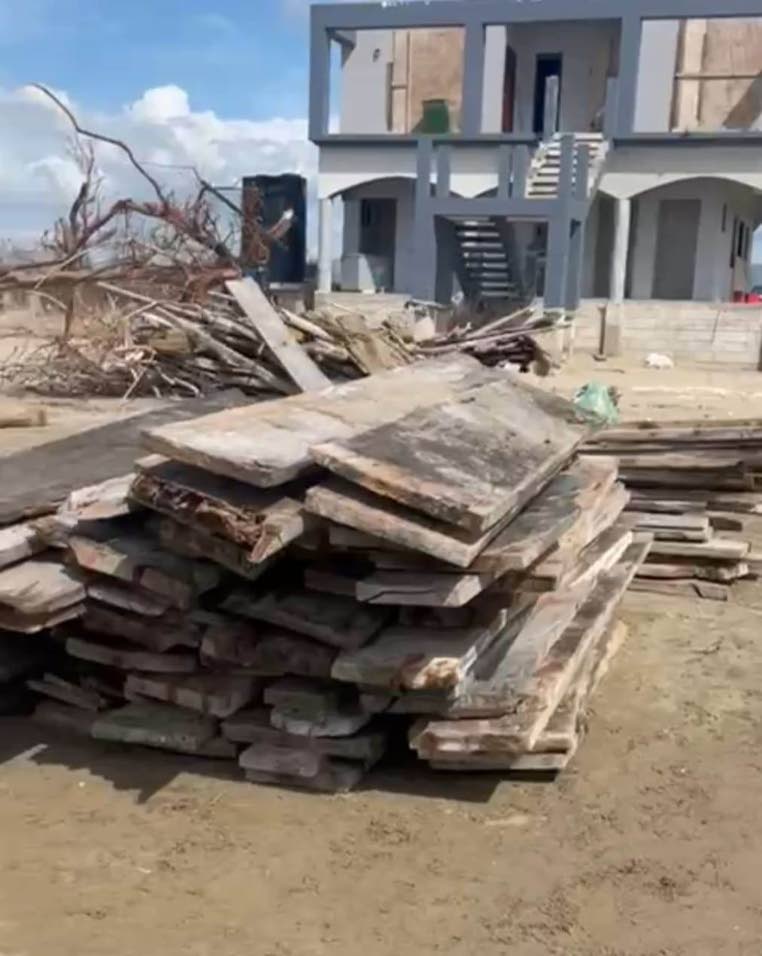
According to the Office of Disaster Preparedness and Emergency Management, approximately 215,000 buildings sustained damage during the passage of Hurricane Melissa on October 28.
The chartered civil engineer warned that informal construction poses significant risks, because such structures are often built without professional oversight to properly assess load-bearing capacity, soil conditions, and foundation requirements. He explained that safer buildings may require stronger concrete, additional aggregates, and more cement — all of which increase construction costs. As a result, some clients may be unwilling or unable to afford these expenses and may view them as unnecessary, choosing instead to cut corners, leaving structures more vulnerable.
He noted that commercial and institutional buildings — such as schools, hospitals, and health centres — tend to be more resilient because regulations compel higher standards, though he acknowledged that many of these facilities are decades old and were not designed to withstand the increased intensity and frequency of current extreme weather events. He called for such buildings to be upgraded to meet current conditions.
The president-elect also cautioned that hurricane damage is not always visible, noting that a building may appear sound while having been structurally weakened, increasing the risk of collapse during a subsequent event. He advised property owners to seek professional assessments rather than rely on untrained visual inspections, adding that warning signs such as cracks in walls, along structural elements, and around windows and doorways should prompt immediate consultation.
“Sometimes you may find a crack from the roof level going all the way down to the floor and it may be both inside and outside, that normally, again, suggests that there’s been some lack of reinforcement ties between a new structure, because most times when you see that, someone built some addition to the structure and that addition wasn’t tied to the old structure — you find them moving differently and that’s because the soil beneath is settling at a different rate than the one under the main structure, so you may find that to be an issue,” he told the
Sunday Observer.
Ellis continued: “Other things you may find: As you walk around the structure you may find sections of your house separating from the main part, those are clear signs that there’s some earth movement and that’s normally caused by some seismic activity, some movement of the soil under heavy vibration, or it could just be it wasn’t compacted sufficiently when the house was being built, which is another big issue.”
While the fees for an assessment are expensive, he noted that “the cost to know is always cheaper than not knowing” because homeowners could spend double or triple the fee if a disaster strikes, and potentially lose their lives.
As he commended the efforts of government organisations seeking to educate Jamaicans on how to rebuild stronger, Ellis advocated for the information to be shared in different modes so that everyone, no matter their learning style or location, can benefit. He added that the JIE and other institutions are also available.
“We are open and ready to assist the public with this particular knowledge. If they have questions, don’t be afraid to ask. There is no shame in not knowing. If you want to know something about a building and you want to know if this window makes sense in this area, it is best to call the Jamaican Institute of Architects (JIA) so they can assist you. If you’re thinking of building on this hillside that your granny left you, call the engineers and say, ‘Hey, I’m thinking about doing this thing.’ It is best to get some feedback, to get advice, and a feasibility study is done to give you advice to save you time and money,” he stressed.
“If, per chance, you already have done some things and you’re looking at developing, you get a piece of land and you want to do something, go to the National Environment and Planning Agency (NEPA), go through their development aspects, let them give you the advice you need, and the parish council. Seek counsel from the persons you need. It will save you more than you think it’s going to cost you. Knowledge is expensive, but ignorance is always more expensive, and so you need to get the right knowledge from the right people so that you can make the right decisions,” Ellis encouraged.
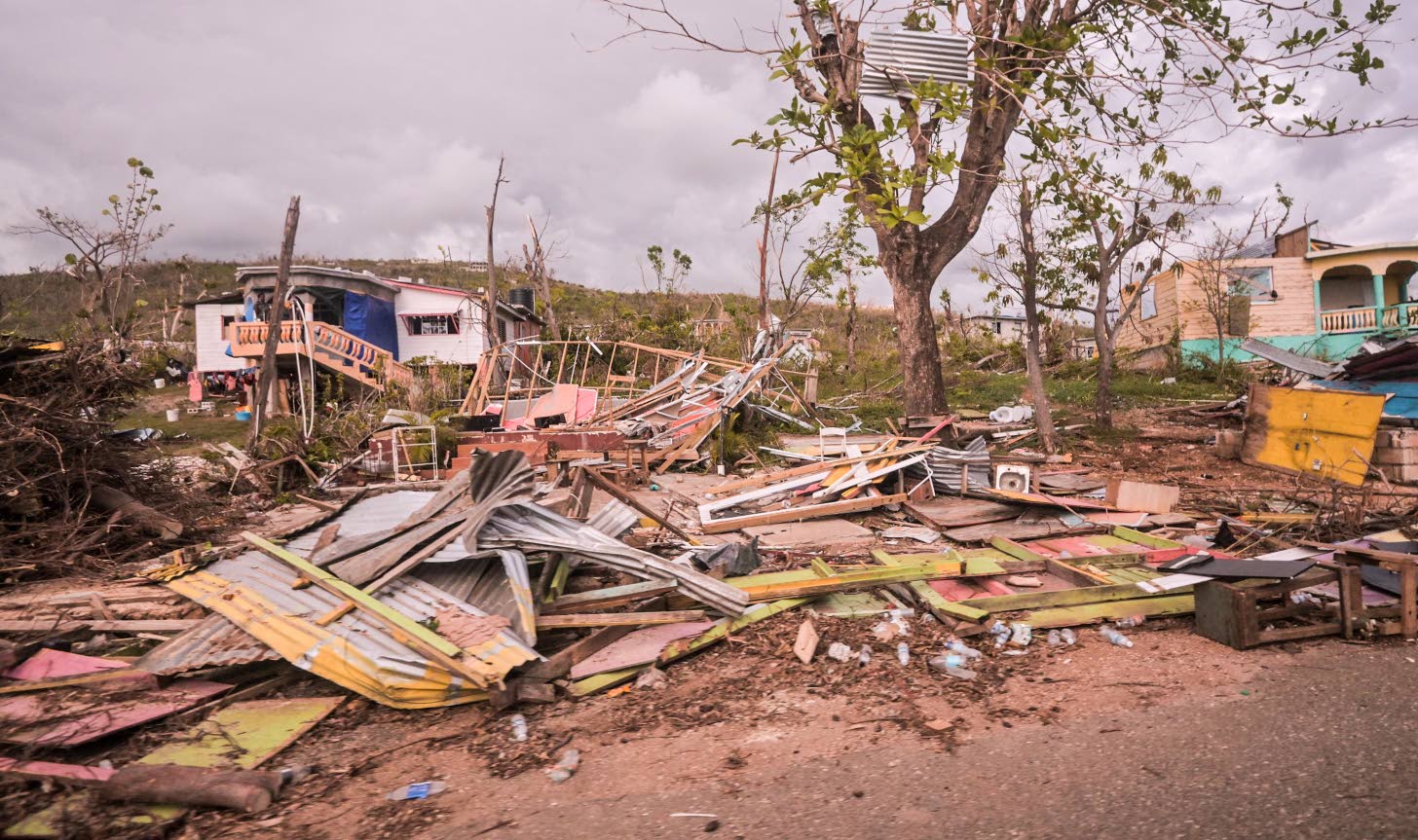
What is left of a house in Westmoreland after Hurricane Melissa ravaged sections of the island on October 28.Photo: JIS
ELLIS…knowledge is expensive, but ignorance is always more expensive


