



From pulpit to paperwork
Mayes Compliance Services helping churches formalise their operations
Purpose sits at the centre of Mayes Compliance Services (MCS), a company built not just to formalise organisations but to strengthen the impact of churches, ministries and non-profit groups across Jamaica through business compliance. Working as a Christian life coach and mentor, Crooxcine Cooper-Mayes, CEO and founder, observed gaps in compliance within the Christian community which propelled her into a dedicated consultancy.
“I only cater to non-profit organisations, churches and kingdom entrepreneurs, those who are ministers who don’t understand compliance, the importance of being registered and having a bank account,” she told the Jamaica Observer.
The company officially launched in September 2023, but its foundation was built years earlier through assisting ministries informally, before transitioning into administrative support for a business registration firm. That role exposed her to a recurring issue in the faith sector: many churches were passionate about ministry but lacked the administrative and legal compliance needed to operate effectively. She explained that while churches often have passion and good intention, many lack knowledge of the administrative and legal requirements. Some are registered but do not have a bank account. Others have a bank account but do not file annual returns. Many do not understand the difference between a non-profit organisation and a non-profit with charitable status.
“Jamaica has the most churches per square mile, but the truth is seventy per cent of the churches in Jamaica are non-compliant,” she revealed.
Cooper-Mayes admits that one of her early challenges was trying to serve too many people at once and not fully understanding her niche. It was only while developing her business plan that she realised who she was truly called to serve and how important it was to understand her target audience.
“As a businessperson, you are not called to everyone,” she said.
A business development programme called R.E.A.P. (Realise, Embrace, Achieve your Purpose) Entrepreneurship Academy later taught her how to restructure her model, refine her services and adopt a new name. Out of that process, MCS was born, focused exclusively on non-profit organisations, churches and faith-based entrepreneurs. Her services now cover a wide range of compliance areas, including trademarking for gospel artistes, branding and intellectual property support for speakers and authors, administration, record keeping and inventory management. MCS also provides training for ministers and volunteers, drawing on Cooper-Mayes’ more than five years of experience working with non-profit organisations. She explained that her motivation comes from being a minister herself and recognising the gaps that existed. When churches and ministries are compliant, she said, they can access grants and funding, become more structured and ultimately create a greater impact in the communities they serve. Although non-profits are not profit-driven, when they are properly organised, opportunities for grants and partnerships open up. This makes it easier for them to carry out real projects and execute their mission, rather than simply plan without resources.
“We have assisted over 300-500 persons ranging from small and medium businesses, churches and non-profit organisations to get and stay compliant over the last two years,” she shared with the Sunday Finance.
While the business has had slow periods, Cooper-Mayes remains focused on impact and long-term growth. She said compliance pays off in the end because it positions organisations to receive support, expand their reach and execute real projects. Cooper-Mayes pointed to the recent hurricane as a reminder of the importance of compliance. Many churches were damaged or destroyed, but because they were not properly structured, they could not access assistance to rebuild. She noted that some organisations avoid registration because they fear tax obligations. However, she explained that proper record keeping and basic administrative systems make the process far easier.
“You only pay tax on profit. If there is no profit, there is minimal tax payment,” she said.
She added that although churches and non-profits do not pay taxes, they must still file a nil return each year. Failure to do so results in late fees and penalties. The goal for 2026 is to transition from a home office to employing staff and opening more locations across the island. For now, she operates as a sole proprietor but is committed to training others in compliance, with the goal of supporting organisations both locally and internationally.
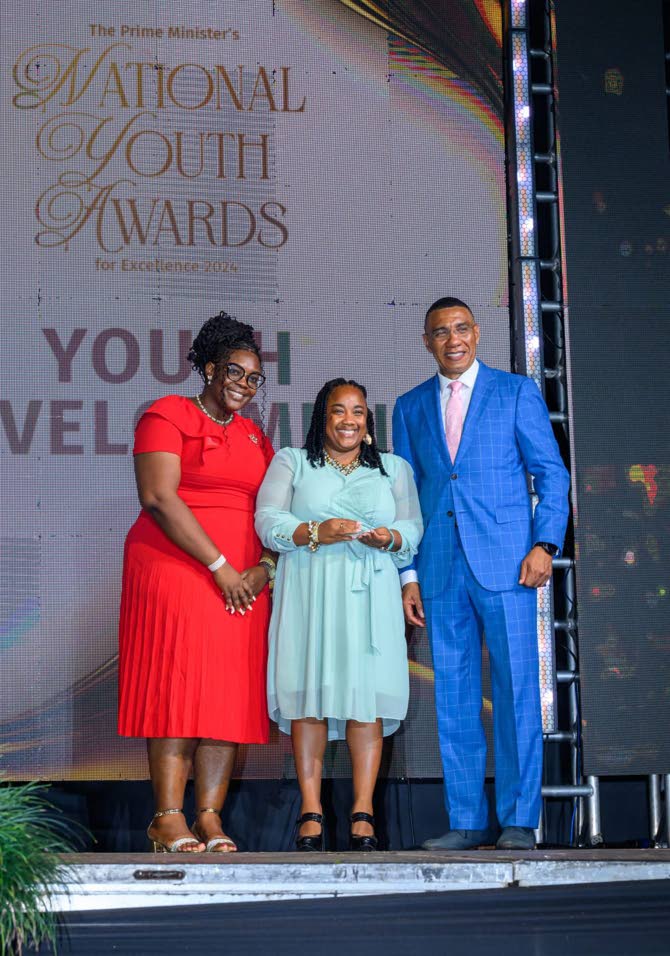
Cooper-Mayes (centre) receives the Prime Minister’s Youth Award for Youth Development, recognising her work in strengthening non-profit compliance.
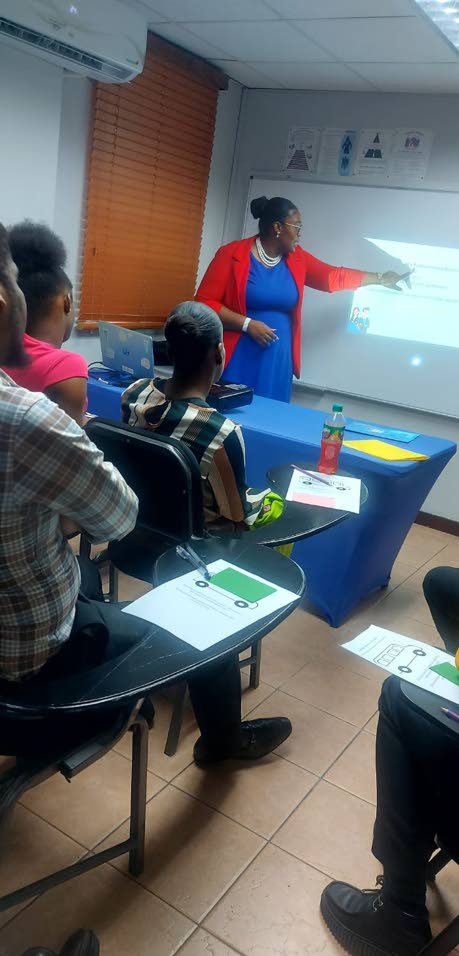
Cooper-Mayes delivering compliance training for ministers and volunteers as part of MCS’s capacity-building workshops.
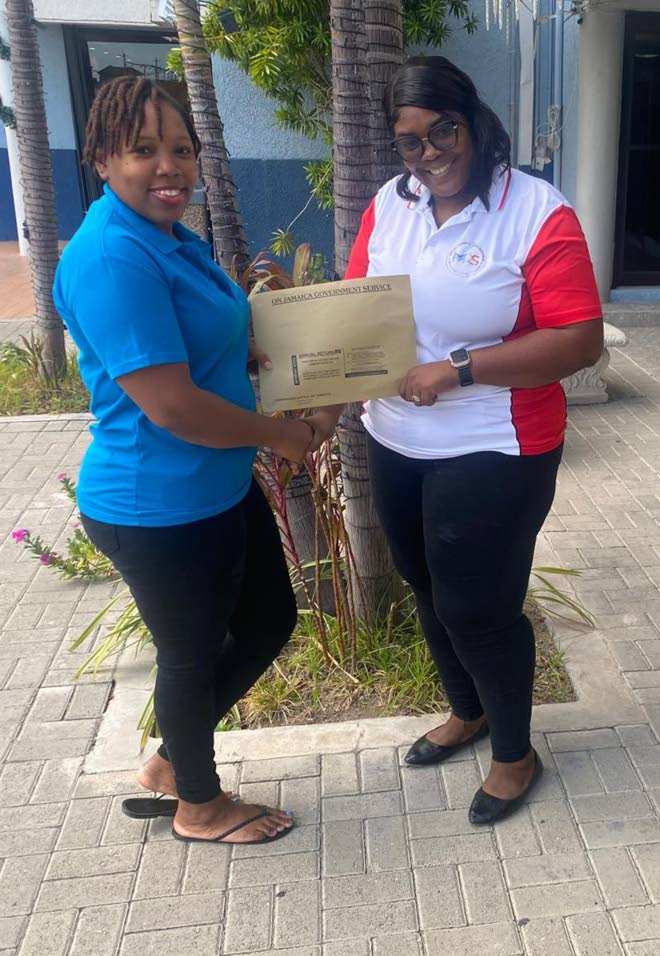
An MCS client receives assistance with filing and formalisation documents as part of the firm’s compliance support services.
.


