



New Year, New Garden (Part 1)
Prepare your garden for its best year yet! Style Observer Gardening (SOG) is here to lead your transformation, offering expert insights from Plantology876 principal Stacy Thompson to ensure your home is the envy of the neighbourhood.
Beyond mere beauty, the 2026 garden is defined by its purpose. Thompson explains that, while respect for nature remains the foundation, intentionality is the new priority — a vital tool for building resilience against Jamaica’s increasingly unpredictable climate.
“Rising temperatures, longer dry spells, sudden heavy rainfall, and stronger storm systems mean that traditional gardening habits must evolve,” Thompson advises. “The Jamaican garden of 2026 must be climate-smart, resource-efficient, and resilient, while still offering beauty, calm, and productivity.”
Key Gardening Trends for 2026
Adapting to warming climate
Weather remains a primary concern for gardeners. As Jamaica faces record-breaking temperatures and prolonged droughts, Thompson warns that extreme heat and humidity are here to stay, particularly for gardens dependent on constant irrigation. To adapt, she recommends reducing expansive lawn areas, increasing shaded planting zones, and prioritising drought-tolerant species.
“If a plant cannot survive two to three weeks without water once established, it is simply not suitable for the future of Jamaican landscapes,” Thompson advises.
Making gardens storm-resilient
Hurricanes and tropical storms remain a constant threat, heavily influencing how Jamaican gardeners should approach landscape design. To build a storm-resilient space, Thompson advises avoiding shallow-rooted trees near buildings, choosing wind-tolerant species with flexible stems, and ensuring young trees are properly anchored with professional staking. She recommends hardy species like Cocoplum, Mahogany, Lignum Vitae, and Neem, noting that they far outperform brittle ornamentals with weak branching systems during high winds.
Strengthening the soil
The foundation of a climate-resilient garden is the soil — the most frequently overlooked element in landscaping. Much of Jamaica’s soil is currently compacted, nutrient-poor, and prone to erosion during heavy downpours. To combat this, Thompson recommends incorporating compost before every planting season and applying a thick layer of mulch using wood chips, coconut husks, or dried grass. Healthy, well-structured soil does more than just feed plants; it retains essential moisture during droughts and improves drainage during storms, significantly reducing plant stress and disease.
Watering smarter
In 2026 the goal for every gardener should be to water smarter, not harder, as water scarcity becomes an increasing concern. Thompson recommends watering in the early morning to allow plants maximum time to absorb moisture before the sun intensifies. To maximise impact she suggests using drip irrigation or soaker hoses, which deliver water directly to the roots. Rainwater harvesting — collecting run-off from roofs into drums or tanks — is another vital strategy, providing a free and nutrient-rich water source. Finally, grouping plants with similar water requirements, a technique known as hydrozoning, ensures that no drop is wasted. As Thompson puts it: “Frequent shallow watering weakens roots; deep, infrequent watering trains plants to be resilient.
Creative Inspirations for Jamaican Gardens in 2026
Thompson notes that Jamaican landscapes are uniquely suited for forest, coastal, or drought-tolerant dry gardens. By embracing these natural archetypes, gardeners can create high-impact spaces that thrive. “Design with the local ecosystem in mind, instead of forcing foreign styles,” Thompson stresses.
Building on this approach, intentional zoning is essential for creating a distinct atmosphere within the garden. Thompson suggests carving out specialised areas, such as a shaded retreat beneath fruit trees, a vibrant pollinator corner, or a secluded sanctuary for reflection.
“This is crucial because, in Jamaica, gardens have evolved into true extensions of the home,” Thompson explains.
To cultivate a sense of tranquillity, Thompson suggests layering natural shade — such as leafy canopies or pergolas draped in climbing vines — with weather-resistant seating. The addition of soft solar lighting and the gentle murmur of a water feature creates a cooling, multi-sensory retreat.
Join us next week as SOG continues to share expert insights and tips for elevating your garden in 2026.
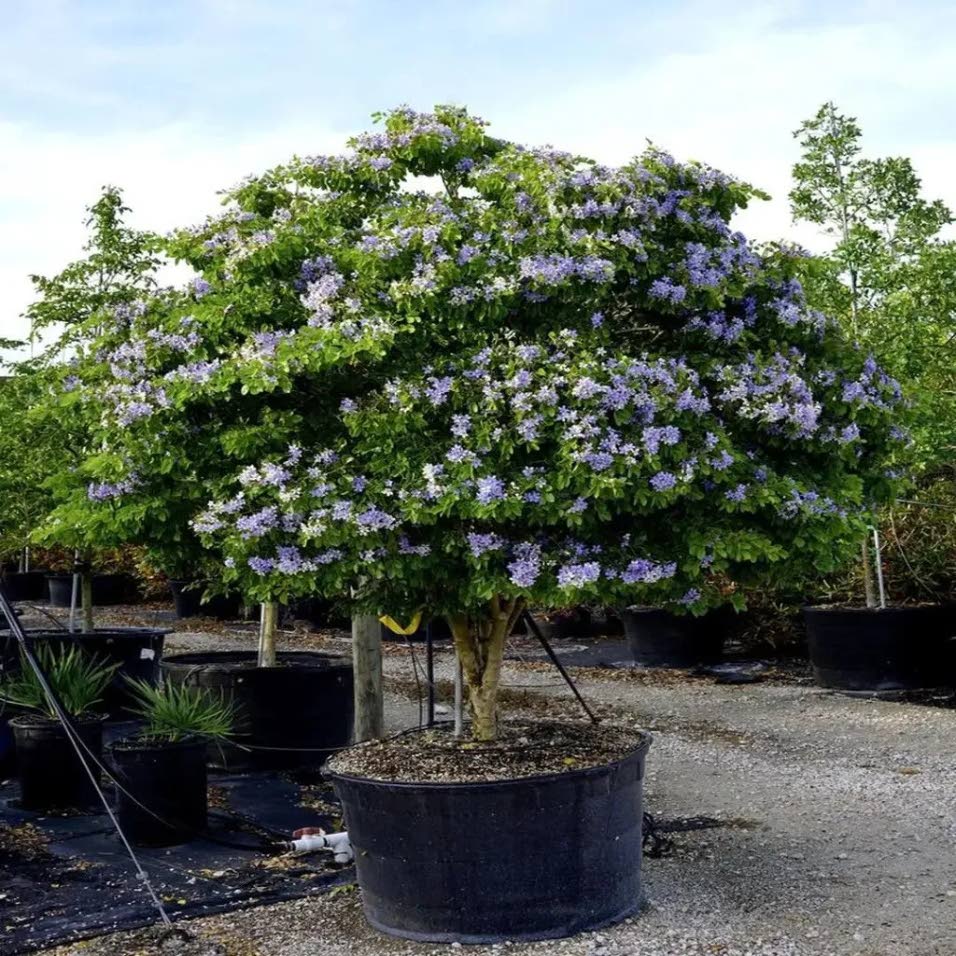
Choose wind-resilient trees like Lignum Vitae over brittle ornamentals to minimise storm damage. *
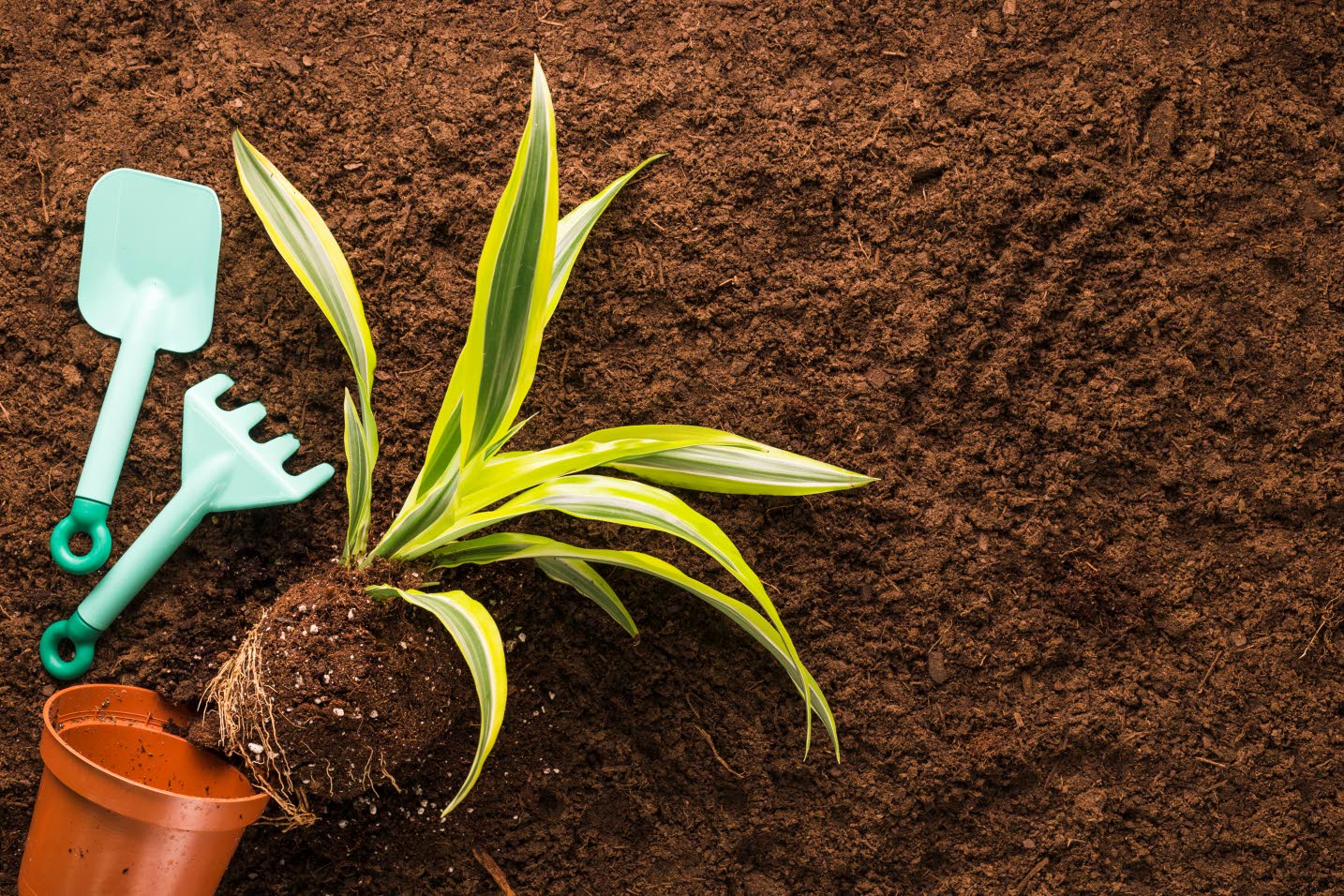
Having healthy, well-structured soil retains essential moisture during droughts and improves drainage during storms.
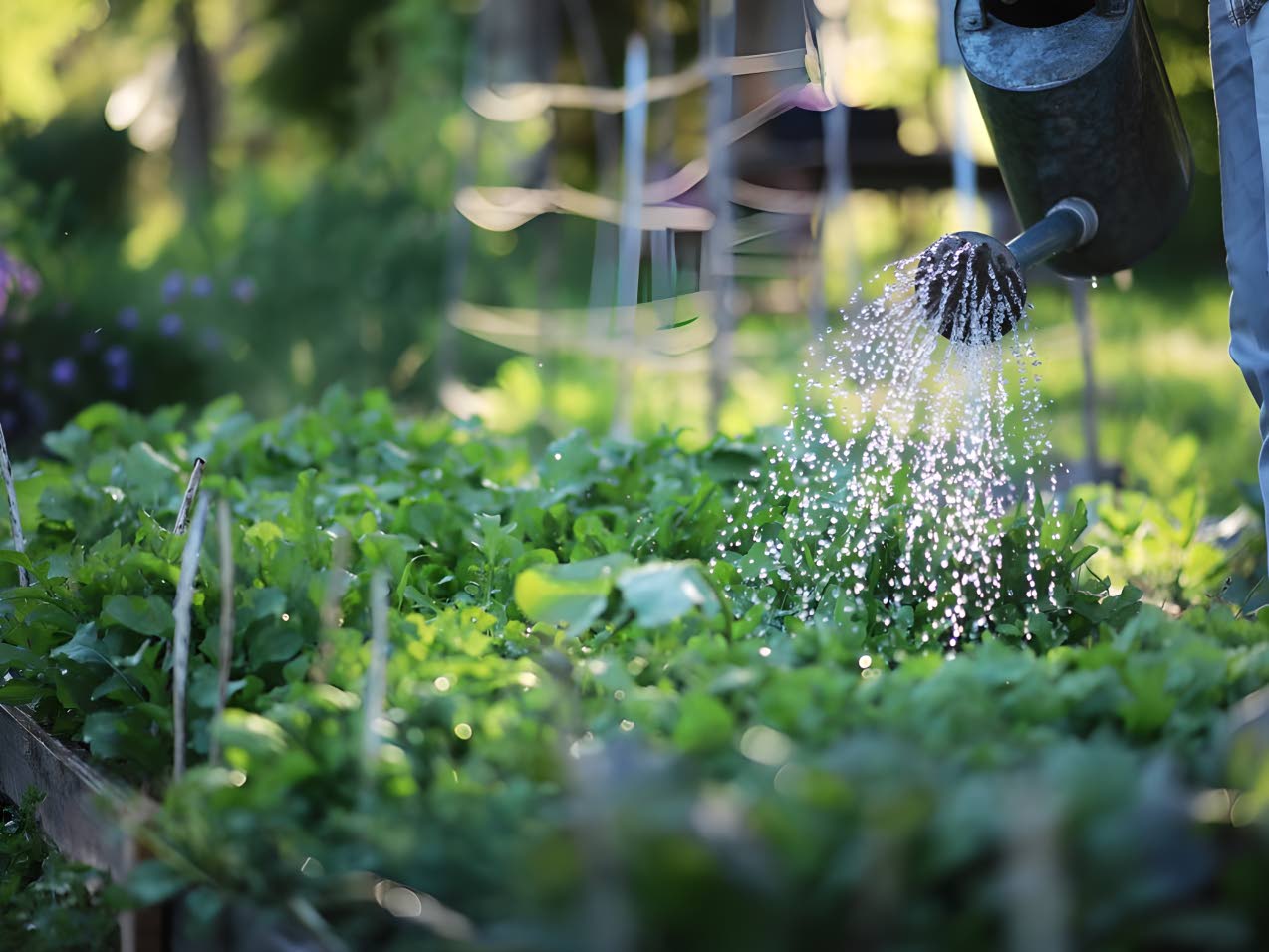
For optimal water conservation arrange your garden by water requirements to prevent waste and ensure targeted hydration.
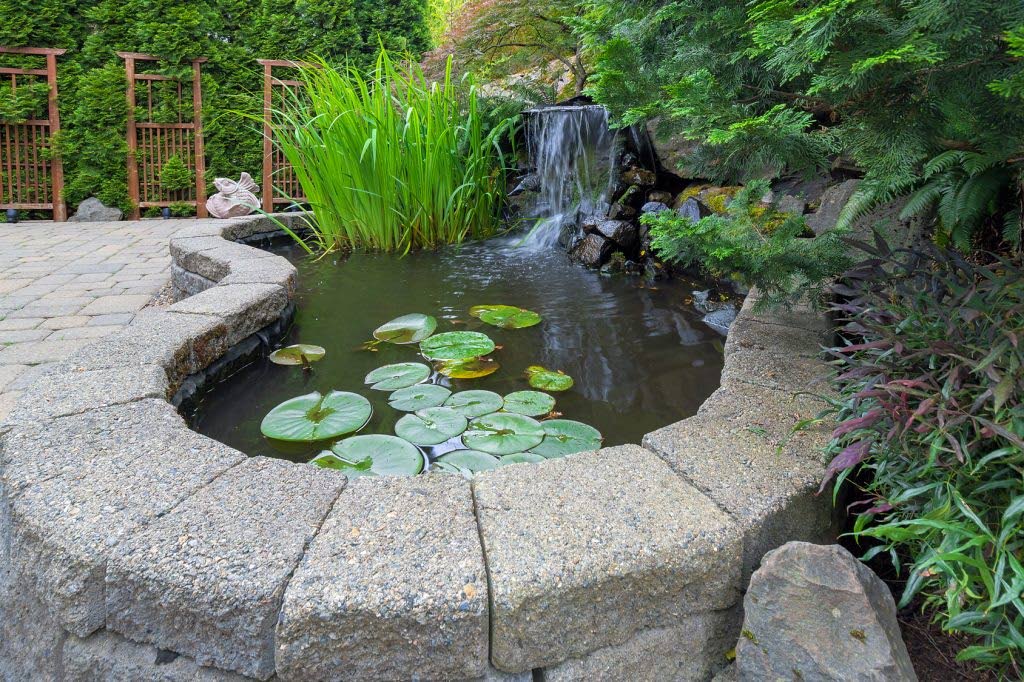
Water features serve as a serene focal point, instantly elevating the garden’s relaxation potential.
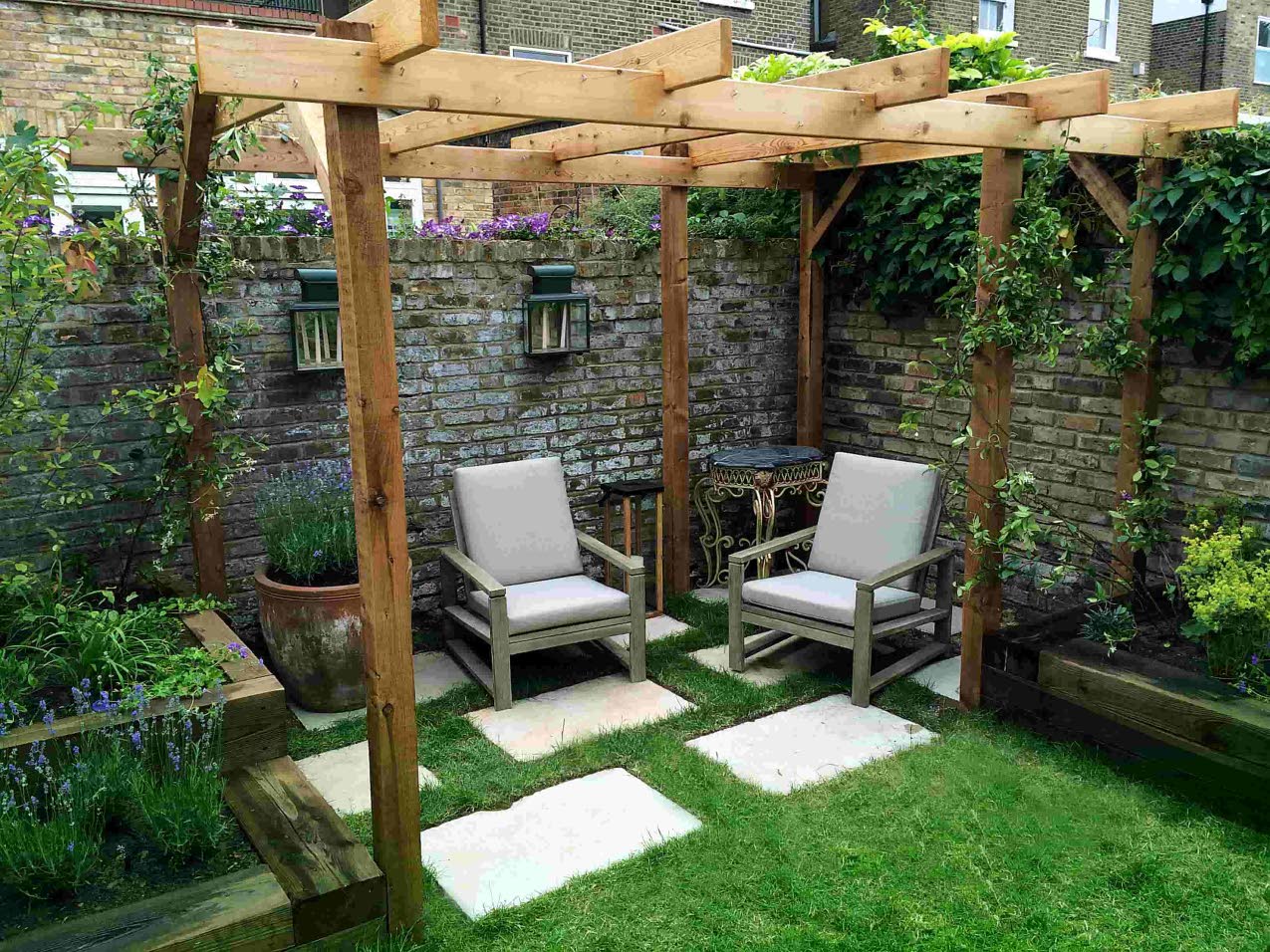
A pergola draped in lush climbing vines offers a timeless way to create a sanctuary, especially when paired with comfortable, weather-resistant seating.*

Stacy Thompson principal, Plantology876Stacy


