



Lessons from Jamaica’s post-hurricane maternal health response
On a December morning in Brown’s Town, St Ann, a young mother arrived at our outreach session eight months pregnant, having not seen a doctor since Hurricane Melissa tore through her community six weeks earlier.
Her health centre had been damaged, transportation was scarce, and she had given up on prenatal care. By the time she left that day, she had received an ultrasound, met with an obstetrician, been screened for depression, and left with supplies for herself and her unborn child. She was one of 503 mothers we reached in under four weeks.
Jamaica has long grappled with maternal health challenges. Our maternal mortality rates remain higher than they should be for a middle-income country, and the reasons are complex: access to care, late presentation, gaps in the referral system, and socio-economic barriers that keep women from seeking help until it is too late. Hurricane Melissa made all of this worse. In the parishes hardest hit, pregnant women suddenly found themselves cut off from the very services designed to keep them and their babies alive.
Under the leadership of State Minister Krystal Lee and the technical guidance of Dr Carol Lord and the Family Health Unit, the Ministry of Health and Wellness launched an emergency maternal health outreach initiative. The approach was simple in concept but demanding in execution: Go to the women who could not come to us! Between November and December 2025, we conducted six outreach sessions across Westmoreland, St Ann, Trelawny, St Elizabeth, and St James. We brought obstetricians, nurses, mental health professionals, and community health workers directly into affected communities.
The results exceeded our expectations: We provided 152 ultrasounds to women who otherwise would have gone without; we conducted 250 surveys to understand the real challenges mothers face; we delivered psychological counselling sessions, depression screenings, dental care, and health education on everything from danger signs in pregnancy to post-hurricane threats like leptospirosis and contaminated water; we distributed early stimulation kits and Christmas gifts to children; and at one session in Ramble we served warm meals to families who were still struggling to feed themselves weeks after the storm.
None of this happened in isolation. Our regional health authorities stepped up: UNICEF and UNFPA provided emergency supplies and technical support; Jamaica Red Cross registered families for cash vouchers; obstetricians from the University Hospital of the West Indies and regional hospitals volunteered their time; Jamaica Information Service helped spread the word; at one session a French interpreter assisted a Haitian mother who spoke no English; at another, two women in active labour were safely transported to Cornwall Regional Hospital; and three fathers were recognised for exceptional support of their partners through pregnancy.
What we learnt from this initiative should shape how Jamaica approaches maternal health going forward. First, integration works. Combining clinical care, mental health support, health education, and emergency relief in a single package meets women where they are. Second, data matters. The 250 surveys and six focus groups we conducted will inform follow-up programming for months to come. Third, partnerships are essential. No single agency can address maternal health alone. Fourth, and perhaps most importantly, when you remove barriers and bring services to communities, women show up. They want care. They want their babies to be healthy. They just need us to meet them halfway.
As Jamaica rebuilds from Hurricane Melissa, we have a choice. We can return to business as usual and wait for the next crisis to expose the gaps in our system, or we can take what we learnt from these six outreach sessions and build something more resilient. The integrated model works. The partnerships are in place. The data is telling us what mothers need. Now we must find the political will and the resources to sustain it.
That young mother in Brown’s Town did not need a hurricane to deserve quality prenatal care. Neither do the thousands of other women across Jamaica who face barriers every day. We proved in four weeks that we can reach them. The question now is whether we will.
Dr Daren Johnson is senior advisor/consultant to the state minister of health and wellness, Jamaica. He holds a PhD in human resource management and has over a decade of experience in higher education and public service.
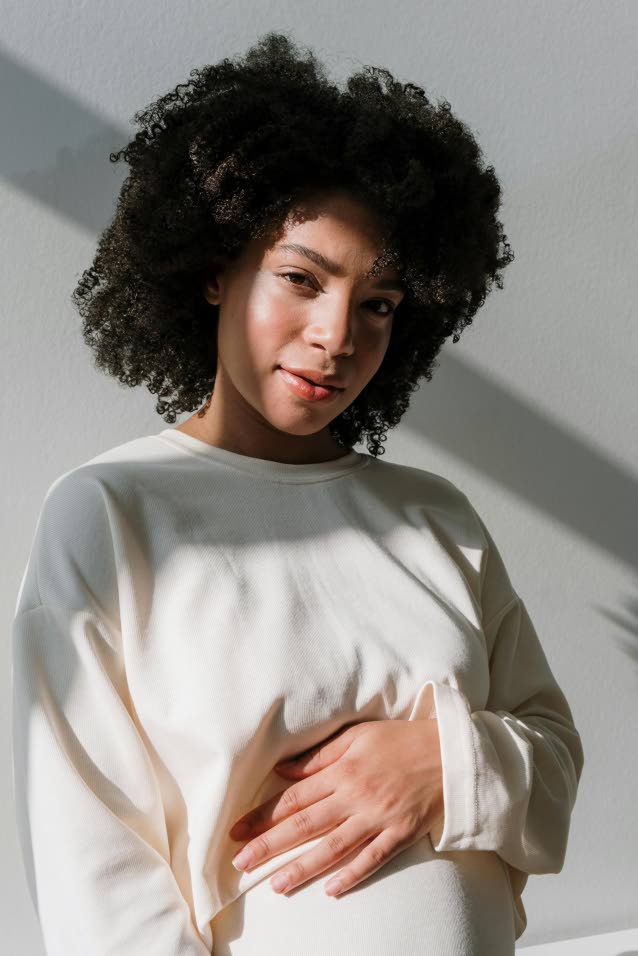
Jamaica has long grappled with maternal health challenges.


