



New World Wines of the Uco Valley
The combination of altitude, alluvial soils, and diurnal rhythm forms the core of the Uco Valley, a region that sets a new standard for Argentine wine. The story of the valley emerges from the determination of immigrant families who arrived from Italy and Spain. They recognised the potential of this rugged land and began planting vines that reflected the traditions they carried with them. Settling along the riverbanks, they worked the coarse soils with steady purpose watching their vineyards grow from the wisdom of generations who understood how to read landforms, water flow, and sunlight. The Uco Valley began its transformation through their discipline and intuition, and their early efforts laid a foundation that continues to guide the region’s evolution even up to the present day. In fact, the contemporary identity of the valley comes from its altitude and climate.
Vineyards sit between 900 and 1,500 metres, where ultraviolet intensity stimulates thick grape skins that develop concentrated colour and structure. Day to night temperature shifts preserve vibrant acidity and enhance aromatics. The soils, composed of gravel, sand, and limestone-rich deposits, offer stress conditions that encourage deep root systems. The result appears in wines with defined shape, clarity of fruit, and mineral expression. This environment supports Malbec with elegant tannins, Chardonnay with crisp tension, and Pinot Noir with refined floral notes. Over the past two decades, the valley has become a benchmark for modern Argentine winemaking, and its producers consistently receive international recognition.
A journey across the valley reveals distinct zones that express character through subtle variations in soil and altitude. Gualtallary offers limestone-rich terrain, where the wines show linear profiles, bright acidity, and mineral detail. Los Chacayes presents a different rhythm: Its stony soils create wines with deeper fruit concentration and firm structure. Altamira, closest to the heart of the valley, shows a mix of pebbles, sand, and calcium carbonate resulting in wines that exhibit finesse and lifted aromatics. Curated tours to these subregions by Anetza Concierge blend visits to established wineries with encounters at small family-run fincas where tasting experiences feel personal. Award-winning culinary experiences in the valley follow the same principles of place and heritage, with modern Andean cuisine adding an elegant layer to the experience, integrating native grains, local herbs, and precise technique.
Here, the food is inextricably linked to the vines and the terroir with a private Argentine asado taking pride of place as the main attraction in many gastronomic luxury experiences. Thick, lightly seasoned cuts of beef, arguably the best on the southern continent, are placed on the parilla above smouldering embers arranged with care. Market gardens supply vegetables with crisp mineral texture complemented by local cheeses that bring saline creaminess. Modern chefs reinterpret Andean ingredients with restraint: Quinoa becomes a fine crumble that supports a seared scallop, native tubers roast until edges caramelise while herbs appear in minimal accents that highlight rather than mask. Pairings remain precise with a high-altitude Chardonnay supporting citrus-marinated trout, a structured Malbec aligning with roasted rib, or a bright Pinot Noir lifting roasted beets and mushrooms. In this setting, luxury is defined by attention to provenance and timing, not by ostentation.
Beyond tasting, curated access takes refined forms, like vineyard walks at dawn before the frost melts as groups move slowly between rows as the sunlight sharpens. These walks include sampling grapes at cluster level, tasting skins and comparing parcels side by side. Guests learn to detect subtle shifts: A hint of eucalyptus in one row, a pressed rose note in another. Private blending sessions place a guest at a crossroad of decision, offering a hands-on lesson in structure and proportion. Luxury lodging sits among the vines, lodges scaled to human presence rather than spectacle. Rooms open to terraces framed by Andes silhouette and guests enjoy breakfasts using eggs from valley hens, yogurt from local dairies and bread made with mountain spring water.
At the behest of Thursday Food, Anetza Concierge has curated a list of Uco Valley’s finest blush vintages from the subregions of San Carlos, Gualtallary, Los Chacayes, Altamira, Tupungato and Tunuyán:
Dos Fincas Malbec Rosé is a vibrant pale pink wine with delicate violet reflections made from 100 per cent Malbec by Bodega Amalia in San Carlos. Aromas of fresh red berries, rose petals, and subtle herbal notes are expressed on the nose while on the palate, it shows juicy strawberry and raspberry flavours, balanced by crisp acidity and a refreshing, elegant finish.
Festivo Rosé by Bodega Monteviejo is a 100 per cent Malbec varietal from Vista Flores, Tunuyán that makes an ideal aperitif and pairs well with pasta, fish and cheese. Its aromas offer notes of fresh red fruit, such as strawberry and raspberry while on the palate, it reveals its freshness and elegance in a balanced, fresh, and fruity wine.
Andeluna Blanc de Franc by Bodega Andeluna is made from 100 per cent Cabernet Franc grapes grown in Tupungato, Mendoza. Its aromas are very intense with notes of white roses and jasmines. Typical Blanc de Franc notes, such as pink, red pepper and jarilla flower are also expressed. The balance between its unctuous medium-body and fresh natural acidity, creates an attractive and lingering finish.
Finca La Igriega Malbec Rosé is a 100 per cent varietal made by La Igriega Wines in the Paraje Altamira area of the Uco Valley. It is a Malbec that reflects the Altamira terroir and the bodegas own single vineyard. The resulting wines it produces are intense in colour with sour fruit flavours and soft tannins.
Bodega Piedra Negra Pinot Gris Rosado, a 100 per cent varietal, is part of the High Collection range of wines by Bodega Piedra Negra, a landmark winery in Los Chacayes known for its organic and biodynamic practices. Aromas of white fruits, citrus and a touch of red fruit are expressed on the nose, while the palate is clean, fresh and an elegant palate with good aromatic persistence of red fruit in the mouth.
Quinto Rosé Pinot Noir is a blush wine comprising 90 per cent Pinot Noir and 10 per cent Malbec produced by Huarpe Riglos Family Wines in Gualtallary. It has a fresh, fruity, and delicate aroma on the nose and on the palate, is gradual with a refreshing acidity and a sweet, expressive finish.
The Uco Valley stands as a place where altitude shapes flavour, history informs progress, and craft reaches refined expression. Each glass offers a connection to the land and its people, and the experience lingers with clarity. This valley remains a cornerstone of New World viticulture, defined by its terrain and elevated by its pursuit of excellence. Salud!
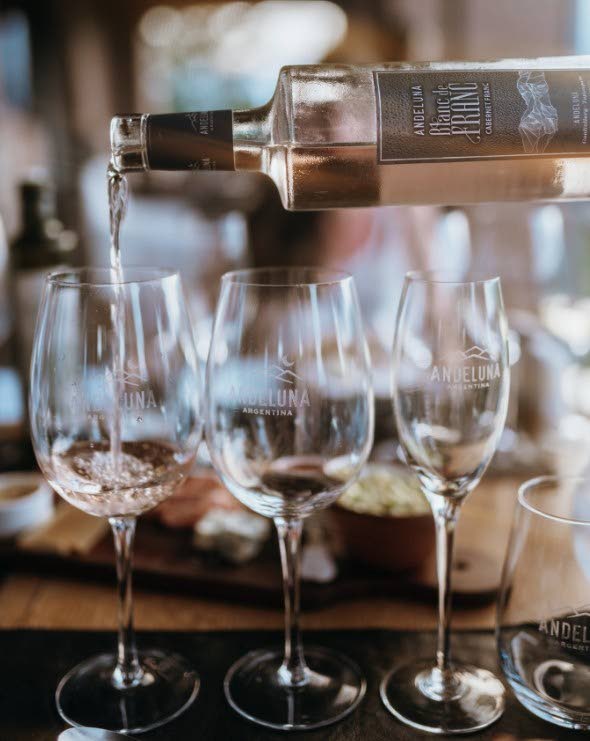
Bodega Andeluna’s wines are a reflection of the soil and the land, embodying the geographical identity Gualtallary.
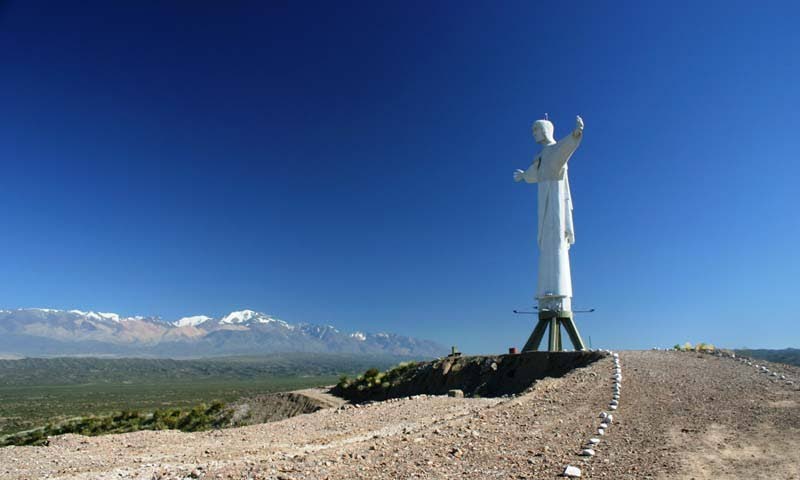
Cristo Rey del Valle in Tupungato, a subregion of the Uco Valley in Mendoza. It is a religious statue known for its panoramic views of the valley. (Photo by Tupungato Municipality Argentina)
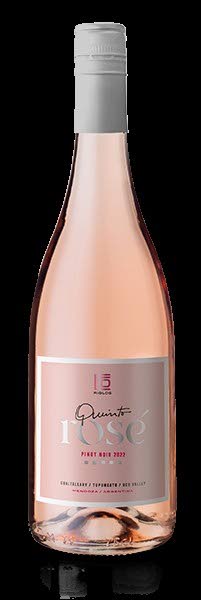
Quinto Rosé Pinot Noir is a blush wine comprising 90 per cent Pinot Noir and 10 percent Malbec produced by Huarpe Riglos Family Wines in Gualtallary. (Photo by Huarpe Riglos Family)
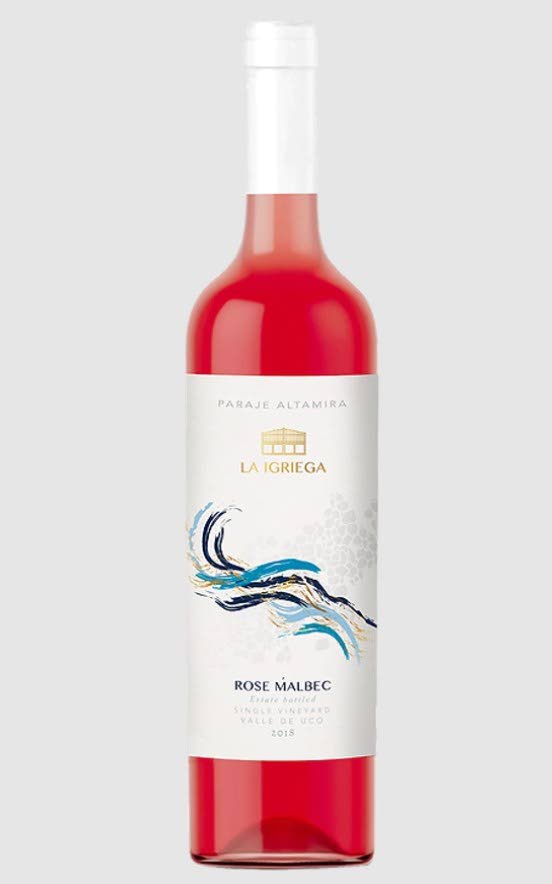
Finca La Igriega Malbec Rosé is a 100 per cent varietal made by La Igriega Wines in the Paraje Altamira area of the Uco Valley. (Photo by La Igriega Wines)
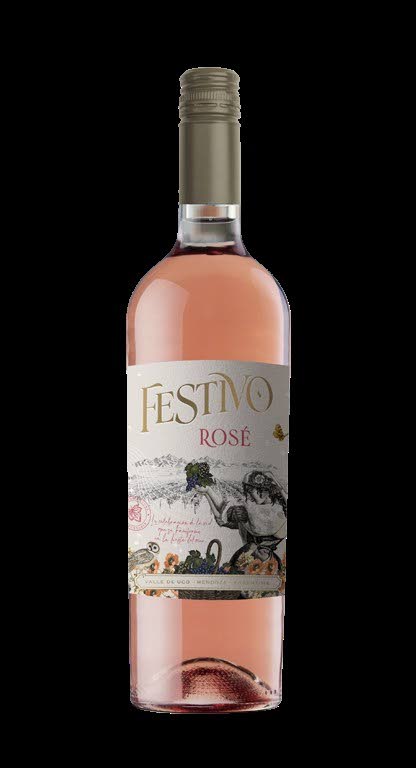
Festivo Rosé by Bodega Monteviejo is a 100 per cent Malbec varietal from Vista Flores, Tunuyán that makes an ideal aperitif. (Photo by Bodega Monteviejo)
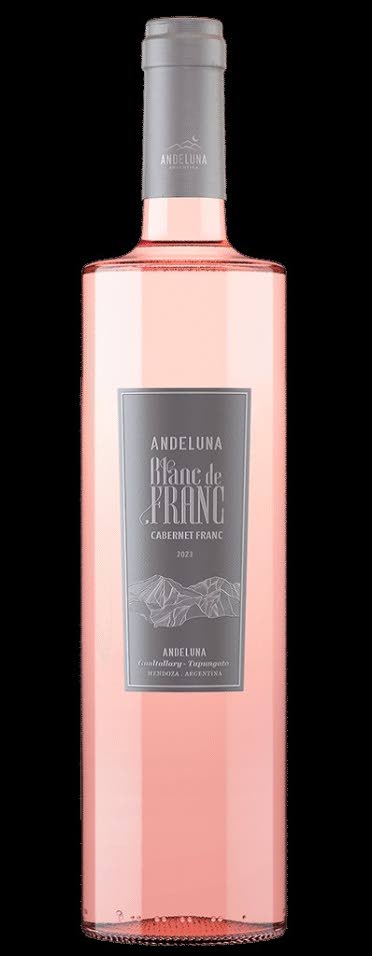
Andeluna Blanc de Franc by Bodega Andeluna is made from 100 per cent Cabernet Franc grapes grown in Tupungato, Mendoza. (Photo by Bodega Andeluna)
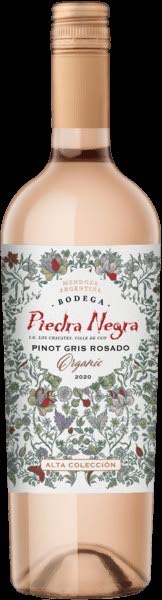
Bodega Piedra Negra Pinot Gris Rosado, a 100 per cent varietal, is part of the High Collection range of wines by Bodega Piedra Negra. (Photo by Bodega Piedra Negra)


