



Safe Detoxing, Juicing, and Meal Prep in the New Year
January is the month of fresh starts. Across Jamaica, gyms see an influx of new members, blenders come out of cupboards, and refrigerators fill with neatly labelled containers as many people commit to “clean eating”, detoxes, juicing plans, and weekly meal prepping. The intention is positive: Better health, more energy, weight management, and a renewed focus on wellness.
However, what is often missing from these well-meaning resolutions is an equally important element: Food safety. While raw juices, smoothies, and bulk meal preparation can support fitness and nutrition goals, they can also increase the risk of foodborne illness if handled incorrectly. In a tropical climate like ours, where heat and humidity accelerate bacterial growth, safe food handling is not optional — it is essential.
A truly healthy start to the year is not just about what you eat, but how safely your food is prepared, stored, and consumed.
Detoxing and Juicing in the New Year
Detoxing and juicing have become synonymous with January health resets. Many Jamaicans turn to raw fruit and vegetable juices, green smoothies, and juice fasts in an effort to “cleanse” the body after the indulgences of Christmas and the New Year.
Fresh produce offers valuable nutrients, fibre, and hydration. Locally available fruits such as pineapple, papaya, mango, citrus, and leafy greens like callaloo and spinach are nutritional powerhouses. However, these foods are also grown close to soil, water, animals, and human handling, which means they can carry harmful microorganisms if not properly cleaned. Raw does not mean risk-free.
Home Kitchen Meal Prep ‘Cottage’ Businesses
Alongside individual meal preparation for fitness goals, another trend gaining traction in Jamaica is the rise of home-based meal prep and cottage food businesses. Many Jamaicans are turning their passion for healthy cooking into small entrepreneurial ventures — offering pre-prepared meals, smoothies, and salads through social media, word-of-mouth, or local delivery services.
These micro-enterprises provide convenience and support to busy professionals who want nutritious options without the time commitment of cooking. However, because many of these operations are run from private homes and not commercial kitchens, they may fall outside routine monitoring and inspection by food safety authorities. Some may not obtain proper permits, food-handler certification, or meet regulatory sanitation standards. In Jamaica, food authorities such as the National Compliance and Regulatory Authority (NCRA) do regulate and inspect traditional food establishments, but entities that operate unlicensed or informally “under the radar” can escape formal inspection at times.
This trend reflects the broader expansion of informal and unregulated food vendors — from roadside stalls to home kitchens — which provides important economic opportunities, but also represents a potential food-safety risk if basic hygiene and storage practices are not followed. It underscores the need for entrepreneurs and consumers alike to prioritise proper food handling, licensing, and safe production environments, even as they embrace these community-driven business models.
Washing Produce Properly: A Non-Negotiable Step
One of the most critical steps in safe juicing and smoothie preparation is proper produce washing. Fruits and vegetables may appear clean, but harmful bacteria such as salmonella, E. coli, and Listeria can still be present. In Jamaica, produce may be exposed to contaminated irrigation water, soil and manure, open-air transportation and markets, and multiple handlers before reaching your kitchen.
Best practices for washing produce include washing hands thoroughly before handling fruits and vegetables, rinsing produce under clean, running potable water, using a clean produce brush for items with rough surfaces, removing outer leaves of leafy greens, and avoiding soap, bleach, or detergent, which are not food-safe. For leafy greens commonly used in smoothies, separating leaves and washing them individually helps remove dirt and debris more effectively.
Understanding the Risks of Unpasteurised Juices
Unpasteurised or “cold-pressed” juices are popular because they are marketed as natural and nutrient-rich. However, without pasteurisation or another validated kill step, these juices can allow bacteria to survive and multiply.
Fresh juice provides an ideal environment for bacteria — high moisture, natural sugars, and neutral pH (for many fruits and vegetables). For vulnerable groups — including children, pregnant women, older adults, and those with weakened immune systems — consuming unpasteurised juice can pose serious health risks.
This does not mean homemade juice is unsafe by default, but it does mean time and temperature control are critical.
Safe Storage of Fresh Juices and Smoothies
Many people prepare juices and smoothies in advance to save time during busy workweeks. While convenient, improper storage can quickly turn a healthy habit into a food safety hazard.
Key safety tips include:
• Consume freshly made juice immediately whenever possible
• If storing, refrigerate at 4°C (40°F) or below
• Use clean, airtight containers
• Label containers with the date and time of preparation
• Consume within 24–48 hours
• Discard juice if it smells sour, fizzes, or shows separation beyond normal settling
In Jamaica’s warm climate, leaving juice on the counter even for a little while can significantly increase bacterial growth.
Fitness Goals and Weekly Meal Prepping: Doing It Safely
Weekly meal prepping has become a cornerstone of fitness-focused lifestyles. Preparing meals in bulk helps with portion control, consistency, and avoiding last-minute unhealthy choices. However, bulk cooking also introduces food safety risks if cooling, storage, and reheating are not done properly. Food safety should be planned alongside macros and calories.
Safe Cooling: One of the Most Overlooked Steps
After cooking large quantities of food, many people place hot pots directly into the refrigerator. This can raise the internal temperature of the fridge and allow food to remain in the “danger zone” (between 5°C and 60°C) for too long.
Safe cooling practices include:
• Dividing large portions into smaller containers
• Allowing steam to escape briefly before covering
• Using shallow containers to cool food faster
• Refrigerating within two hours of cooking
Portioning meals immediately after cooling serves two purposes: it supports fitness goals and reduces food safety risks. Smaller portions cool faster, reheat more evenly, and reduce repeated temperature abuse. Using clean utensils and containers during portioning also prevents cross-contamination between raw and cooked foods.
A Smarter, Safer Start to the Year
As Jamaicans commit to healthier lifestyles this new year, food safety must be recognised as a core pillar of wellness. Clean eating begins with clean hands, safe temperatures, and informed food handling. This includes not only what happens in your personal kitchen, but also when you order prepared meals from home-based providers — make sure those offerings come from people who understand and practise safe food handling.
Detoxing, juicing, and meal prepping can absolutely support your health goals — but only when done safely.
About the Author
Allison Richards is a food safety communicator, trainer, and the founder of The Food Safety Girl, a consumer awareness platform dedicated to promoting food safety in Jamaica. She is also the host of The Big Bite Food Safety Show, a radio programme that educates listeners on food safety issues. With over 14 years of experience in food safety regulation, Allison is passionate about empowering consumers and industry stakeholders to make informed choices that protect both health and the environment. Through public education initiatives, including free community webinars, she continues to create space for learning, dialogue, and practical food safety awareness.
Allison Richards | thefoodsafetygirlja@gmail.com.
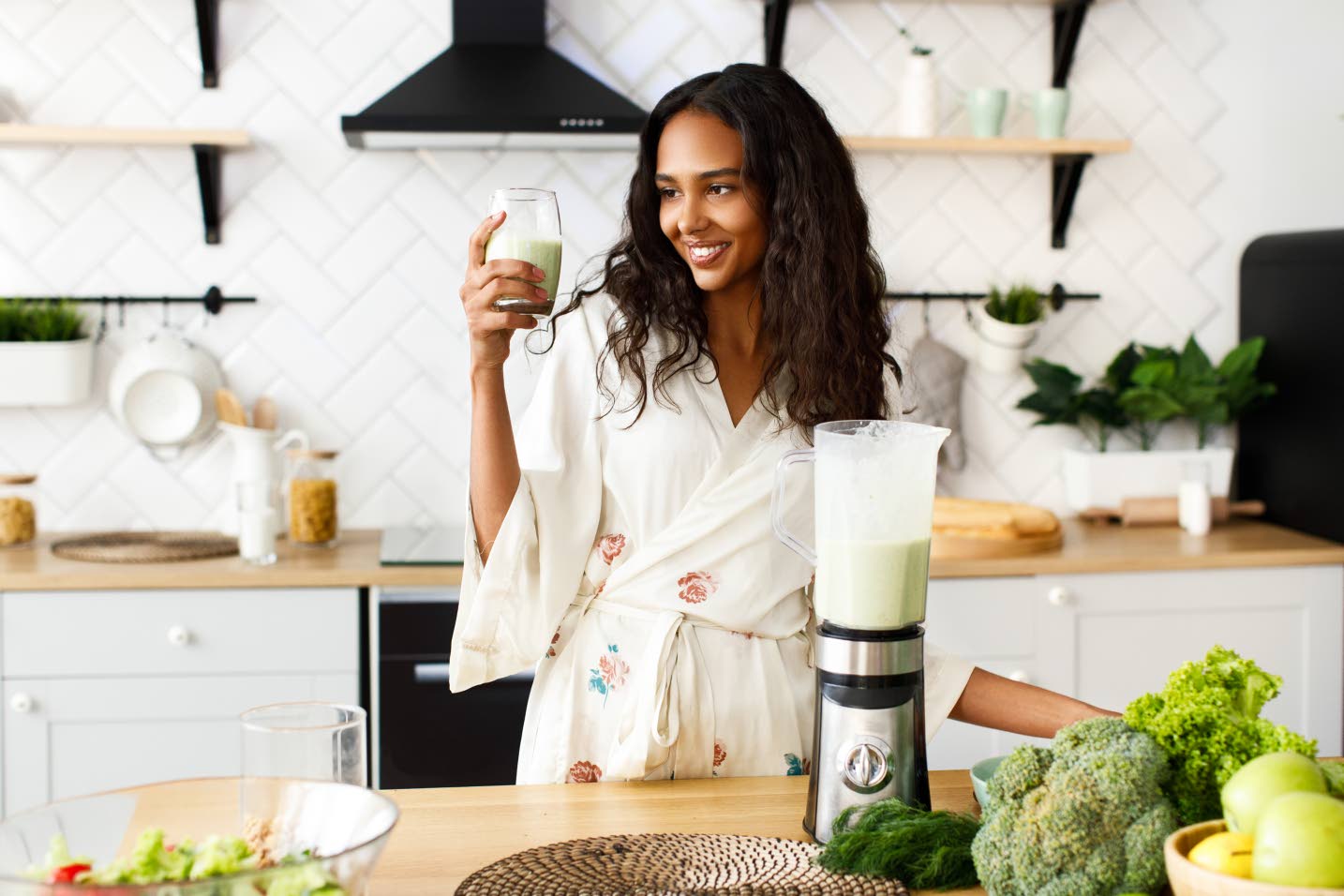
Leafy greens and fruits are great for detoxing. But the journey from soil to blender makes them prone to contamination.
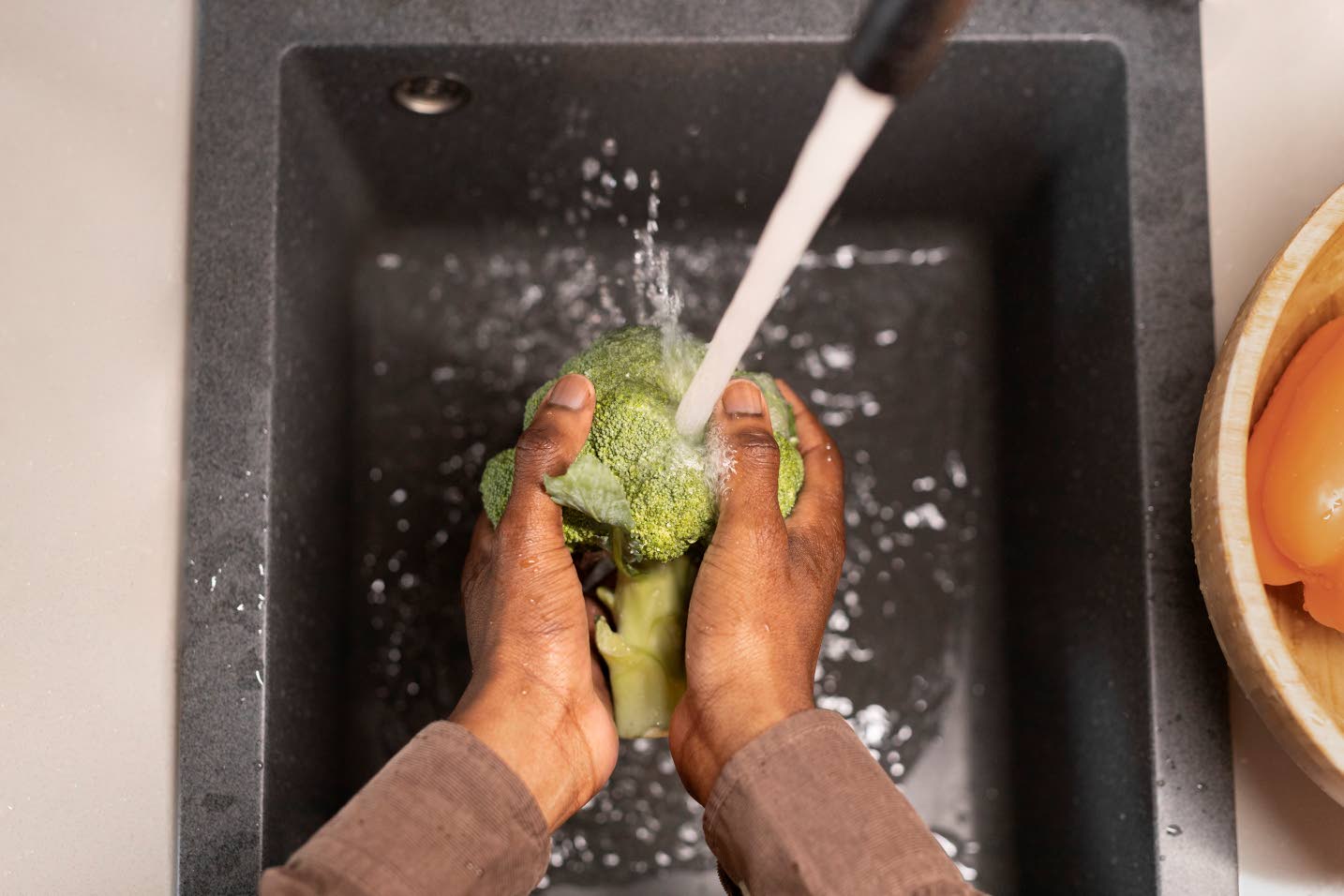
Bacteria can hide on even clean-looking produce. Always wash your hands first, then rinse your fruits and vegetables under clean, running water.


