



Brogad’s ‘Donroe Doctrine’ dilemma
Former Prime Minister Bruce Golding’s broadside against United States President Donald J Trump in the wake of that country’s onslaught on Venezuela which saw the forced and violent kidnapping of President Nicolas Maduro and his wife, who were transported to New York to be tried on a number of charges, has brought into sharp focus Jamaica’s posture to its powerful neighbour up north with respect to its now blatant imperialist intentions.
Unlike Golding’s blasting of the US president, who he reportedly described as a megalomaniac, the prime minister, Dr Andrew Holness aka Brogad, has been very measured in his response, basically not saying much by way of condemnation of what has taken place in that South-American country.
Many Jamaica Labour Party (JLP) supporters and government officials would have been taken aback by Golding’s remarks as it is no secret that the JLP has historically kowtowed to the US when it comes to its foreign policy stance. The People’s National Party (PNP), on the other hand, has chided the Holness Administration for not having taken a more principled stance in support of the Venezuelan people.
It is no secret that from the inception of these two political parties the PNP had declared itself, in the words of its main founder Norman Manley at its historic launch in 1940, as a socialist organisation, while assuring his followers that they were committed to either revolution or godlessness. In the meantime, Alexander Bustamante, who subsequently founded the Jamaica Labour Party and parted company with the PNP who he had earlier embraced, set out to marry labour and capital, describing Manley’s party as a wolf in sheep’s clothing (socialism disguised as communism). Despite protestations which saw the PNP expelling the four Hs (Ken Hill, Frank Hill, Richard Hart, and Arthur Henry) who were deemed to be communists, the “red label” was made to stick by persistent JLP propaganda, which has lasted up to this day.
Historically, therefore, the PNP has more often than not associated itself with socialist and communist regimes, chief among them have been Cuba and Venezuela in the Western Hemisphere, while maintaining a principled and fraternal relationship with capitalist nations, inclusive of the USA and Great Britain, among others. Bustamante, from day one, set a clear precedent for his party when he was asked to define the JLP Government’s foreign policy: “We are with the West,” he quipped.
Fast-forward to what is now unfolding in terms of geopolitics, with what is now known as the “Donroe Doctrine”, à la Donald J Trump, and the ideological stances of both the JLP and the PNP will have been brought to the fore. What actually is the Donroe Doctrine? It is basically a take on the over-200-year-old Monroe doctrine, which basically stated that the United States would be protector of the Western Hemisphere and forbids European powers from colonising additional territories. Part of that posture would be for the US to expand into Western territories to keep others out.
Trump has used this as his cue to set about tightening the US’s grip on the Americas by rewarding allies and punishing rivals, which has upended politics as usual in the Caribbean and Latin American region. This basically means that any country that opposes Trump in any way could find itself in the doghouse, which would earn them the wrath of the White House.
The devastating 1980 defeat that the PNP received from Edward Seaga, who was a fierce ally of the United States and its capitalist agenda, was a culmination of a Jamaican “mini-Cold War” in which socialists were crushed and America’s influence was fully restored, shunting Michael Manley’s dalliance with Communist Cuba’s Fidel Castro to the back of the class.
Interestingly, when the PNP returned to power in 1989, tensions between the USA and Jamaica resurfaced as Michael had a close relationship with Venezuela’s Carlos Andres Perez, which led to the highly touted San Jose Accord and subsequently the PetroCaribe deal which was extended by Hugo Chavez. It is no secret that the JLP panned this relationship and used it as part of its ongoing political propaganda to tarnish the PNP in the eyes of the US State Department. Indeed, P J Patterson, in his book My Political Journey noted that, “Since our independence we have been in the vanguard of strategies to redress the North-South divide.”
Latterly, the growing influence of China in the country has been frowned upon by Washington, but ironically the Holness Administration has continued to play “footsie-wootsie” with the Chinese, who in real terms has done much more for Jamaica than the United States in the past two decades. Now that Trump’s Donroe Doctrine is unfolding, it remains to be seen at what stage the Republican president will give Jamaica an ultimatum, and the big question is whether or not Brogad will be able to put up any resistance. To put it bluntly, the plot thickens.
Then there is the JLP’s peculiar relationship with Cuba (are we still employing Cuban doctors and nurses?) as well as the fact that our hospitality industry is heavily dependent on American tourists, not to mention remittances and immigration. Lest we forget, if America sneezes, we catch a cold!
In all of this it is safe to say that the JLP has chosen to tiptoe through the tulips with respect to how it relates to Trump’s USA, while the PNP has been deftly trying to walk through the raindrops.
The sad truth is that even as Jamaica wrestles with the prolonged issue of moving towards republican status, which, in essence, means asserting full independence and sovereignty, the nation’s vulnerable and nebulous position with respect to the USA under Trump has left this fragile nation between a rock and a hard place.
Lloyd B Smith has been involved in Jamaican media for the past 50 years. He has also served as a People’s National Party Member of Parliament and Deputy Speaker of the House of Representatives. He hails from western Jamaica where he is popularly known as the Governor. Send comments to the Jamaica Observer or lbsmith4@gmail.com.
Alexander Bustamante
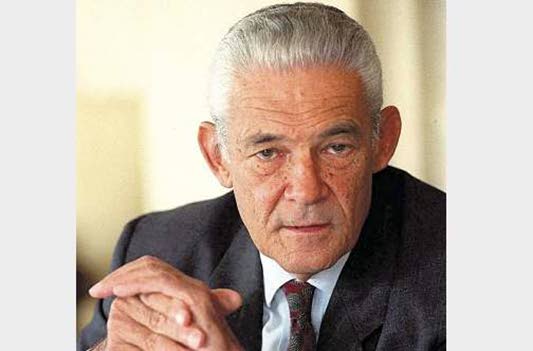
Michael Manley.
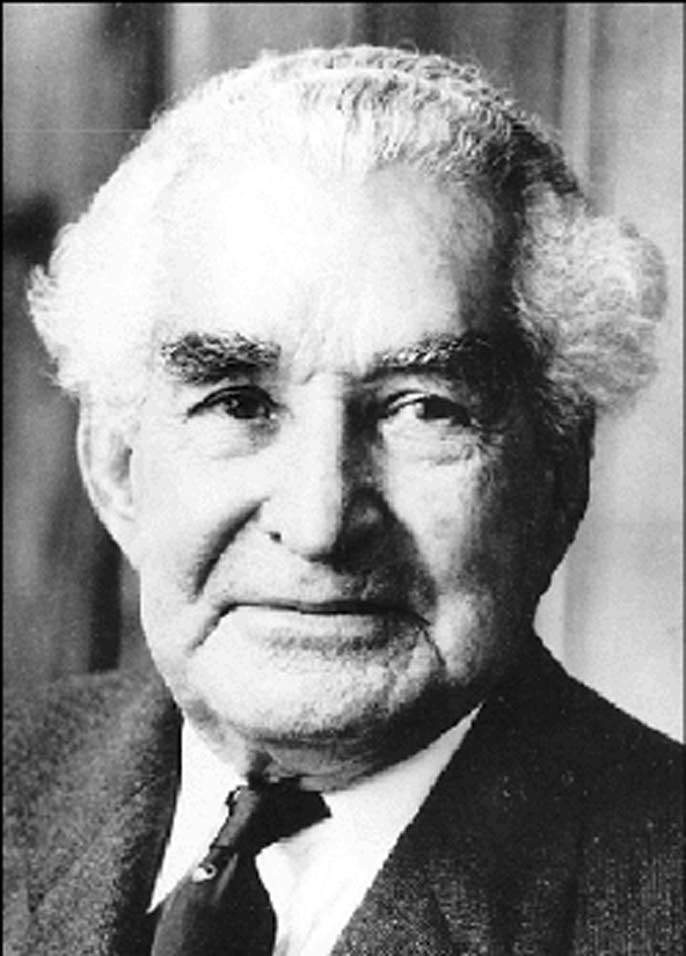
Alexander Bustamante.
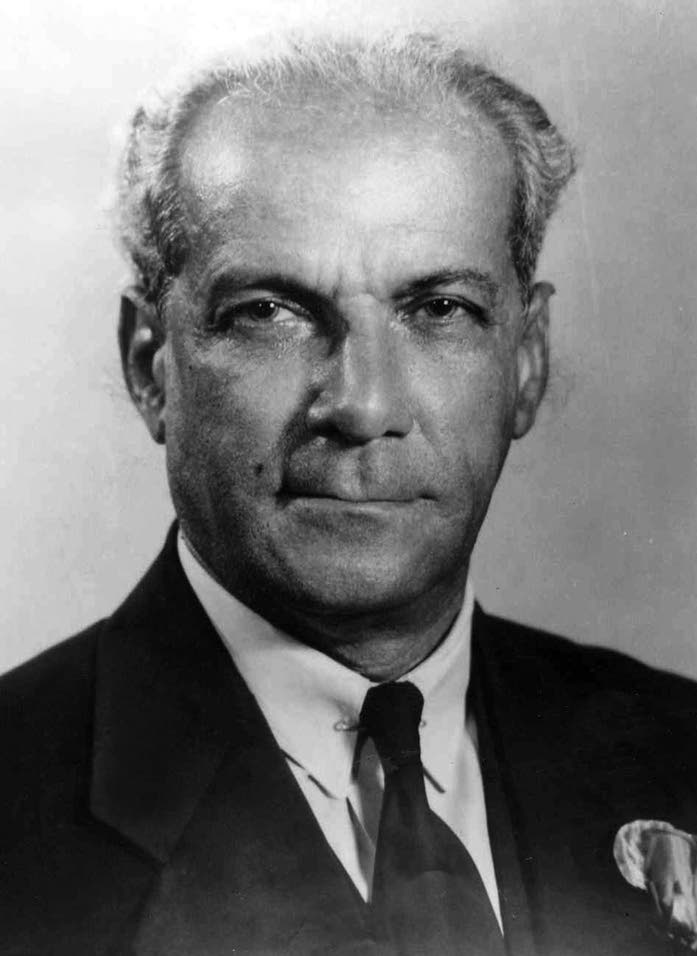
Norman ManleyObserver file
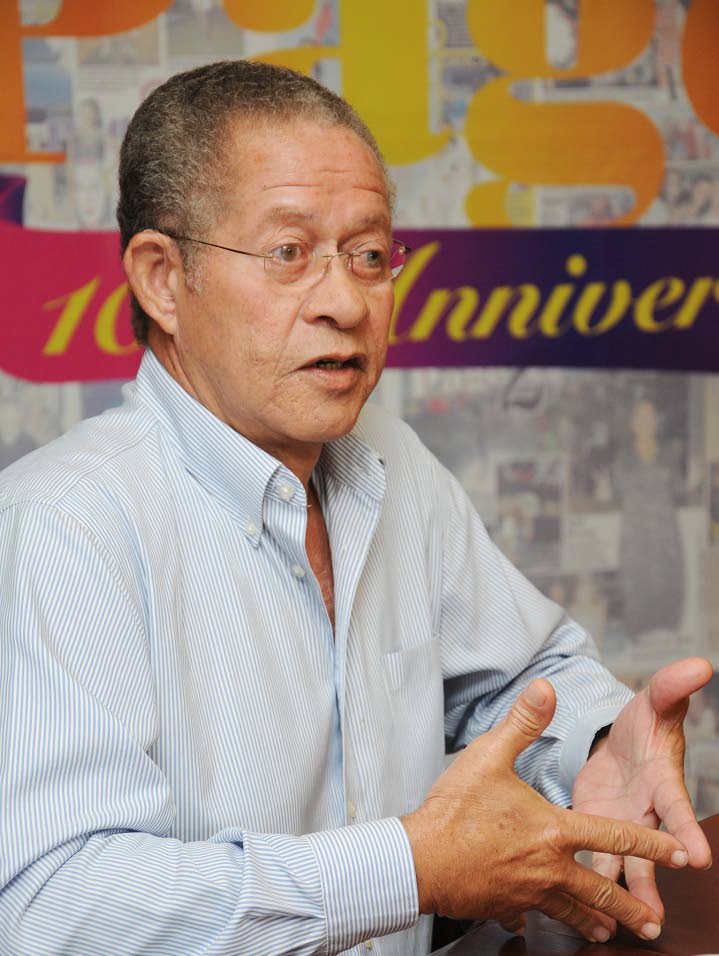
Bruce Golding


