



Jamaica Energy Partners bets US$150 million on LNG
JAMAICA Energy Partners (JEP) Group is set to invest more than US$150 million to convert two of its thermal power plants to liquefied natural gas (LNG), its chief executive told the Jamaica Observer, while planning to rebuild its hurricane-damaged solar facility in Westmoreland to be more resilient. The moves are part of a bid to cut energy costs for consumers and bolster the island’s energy resilience.
The investment by the InterEnergy Group subsidiary, which supplies about a third of Jamaica’s power, targets two systemic vulnerabilities exposed by Hurricane Melissa last October — namely, the island’s reliance on a single floating gas import terminal that must flee approaching storms, and the fragility of renewable infrastructure in extreme weather.
Dr Wayne McKenzie, CEO of JEP, framed the dual initiatives as a direct response to a costly systemic flaw rooted in Jamaica’s fuel logistics. The island’s entire supply of liquefied natural gas is delivered by a single Floating Storage and Regasification Unit (FSRU) — a specialised vessel moored at Old Harbour Bay in St Catherine. Maritime safety protocols require this vessel to disconnect and sail to deep water before a hurricane makes landfall, severing the gas supply for days or weeks.
This vulnerability creates a cascading energy crisis with each major storm. “Before the hurricane there’s no gas, during the hurricane there’s no gas, and after the hurricane there’s also no gas,” McKenzie said, describing the inevitable cycle.
He stressed that the current fuel used at JEP’s power plants — heavy fuel oil — while cleaner than some alternatives, is not the long-term solution. “We burn the cleaner of the heavy fuel oil that is consumed in the energy sector, with below 2 per cent sulfur content. But at the same time, we’re aggressively looking at converting some of our units to burn gas,” McKenzie explained to BusinessWeek.
This planned conversion is urgent, he argued, because the present system creates a system-wide fuel and financial crisis. When the FSRU evacuates, other plants on the grid that rely on LNG — primarily those operated by the Jamaica Public Service Company (JPS) — are forced onto expensive diesel backup. This sudden spike in system fuel cost was a primary driver behind the 7 per cent increase in electricity tariffs last December, with JPS indicating further adjustments could follow as the full cost of recovery is tallied.
McKenzie, however, pointed to a mitigating factor that should provide some near-term relief. He explained that the initial, severe post-hurricane price spike was exacerbated by a drastically shrunken customer base. With widespread damage in western parishes knocking out much of the grid for weeks or months, the cost of all generated power was borne by a much smaller pool of connected customers, distorting the weighted average cost.
“As they increase the spread of connected customers, then your weighted average cost to a consumer is going to be less,” he said, projecting that this rebalancing should lead to a moderation in bills. “The type of impact that you see is going to be much smoother come January, February… It’s almost back to normal.”
Nevertheless, he stressed that without addressing the root cause, the cycle would repeat. “The country can’t continue to have an absence of gas whenever there’s a hurricane. [We live] in a hurricane belt, so we do expect to have [hurricanes]. It might not be annually, but it is definitely going to happen. So, from a sovereign perspective, it makes sense to have a land-based [gas storage] solution.”
The centrepiece of the strategy is an onshore LNG storage terminal, estimated to cost US$80-110 million. This facility would enable the conversion of two of JEP’s three thermal plants — the 124 megawatt Dr Bird plant in St Catherine and the 66 megawatt West Kingston Power Partners plant at a cost of US$50 million, McKenzie told BusinessWeek. The third, the 60 megawatt Jamaica Private Power Company (JPPC) plant, cannot be converted due to its age and technology, though its operating contract was recently extended by five years and the plant upgraded.
Once converted, the two plants will primarily run on gas but retain backup capability. “Yeah, the back-up fuel will still be HFO. Some people use diesel. Well, it’s a tri-fuel solution, so we can use diesel as well,” McKenzie noted.
The project is in its planning phase. “We’re still doing the due diligence on the numbers. No LNG facility is going to be a short-term solution, right? And I say, it has national importance, and we have a strategic partner that we are working with. I can’t disclose [who] that is currently,” he said, but disclosed that the partner would be involved in the ownership of the LNG storage facility.
Execution is contingent on a sequence of regulatory and commercial milestones. McKenzie outlined a 24-month timeline to commercial operations for the LNG project. Jamaica has one LNG supplier currently, Excelerate Energy. McKenzie positioned the project not as a direct competitor, but as complementary infrastructure. “I wouldn’t call it a competition with Excelerate, because Excelerate can also be a partner on the supply chain… in the event they have to move [their barge], our collective customers could get gas from the onshore facility. So, it’s not a matter of cannibalising Excelerate customers… But certainly our customers are customers that we have [already] identified… and [they are] not necessarily Excelerate customers currently.”
Parallel to the gas transition, JEP is managing the US$20-30 million reconstruction of its 37 megawatt Paradise solar park in Westmoreland, which sustained 80 per cent damage during Hurricane Melissa. The rebuild, he said, will not be a simple replacement.
“We’re going to rebuild a better plant, a stronger plant, a more resilient plant, one that’s designed to withstand a Category 5 hurricane,” he stated. Insurance proceeds are pending final adjustment, but lenders and underwriters have backed the reconstruction. McKenzie expects construction to begin within seven to nine months, with work to be completed three to six months after.
McKenzie said JEP’s pivot reflects its parent company InterEnergy’s broader regional strategy of integrating gas as a transition fuel while hardening infrastructure. Chairman Rolando González Bunster has publicly committed to clean energy transitions across the portfolio.
The commitment was endorsed in December by a visit from former US President Bill Clinton, who toured hurricane damage with González Bunster. Clinton praised InterEnergy’s “rebuilding stronger, cleaner” approach.
For McKenzie, the plan also preserves Jamaican jobs and expertise. “We’re keeping our staff, our people are still being employed, and we’re also keeping it 100 per cent Jamaican,” he said.
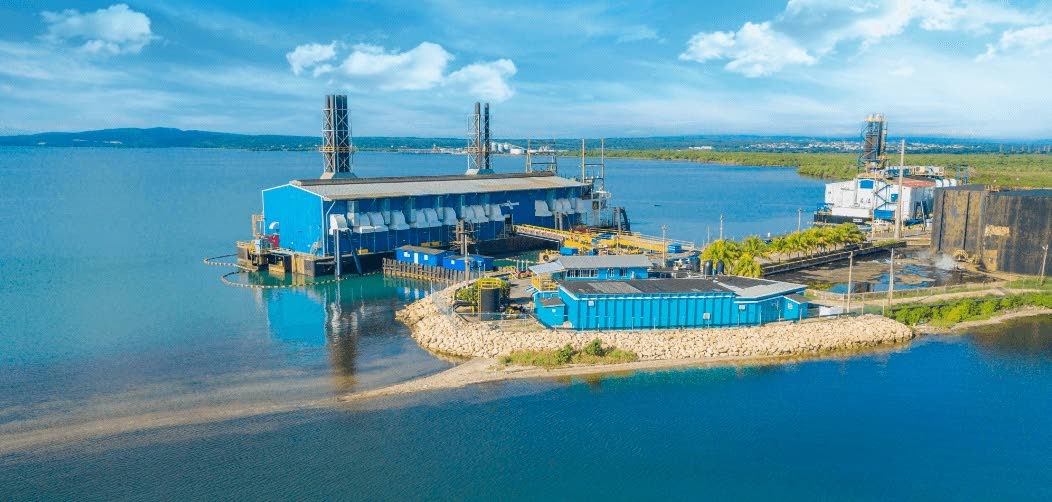
The Doctor Bird power plant in Old Harbour, owned by Jamaica Energy Partners, is slated for conversion to run on LNG, replacing its current use of heavy fuel oil (HFO).
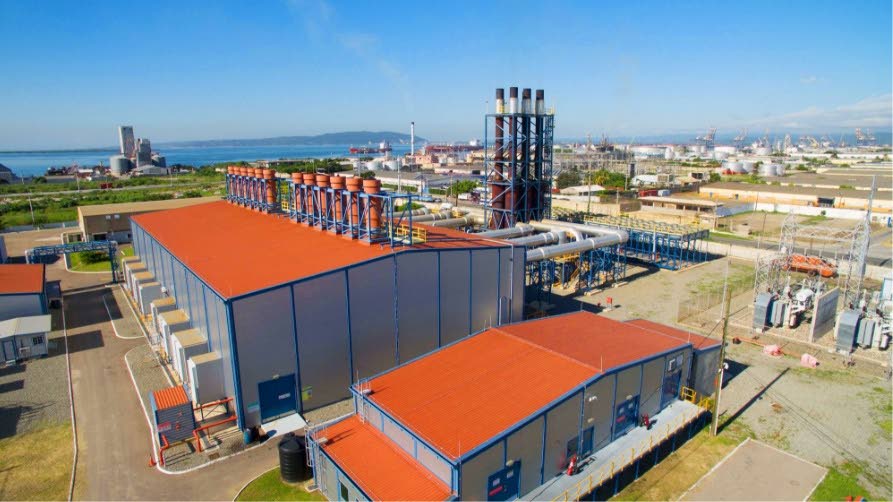
The West Kingston Power Partners facility, a 66-megawatt Jamaica Energy Partners plant in Kingston, is scheduled to transition from burning heavy fuel oil to liquefied natural gas.
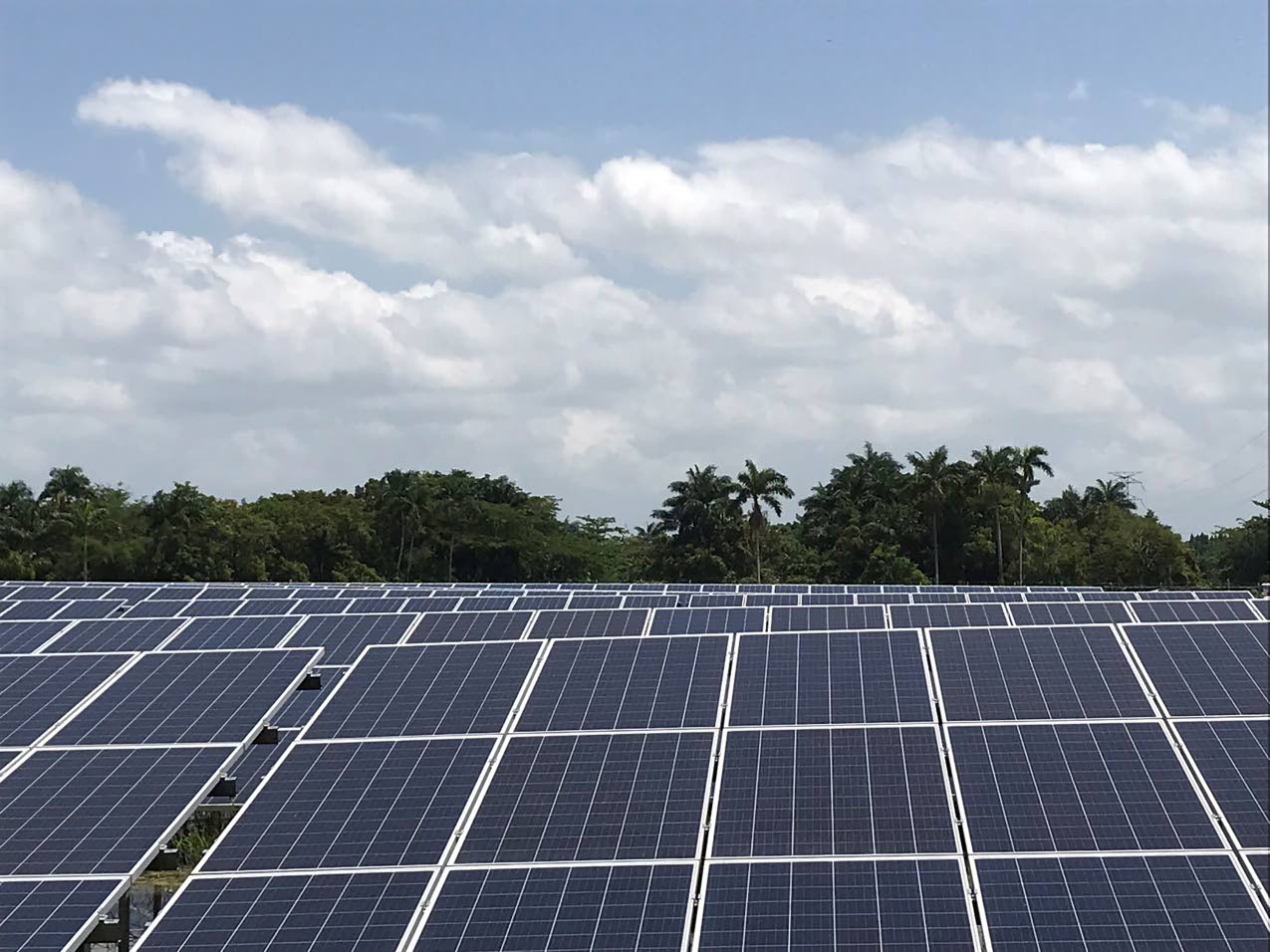
The 37-megawatt Paradise solar park in Westmoreland, owned by Jamaica Energy Partners, is to be rebuilt to withstand Category 5 hurricanes after sustaining severe damage.


