



New Year, New Garden (Part 2)
Style Observer Gardening (SOG) continues to help you cultivate a garden that is both the envy of your neighbours and resilient for the new year, featuring expert insights from Plantology 876 principal Stacy Thompson.
Expanding on the climate resilience themes from Part One, Thompson highlights a selection of hardy flora for 2026. These plants are chosen for their ability to maintain high visual impact with minimal water and maintenance, serving as the perfect dual-purpose additions to a modern landscape. SOG features the full list below:
Ixoras (dwarf varieties): Highly favoured for their resilience, the smaller version of the ixoras offer a dual benefit. According to Thompson, they serve as excellent, sustainable hedging and remain remarkably drought-tolerant. Additionally, their diverse colour palette is perfect for enlivening garden spaces.
Crotons: Prized for their vibrant foliage, crotons are exceptionally climate-adaptable and sun-tolerant, making them perfect for livening up any space. When brought indoors, they do more than just add colour; they actively improve air quality by absorbing carbon dioxide and filtering out airborne toxins.
Heliconia Psittacorum: Also known as the parrot heliconia, they are known for their striking tropical look, heliconias are a powerhouse in the garden. Not only do they offer stunning aesthetics with their bright, architectural blooms, but they are also incredibly practical. Their strong root systems help prevent erosion, and their natural wind resistance makes them a reliable choice for climate-adaptable landscaping.
Bougainvilleas: Thompson highly recommends bougainvilleas for their heat tolerance and minimal water requirements. Beyond their resilience, they are valued for their ability to produce a stunning variety of vibrant colours, making them an ideal choice for low-maintenance yet high-impact landscaping.
Agave and Aloe Vera Plants: Despite differences in lifespan, blooming habits, and practical uses, both plants offer distinct architectural appeal. Not only are both drought resistant but both require low maintenance. Beyond their aesthetic appeal, both plants offer practical benefits: Agave is increasingly utilised as a sustainable material for products like biodegradable straws, while aloe remains a staple in skincare and first aid.
Edible Landscaping
For those looking to embrace edible landscaping, Thompson emphasises that a food-producing garden doesn’t have to sacrifice style for utility. Instead, they can be seamlessly woven into a landscape’s design to bolster food security without sacrificing style. Moringa and lemongrass are standout choices, offering a blend of medicinal and culinary versatility. Similarly, turmeric and ginger contribute lush, ornamental foliage alongside their edible rhizomes (rootstalks), while gungo peas act as hard-working, nitrogen-fixing shrubs that serve as a reliable food source.
Drawing on local expertise, Thompson recommends framing garden spaces with aromatic borders of thyme, basil, and chives. To maximise space and style, try training fruit trees like soursop, guava, or citrus to grow flat against walls using the espalier technique. For a more structured look, decorative raised beds are perfect for leafy greens like callaloo and pak choi. Thompson also suggests inter planting edible flowers such as nasturtium; these act as a magnet for pollinators and serve as a fresh, colourful garnish to elevate any meal.
Here’s to a vibrant 2026! May your garden be a source of joy and beauty all year long.
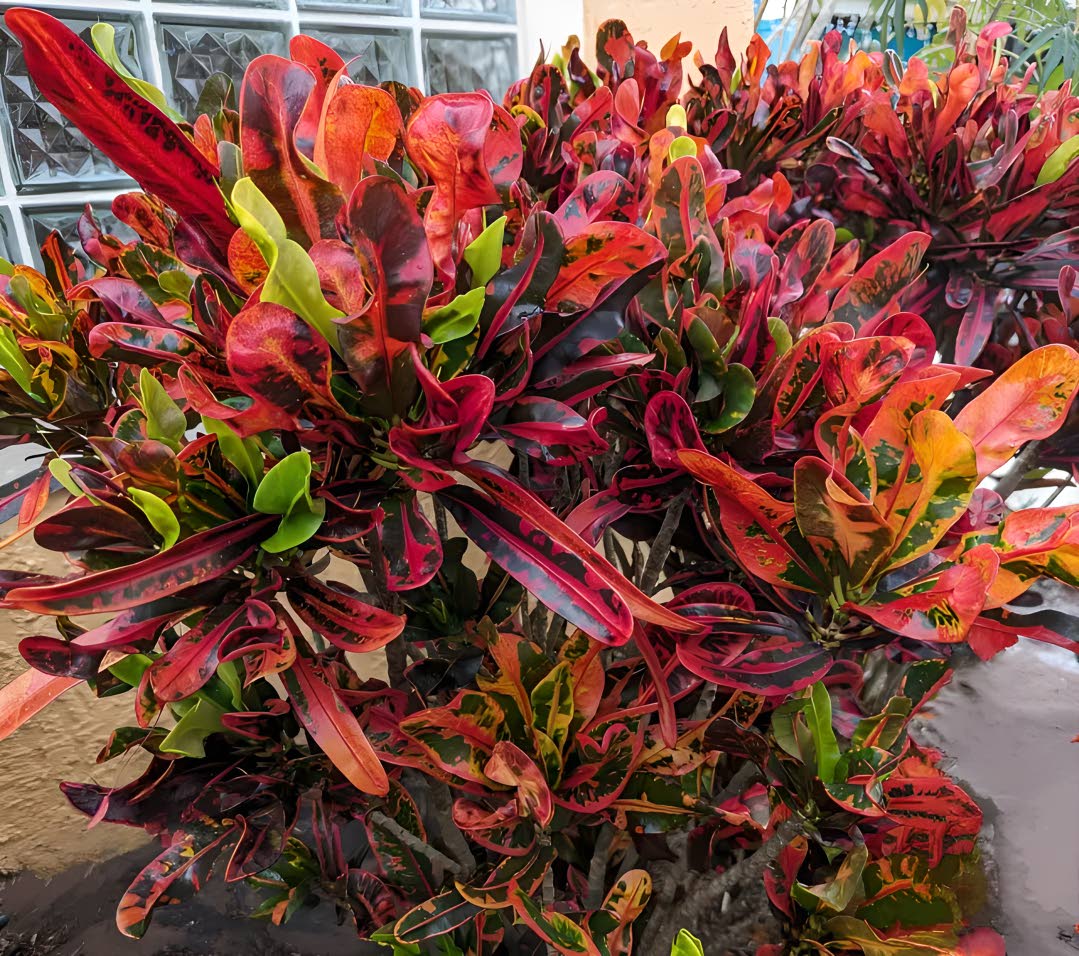
Crotons
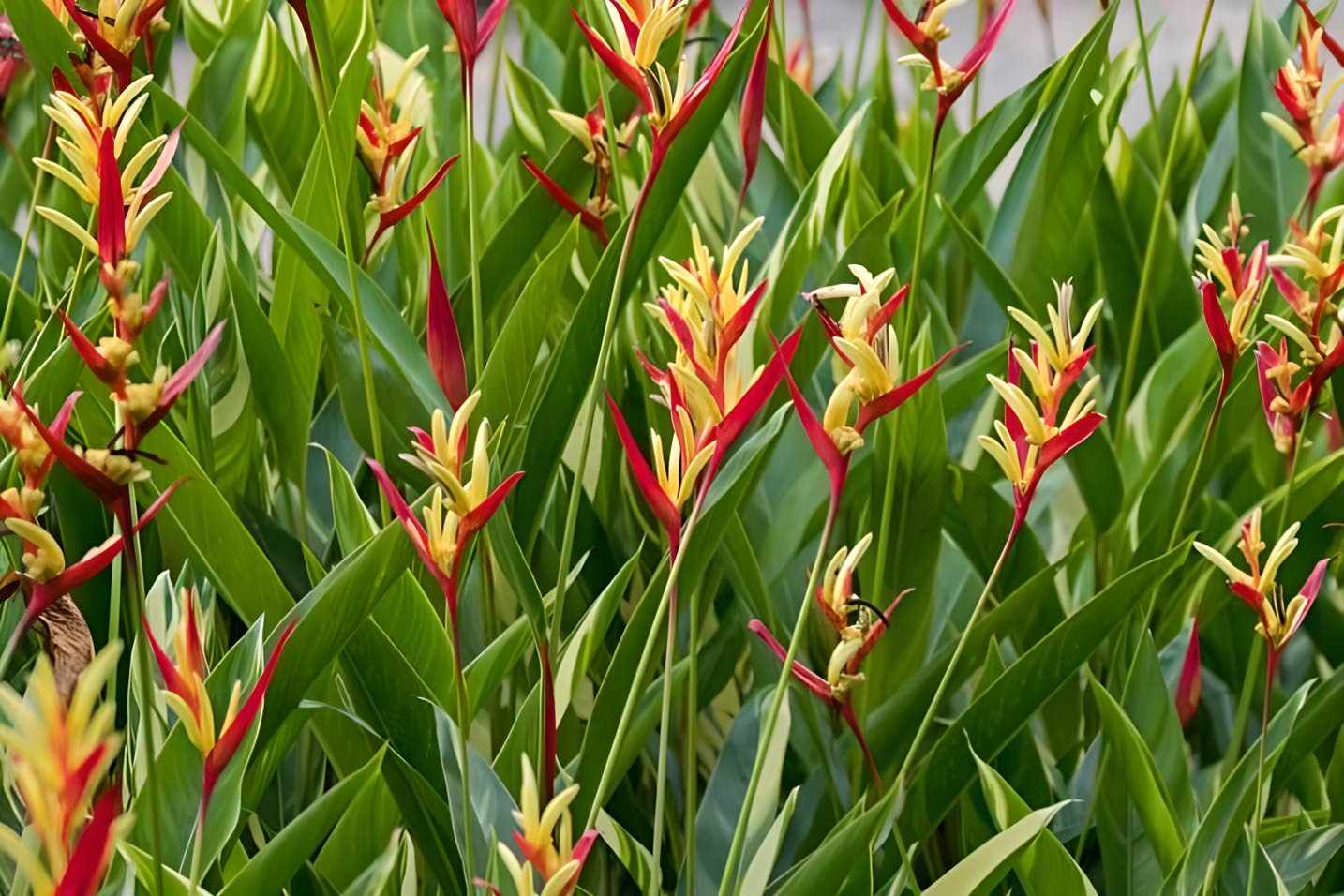
Parrot heliconia
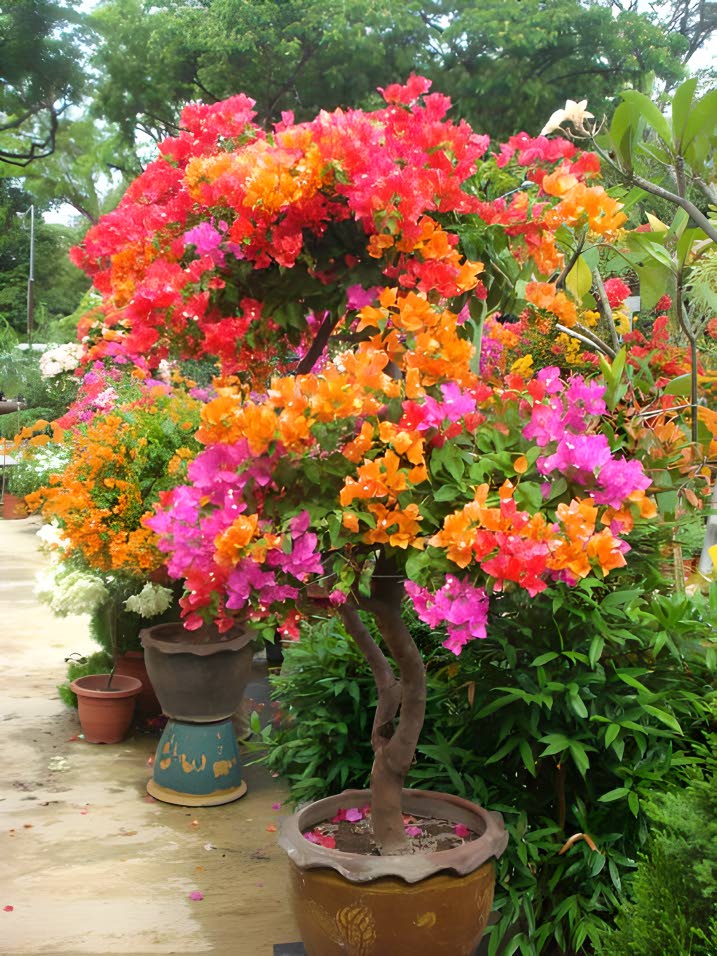
Bougainvillea
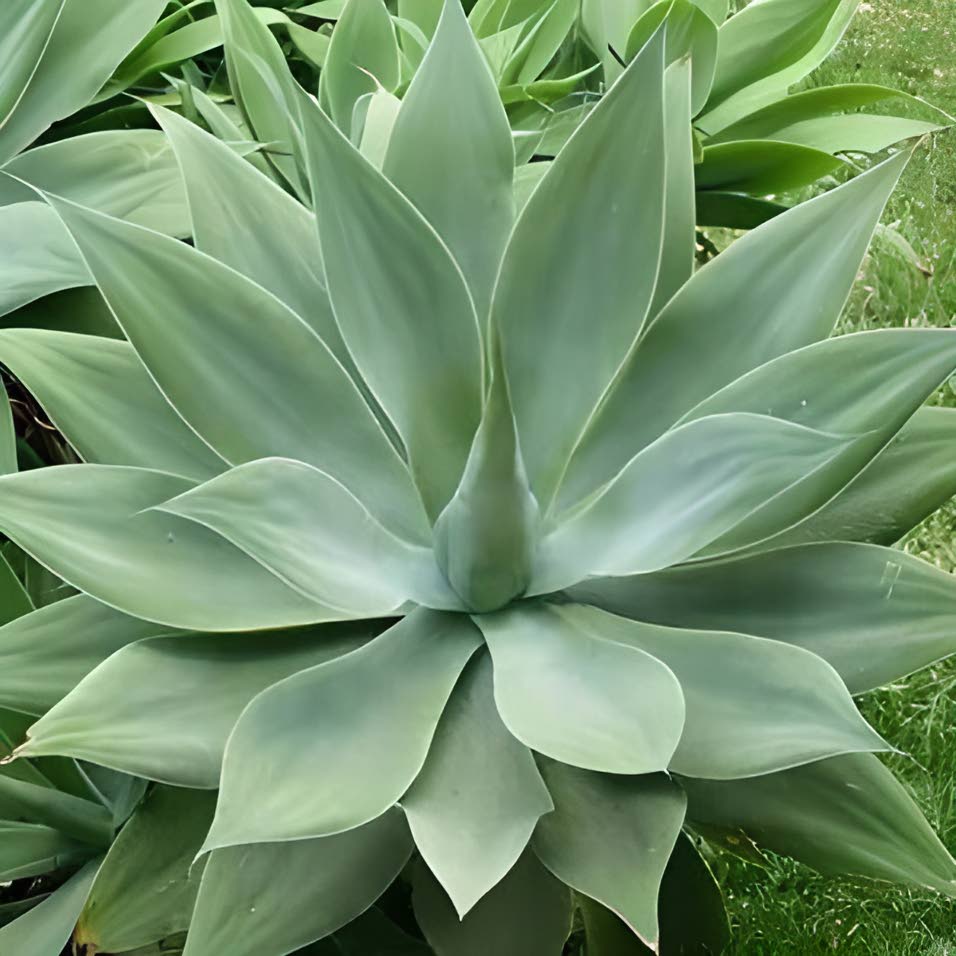
Agave
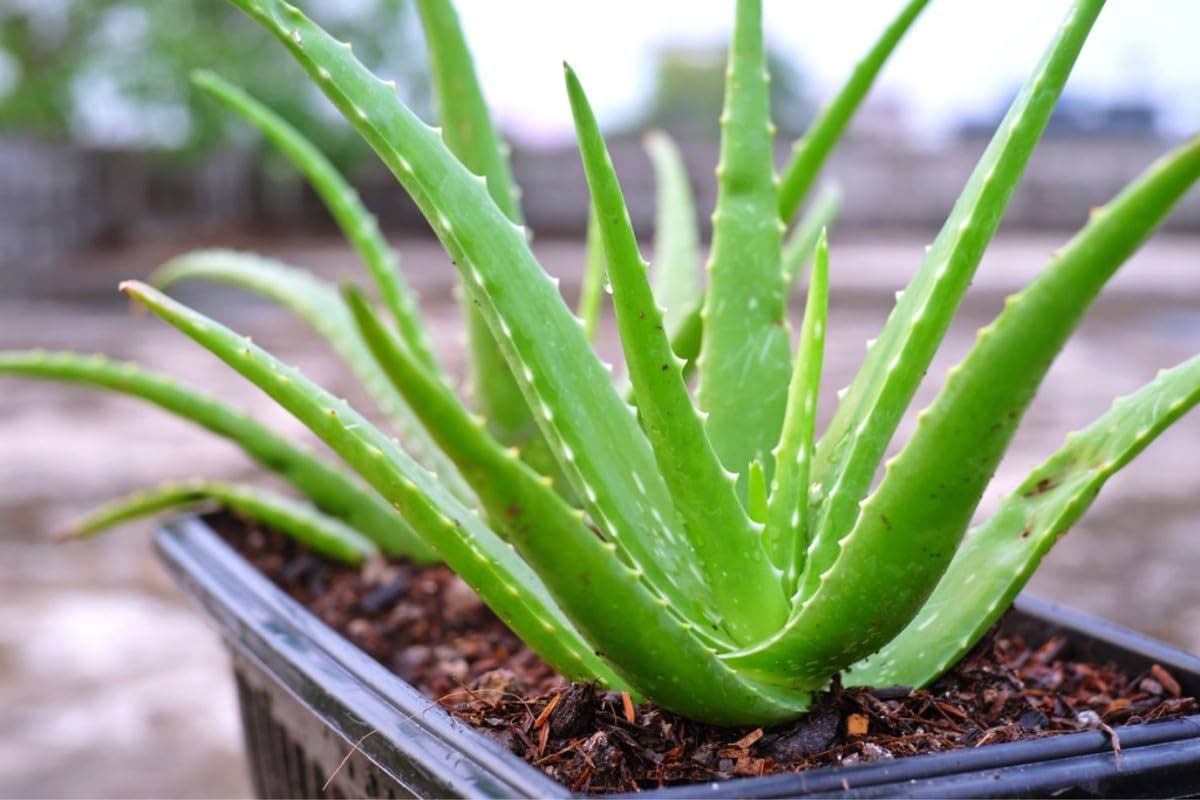
Aloe Vera
Ixoras
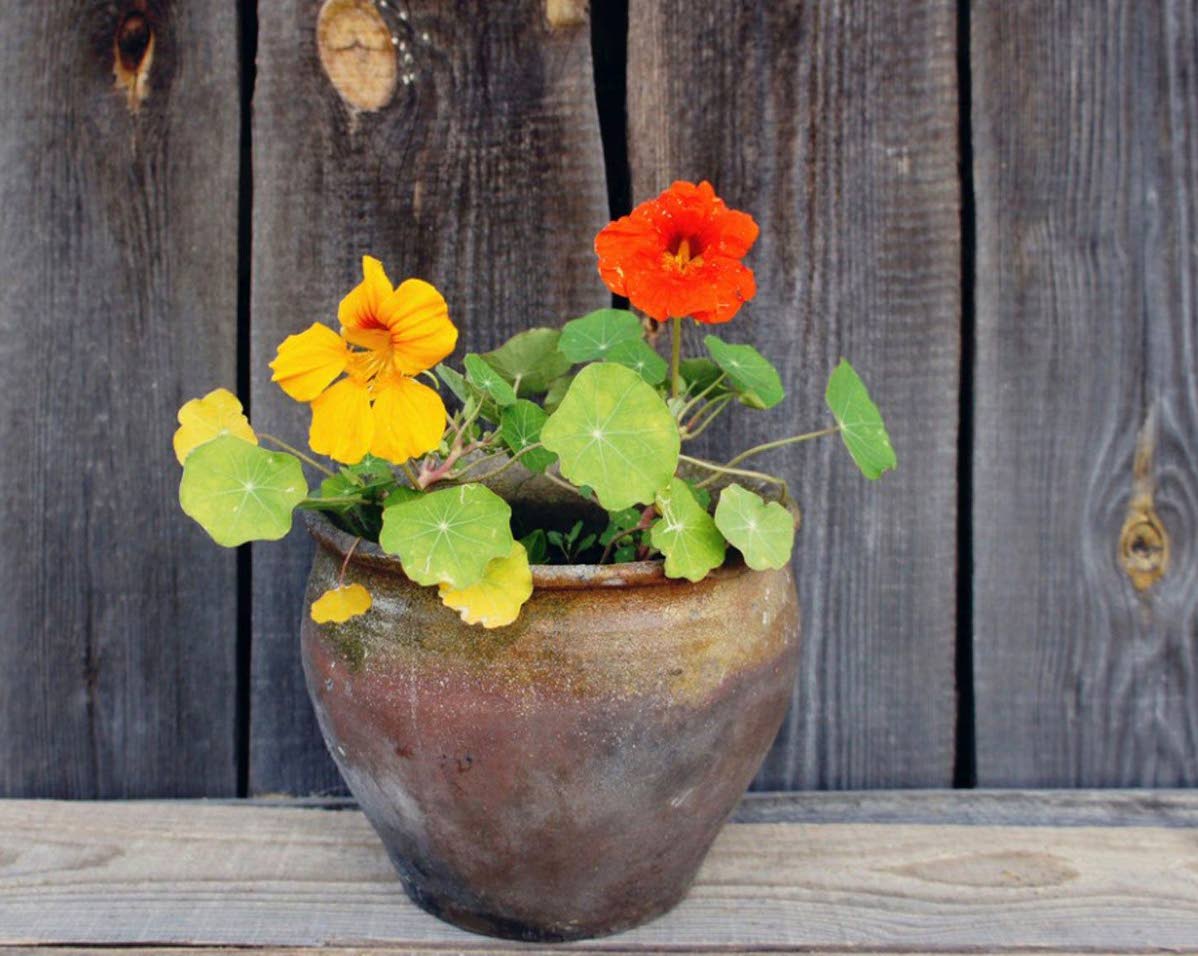
Nasturtiums

Stacy Thompson principal, Plantology876


