When preachers play God
THERE are many lessons to be learnt from the Kevin Smith Pathways International Kingdom Restoration Ministries scandal in 2021. But, perhaps, the greatest takeaway is learning to determine the thin line between a church and a cult.
According to popular clergyman Reverend Merrick “Al” Miller, founder of Whole Life Ministries, that line is drawn in the word of God.
“A church would carry very similar beliefs and fundamental positions as most churches so that there is a common, established principles by which they operate,” Miller told the Jamaica Observer. “It is firmly rooted in Jesus Christ as the head and run by the principles of the word of God, which is rooted in what the word of God says, what it teaches about love and our own humanity, and how we ought to interact and relate to God.
“Most churches have their beliefs and their teachings but…it is open for dialogue all the time, that you can raise questions [and] people are free to interact. It’s not about control,” he continued.
Cults, on the other hand, revolve around a charismatic figure whose personal beliefs overshadow scripture.
“Cults tend to be a little more directed towards the leader…and the opinions and views of the leader, and sometimes it often tends to even make demands on the people that you’ve got to really stick to the line of what the group believes and really doesn’t allow the kind of critical thinking that is necessary,” Miller added.
In 2021, the Pathways International Kingdom Restoration Ministries descended into chaos when two congregants were killed during what was believed to be a human sacrifice ritual. The man at the centre of it all, Pastor Kevin Smith, later died in a motor vehicle crash while being transported to Kingston to face multiple criminal charges.
Smith, who headed Pathways International out of Albion, St James, began his ministry like many others, preaching salvation, distributing gifts to surrounding communities and drawing in the masses through charisma and charm.
But behind the scenes, Smith was controlling. Congregants were allegedly fined for tardiness, for not bringing their Bibles, or for even wearing the wrong headscarves. He reportedly demanded money, threatened death for non-compliance and required that members seek his permission to go on vacations.
One witness statement suggested that if a member refused to give Smith money, he would claim the individual would suffer a fatal accident.
This type of behaviour, Miller suggested, is one of the key signs of a cult.
“It certainly then would mean looking out for anything where the individual leader begins to take centre stage. And the individual leader then begins to demonstrate what we would call pride, where it is all about them, where they begin to put a lot of emphasis on money, on pleasure, on lust of the flesh,” he said, adding that in the event that these signs show up, it means “something is not going right here”.
For Miller, the downfall of Smith — who once preached salvation — and the influence he had over his followers, underscores the heavy responsibility church leaders bear.
“As church leaders we do not represent ourselves, we are representing the living God, representing Christ, the son of God, our saviour and our redeemer, and so therefore, what we say and do must consistently be a reflection of who God is as revealed in Christ.
“And love is that foundation on which the church is established. Thou shalt love the Lord thy God, loving thy neighbour as thyself. And so if love becomes the basis that informs and guides our action, then it quickly begins to eliminate negative, suspicious behaviour,” he explained.
The scandal surrounding Smith’s ministry also serves as a sombre reminder of the dangers of unchecked leadership. Miller said it is crucial for church leaders and others to maintain accountability.
“We must make ourselves accountable as leaders and even as individuals. All of us should be accountable to someone and we, therefore, need to hold each other accountable as well…So we all have to engage the process a little more, be more vigilant as a corporate body,” he told the Sunday
Observer.
He continued, “I think if we hold to those basic things, it is very unlikely for us to get caught in cults or for cultish potential leaders to allow themselves to be trapped by this deception of the enemy. Because why does the deception come? It comes because men begin to think of themselves more highly than they ought to think.”
Recalling the events of October 17, 2021, Miller expressed shock, particularly with the reports of the alleged human sacrifice ritual.
“I even asked myself, not to blame anyone, but I had to ask the question: ‘In a city, in a town where this kind of thing is happening, didn’t anybody hear anything or have a sense that maybe something a little off?’ And did they take the time to say something?” he questioned.
However, the clergyman acknowledged that the secrecy often inherent in cults can make such awareness difficult, if not impossible.
“Very often with a couple of these cult groups who go off into that level of extremity, not much is known on the outside because the people are sworn to secrecy; they have that deep level of commitment to the leader because they perceive the leader in some special messianic way or prophetic way,” Miller said.
Regardless, Miller believes there is redemption for all. And his message to those who survived the 2021 traumatic incident is one of healing and hope.
“Certainly, they would be wounded, they would be hurt, there’s a lot of disappointment, there are many questions that they would have. What I would certainly want to say to them is: ‘Don’t give up on God. Men fail, God can’t.’ And so do not turn away from your faith in God because of the failure of a person,” he urged.
“Don’t beat upon yourself. You need to learn from it so that you are the better for it. So pull yourself together, be encouraged in your faith and focus it rightly as it ought to be, and maintain your relationship with God because your own eternal destiny depends on it,” he continued.
Miller further shared that the key to avoiding cult-like behaviour lies in returning to the fundamentals of Christian teachings, which focus on love, faith, humility, and honour.
“Love is what drives the Christian faith: God’s love for us and our love for one another…And faith is not faith in oneself, but it is a reminder that faith is that complete trust and confidence in God, and that requires humility, humility of heart…We must remember that we are the creature, not the creator,” he explained.
“And we must, by the virtue of that, also be sensitive to honour, respect for authority. And who is the authority? God. And if we recognise God’s authority and honour God and honour others by attitude of heart, it protects from this kind of thing because where those four elements are present, then it kills the potential of that which creates the problem — which is often pride, power and pleasure,” Miller added.
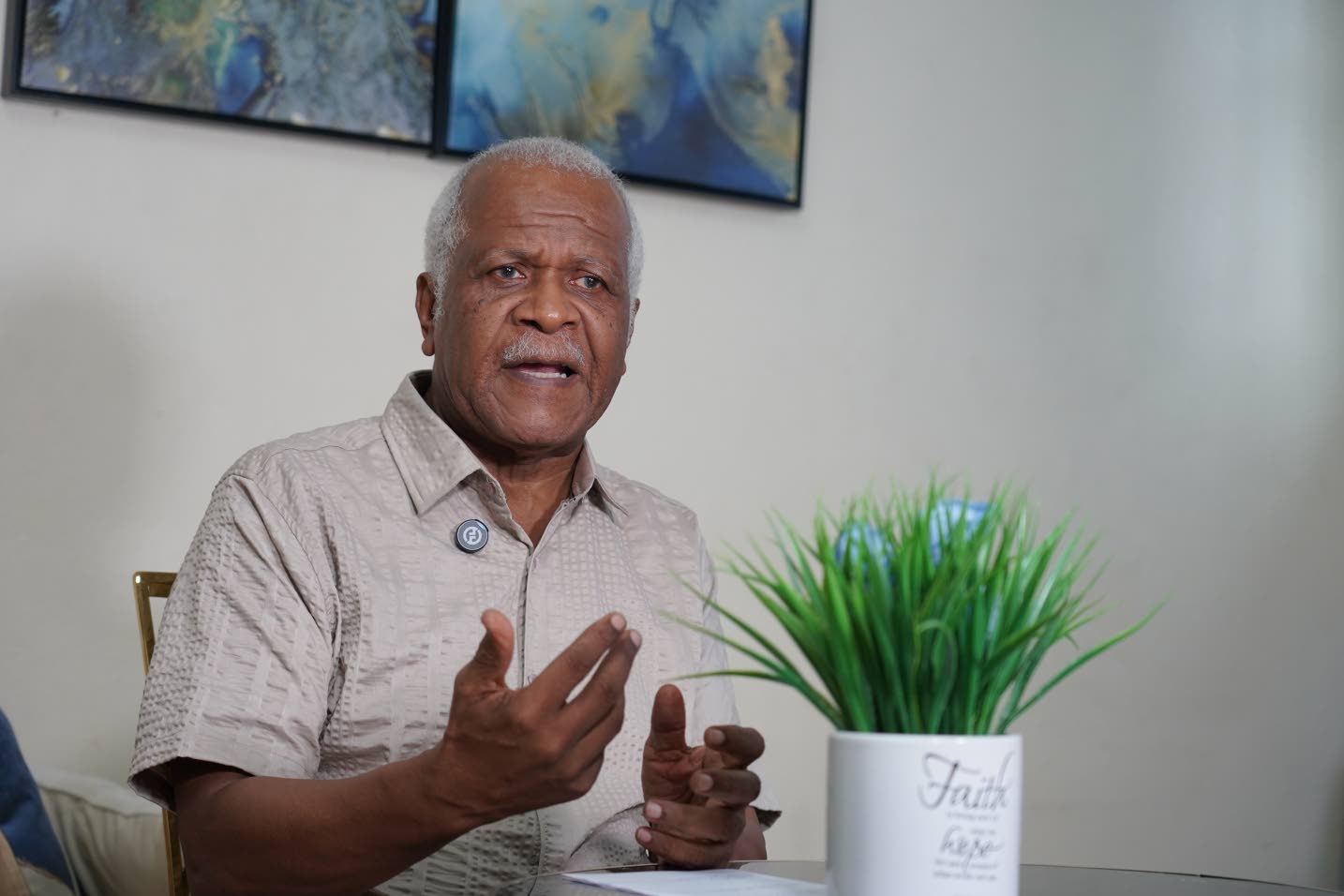
Reverend Merrick “Al” Miller, the chairman and founder of Whole Life Ministries. (Photo: Jeffrey Lynch)