



‘Brace for the shake’
Earthquake awareness in focus as more than 400 recorded in and around Jamaica last year
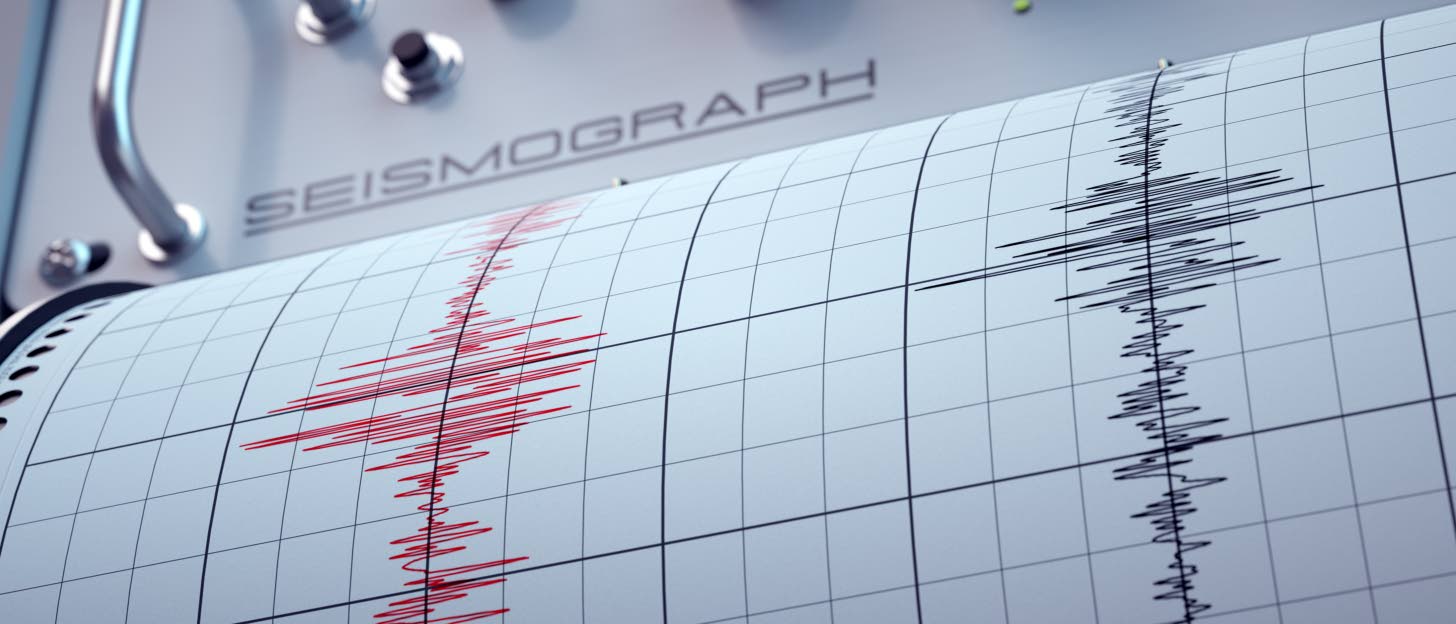
A tremor with a magnitude of 3.1, with its epicentre located approximately five kilometres north of Stony Hill, St Andrew, with a focal depth of 10 kilometres on January 8, was the first earthquake recorded in Jamaica this year, but it most certainly will not be the last.
As the island marks Earthquake Awareness Week, which started on Monday and runs until Saturday, the Earthquake Unit has reported that more than 400 earthquakes were recorded in and around Jamaica in 2025.
Scientific officer at the Earthquake Unit Karleen Black told a recent Jamaica Information Service (JIS) Think Tank that of the earthquakes recorded, 122 were classified as near events — including seismic activity affecting neighbouring territories such as the Cayman Islands, Cuba, and Haiti — while 280 were recorded locally and distributed across the island.
“There were seven felt earthquakes and of these, two were in Portland, two in St Thomas, another two in St Elizabeth, and one in St Andrew,” said Black.
She pointed out that from the parish distribution, “you can tell that all parishes across the island can experience earthquakes”.
Black further highlighted the resilience of the country’s seismic monitoring network, particularly in the aftermath of the October 28, 2025, Hurricane Melissa, which caused damage to some monitoring stations.
“Coming out of Melissa we had some damage to our stations… however, due to our resiliency in having multiple networks, we were able to keep the monitoring going, even during Melissa,” added Black as she underscored that the island is exposed to multiple hazards and that overlapping events are likely.
“As we go forward into 2026, it’s the role of the Earthquake Unit to support all its partners, such as the Office of Disaster Preparedness and Emergency Management (ODPEM) and the Planning Institute of Jamaica (PIOJ), as well as you, the general public, to help you with general information about areas that are most affected by earthquakes, data requests, as well as safety [guidance],” Black added.
Earthquake Awareness Week is being observed under the theme ‘Resilient Jamaica: We Weather the Storm and Brace for the Shake’.
The week, being spearheaded by ODPEM, will feature a series of activities aimed at engaging citizens and strengthening public awareness.
In the meantime, the St James Municipal Corporation has announced that it will intensify its routine public education efforts and conduct earthquake preparedness drills across the parish.
Mayor of Montego Bay Richard Vernon last week announced that throughout January the municipal corporation will be hosting public education sessions in schools, businesses and communities.
He said additional activities to be conducted include earthquake simulation drills and the launch of a public awareness campaign via media to promote preparedness and emergency readiness.
Speaking during the municipal corporation’s monthly meeting last Thursday, Vernon urged residents of St James to support the programmed activities.
“I believe that this year, more than ever, we must take these advisories seriously,” said Vernon.
Meanwhile, the Jamaica Fire Brigade (JFB) and the Ministry of Health and Wellness have indicated their readiness to respond effectively in the event of a major earthquake.
JFB Public Education Officer Superintendent Emeleo Ebanks recently told the JIS that his organisation has enhanced its rescue capabilities through specialised training and sustained investment in modern equipment.
“We now have more search and rescue teams trained in the Jamaica Fire Brigade. As a matter of fact, every division… every fire station has at least one search and rescue crew,” said Ebanks.
He pointed out that several firefighters have received specialised training in swift water rescue, which involves turbulent and rapidly moving water, as well as still water rescue for calmer bodies such as oceans, lakes, pools, and flooded areas.
For her part, Dr Janice Miller, director of the Emergency Medical Services, Emergency Disaster Management and Special Services Branch in the health ministry, said its disaster response approach is grounded in a comprehensive, multi-hazard framework.
“In response to earthquakes, it’s much like what we would have been doing for response to any other disaster where, during the planning phase, there’s a lot of training that goes on… simulation… and making sure that your health care facilities are in tip-top shape,” said Dr Miller.
“You [will] find that we regularly conduct drills and do mass casualty training. We know that if you’re doing a response, you are going to need to be able to command the response. So we have incident command training and Health Emergency Operations Centre training at all levels,” added Dr Miller.
She pointed out that emergency rooms at hospitals are typically prepared for all disasters, including earthquakes, and can be readied at very short notice.
“We plan for it, we prep it, we have our staff in place and we are trained. You don’t have to worry about whether or not, if you turn up at a hospital, you are going to have a problem. No, you’re not. Primary health service personnel are trained similarly, and you will find that, in the event of a disaster, the entire team rolls out in seamless coordination,” declared Dr Miller.
— JIS
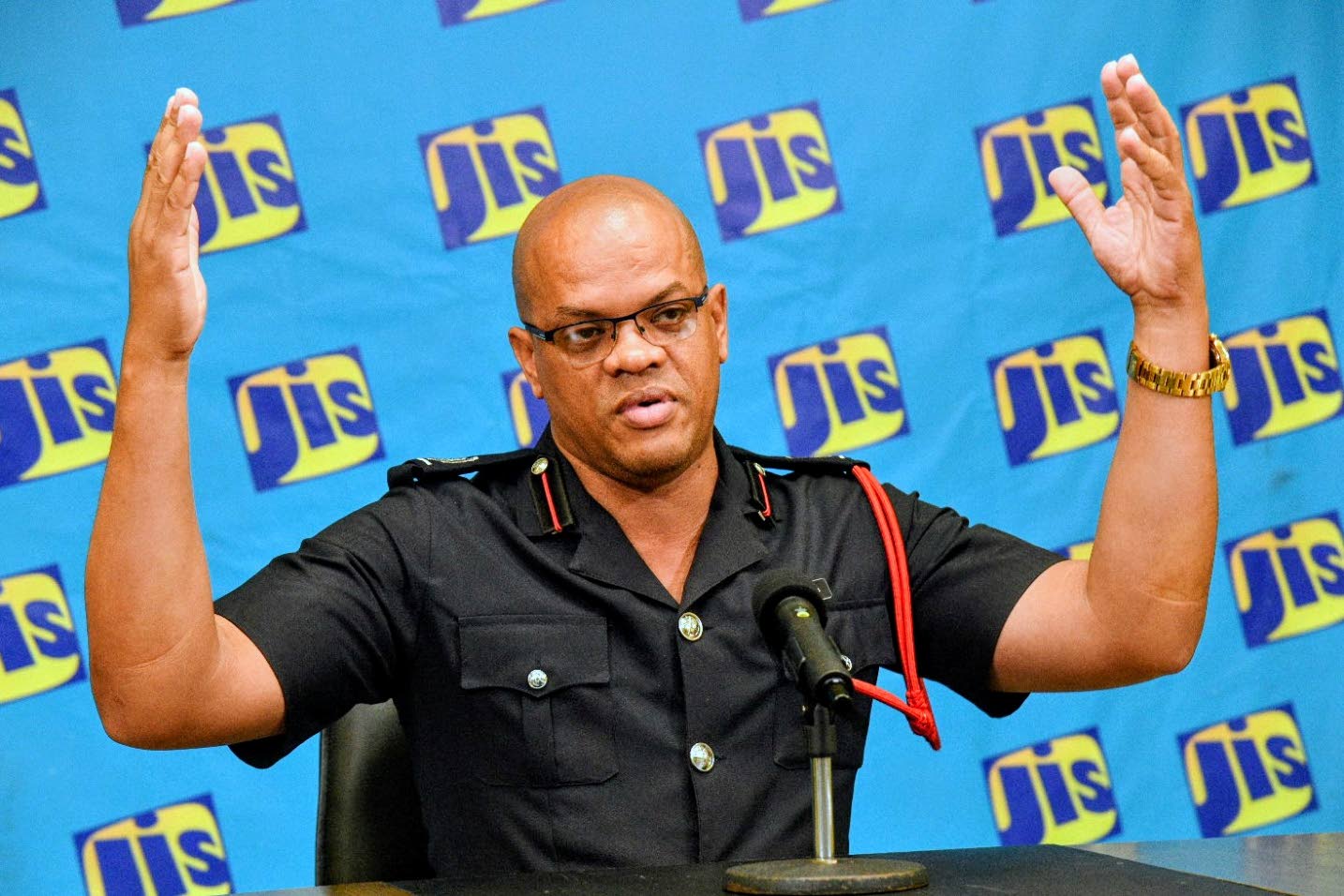
EBANKS… we now have more search and rescue teams trained in the Jamaica Fire Brigade Photo: JIS
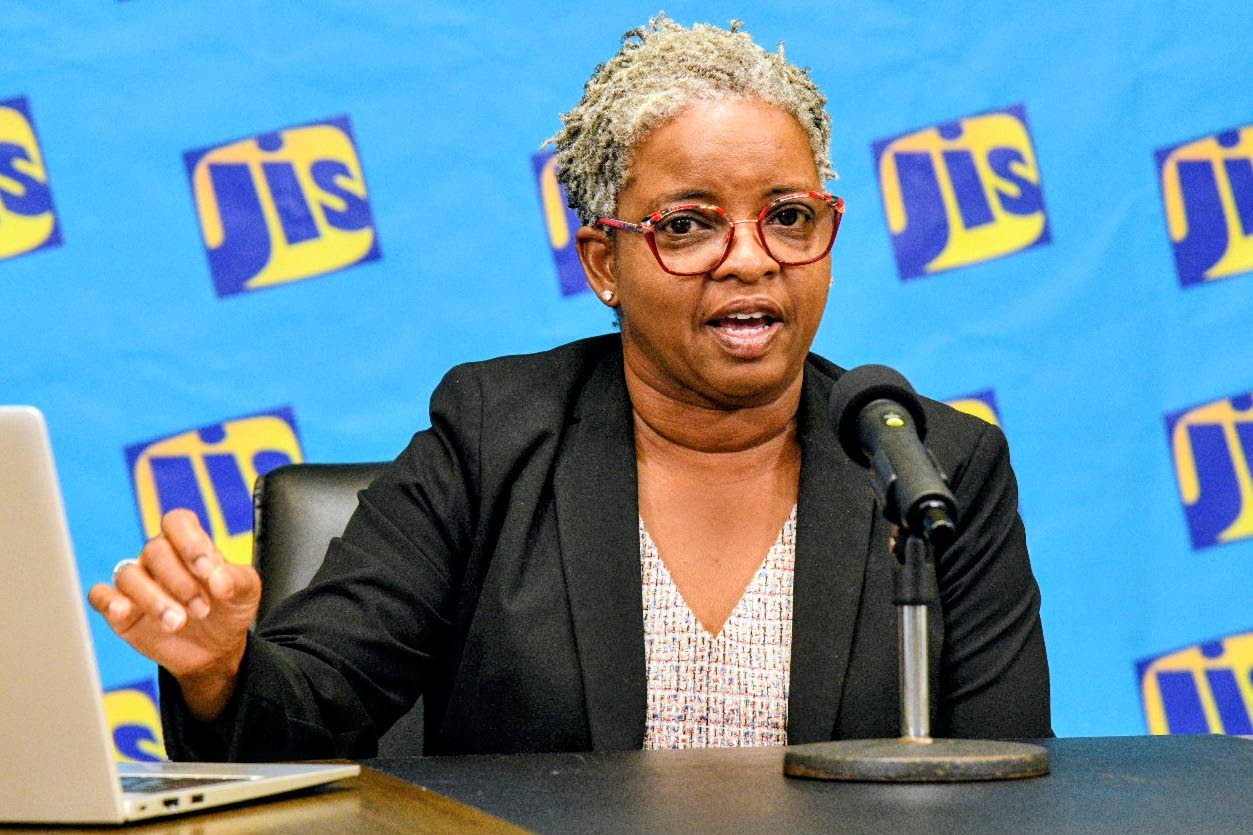
MILLER… we plan for it, we prep it, we have our staff in place and we are trained Photo: JIS
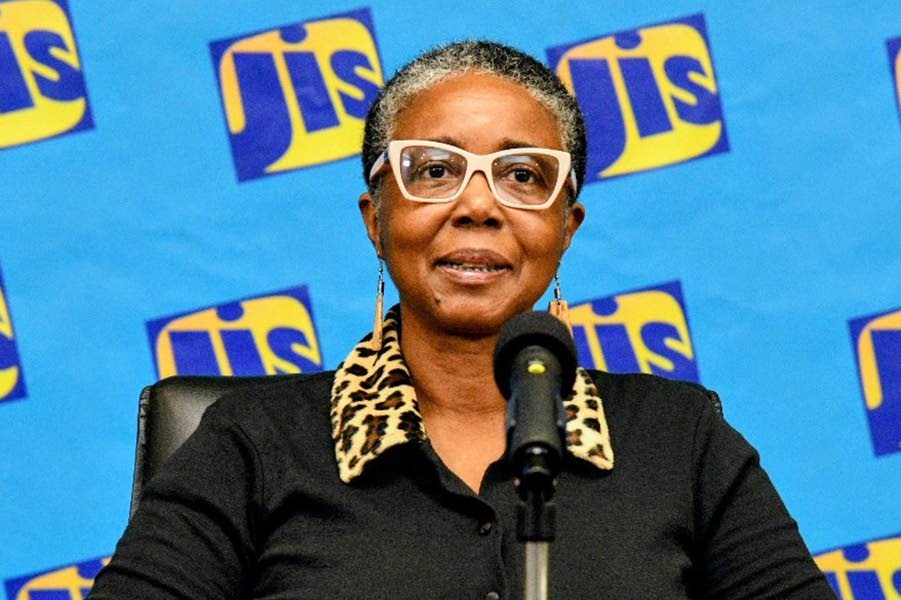
BLACK…. you can tell that all parishes across the island can experience earthquakes Photo: JIS


