



What of the Ministry of National Security’s peace portfolio?
The peace portfolio of the Ministry of National Security and Peace has not yet attracted the kind of public attention that it ought to command and will deserve in the coming months. It is true that it is early days yet, and one can only hope that its significance will be fully grasped as one which commands national importance in building a more peaceful society.
The ministry itself is yet to spell out the full ramifications of what is intended here. But from comments made by Prime Minister Dr Andrew Holness at a national prayer service and other fora, one can begin to see the contours of a philosophical framework emerging that is worthy of attention. The rebranding of the ministry as the Ministry of National Security and Peace signals that it has been given a dual mandate.
Incidentally, this rebranding is not dissimilar to what was done at the Ministry of Health when “wellness” was added to its portfolio. These are not mere appendages or cosmetic changes, they are expected to be subsumed within the ministry and the citizens are to benefit from such inclusion.
In this change, the traditional mandate of security — which involves law enforcement, crime control, and intelligence — remains. But the new shift, which is really not so new, embraces prevention, social cohesion, rehabilitation, and building community resilience around a set of initiatives in a more forthright, intentional, and pragmatic way. The building of community resilience is of particular importance here. It speaks to the fact that building a peaceful environment in which we can live, work, and do business is not just a government responsibility but a joined-up effort between Government and the citizenry. The sustainability of peaceful communities cannot be the work of Government alone, no matter how much capital is thrown at it.
In this new initiative community transformation is of the essence. This will involve the development of our youth and greater accent being placed on restorative and reparative justice as we seek to rehabilitate individuals who have run afoul of the law and do the difficult task of reintegrating them in society. Here violence prevention has to be key if we are going to have social stability. This new initiative is certainly an admission and affirmation that the traditional methods of policing our way out of our difficulties by harsh, suppressive measures have run their course and are, in fact, on life support.
As a joined-up, collaborative effort with the citizens in community, partnership with civil society groups will be important. The work of the Church in this collaborative effort must be optimal. There is no other institution that is more embedded and cemented in the minds of people in communities across Jamaica than the Church is. As community-based organisations they can fulfil important functions in counselling, parenting, and building self-esteem in the communities in which they function.
This column has long argued that the Government, in collaboration with the churches, should seek to train a cadre of social workers and other counsellors who could be deployed throughout our communities with specific tasks for home and family interventions, conflict resolutions, and a host of other difficulties plaguing interpersonal relationships. Emphasis has to be placed on domestic disputes, which are a major contributor to the murder statistics we have experienced in recent years. All of this has to be intentional and certainly devoid of political considerations. Government budgets must be allocated to this task and carefully managed. It is standard fare for politicians to talk a lot about the role of the churches in efforts like these and yet do nothing tangible to indicate that such talk is more than just glib utterances intended to win votes.
So the real rub is whether this new initiative will be a mere dream of the political directorate or whether it is something that will be given purpose to really transform lives. The peace initiative will involve a lot of hard work. On the surface it appears to be an important one that can be transformative. But social transformation of the kind anticipated here does not come easily, which is why they tend to be abandoned when the going gets rough.
Social mores and cultural thinking harboured over many years do not change easily or because you wish them to. It takes hard work, patience, and persistence, with humility. The Government is on to something important here, which could be even revolutionary. It must be congratulated for putting this intentional emphasis on national security. Only time will tell whether it is an integral part of the ministry that can be taken seriously or whether it is a mere appendage for public relations gimmickry.
Dr Raulston Nembhard is a priest, social commentator, and author of the books Finding Peace in the Midst of Life’s Storms; Your Self-esteem Guide to a Better Life; and Beyond Petulance: Republican Politics and the Future of America. He hosts a podcast — Mango Tree Dialogues — on his YouTube channel. Send comments to the Jamaica Observer or stead6655@aol.com.
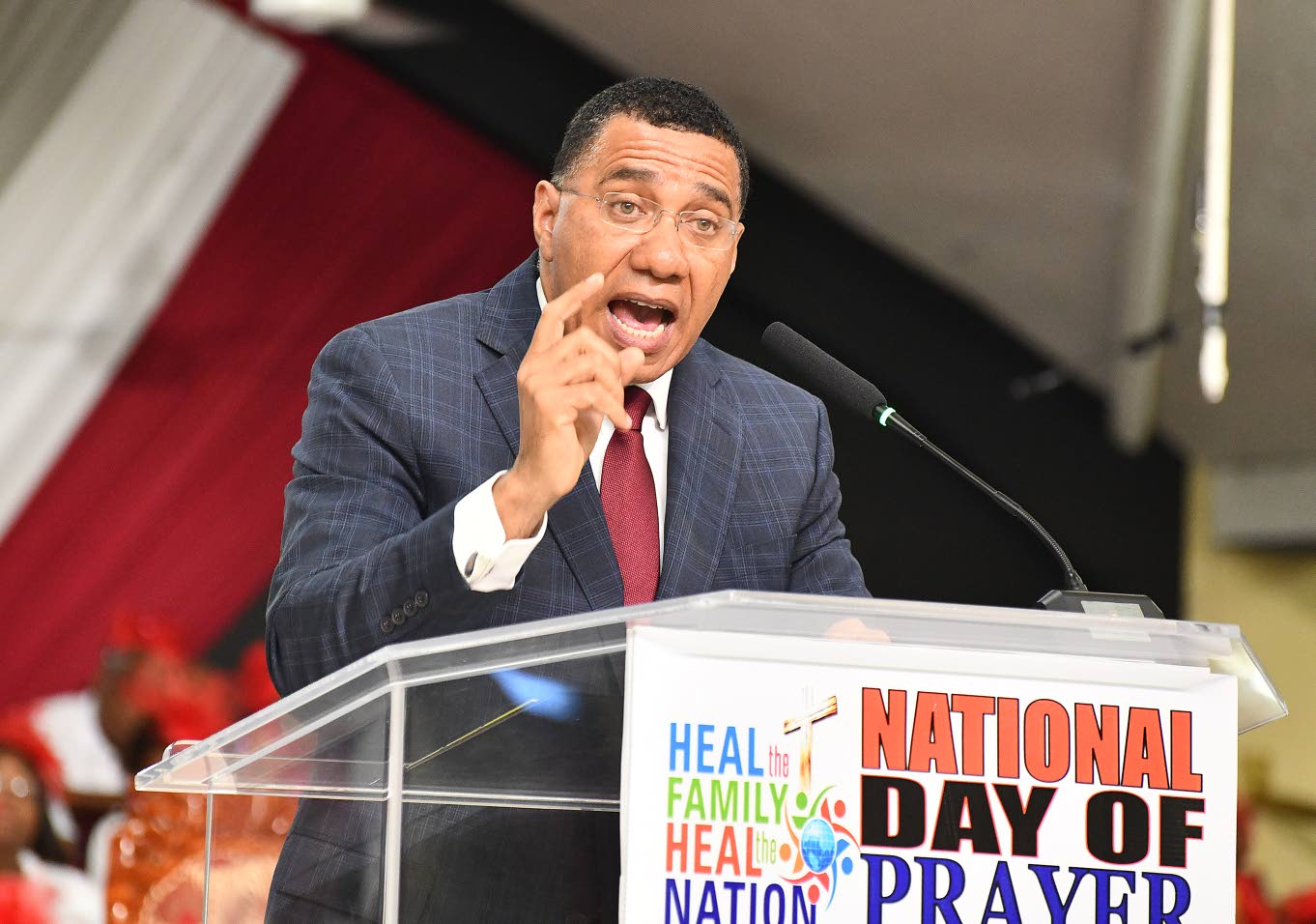
Dr Andrew Holness (Photo: Naphtali Junior)
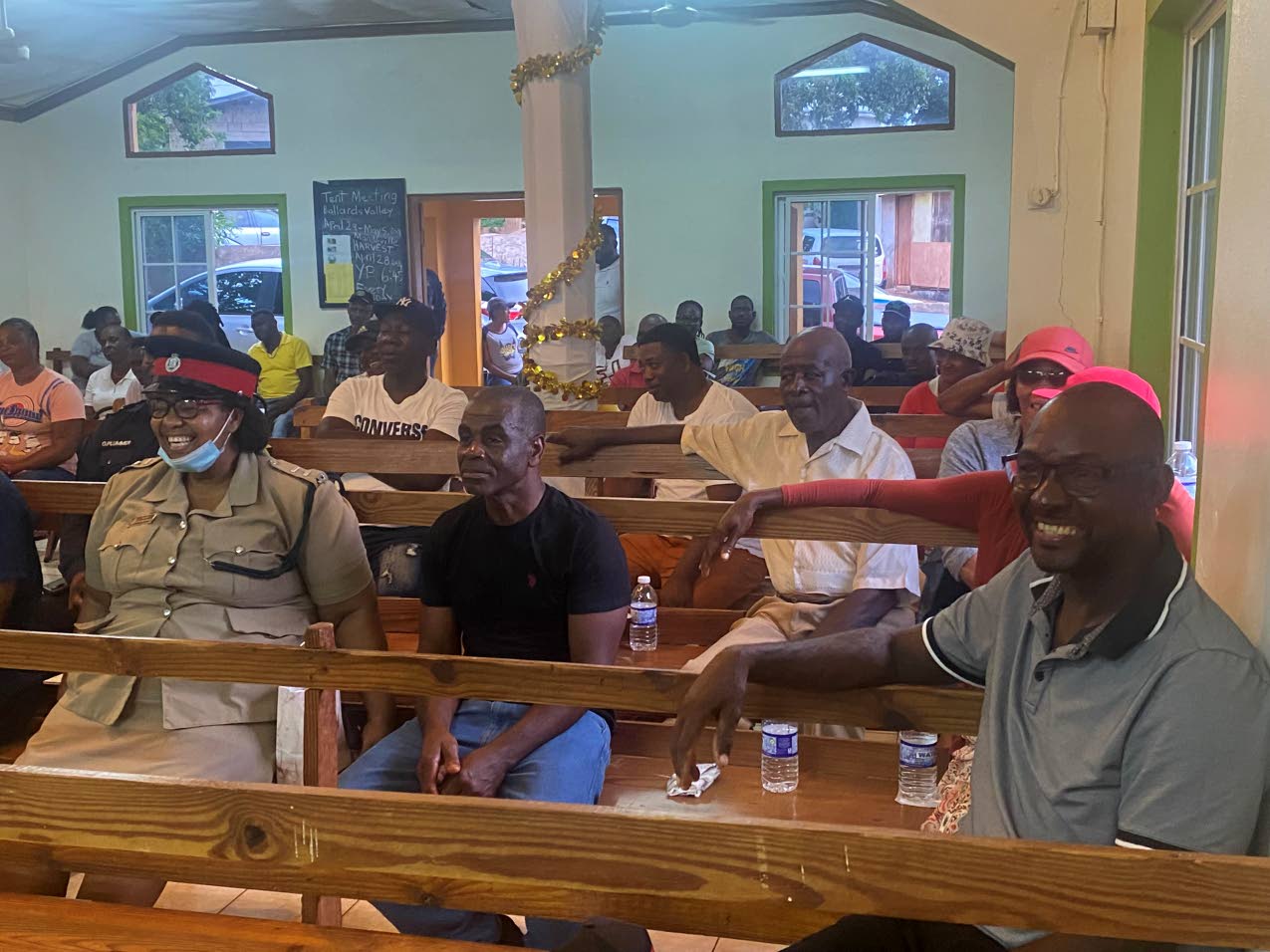
The sustainability of peaceful communities cannot be the work of Government alone. (Photo: Kasey Williams)
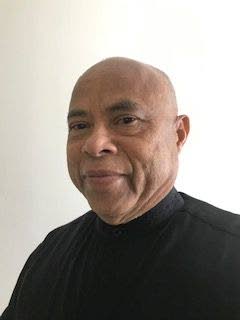
Raulston Nembhard


