



Savouring Salta’s High Altitude Wines
At 2,000 metres above sea level, the air tastes pure and sharp as the sun rises in the Calchaqui Valleys, bathing its sprawling landscapes in hues of tangerine and lilac. Here the world begins at high altitude, where earth and atmosphere shape not only the grapes but the spirit of place. At first light, the wind carries a scent of dry earth warmed by daybreak, a blend of sunbaked mineral and sky that feels elemental to the skin. Vines line the terraces in quiet precision, their leaves edged by frost from the night before and already warmed by a sun that climbs fast at these elevations.
Long before vine cuttings arrived from Europe in the late 16th century, geological time carved this landscape with glacial pressure and tectonic upheaval. The Calchaquí Valleys in the Salta province of Argentina sit nestled between branches of the Andes, their soils a mosaic of granite, limestone, sand, and ancient fluvial deposits. Altitudes rise and fall in dramatic steps, defining microclimates that vary by hundreds of metres over short distances. Summer days bring intense radiation that energises photosynthesis; nights collapse into cold, crystalline calm that preserve acidity. Rainfall remains sparse and seasonal, concentrated in January and February, leaving the land otherwise dry and luminous.
Indigenous Diaguita Calchaquí communities, who have lived here for centuries prior to colonial contact, understood these rhythms deeply. They built terraced agriculture that respected slope, managed scarce water, and honoured earth as lineage, integrating sun, soil, and crop in ways that resonate today in how vineyards shape practices and presence. The Spanish brought the vine in 1585, following conquest and settlement, and with it a new agricultural paradigm. Jesuit missionaries established early vineyards not for commerce but for sacramental use, integrating irrigation networks and agricultural knowledge learned from local hands.
With the expulsion of the Jesuits in 1767, lands transferred into criollo estates, yet wine remained largely a domestic affair, tied to table and ceremony rather than market ambition. Waves of European immigrants in the late nineteenth and early twentieth centuries, principally from Spain and Italy, introduced structured cellar approaches, grafting old-world techniques onto new-world potential. They expanded plantings and refined vinification, but Salta remained a region apart: Lofty, remote, defined by its high plains and deep valleys. Rail links to Buenos Aires improved connection yet could never erase the sense of altitude or isolation. Wine here evolved not as commodity but as cultural expression, seeded in familial kitchens, harvest festivals, and the everyday rituals of hospitality.
That conviction matured into international recognition in the early twenty-first century. As global wine discourse shifted toward terroir distinction, freshness, and site expression, Salta’s high altitude vineyards began to stand out. Between 2020 and 2025, producers from the Calchaquí Valleys secured repeated acclaim at prestigious competitions and within influential publications. Wines from this region received honours at the Decanter World Wine Awards; critics from The Wine Advocate and Vinous highlighted the purity and tension in high elevation Torrontés as well as the refined structure in red varietals like Malbec and Cabernet Sauvignon. Export demand grew across North America, Europe, and select Asian markets, with sommeliers and collectors drawn to Salta’s clarity and intensity. Specialised enotourism guides and global wine media featured Salta with emphasis on its unique physiography and authentic cultural context, underscoring a narrative of place rather than production alone.
Altitude here is not a marketing term but a defining force in vine physiology and wine character. At elevations of two thousand metres and above, solar radiation increases ultraviolet exposure, which thickens grape skins and enhances phenolic complexity. Cool nights slow sugar accumulation, preserving acidity and enabling grapes to reach phenolic maturity with balance rather than overripe weight. Winemakers across Salta speak of the land as collaborator, not canvas describing viticulture shaped by struggle, diurnal range, as well as soil and sky in relentless dialogue. The result is wine with measured alcohol, distinctive aromatic delineation, sculpted structure, and a subtle tension that carries both place and elevation.
Salta’s signature white grape, Torrontés, finds its fullest expression in this crystalline environment. Unlike versions from lower elevations that can skew floral and unstructured, high altitude Torrontés shows a more refined aromatic profile. Tannat, an import from Uruguay, thrives in sun and wind, yielding firm tannins softened by altitude’s cool nights. These wines reflect not a monolithic style but a shared clarity of line and purpose shaped by geography. Several estates exemplify Salta’s contemporary excellence, each contributing distinct articulations of altitude, microclimate, and craft. Thursday Food takes a walk through the vines of these Salta estates with Anetza Concierge as we present some of their finest, award-winning labels:
Bodega Colomé, operating vineyards planted as early as 1831 and among the highest commercial in the world, bridges historical continuity with rigorous research into high elevation viticulture. Its El Camino Tannat earned for itself a gold medal, scoring 95 points at the 2025 Decanter World Wine Awards (DWWA), while the Estate Torrontés scored 91 points and earned a silver medal. This winery won a total of six medals, among them two bronze, three silvers and a gold.
Bodegas Etchart is the oldest operating winery in the valley and one of the most established in Argentina, embodying Cafayate and its high-altitude wines. Its Single Vineyard Viognier scored 87 points and earned a bronze medal at the DWWA while its Terroir De Altura (high altitude) Torrontés clinched a silver medal after scoring 94 points. The bodega also won an additional 10 medals at the 2025 DWWA: One platinum, three gold, three silvers and three bronze.
Bodega Amalaya, which was established in 2010, is located in the high-altitude plains of the Calchaqui Valley of Salta. It won a total of three medals at the 2025 DWWA and among them were the Blanco De Corte Torrontés-Riesling, a white blend which won a gold medal and scored 95 points. Their red blend, Corte De Origen Malbec-Cabernet Sauvignon-Tannat, scored 89 points and earned a bronze medal while their single varietal Malbec earned a silver medal after scoring 91 points.
Each estate articulates a distinct narrative yet shares a reverence for altitude and land. For the enotourist, Salta’s wine routes unfold with rhythm and reflection. Tastings are conversations, often guided by owners or winemakers themselves, where stories of soil, season, and handcraft take precedence over show. Vineyards sit against open sky rather than overshadowing spectacle; the tempo is unhurried, attentive. Gastronomy in Salta integrates Indigenous ingredients and colonial influences with contemporary sensibilities. Pairings with Salta’s wines emphasize balance and contrast: high altitude Torrontés elevates spice, acidity framing rich textures; structured reds anchor grilled meats and braises with tactile grip. Within this culinary tapestry, Anetza Concierge stands as the premier curator of bespoke wine and gastronomic journeys in Salta. Each experience is conceived with high-touch precision, integrating local producers, intimate meals, and cultural context so that travellers encounter both cuisine and wine as living expressions of place rather than products alone.
Salta stands apart not by spectacle but by integrity with soil that speaks of ancient uplift, vines that know altitude as colleague and people whose history remains woven through grape as well as meal. For those who seek meaning through geography, culture, and craft, this region offers a form of enotourism defined by clarity, contemplation, and depth. Here, amid mountain vastness and luminous air, the act of tasting becomes a practice of remembrance. Salud!

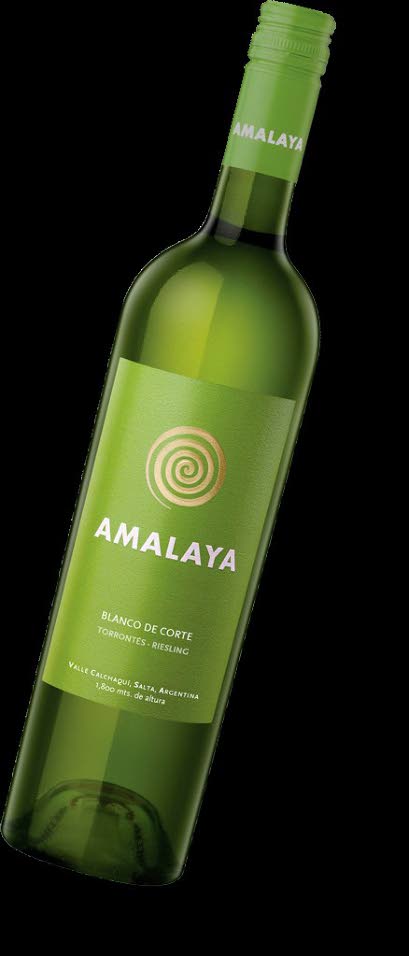
Blanco De Corte Torrontés-Riesling comprises 85 per cent Torrontés and 15 per cent Riesling. (Photo: Bodega Amalaya)
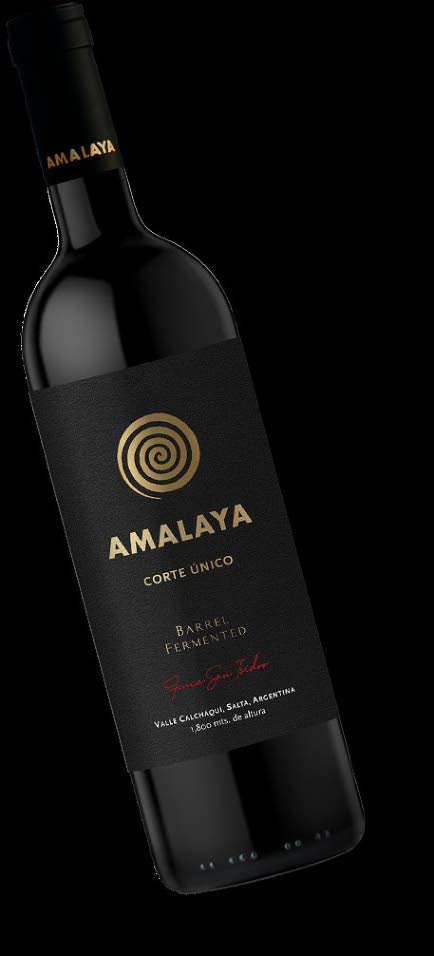
Corte De Origen Malbec-Cabernet Sauvignon-Tannat exhibits aromas of mountain herbs, balsamic tones and black fruits. (Photo: Bodega Amalaya)
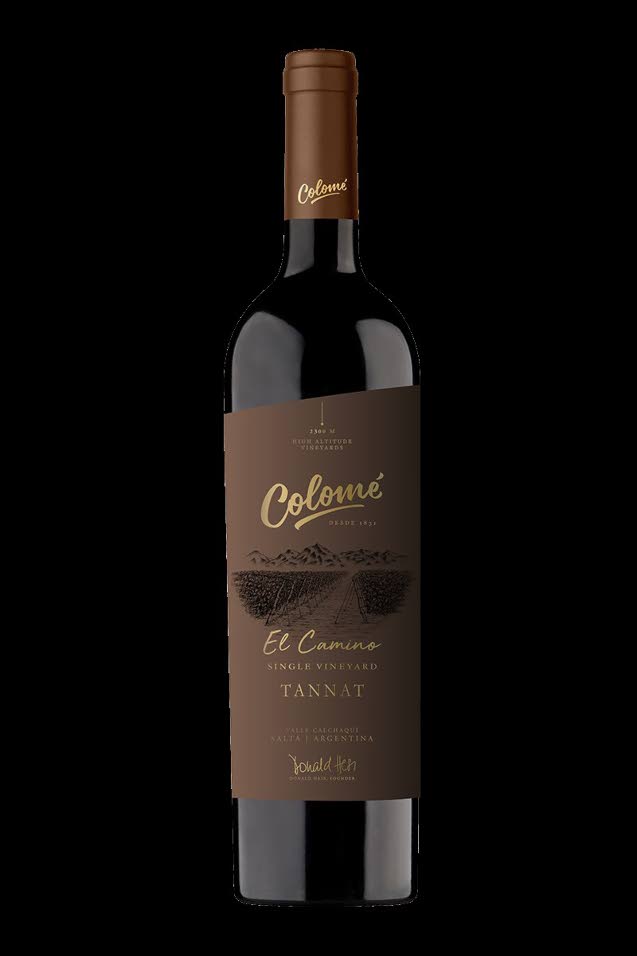
El Camino Tannat is lengthy and sustaining on the palate with a chocolate infusion in its finish. (Photo: Bodega Colomé)
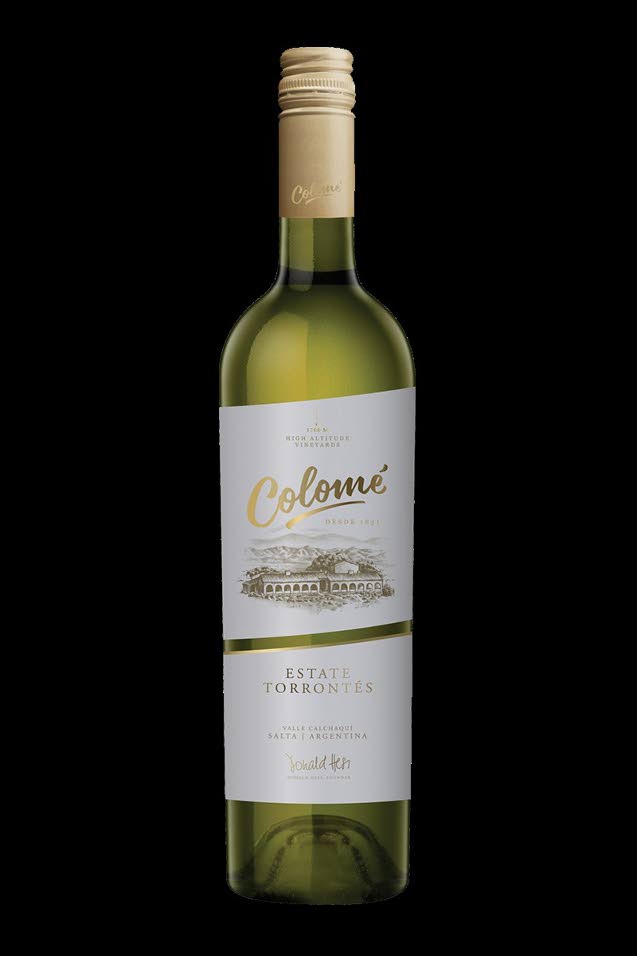
Estate Torrontés is aromatic with a light, floral nose and fuzzy peach skin notes. (Photo: Bodega Colomé)

Pairing regional cheeses with the high altitude wines of Salta is a must-do on your visit to Cafayate, Salta. (Photo: Piattelli Vineyards)
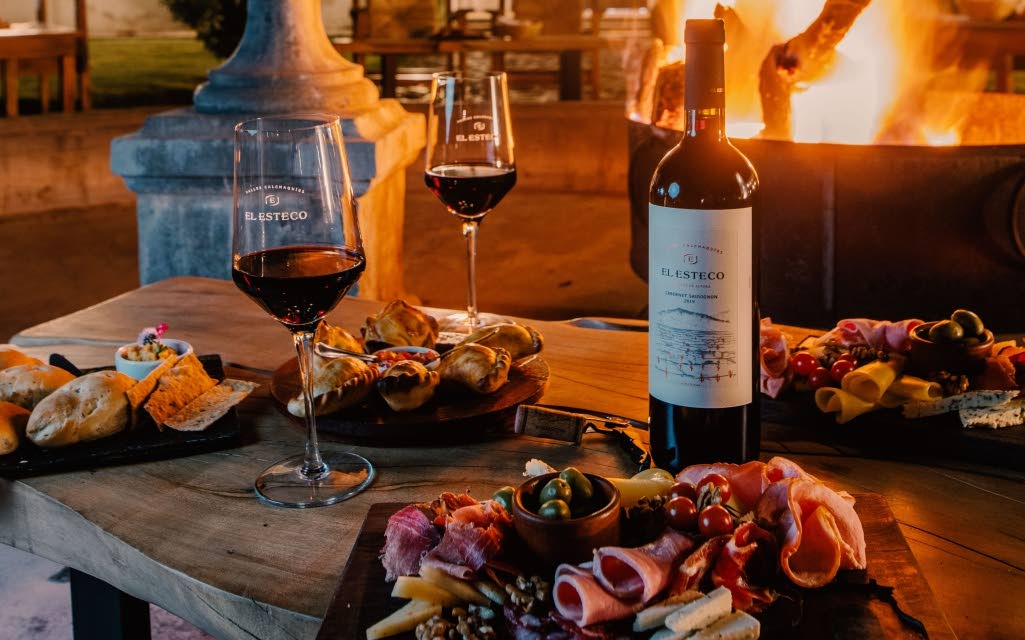
Savoury charcuterie boards and delicious empanadas pair effortlessly with Salta’s high-altitude wines. (Photo: Bodega El Esteco)
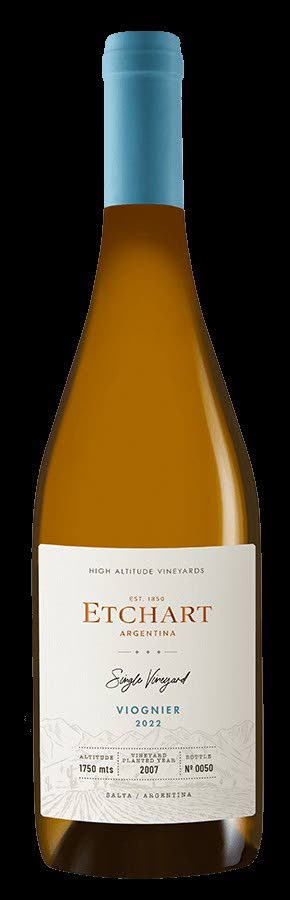
Single Vineyard Viognier is floral on the nose with aromas of crunchy peach, apricots and herbs. (Photo: Bodegas Etchart)
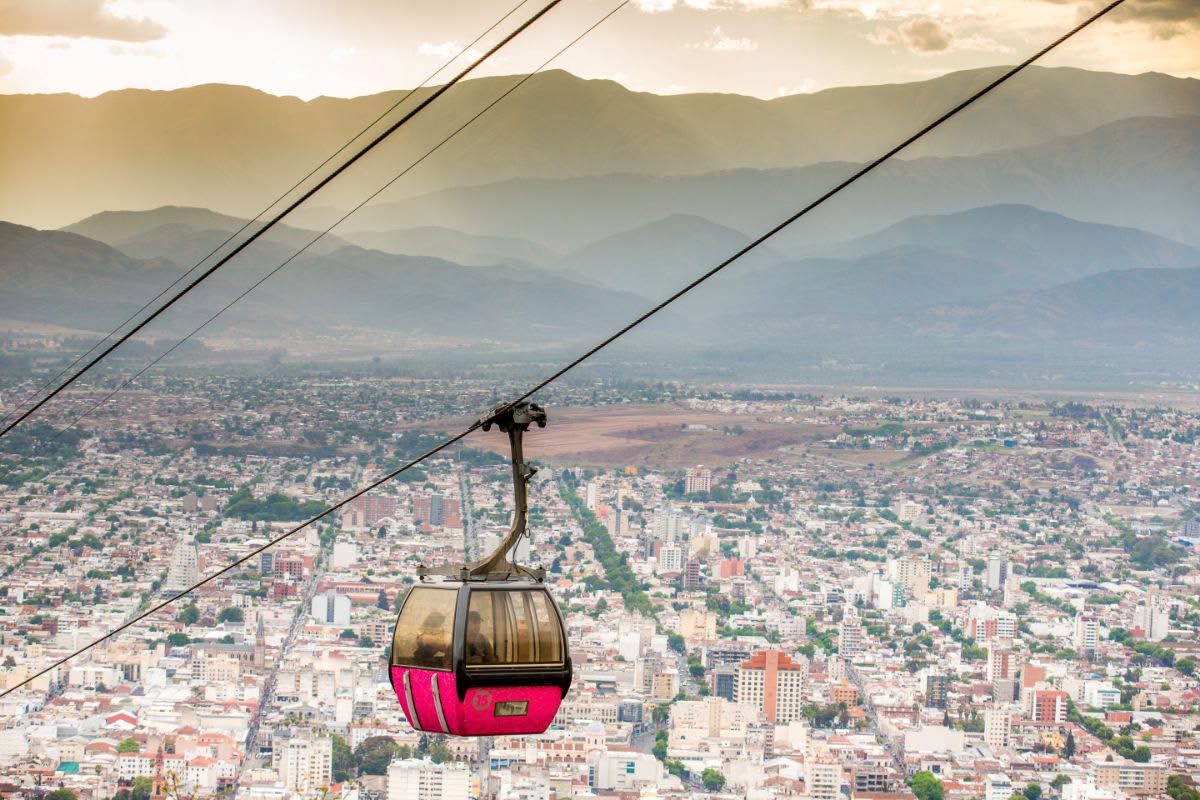
The city of Salta is located in the Lerma Valley, at 1,187 metres above sea level. (Photo: Visit Salta)
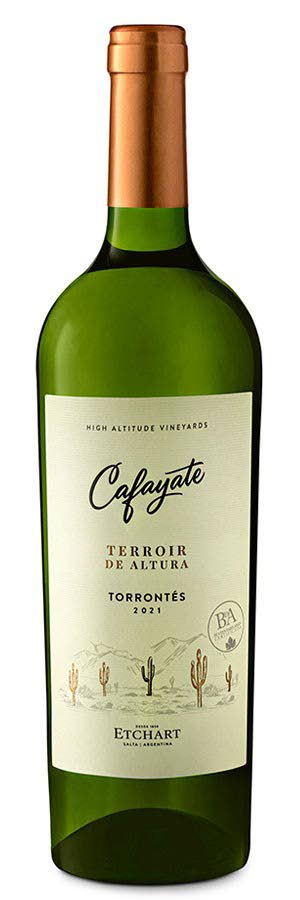
Terroir De Altura Torrontés is a 100 per cent varietal that has a lemony palate, with a crisp acidity and nice texture. (Photo: Bodegas Etchart)


