



Strengthening Caribbean unity and capacity
Dear Editor,
Jamaicans at home and in the Diaspora became frantic when news broke that Washington ordered the suspension of immigrant visas effective January 21, 2026. Jamaica is among 75 countries, including other Caribbean islands such as Barbados and Grenada, that will be affected by this, another seemingly sporadic decision by the Donald Trump Administration.
The US claims that the indefinite halt on immigrant visas is because several citizens from the affected countries have been living off US welfare benefits. Interestingly, but not surprisingly, Guyana and Trinidad and Tobago were not numbered among the restricted countries.
Trump seems to be unstoppable and operating on ‘vibes’. He is very unpredictable and this has caused anxiety not just among Americans, immigrants, and Caribbean citizens, but also among world leaders and business executives. What will he do next?
Given the developments around immigration, security, and trade, it is even more crucial to strengthen Caribbean unity and capacity, which has been somewhat shaky these past months.
Recent developments surrounding Venezuela and the expanding presence of US military forces in the southern Caribbean underscore an urgent reality: Our region cannot afford to remain passive in the face of escalating geopolitical tensions. What happens in and around Venezuela — from US naval operations to diplomatic friction — has direct implications for the security, economy, and sovereignty of Caribbean nations, including Jamaica. Yet several Caribbean Community (Caricom) leaders have been silent or very careful in how they comment on the issue. But what can they say when the Caribbean is dependent on other countries to move ahead? If they speak out of turn, they are likely to face sanctions. Former Prime Minister Bruce Golding is among the very few people to express a public opinion.
While the stated purpose of increased US military activity is to combat drug trafficking and enhance regional security — which turns out to be about Venezuelan oil — the scale and scope of these operations have raised concerns among regional actors and global bodies alike. The United Nations has repeatedly emphasised the importance of restraint and adherence to international law, recognising that military actions intended to address transnational crime must be conducted within legal bounds and with respect for human rights. For their part, Caricom leaders have publicly, yet cautiously and diplomatically, called for peaceful dialogue and urged that any military action be coordinated with the countries in the region, highlighting the need to monitor multifaceted impacts on economic activity and citizen safety.
In this context, the imperative for greater regional capacity and unity could not be clearer. A fragmented regional posture weakens our collective ability to safeguard sovereignty, manage external pressures, or effectively influence diplomatic outcomes. Historically, Caricom has worked to position the Caribbean as a zone of peace, seeking to resolve disagreements through diplomacy and collective action rather than force. This tradition — rooted in respect for international law — must continue to guide our response to external geopolitical stressors.
Strengthening Caribbean unity means more than issuing statements. It calls for actionable commitments:
1) Enhanced regional diplomatic coordination to ensure that Caribbean perspectives are clearly articulated in forums like the United Nations and the Organisation of American States.
2) Investment in regional security frameworks, enabling Caribbean states to monitor and respond to transnational threats with cooperation rather than external reliance.
3) Building economic resilience, particularly in tourism, trade, and energy sectors, so that our economies are not unduly affected by regional instability.
4) Support for conflict mediation efforts, including offering the Caribbean as a neutral intermediary between larger powers when feasible.
Unity should also extend to development of shared security and disaster response mechanisms so that events such as increased militarisation, airspace restrictions, or cargo disruptions — all likely spillovers from a Caribbean proximate to Venezuela’s crisis — do not catch our nations unprepared. These mechanisms must be designed to reinforce the sovereignty and agency of Caribbean states.
Ultimately, Caribbean unity and capacity-building are not merely defensive strategies, they are proactive investments in our region’s future. By speaking and acting together, we can help ensure that our communities are protected, that peaceful dialogue prevails, and that the Caribbean remains a zone of peace, cooperation, and prosperity.
While the Caribbean may consist of several small island developing states (SIDS), Caricom should ensure that the region becomes a place where citizens can thrive. Caribbean nationals do not always have to migrate to “big foreign” for them to realise their ambitions. Even though I value travel and new experiences, the Caribbean should ensure that it builds a sustainable future for its youth so they can flourish at home.
Oneil Madden
maddenoniel@yahoo.com
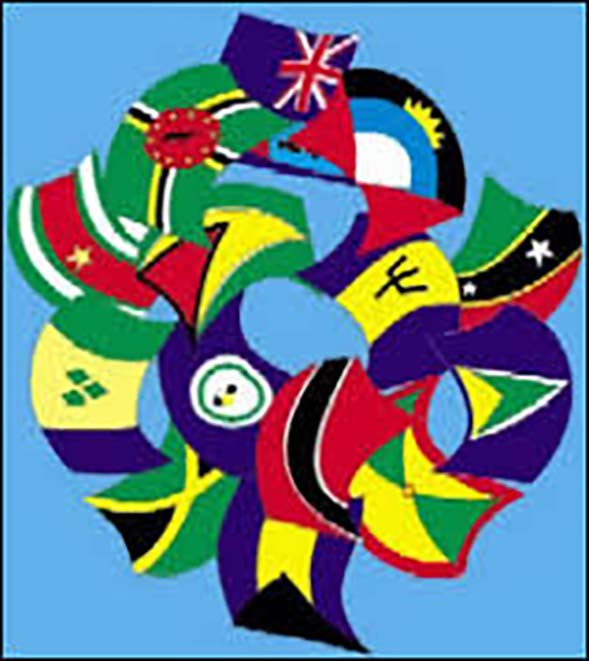
The Caribbean region cannot afford to remain passive in the face of escalating geopolitical tensions.
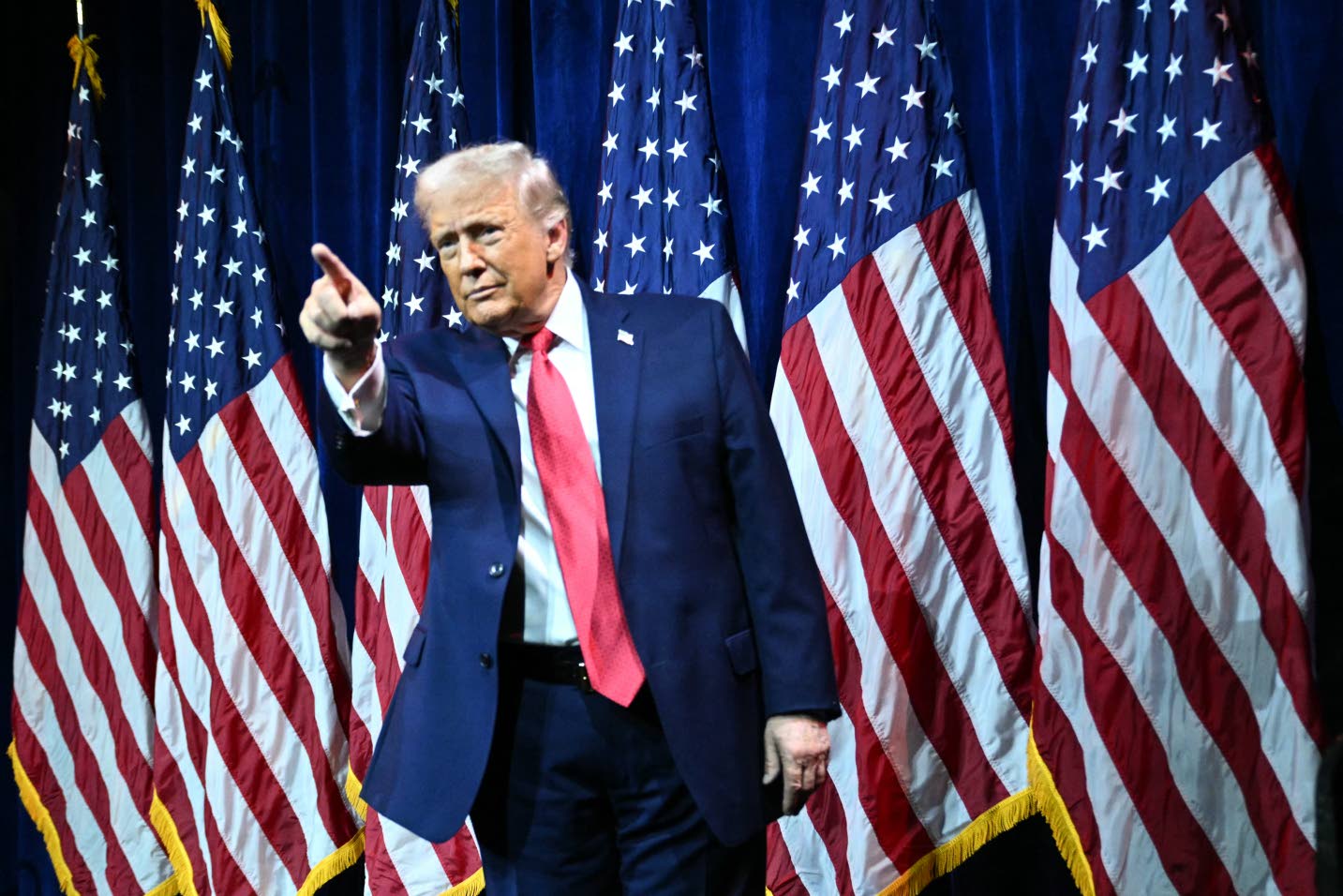
Donald Trump (Photo: AFP)


