



Female representation still below par in renewable energy workforce — IRENA report
Despite steady growth in renewable energy jobs worldwide, women remain significantly under-represented across the sector, particularly in technical and leadership roles, findings from the 2025 International Renewable Energy Agency (IRENA) report have revealed.
The imbalance, which mirrors broader inequalities in the global economy, highlights persistent structural barriers that continue to limit women’s full participation in the energy transition, the agency said.
According to the recent report, women now account for 32 per cent of full-time jobs in the renewable energy industry.
“This is higher than in oil and gas at 23 per cent or nuclear energy at 25 per cent, showing that renewables are comparatively more inclusive. However, it is still far below the global workforce average of 43.4 per cent,” the report noted.
The data further revealing a clear segmentation of gender roles showed that nearly 45 per cent of women employed in renewables work in administrative positions, while 36 per cent occupy non-STEM technical roles such as legal and regulatory functions. Conversely, women also make up only 28 per cent of STEM-related positions, including engineers, data scientists and technical specialists, and just 22 per cent of medium-skilled roles such as solar installation and construction.
Women’s representation declined further at senior levels, as they also hold some 26 per cent of middle management positions and only 19 per cent of senior management or board level roles.
“This imbalance illustrates the persistence of glass-ceiling that limit’s women’s influence on strategic and technical aspects of the energy transition,” the report stated.
The under-representation of women not entirely due to a lack of interest or capability, but rather to systemic barriers that emerge throughout education and career pathways, the report said continues to be shaped by a number of workplace, societal and some cultural dynamics.
With workplace dynamics cited as the most significant barrier, issues surrounding bias in recruitment and poor workplace policies that are insufficiently family friendly, stands among the greatest challenges. On the other hand, societal expectations flagged as the second-most prominent set of obstacles shows caregiving roles, gender stereotypes and legal restrictions in some regions as other factors limiting women’s participation.
In response to this, the report, however, highlighted progress in cultural norms, supportive legal reforms and the growing visibility of female role models as important drivers of change. Strengthening girls’ education, broadening engagement in STEM fields and expanding mentorship opportunities were also identified as critical to nurturing the next generation of women leaders in renewable energy.
“By investing in inclusive workplaces, reforming societal norms and expanding academic opportunities, the renewable energy sector can turn today’s challenges into tomorrow’s solutions,” IRENA said as it also called on both public and private sector decision-makers to promote inclusive policies, education and better visibility for women.
Across the region, the agency noted that countries seeking to maximise the economic and social benefits of the energy transition must place inclusivity at the centre of their strategies. Within this mix, governments, employers and educational institutions, it said, will all have a role to play in breaking down structural barriers. Additionally, civil society organisations, women’s networks and trade unions were equally named as critical actors in advocating for fair workplace policies, accountability and equal access to opportunities.
The findings contained in the 12th edition of IRENA’s 2025 Annual Review, developed in collaboration with the International Labour Organization (ILO), comes as renewable energy employment reaches a historic high, with at least 16.6 million people directly or indirectly employed in the sector worldwide in 2024.
As energy transition enters a new phase characterised by automation, artificial intelligence and large-scale deployment, job profiles and skills requirements are evolving rapidly. In this context, closing the gender gap in renewable energy therefore becomes not only a matter of equity, but a strategic necessity that will shape the resilience, fairness and sustainability of future energy systems.
“A just transition to a renewables-based future must be grounded in inclusion, dignity and equal opportunity,” director general of ILO Gilbert F Houngbo said.
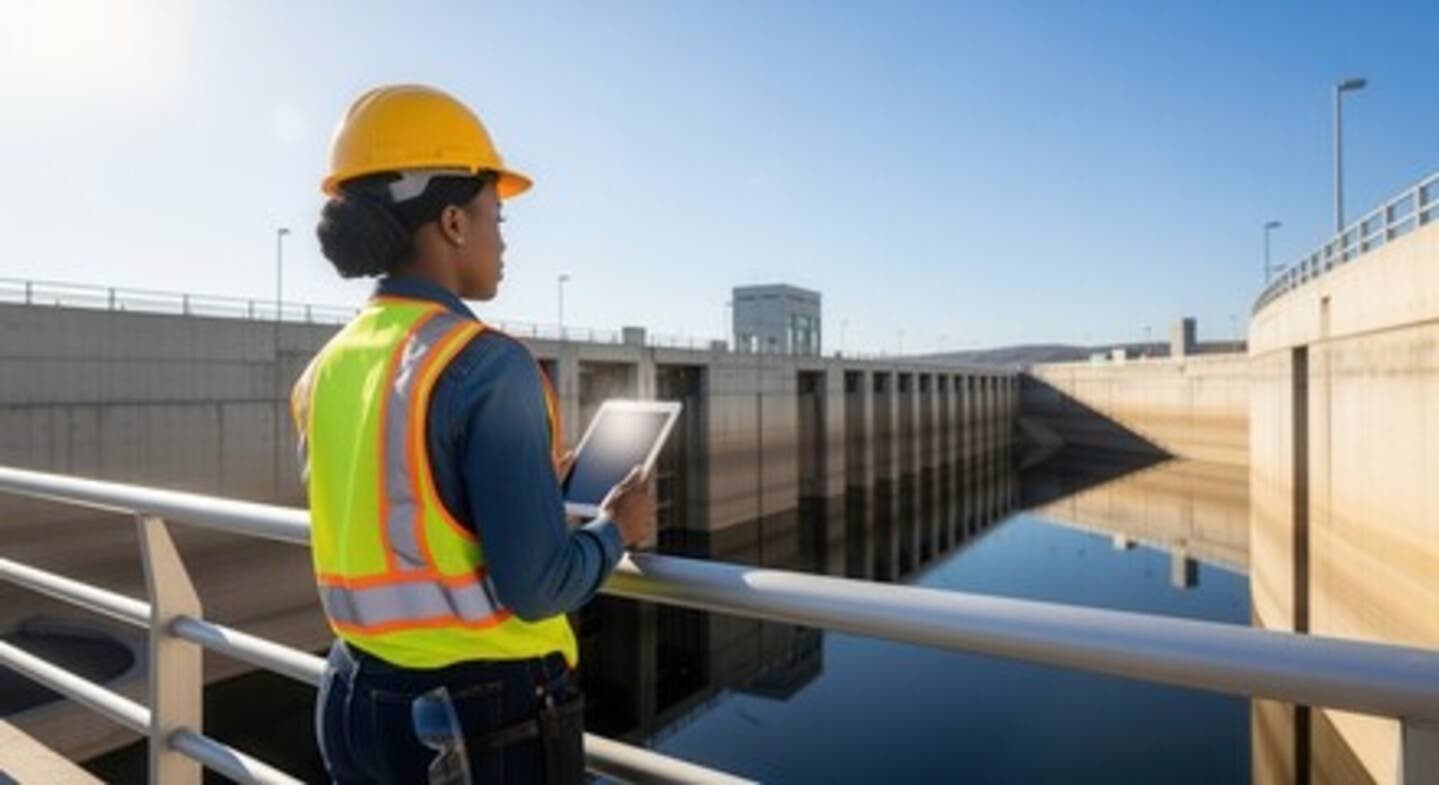
Women hold just 32% of renewable energy jobs globally, per IRENA’s 2025 report, with stark underrepresentation in STEM and leadership roles amid the sector’s record 16.6 million jobs.


