



‘We have women’s support!’
World Athletics boss defends women’s 100m schedule for LA 2028
DESPITE pushback over the scheduling of the women’s 100m at the 2028 Los Angeles Olympics, World Athletics President Sebastian Coe has rejected suggestions of disrespect, saying the decision was endorsed by the athletes.
In November the world governing body announced that, for the first time at a major global championship, all rounds of the women’s 100m at the Summer Games will be contested on a single day instead of the traditional two-day schedule in which the heats are run on one day followed by the semi-finals and final on the next.
It’s one of many changes to the athletics schedule which, also for the first time, will run for the entirety of the Olympics from July 15 to 30.
Coe, who recently left Jamaica following a four-day visit, says a shift in the logistics of the American city ultimately led to the schedule change.
“There were some challenges in the timetable in Los Angeles and that actually gave us the opportunity of having athletics going first this time — for the very first time, I think, in pretty much the modern history of the Games — and that’s really around venue allocation,” he said.
Winner Jamaica’s Elaine Thompson-Herah (centre) poses with compatriots, second-placed Shelly-Ann Fraser-Pryce (left) and third-placed Shericka Jackson after the women’s 100m final during the Tokyo 2020 Olympic Games at the Olympic Stadium in Japan on July 31, 2021. Photo: AFP
“SoFi is the opening ceremony stadium but it also then has swimming so I understand why the [LA Memorial] Coliseum, which has been the opening ceremony scenes for the last two Games, 1932 and 1984, was not available, so athletics goes first. We then had the opportunity to make sure that athletics was showcased on the very first day. I think that that was an opportunity the whole of my council — the 26 members — universally wanted.”
With the women’s 100m representing the most high-profile change, Jamaica’s athletes — who have qualified for the final at every Olympics since 1984 and won 16 medals including four gold — are likely to contest three rounds in less than 12 hours.
Founder and coach at MVP Track and Field Club Stephen Francis, who guided Shelly-Ann Fraser-Pryce, Elaine Thompson-Herah, Shericka Jackson and Sherone Simpson to medals in the event, said the scheduling was “anti-female”, and said World Athletics “don’t have the guts” to stand up to the host city.
Glen Mills, Racers Track Club founder and former coach of the world’s fastest man Usain Bolt, said the schedule “sends the wrong message”, and said the women are “being sacrificed for whatever the objective is”.
COE… the overwhelming majority of the female 100m runners were comfortable about doing the three rounds in the day (Photo: Naphtali Junior)
However, Coe says the world’s best in the event and their coaches embraced the idea and do not view it as a negative.
“We spoke to all the top 100m athletes in detailed engagement. We have the exchanges, the
WhatsApps, the written verification — particularly amongst their coaches,” he said. “The overwhelming majority of the female 100m runners were comfortable about doing the three rounds in the day, were equally excited about being the first major medal of the Games, and [don’t see it] as being working against the interests of women’s athletics.”
Coe dismissed suggestions that the men’s sprinters were being afforded greater protection than the women.
“We think that, that actually is a very powerful message, and many of the athletes that we spoke to overwhelmingly supported that. So, this isn’t about finding an opportunity to protect the men and just put the women out there first. They were absolutely engaged with it,” he said.
“We actually also engaged with the men, and the men were more reticent about doing all that in one day. It was the women and their coaches that were comfortable around that.”
There have also been concerns that performances could suffer under a single-day workload. Maurice Wilson, Jamaica’s technical leader at the 2012, 2016, 2021 and 2024 Olympics, told the
Jamaica Observer that “it is not necessarily in the best interest of the athlete from a performance standpoint”.
The last three Olympic champions, including Thompson-Herah, have all run faster than 10.73 seconds. Since the 2012 Olympics, 25 of the 32 women who have contested the final have run sub 11 seconds.
Following various conversations, Coe says he’s confident the high level sprinting from the women will continue.
“We’ve given slightly longer, we’ve given a longer period between the semi and the final,” he said. “We had 20 individual discussions with athletes at the very highest level of the 100m, and their coaches, and their backroom teams, and I think 17 of those that we discussed it with were comfortable about it. Many of the coaches said that it was perfectly manageable, and we took very much a lead from that.”
The World Athletics boss hasn’t ruled out reverting to the old schedule if it’s unsuccessful.
“This is not a set format. It may well be when we get to Brisbane [2032] we look at something different. But if it works, and the women are comfortable with that, then it may well be that we will follow their lead.”
The move has been publicly approved by America’s Olympic champion Sha’Carri Richardson and Great Britain’s three-time Olympic medallist Dina Asher-Smith.
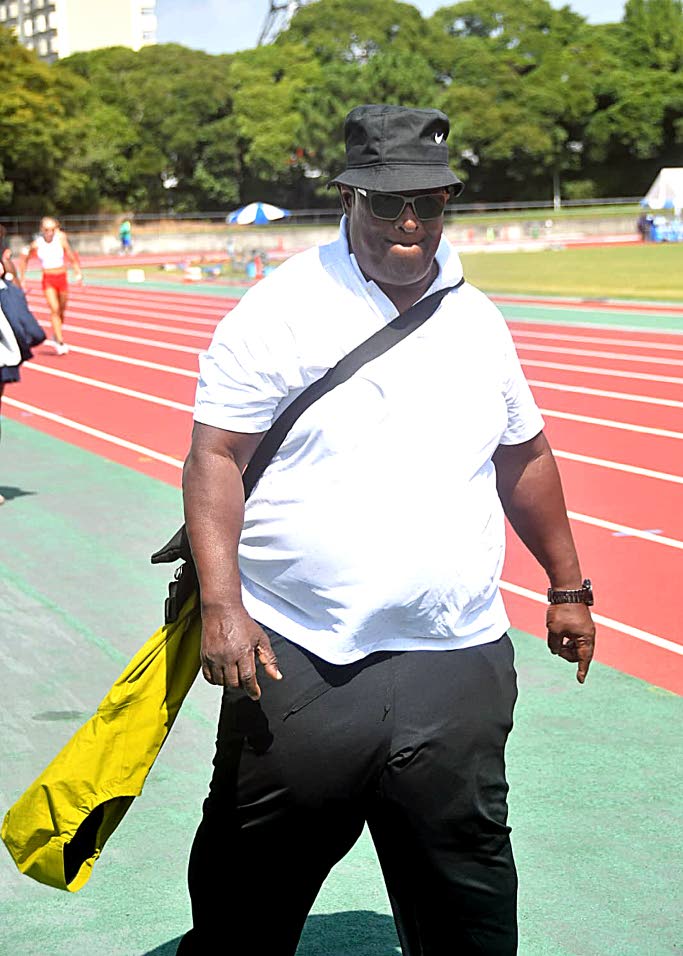
Stephen Francis of MVP Track ClubPhoto: Garfield Robinson
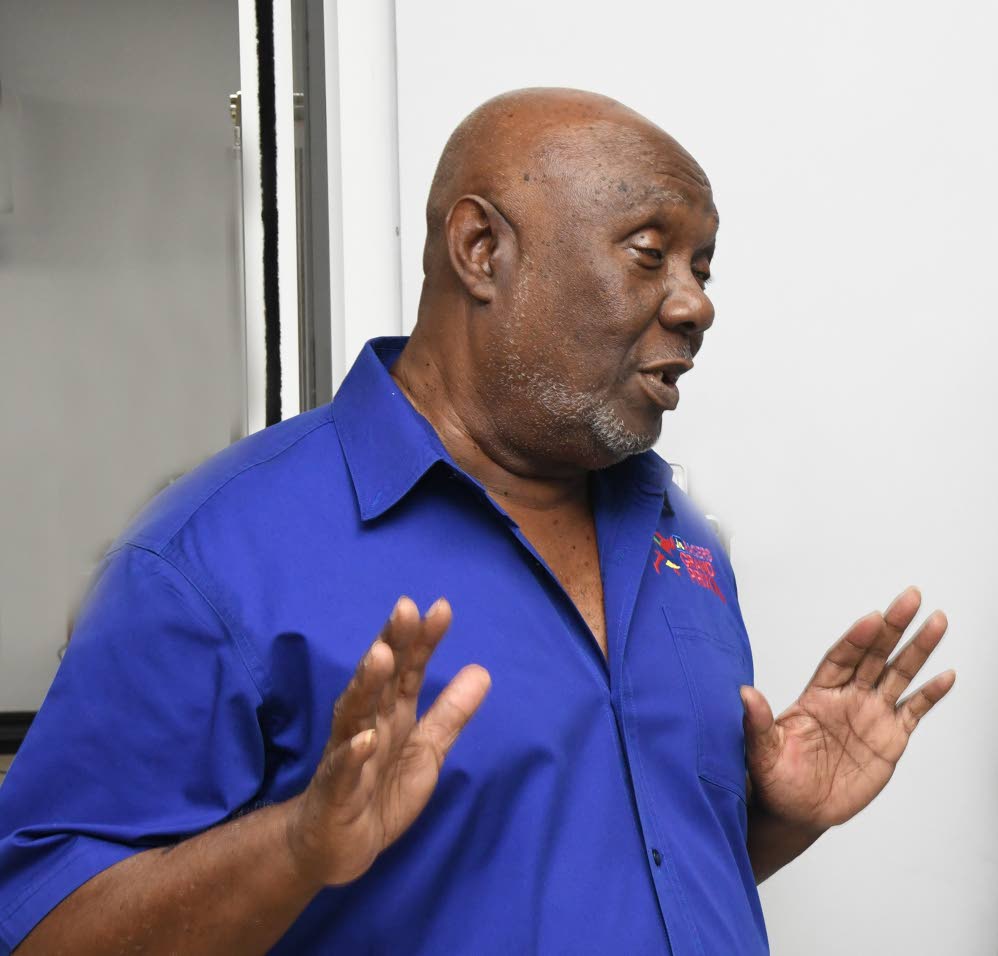
Glen Mills of Racers Track Club Photo: Joseph Wellington

World Athletics President Sebastian Coe speaks during a press conference at the Jamaica Athletics Administrative Association headquarters in St Andrew on Wednesday, January 7, 2026. Photo: Naphtali Junior


