



New Year, Safer Kitchen
While the Christmas holidays are a time for indulgence, the aftermath can be risky if leftover food and kitchen hygiene are neglected. This new year, it’s the perfect opportunity to reset food safety habits and start 2026 with a clean, safe, and healthy kitchen.
Cleaning and Sanitising the Fridge
After weeks of holiday meals, refrigerators often contain a mixture of old leftovers, forgotten condiments, and expired dairy products. Experts advise a thorough fridge clean-up as the first step toward a safer kitchen. Start by removing all food items and checking expiration dates. Discard anything that has gone past its prime or has an unusual smell or appearance.
Next, clean shelves, drawers, and door compartments with warm, soapy water. For extra protection against bacteria, use a mild sanitiser or a solution of one tablespoon of unscented bleach per gallon of water. Allow surfaces to air-dry before returning food. Regularly cleaning the fridge not only prevents foodborne illnesses but also helps organise your kitchen, making it easier to see what you have and reduce waste.
Checking Temperatures
A clean fridge is only part of the solution. Ensuring that your refrigerator maintains a safe temperature is equally critical. The US Food and Drug Administration recommends that refrigerators stay at or below 40°F (4°C) and freezers at 0°F (-18°C).
Consider investing in a fridge thermometer if you don’t already have one. These simple devices allow you to monitor temperatures at a glance and prevent situations where food might be stored at unsafe levels, fostering bacterial growth that can lead to food poisoning.
Replacing Worn Cutting Boards and Sponges
During holiday cooking marathons, kitchen tools can suffer wear and tear. Cutting boards may develop deep grooves that trap bacteria, while sponges become a breeding ground for germs. Experts recommend replacing heavily used or damaged cutting boards and rotating sponges regularly.
Plastic or composite cutting boards can be cleaned in the dishwasher, which sanitises them effectively. Wooden boards require thorough hand washing with hot, soapy water and periodic application of food-grade mineral oil to maintain their integrity. Sponges should be disinfected daily, either by microwaving them damp for one minute or soaking them in a mild bleach solution, and replaced frequently.
Discarding Expired Leftovers
It’s tempting to hold onto holiday leftovers “just in case”, but doing so can pose serious health risks. Food left at room temperature for more than two hours, or in the fridge beyond recommended storage times, should be discarded. For cooked meats, poultry, and seafood, this is typically three to four days, while cooked vegetables and grains may last slightly longer.
Always label leftovers with the date they were prepared to avoid guesswork. If in doubt, throw it out — it is a small price to pay for avoiding foodborne illness.
Food Safety Resolutions Everyone Should Make
Just as we make personal resolutions for fitness or finances, kitchen safety deserves attention in the new year. Here are essential food safety habits to adopt:
1. Wash Hands Properly Before Food Prep
Handwashing is the cornerstone of food safety. Wash hands with warm water and soap for at least 20 seconds before touching food, after handling raw ingredients, and after any interruptions such as using the bathroom or touching pets.
2. Use a Food Thermometer
Cooking food to the correct internal temperature ensures harmful bacteria are destroyed. For example, poultry should reach 165°F (74°C), ground beef 160°F (71°C), and leftovers reheated to 165°F (74°C).
3. Avoid Cross-Contamination
Keep raw and cooked foods separate, use different cutting boards for meats and vegetables, and always wash utensils and surfaces that have touched raw ingredients.
4. Don’t Leave Food Out Overnight
Perishable foods left at room temperature for extended periods are a breeding ground for bacteria. Refrigerate or freeze leftovers promptly, ideally within two hours of cooking.
5. Regularly Inspect and Maintain Kitchen Tools
From knives to blenders, keeping kitchen tools clean and in good condition reduces contamination risks. Sharp knives are safer, and well-maintained appliances prevent accidents and food spoilage.
Kitchen Myths to Leave Behind in 2026
Some common kitchen “habits” may increase the risk of foodborne illness. As you reset your kitchen this new year, leave these myths behind:
• Smelling food to check if it’s safe – Bacteria and toxins may not produce any odour or visible signs. Never rely on smell alone.
• Reheating food multiple times – Repeatedly heating and cooling food increases bacterial growth. Reheat only what you will consume immediately.
• Washing raw chicken – Rinsing poultry can spread harmful bacteria around the kitchen. Cooking to the correct temperature is sufficient.
• Leaving food out to ‘cool down’ – Food should be refrigerated promptly. Large portions can be divided into smaller containers to cool safely.
A Healthier Start to the Year
Resetting your kitchen habits this new year is more than just tidying up; it’s an investment in your family’s health. By cleaning and sanitising the fridge, discarding expired leftovers, checking temperatures, practising key food safety resolutions, and avoiding common kitchen myths, you can prevent foodborne illnesses and create a safer, more organised kitchen.
About the Author
Allison Richards is a food safety communicator, trainer, and the founder of The Food Safety Girl, a consumer awareness platform dedicated to promoting food safety in Jamaica. She is also the host of The Big Bite Food Safety Show, a radio programme that educates listeners on food safety issues. With over 14 years of experience in food safety regulation, Allison is passionate about empowering consumers and industry stakeholders to make informed choices that protect both health and the environment. Through public education initiatives, including free community webinars, she continues to create space for learning, dialogue, and practical food safety awareness.
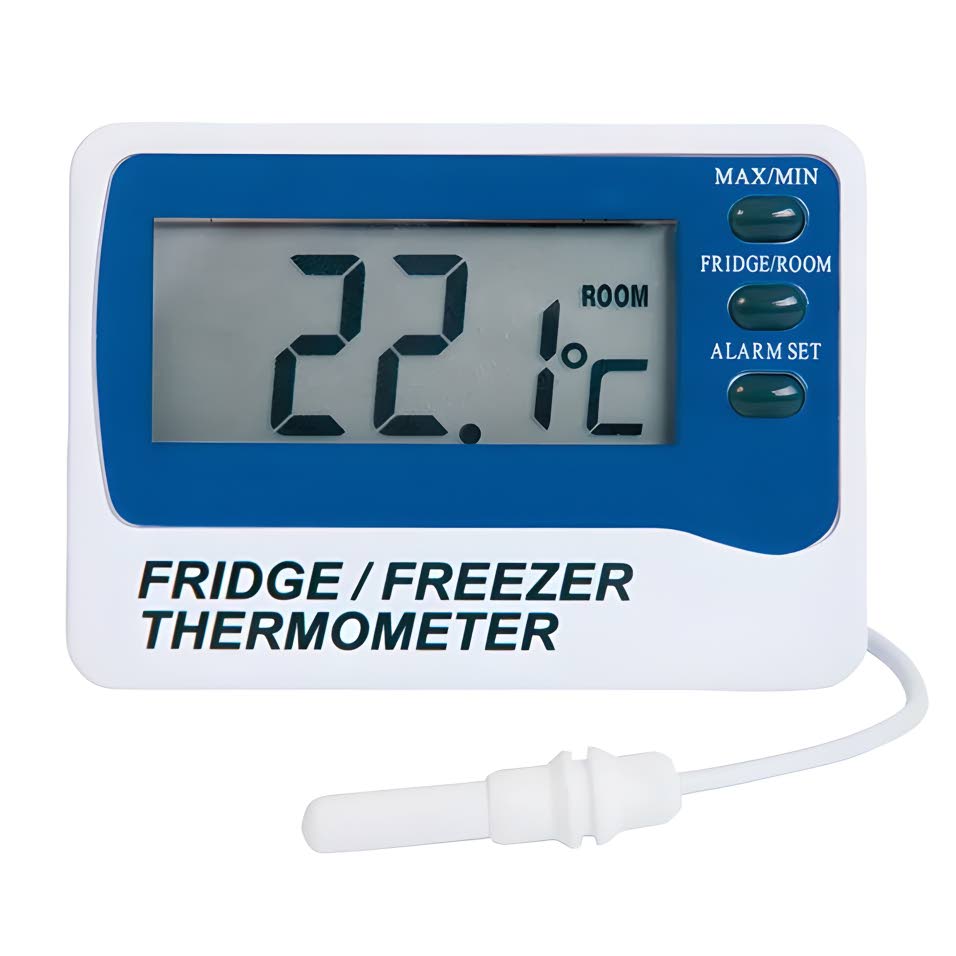
A fridge thermometer is an essential tool for food safety. It allows for instant temperature checks, helping you to prevent food from reaching unsafe levels and reducing the risk of spoilage.
Allison Richards | thefoodsafetygirlja@gmail.com
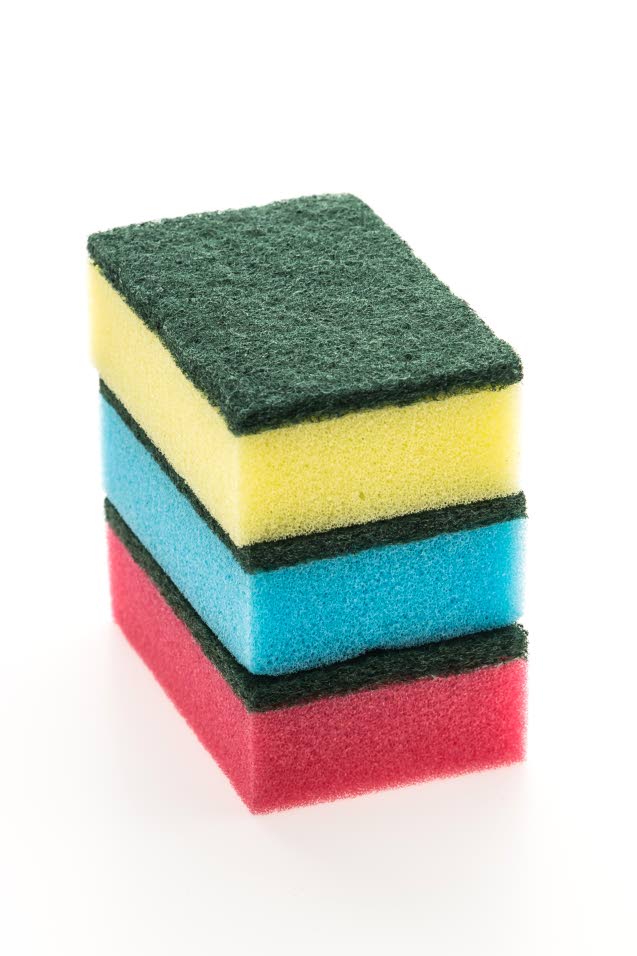
Kitchen sponges often harbour bacteria. To keep them clean, rotate them regularly and disinfect them daily — either by microwaving a damp sponge for one minute or soaking it in a weak bleach solution.


