



Mission swim-possible!
ASAJ boss wants to get more Jamaicans skilled at swimming
There’s a long-standing view that the majority of Jamaica’s population can’t swim. Aquatics Sports Association of Jamaica (ASAJ) President Lance Rochester is looking to change that through various programmes, even as lack of funding and available facilities remain a major hurdle.
While ASAJ and other key stakeholders have long highlighted the issue, there has been no formal, nationwide survey establishing how many Jamaicans can swim.
In an informal study done in 2013 it was reported that 75 per cent of Jamaicans were unable to swim.
The Organisation for Economic Co-operation and Development (OECD), which is an international body that conducts research and provides policy guidance to governments around the world, conducted a report in 2022 which stated that only 40 per cent of Jamaicans aged 15 and older can swim without assistance.
The OECD report also found that adults in lower-income countries are more likely to report they’re unable to swim compared to high-income countries, though Jamaica is classified as an upper-middle-income country by the World Bank.
Informal and undocumented surveys indicate that fear of the water, especially the deep end, continues to discourage many from learning to swim.
Rochester, who was re-elected ASAJ president in December for a second consecutive term, believes there is a willingness for people to learn how to swim, but says structured programmes remain limited.
“The issue is probably less so recognising, but more so, having the opportunity to learn how to swim. So if persons had the opportunity to learn to swim, or let’s just say parents have their children learn to swim within a school system — safe, well-managed, well-organised, most, I think, would want their children to learn how to swim,” he told the Jamaica Observer.
“I think that’s a problem, in that most schools don’t offer learn-to-swim opportunities, and for most schools, extremely difficult undertaking. In the first instance, there are no pools, and then there are no coaches, and there are no trained lifeguards and so on. That’s what I think has hampered our ability as a country. Of course, there are some who have a block against swimming for one reason or another, but I think on average, most persons do recognise that swimming is something that they would want their children to do. They just don’t have, really have the opportunity to get that done.”
Since taking the helm of the local aquatics governing body in 2023, Rochester has made the ‘learn to swim’ programme a key priority, aiming to teach as many Jamaicans as possible to swim.
Rochester, a former national water polo representative, says that while progress is being made, the lack of readily available facilities is hindering its growth.
“Ultimately we need pools, pools all island, pools within a radius of a few miles from the potential users,” he said. “Jamaica is going to need pools all island because it’s the pools that are going to facilitate the sort of intense training and also competition that is going to bring our athletes to the regional and world stage.”
Outside of the National Aquatics Centre at the National Stadium in Kingston, it has been reported that only nine pools are available to the public, with eight in the Corporate Area and one in Montego Bay.
Last year, Montego Bay Multi-Sports Development (MBMSD) Chairman Yoni Epstein told the
Observer that an Olympic-sized swimming pool would be constructed at the Montego Bay Sports Complex if the lease approval was successful.
The
Observer has learnt that installing a standard short-course swimming pool, which is around 25 metres, could cost as much as $16 million.
However, in the absence of pools, Rochester says they plan to use the island’s natural resources, including the beach, which can facilitate the development of ‘sea pools’.
“What we have done over this first term is to craft a viable model with feasibility analysis to ensure that when we deploy it is sustainable, and we have done that by looking at other countries in the region and how they have done it, and their costings, and we have put together a plan of action to deliver on that sea pool concept. And we’re still committed to that,” he said.
“We have engaged with a number of stakeholder agencies, including in the tourism space, and we also look forward to the support of the Government and various other private sector entities to be able to deliver on what we believe is a viable model. So hopefully in the first half of 2026 we’ll be able to convey a material update to Jamaica as a whole, as sea pools, we believe, can deliver on getting Jamaica learning to swim and getting our athletes in training also, not just for swimming, but also water polo, beach water polo, and also artistic swimming to a degree. But in the first instance, we are focused on learn to swim with this sea pool model.”
Despite the struggles locally, the country has remained successful on the competitive stage with consistent appearances at the Olympic Games and World Championships as well as title wins in regional competitions such as the Carifta Games.
Aquatic Sports Association of Jamaica President Lance Rochester
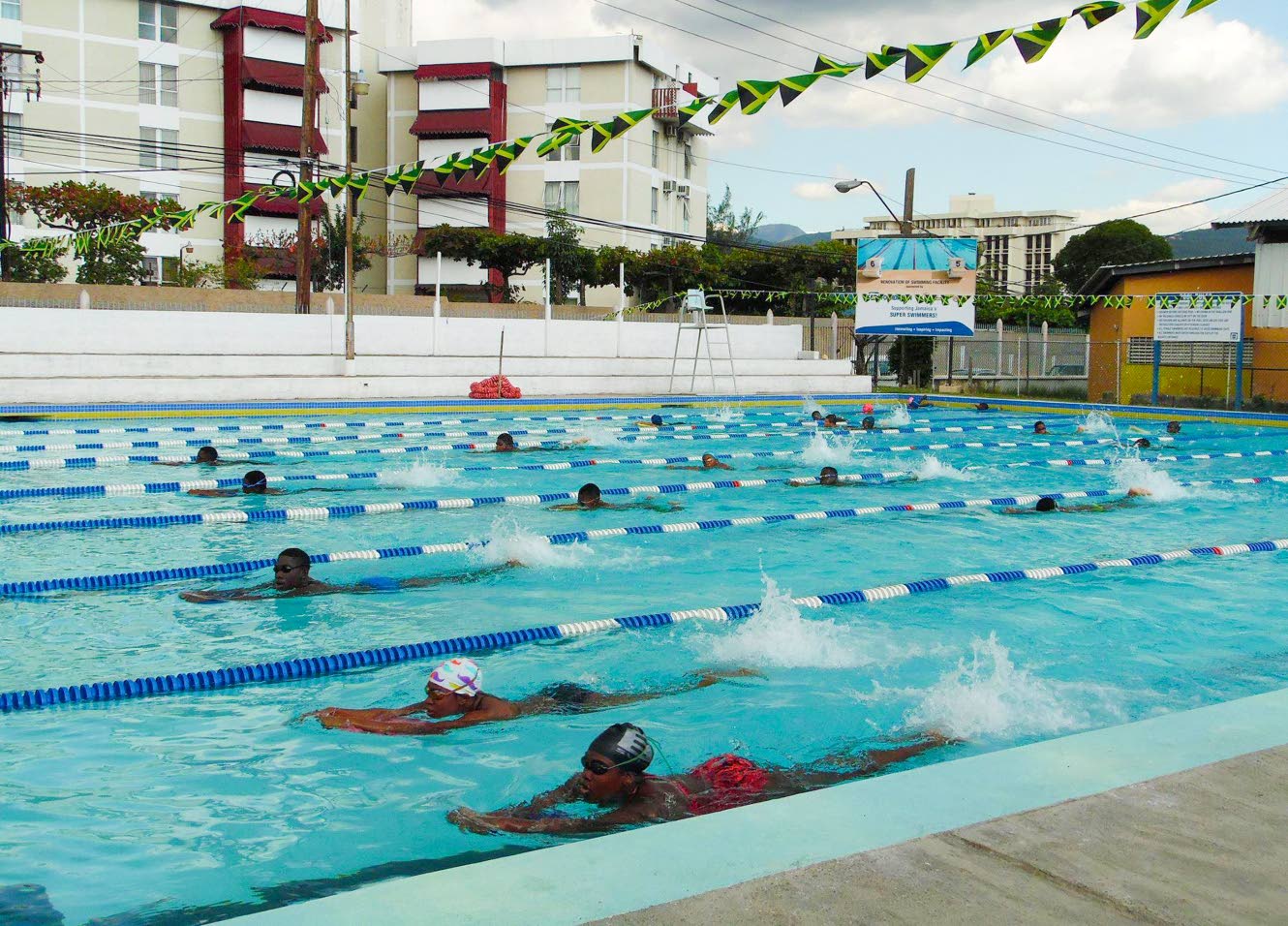
Swimmers train at YMCA pool in St Andrew.
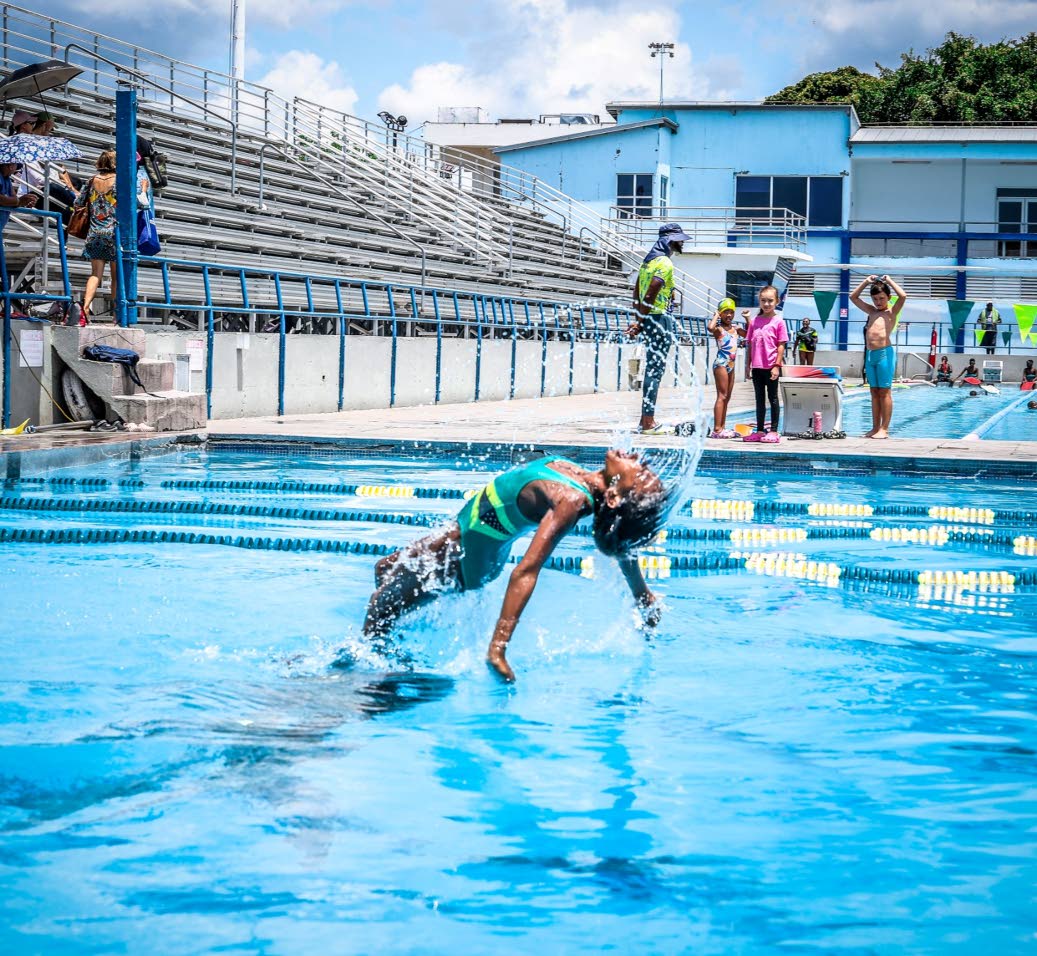
A Jamaican athlete showcases her skills in the pool.


