



Gen Z vs Millennials
Modern weddings are often grouped under one broad label — non-traditional. But in 2026, that description barely scratches the surface. Two generations currently planning weddings: Millennials and Gen Z. They may appear similar on paper, but their approach to marriage celebrations is strikingly different. From how they plan to what they value, the divide between these couples is shaping an entirely new wedding landscape.
Millennial couples typically approach their wedding as a significant life milestone — one that represents years of dreaming, saving, and intentional planning. For many, the wedding day is not just a celebration but a marker of achievement, adulthood, and stability. As a result, their planning style tends to be structured and deliberate, often beginning a year or more in advance. They value guidance, expert opinions, detailed timelines, and clear decision-making, leaning on planners to create a seamless and polished experience.
Gen Z couples view weddings through much looser lens. While marriage itself still holds meaning, the wedding is not necessarily seen as the pinnacle moment of their lives. This generation is more comfortable questioning tradition altogether, asking whether certain elements are necessary or not necessary at all. Planning timelines are often shorter, decisions are made closer to the event, and flexibility is embraced rather than feared. The process feels collaborative and organic, with an openness to change that reflects their broader outlook on life.
Budgets: These differences become even more apparent when it comes to budgets. Millennial couples tend to allocate funds in a traditional way, prioritising venue, décor, catering, and guest comfort. Their goal is balance — ensuring every part of the wedding feels considered and complete. Gen Z couples, on the other hand, are far more selective. They are willing to invest heavily in what resonates with them personally while eliminating entire categories that don’t. Smaller guest lists, fewer formalities, and intentional spending allow them to focus on experiences rather than expectations.
Design aesthetics further highlight this generational contrast. Millennials often gravitate toward timeless elegance — neutral colour palettes, romantic florals, symmetry, and design choices that will age well in photographs. Their weddings are curated to feel refined and elevated. Gen Z weddings, however, favour expressive simplicity. Texture replaces abundance, personal symbolism takes precedence over symmetry, and the overall atmosphere is designed to feel intimate rather than impressive. The emphasis is less on creating a visual spectacle and more on establishing a meaningful mood.
Traditions also play different roles for each group. Millennials tend to edit tradition thoughtfully, shortening ceremonies, modernising speeches, and reworking timelines without abandoning structure. Gen Z couples are more inclined to rewrite the rulebook entirely. Bridal parties may be omitted, ceremonies may be private or unconventional, and receptions may look nothing like what came before. For them, tradition is optional — never assumed.
Guest experience is interpreted differently. Millennials focus on hospitality, comfort, and flow, ensuring guests feel well-hosted from start to finish. Gen Z prioritises emotional inclusion over formal programming. Shared moments, unstructured interactions, and genuine connection matter more than choreography or spectacle. Impressing guests is less important than making them feel present.
Social media and sharing Perhaps the most telling difference lies in how each generation relates to social media. Millennials still approach weddings with an awareness of documentation — beautiful photography, cinematic video, and shareable moments. Gen Z, conversely, is more resistant to performance. They are less concerned with posting and more interested in experiencing the moment fully. Ironically, this often results in celebrations that feel more authentic and memorable.
What all of this signals is a shift in how weddings must be approached moving forward. There is no longer a single definition of a modern wedding. Millennials seek reassurance, refinement, and thoughtful execution. Gen Z seeks honesty, flexibility, and emotional alignment. This is why I personally don’t believe it’s right to impose or follow trends, but to translate values into experiences — whether that means a meticulously designed celebration or an intentionally understated gathering that breaks every rule.
Because ultimately, the most successful wedding is not the most elaborate or the most unconventional — it is the one that truly reflects the couple at the centre of it all.
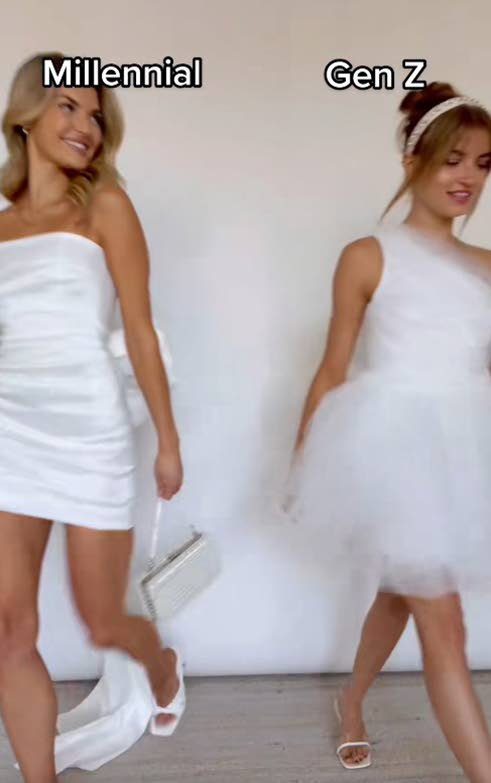
From how they plan to what they value, the divide between millennials and Gen-Z couples is shaping an entirely new wedding landscape.
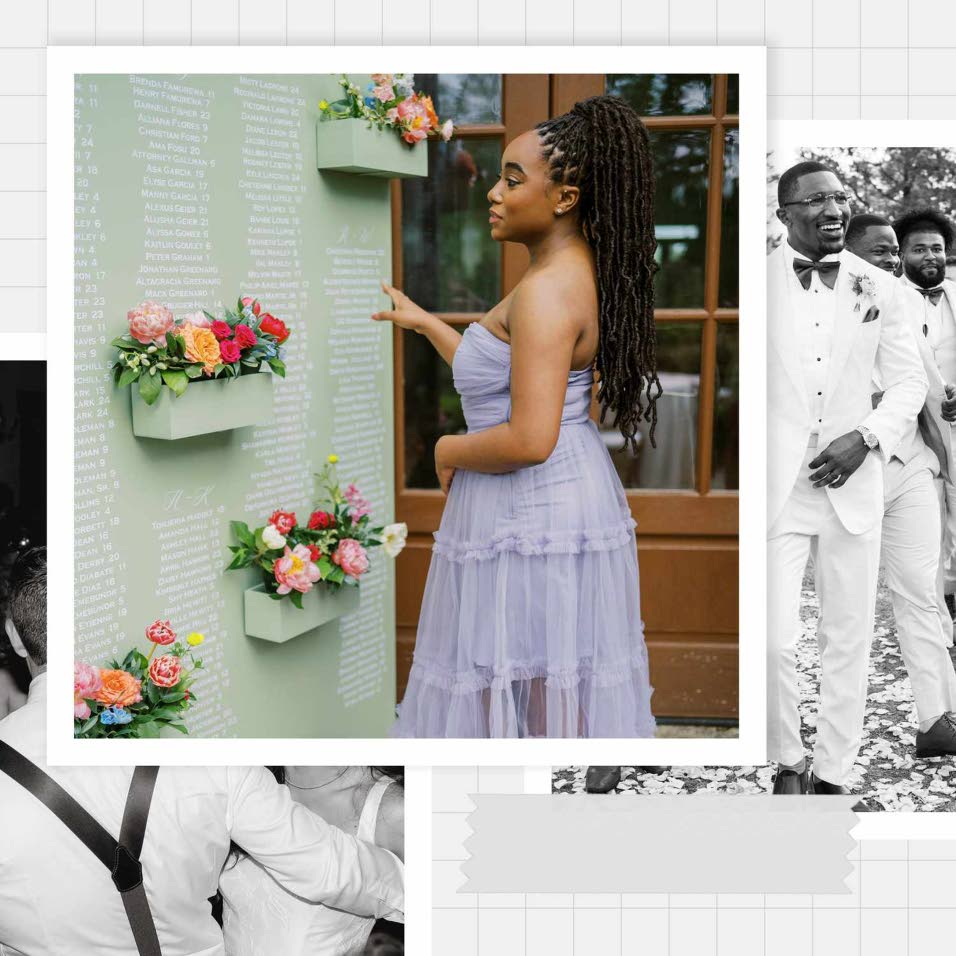
As the first generation raised entirely online, Gen-Z’s are set on doing things differently when it comes to their nuptials, tradition takes a backseat when it doesn’t align with their values, and anything that feels too staged or outdated is quickly left behind. (Photo: www.brides.com)
Shikima Hinds Logo.


