



Moving teachers from online content users to creators
With 2026 now well underway, and new year resolutions are in progress, I invite my colleague educators to indulge me for a moment.
Amid lesson planning, marking, and the relentless demands of classroom life, it is all too easy, particularly late on a Sunday afternoon, to take the quickest route when preparing lessons: dropping a ready-made YouTube video into a plan and moving on.
There is nothing inherently wrong with this approach, and it has been used over the years. Digital resources have significantly transformed teaching and learning, both positively and negatively, offering access to information that the ‘encyclopedia generations’ could only dream of. Yet, as I revisited
YouTube and other popular educational platforms while reflecting on this issue, I was reminded of a persistent gap: much of the content available online is not tailored to our Jamaican curriculum, our cultural realities, or the lived experiences of our students.
As we look to 2026 and beyond, perhaps it is time for a shift in mindset. Beyond using pre-made generic learning resources, Jamaican teachers should increasingly see themselves as learning or pedagogical content creators. Commendations to some of these creators whose channels I have stumbled upon, such as Socialstudieswiz Soares, Adam Webb’s CSEC English, and Dr Oneil Hall’s
CSEC History. While other channels exist, majority of them are primarily focused on working past paper questions at the Caribbean Secondary Education Certificate (CSEC) level rather than teaching actual topics, especially those considered challenging topics in respective subject areas.
Learning content creation holds immense promise for our education system and for our beautiful island home. First, it allows us to intentionally develop a repository of culturally relevant content that can be shared across the island. Lessons that are grounded in Jamaican contexts, our history, language, environment, and social realities help students to see themselves in what they are learning.
When examples, case studies, and explanations reflect these familiar experiences, learning becomes more meaningful and more engaging. When I worked in Jamaica and used to plan lessons, sometimes I wished I were able to find creative ways to bring across some abstract content. These best practices and creative ways may have existed with my colleagues in other parts of the island, but it was not the case for me.
Second, becoming learning content creators enables teachers to tap into the collective creativity and professional expertise of each other across different subject areas. Every day Jamaican teachers in their corners devise innovative ways to explain complex concepts, adapt lessons for diverse learners, and make learning come alive. When educators share educational content digitally, whether through short videos, interactive presentations, lab simulations, or open lesson resources, they create a professional knowledge-sharing ecosystem that stands to benefit both teachers and learners islandwide. Afterall, there is so much to be learnt from our colleagues, especially those who teach or may have been trained in contexts different from ours.
Third, more teachers becoming learning content creators can lead to an increased amount of context-specific learning content and culturally responsive pedagogical materials available online, which can significantly reduce planning time. A shared bank of high-quality, curriculum-aligned resources created by Jamaican educators means teachers are no longer starting from scratch or endlessly searching for suitable materials online. Instead, they can adapt, remix, and improve existing content, while focusing their energy on tailoring the content to meet the specific needs of their students.
This is definitely not a call to abandon already-available resources or ignore established best practices. Instead, this is an open invitation for us as a nation and region, by extension, of globally celebrated and sought-after educators, to balance consumption with creation and to move from being primarily users of content to confident producers of learning content. With today’s accessible technology, teachers do not need expensive equipment or advanced technical skills to begin. A device, a clear explanation, and a willingness to share can go a very long way.
While I emphasised YouTube videos, my thoughts extend to educational content as a whole, generally, including PowerPoint or Google Slides presentations; educational games on sites like Kahoot, Blooket, and Wayground (formerly Quizziz); lesson notes in whatever format; lesson activities; and lesson plans with activities.
Teaching overseas, particularly in the United Kingdom, has really shown me how beneficial it can be to education when we develop and share content digitally. This year I invite Jamaican and Caribbean teachers to join me on a journey to becoming a learning content creator. Again, learning content creation is not limited to the creation of audiovisual content. Instead, consider developing and sharing your best lesson plan, your best lesson activity, that jeopardy game about the types of social institutions, or that end-of-unit test on the Haitian Revolution.
If we truly believe in education as a tool for national development, then prioritising educational content creation and collaboration is both a practical and a visionary step. As a country of globally admired educators, let this be one of our resolutions for the new year: to tell our own educational stories, in our own voices, for the benefit of our students and generations to come.
Dr Kevol A Edwards is an adjunct lecturer and teacher of information and communication technology. Send comments to the Jamaica Observer or kevoledwards@outlook.com.
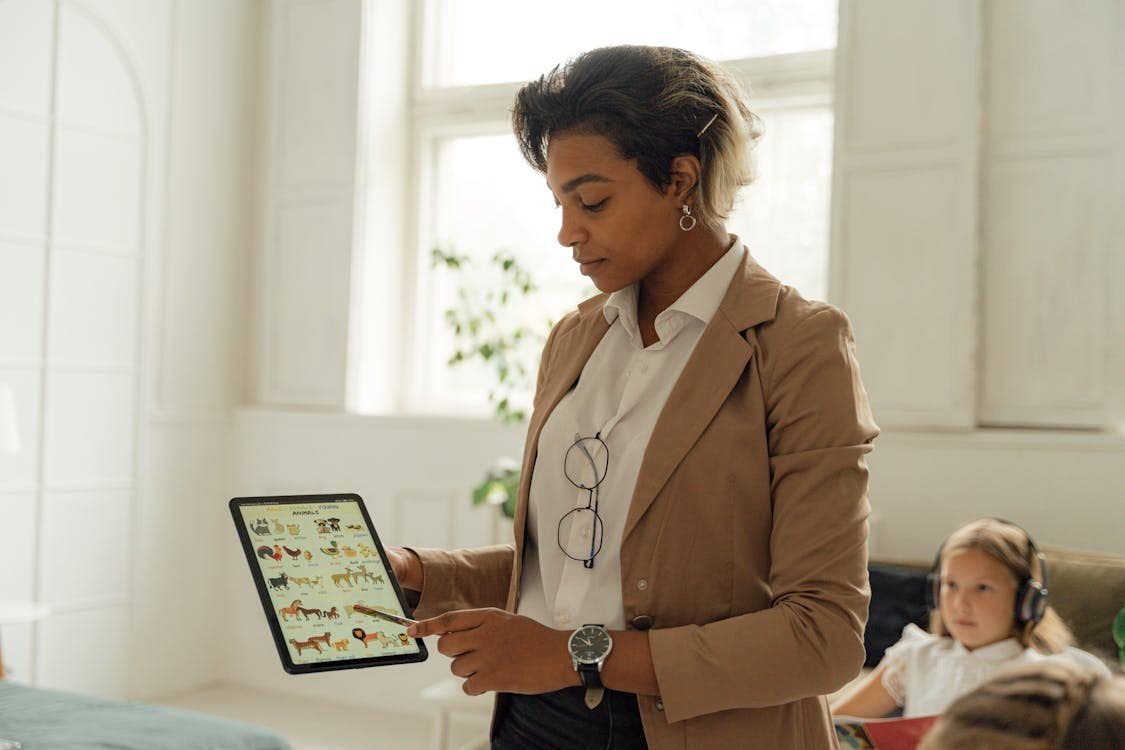
Learning content creation holds immense promise for our education system.

When examples, case studies, and explanations reflect familiar experiences, learning becomes more meaningful and engaging.


