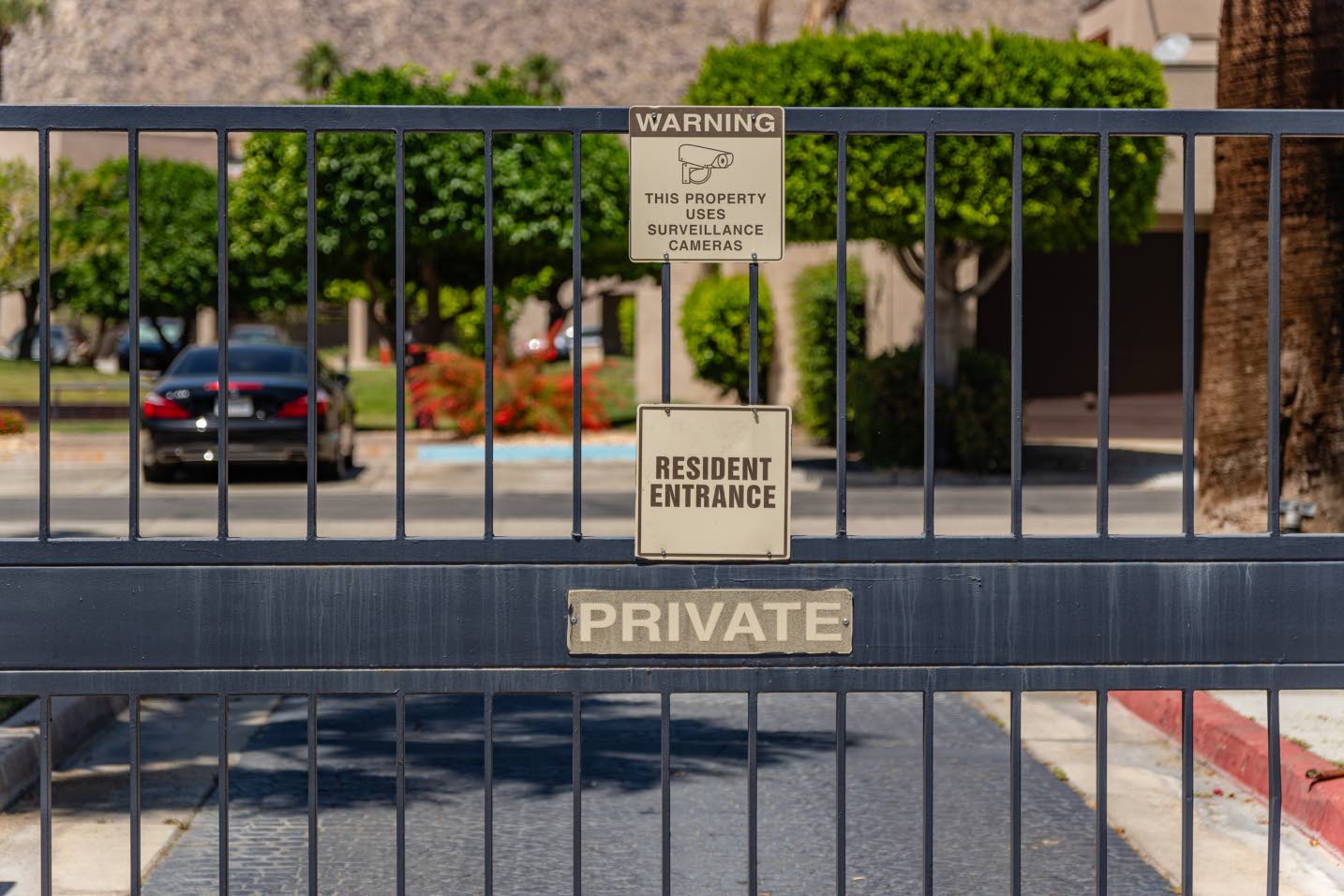
Robinson urges wide scrutiny of gated communities Bill
MEMBER of Parliament for St Andrew South Eastern, the Opposition’s Julian Robinson, has called for the setting up of a joint select committee (JSC) to examine proposed legislation to tighten the rules governing gated communities.
The proposed Shared Communities Act 2026, which was tabled in the House of Representatives on Tuesday, will drastically alter the way gated communities function in Jamaica.
But Robinson called for the legislation to be subject to examination by a JSC immediately after it tabled in the House of Representatives by minister with responsibility for land titling and settlements Robert Montague.
Robinson argued that the far-reaching implications of the proposed legislation meant stakeholders should be given the opportunity to appear before the JSC.
“I had a very cursory look at the Bill; it has very far-reaching implications for how those gated communities operate legally and otherwise,” said Robinson as he pointed out that he represents a constituency with perhaps the largest number of gated communities in the country.
“I believe it is in the best interest of the Parliament, and the country for a Bill like this, which is being introduced for the first time, to be referred to a joint select committee where you can have stakeholders review it and give their comments before going through this process [of debate],” added Robinson.
In his response, Montague told the House that the Bill was tabled merely to have it read a first time. “We’re not taking it through its concluding stages,” said Montague as he declared that, “as always, this Government, this side, always consults with stakeholders”.
The far-reaching proposals in the Bill could have implication from a monetary and legal standpoint for owners of properties and residents of these gated communities.
These range from mandatory maintenance fees, a possible $1-million fine when the by-laws of the community corporations — which will govern the operation of these gated communities — are breached, and the possible seizure and sale of property to recover outstanding fees.
The legislation also empowers the community corporations to make by-laws to regulate the control, management, administration, use, and enjoyment of the common property contained in every registered shared community plan.
When a proprietor breaches a by-law the corporation may apply to the court for a remedy.
When the court is satisfied, on receipt of an application of the community corporation, that a proprietor has contravened any of the provisions of the by-laws under the proposed legislation, the court may order the proprietor, the agent of the proprietor, or any person occupying with the consent of the proprietor to pay to the community corporation a pecuniary penalty not exceeding $1 million.
Since many owners do not occupy their premises but either lease or rent them, the law also makes provision for this.
It states that, “A proprietor shall appoint a person in Jamaica to act as his or her agent if the proprietor is unable to carry out his obligations under this Act by reason of absence from Jamaica or inability to act whether due to illness or otherwise.”
The Bill also provides for the establishment of a regulatory framework for shared communities; oversight by the Real Estate Board for the use of and operation of common property; and the regulation of the rights and obligations of the proprietors (owners) and connected matters.
If passed into law the legislation will give the Real Estate Board the responsibility for the regulation of community corporations in accordance with the provisions of this Act.
The functions of the board will be to receive and process the initial applications for registration of a shared community and its community corporation; issue certificates of registration; renew the certificates of registration of shared communities and the community corporation; and issue certificates authorising community corporations to exercise their power of sale.