



Third-Party Food Vending in Jamaica
Since the COVID-19 pandemic began, the way Jamaicans access and consume food has shifted dramatically. Lockdowns, school closures, and changes in workplace routines led to a boom in food delivery services and informal food vending. What started as a necessity for many has now become an entrenched part of everyday life. Now, with the recent emergence of fast-food vending machines and delivery drivers selling hot meals from insulated “bag igloos,” the convenience economy is growing faster than ever — but with growth comes food safety concerns that both vendors and consumers must understand.
The Rise of Third-Party Food Vending
Before COVID-19, food vending in Jamaica largely took place at fixed locations: roadside stalls, small eateries, and formal restaurants. Consumers either ate in or took food away. Delivery existed, but it was limited and mostly done by individual drivers or taxis rather than organised services.
Then the pandemic hit. Social distancing rules, fear of crowded spaces, and frequent curfews changed eating habits almost overnight. People started ordering meals to their homes, workplaces, and shelters. At the same time, many Jamaicans lost regular income, prompting would-be entrepreneurs and laid-off workers to seek flexible ways to earn. Third-party food vending — from food delivery apps to independent vendors selling street meals — surged.
Over the past two years, this trend has evolved even further. Fast-food vending machines have begun appearing in public spaces and residential complexes, offering hot meals and snacks at the push of a button. At the same time, delivery drivers equipped with insulated backpacks or bag igloos are increasingly selling food directly on the streets or serving small communities outside formal app-based platforms. The landscape has also seen a rise in pop-up vendors and micro-kitchens that operate almost entirely through delivery or kerb-side pick-up, reshaping how food reaches consumers.
This diversification reflects evolving consumer preferences and economic realities, but it also raises questions about food safety, regulation, and risk.
Why People Use IT
Third-party food vending has grown rapidly for several reasons. Convenience and accessibility play a major role, as busy work schedules, longer commutes, and changing lifestyles make doorstep delivery attractive, while vending machines add the benefit of no waiting, no ordering ahead, and no human interaction.
Cost-effectiveness is another factor, with app-based delivery services offering promotions or discounts and informal vendors pricing meals competitively, appealing to students, low-income workers, and anyone seeking quick, affordable food. In areas with limited alternatives, such as small towns or rural communities, third-party vendors bring food closer to consumers who might otherwise have few options.
For many Jamaicans, particularly youth and informal workers, food vending provides an entrepreneurship opportunity with relatively low start-up costs, requiring only cooking equipment, transport, and a willingness to hustle.
New technologies, including 24/7 vending machines in urban areas or near transport hubs, cater to travellers, shift workers, and those needing meals at off-peak hours. While the popularity of these services is understandable, it remains important to balance convenience with safety, especially regarding proper food handling and storage.
Risks in Third-Party Vending and Fast-Food Machines
Food safety ensures food is free from contamination and illness. While formal restaurants follow licensing, inspections, and training, many informal vendors, delivery drivers, and food vending machines operate outside these systems, creating gaps in hygiene and oversight.
Temperature abuse is a major risk. Perishable foods like meats, dairy, and sauces must stay hot (above 60°C) or cold (below 5°C). Poorly insulated delivery bags, long delivery times, and vending machines with unreliable temperature control can allow bacteria to multiply. Time delays and improper handling — touching food after handling money, reusing utensils, or neglecting hand hygiene — increase contamination risks.
Sanitation and storage issues also matter. Many vendors lack proper handwashing, clean surfaces, or waste disposal. Ingredients may be left in warm vehicles or sunlight, and fast-food packaging is often not designed for extended storage. Vending machines face additional hazards from outdoor exposure, poor maintenance, and the absence of temperature logs or real-time oversight, making it easy for unsafe food to be dispensed.
Finally, many vendors and delivery drivers lack formal food safety training. When these safeguards fail, the result can be foodborne illness, ranging from nausea, vomiting, and diarrhoea to severe hospitalisation, particularly for children, the elderly, and immune-compromised individuals.
Guidelines for Third-Party Food Vending Services
To protect public health, vendors and delivery services must follow basic food safety principles. Anyone preparing or selling food should have a valid food handler’s permit, confirming basic training in hygiene and contamination prevention.
Vendors and delivery drivers should be properly trained in hand hygiene, temperature control, safe storage, cross-contamination prevention, and equipment sanitation, with training documented and updated regularly.
Hot foods must be kept above 60 °C and cold foods below 5 °C using effective insulated carriers or refrigeration, while vending machines should be routinely serviced to maintain safe temperatures.
Good personal hygiene is essential, including frequent handwashing, proper glove use, and avoiding direct contact with ready-to-eat foods. All food contact surfaces, equipment, vehicles, and vending machines should be cleaned and sanitised daily.
Accurate records, such as temperature logs, cleaning schedules, and training documentation, should be maintained, and all ingredients must come from licensed suppliers with packaged foods clearly labelled with dates, ingredients, and allergen information.
How Consumers Can Protect Themselves
Consumers also play an important role in reducing food safety risks. They should choose licensed vendors with visible permits, proper branding, and clear contact information. Packaging should always be sealed, clean, and clearly labelled, and any food with damaged packaging, unusual odours, or signs of mishandling should be avoided. Consumers should also be mindful of delivery times, as food that arrives long after preparation is more likely to be unsafe; asking about preparation and delivery timelines can help reduce this risk.
Temperature awareness is critical — hot foods should be steaming or warm to the touch, while cold foods should feel properly chilled. Lukewarm food should not be consumed. Anyone who experiences symptoms such as nausea, cramps, fever, or diarrhoea after eating food from a third-party vendor should seek medical attention promptly and report the illness. Unsafe food handling practices should also be documented and reported to the local Public Health Department, as consumer vigilance helps protect the wider community.
Balancing Innovation with Safety
Third-party food vending, delivery drivers, and fast-food vending machines reflect Jamaica’s evolving food economy — driven by convenience, entrepreneurship, and changing consumer habits. These services are not inherently unsafe, but if they operate without adequate training, oversight, and hygiene practices, they can pose serious public health risks.
For this trend to thrive responsibly, vendors must adopt basic food safety measures, authorities must enforce regulations fairly and consistently, and consumers must remain informed and critical in their choices.
When convenience is balanced with safety, everyone wins — from the vendor earning a living to the customer enjoying a meal with confidence.
About the Author
Allison Richards is a food safety communicator, trainer, and the founder of The Food Safety Girl, a consumer awareness platform dedicated to promoting food safety in Jamaica. She is also the host of The Big Bite Food Safety Show, a radio programme that educates listeners on food safety issues. With over 14 years of experience in food safety regulation, Allison is passionate about empowering consumers and industry stakeholders to make informed choices that protect both health and the environment. Through public education initiatives, including free community webinars, she continues to create space for learning, dialogue, and practical food safety awareness.
Allison Richards | thefoodsafetygirlja@gmail.com
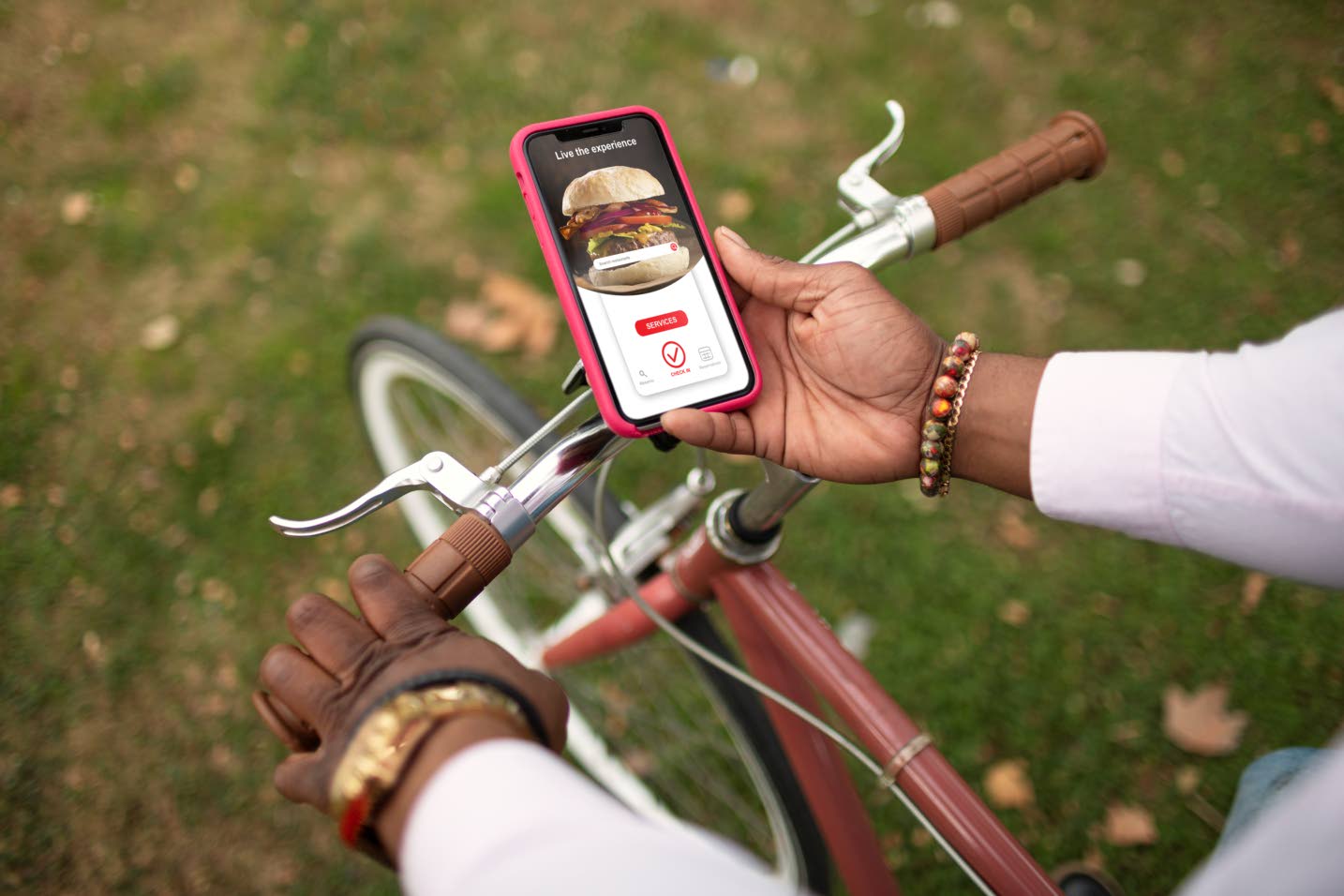
Third-party food vending, driven largely by app-based delivery services, has seen rapid growth fuelled by a demand for greater convenience and accessibility.
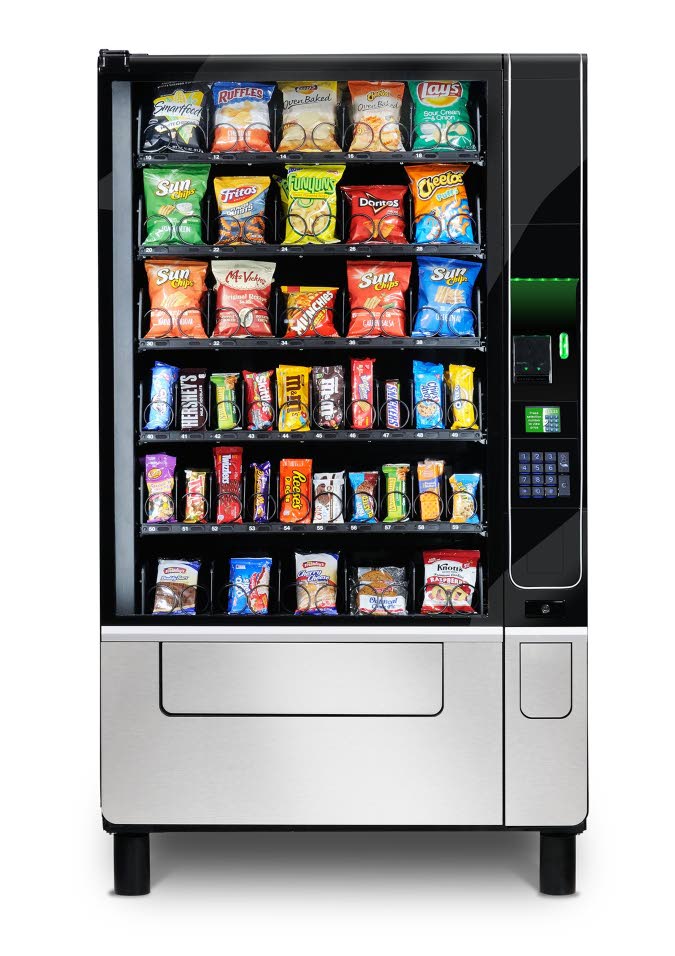
While vending machines provide essential service to travellers, shift workers, and those seeking meals during off-peak hours, they are uniquely vulnerable. Factors such as outdoor exposure, inadequate maintenance, and a lack of direct oversight increase the risk of dispensing unsafe food.


